
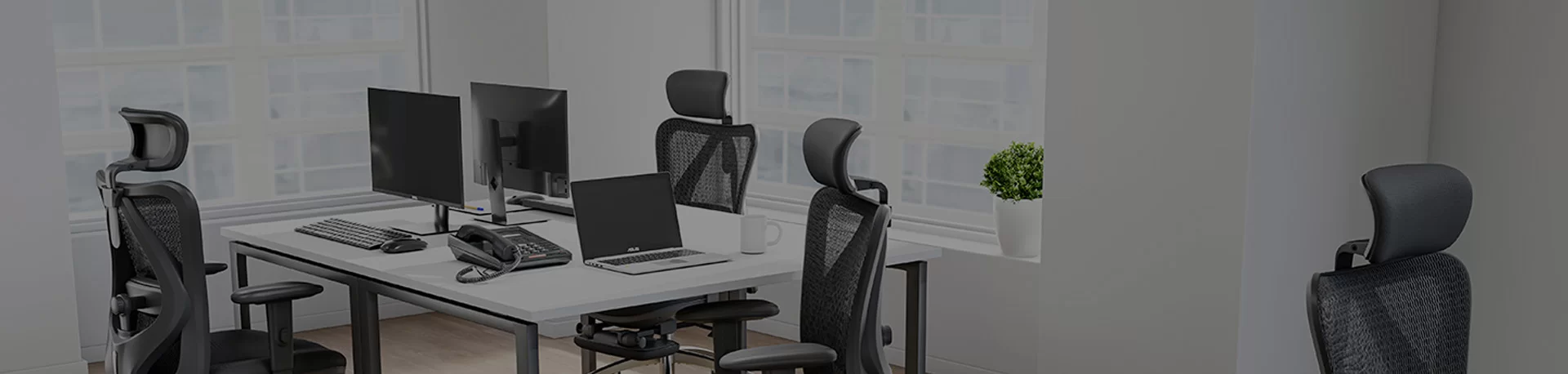

Selecting a professional seating solution requires an understanding of how mechanical adjustability correlates with spinal health and operational productivity. For professionals enduring extended hours at a desk, a china 3 way adjustable office chair represents a strategic integration of ergonomic engineering and industrial durability. This article examines the critical components of multi-adjustable seating and how these features mitigate the risks of sedentary work.
The B2B procurement of office furniture has shifted from basic aesthetic considerations to a focus on long-term physiological support. In high-pressure corporate environments or creative studios, the ability to synchronize the chair's geometry with the user's unique body type is essential. By analyzing the intersection of material science—such as high-density foam and reinforced metals—and ergonomic R&D, organizations can reduce employee fatigue and enhance overall workflow efficiency.
Readers will gain technical insights into the evaluation of lumbar systems, the significance of frame materials in lifecycle longevity, and the practical criteria for selecting a manufacturer. We will explore how precision manufacturing and rigorous quality control ensure that seating solutions maintain structural integrity under rigorous daily use, providing a comprehensive guide for procurement managers and facility designers.
Ergonomic Fundamentals of Multi-Way Adjustment
At its core, the purpose of a multi-adjustable office chair is to maintain the natural S-curve of the human spine while redistributing pressure across the pelvic region. In the context of metal furniture manufacturing, achieving this requires a synergy between a rigid chassis and flexible adjustment points. The primary objective is to prevent "slumping," which occurs when the lumbar region loses support, leading to disc compression and muscle strain. By implementing adjustable height, depth, and angle settings, a chair can be tailored to different anthropometric data, ensuring that the user's feet remain flat on the floor and their thighs are parallel to the ground. This alignment is not merely about comfort; it is a prerequisite for maintaining blood circulation and reducing the onset of chronic musculoskeletal disorders in the workplace.
Technical Analysis of Adjustable Seating
To evaluate the performance of a professional seating system, one must look beyond the surface upholstery and analyze the underlying engineering. The following sections detail the technical specifications and material considerations that define a high-performance ergonomic chair, reflecting the manufacturing standards used by specialists like Anji Chengda Home Furnishing Co., Ltd.
Structural Load-Bearing Capacities
The foundation of any industrial-grade chair is its frame. Utilizing heavy-duty industrial metal instead of plastic or light alloys significantly increases the load-bearing capacity and extends the operational lifespan. A reinforced metal frame prevents structural warping over years of use, ensuring that the adjustment mechanisms remain aligned and functional. This is particularly critical for 24/7 operational environments where chairs are subject to constant rotation and weight shifts.
| Frame Material | Stability Rating | Expected Lifespan | Primary Advantage |
|---|---|---|---|
| Industrial Metal | Excellent | High (Long-term) | Superior Load Capacity |
| Reinforced Alloy | Good | Medium-High | Balanced Weight/Strength |
| Standard Plastic | Fair | Low-Medium | Lower Initial Cost |
| Lightweight Steel | Good | Medium | Moderate Durability |
| Composite Polymer | Fair | Medium | Flexible Form Factor |
| Cast Iron Base | Excellent | Very High | Maximum Stability |
Lumbar Support Mechanisms
A dynamic adjustable lumbar system is the most critical feature for spinal health. Unlike fixed supports, an adjustable system allows the user to shift the pressure point to match the specific curvature of their lower back. This prevents the flattening of the lumbar spine during deep work sessions. High-quality systems utilize a combination of tension-adjustable mesh and mechanical sliders to provide firm yet flexible support that moves with the user.
Thermal Regulation and Materiality
Thermal comfort directly impacts cognitive focus. The use of breathable mesh backrests facilitates air-flow, preventing heat buildup and moisture accumulation against the skin. When paired with high-density ergonomic foam in the seat—which provides pressure relief without sagging—the result is a seating environment that keeps the user cool and physically supported, reducing the urge to frequently shift positions due to discomfort.
Pneumatic Height Precision
Precision in height adjustment is achieved through industrial-grade pneumatic cylinders. These components must be tested for thousands of cycles to ensure consistent lift and descent. Correct height adjustment ensures that the user's elbows are at a 90-degree angle relative to the desk surface, which is essential for preventing carpal tunnel syndrome and shoulder tension during prolonged typing or mouse usage.
Armrest Articulation and Range
Armrests should not be static; they must be height and angle adjustable to accommodate various desk heights and typing styles. Proper arm support offloads the weight of the upper limbs from the trapezius muscles, significantly reducing neck and shoulder fatigue. Professional-grade armrests typically feature soft-touch padding over a sturdy core to prevent pressure points on the forearms.
Dynamic Swivel and Mobility
Efficiency in a workspace is often tied to the ease of movement. A 360-degree full rotation mechanism combined with smooth-glide rolling casters allows the user to access different areas of their desk without straining their back. The casters must be engineered for compatibility with various floor types, from low-pile carpets to hard surfaces, to ensure effortless transit without leaving marks.
OEM/ODM Customization Standards
For B2B buyers, the ability to customize seating via OEM/ODM solutions is vital. This involves selecting specific fabric densities, frame finishes, and adjustment ranges to meet corporate branding or specific industry requirements. Manufacturers with large-scale facilities, such as those spanning 30,000 square meters, can integrate custom specifications into the production line while maintaining rigorous multi-stage quality inspections.
FAQ
Why is a metal frame preferred over plastic for professional office chairs?
Metal frames provide significantly higher load-bearing capacity and superior long-term structural stability. In professional environments with high usage rates, metal reduces the risk of frame failure or warping, thereby extending the product lifecycle and reducing the frequency and cost of replacements.
How does adjustable lumbar support specifically improve health?
It allows the user to customize the support level for the lower back, maintaining the natural inward curve of the lumbar spine. This reduces the pressure on intervertebral discs and prevents the muscle fatigue associated with slouching during extended working hours.
Will high-density foam lose its support over time?
High-resilience, high-density foam is specifically engineered to maintain its shape and supportive properties. Unlike standard foam, it resists permanent compression, ensuring that the seat continues to provide optimal pressure relief even after years of daily professional use.
Are these ergonomic chairs suitable for both gaming and corporate use?
Yes. The combination of advanced spinal support and a professional aesthetic makes them ideal for any high-intensity computer task. Whether for corporate boardrooms or home studios, the primary benefit is the reduction of physical strain during long periods of sedentary work.
What maintenance is required for mesh and metal components?
Maintenance is minimal. Breathable mesh can be cleaned using a vacuum or a damp cloth. The industrial metal frame only requires occasional wiping with a soft cloth to remove dust, ensuring the structural components remain clean and professional in appearance.
Can these chairs be used on hard floors without causing damage?
Yes, high-quality rolling casters are designed for smooth movement across various surfaces. They are engineered to glide across hard floors and low-pile carpets without leaving marks or scratches, maintaining the integrity of the workspace flooring.
References and further reading
- International Standards for Ergonomic Office Seating - Material Durability Guidelines.
- Guidelines for Spinal Alignment and Lumbar Support in Sedentary Workplaces.
- Industrial Metal Fabrication Standards for Commercial Furniture.


