The modern workplace demands peak performance and enduring comfort, especially in roles requiring extended periods of focus. This is where the concept of a 24 hour chair becomes paramount. These aren’t simply office chairs; they represent a commitment to employee wellbeing, sustained productivity, and a proactive approach to ergonomic health. Understanding the nuances of a true 24 hour chair is crucial for businesses and individuals alike seeking to optimize their work environments and minimize the risks associated with prolonged sitting.
Globally, the increasing prevalence of sedentary jobs, coupled with longer working hours, has led to a surge in musculoskeletal disorders. The World Health Organization (WHO) reports that back pain is a leading cause of disability worldwide, significantly impacting both individuals and economies. A properly designed 24 hour chair directly addresses this issue by promoting proper posture, reducing pressure points, and supporting dynamic movement throughout the day. This isn’t merely about comfort; it’s about preventative healthcare and safeguarding long-term wellbeing.
Furthermore, the demands of shift work – common in industries like healthcare, emergency services, and manufacturing – necessitate seating solutions designed for continuous use. Traditional office chairs often lack the robustness and adjustability needed to support individuals working unconventional hours. The 24 hour chair fills this critical gap, offering a reliable and ergonomic solution for those whose work schedules defy conventional boundaries.
Defining the 24 Hour Chair
A 24 hour chair is fundamentally different from a standard office chair. It's engineered for continuous use, providing sustained support and comfort over extended periods, typically designed to accommodate multiple users across different shifts. Unlike chairs intended for 8-hour workdays, these chairs prioritize durability, adjustability, and ergonomic features to mitigate the risks of fatigue and musculoskeletal strain.
The connection to modern industry stems from the increasing demand for round-the-clock operations in sectors like call centers, security control rooms, logistics, and healthcare. These environments require seating that can withstand constant use while simultaneously promoting the health and wellbeing of employees working non-traditional hours. A 24 hour chair isn’t a luxury; it’s a necessity for maintaining productivity and reducing absenteeism in these critical industries.
Core Elements of a 24 Hour Chair
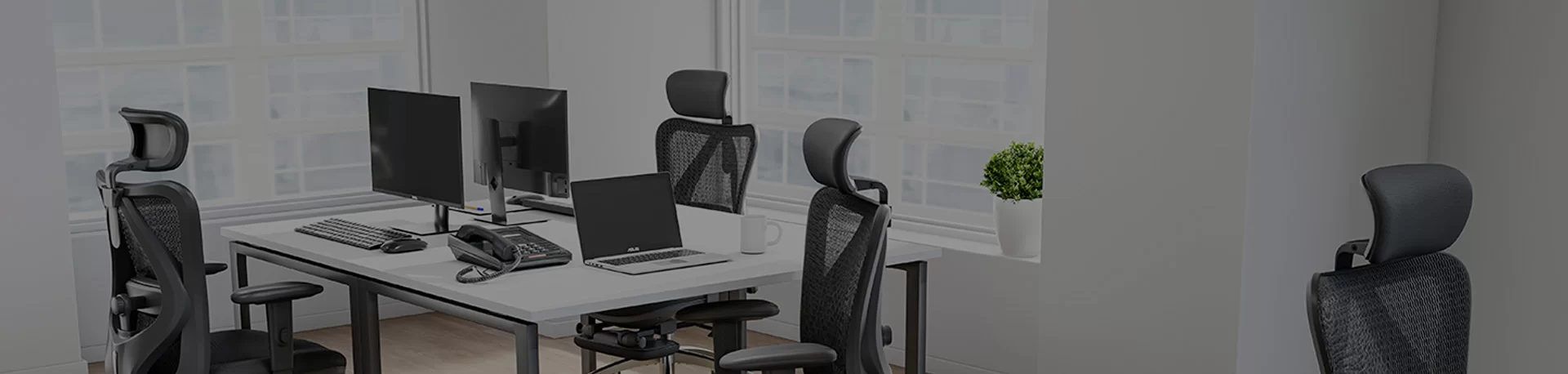
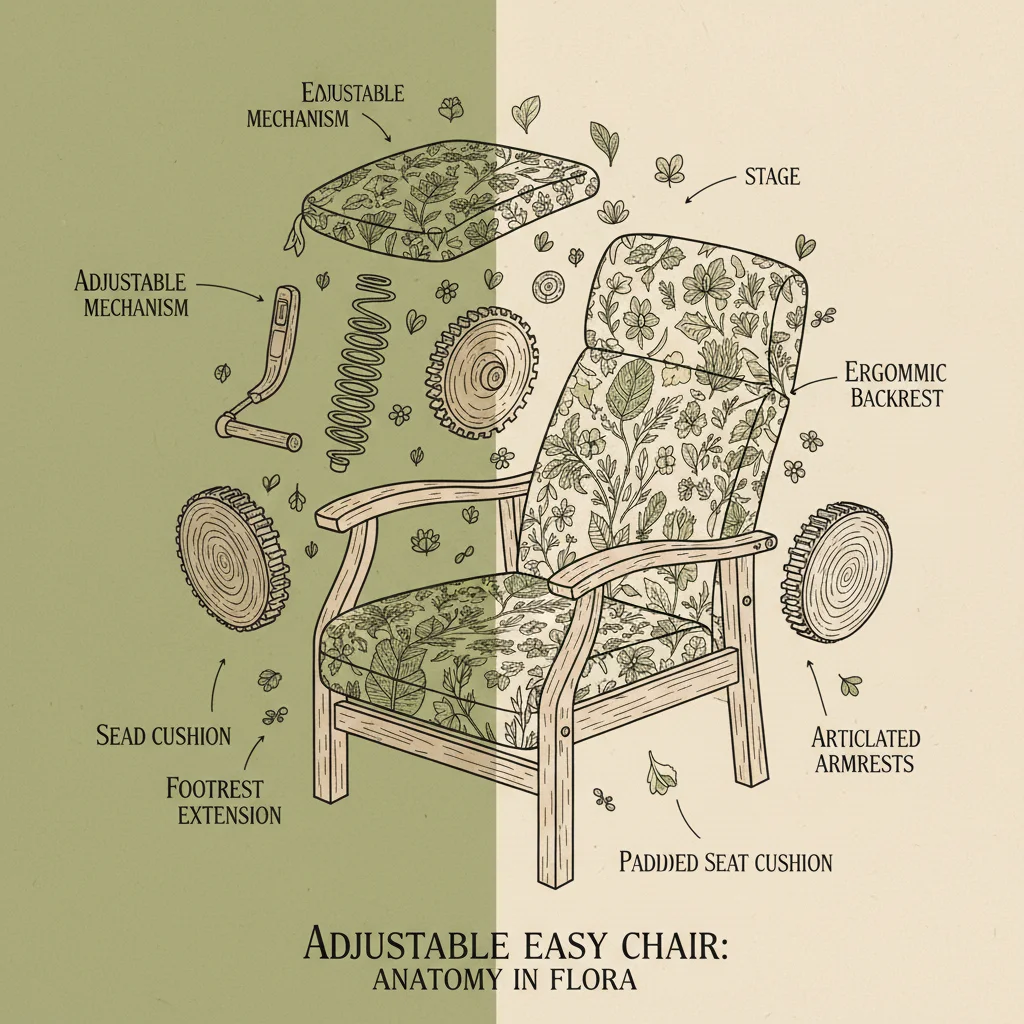
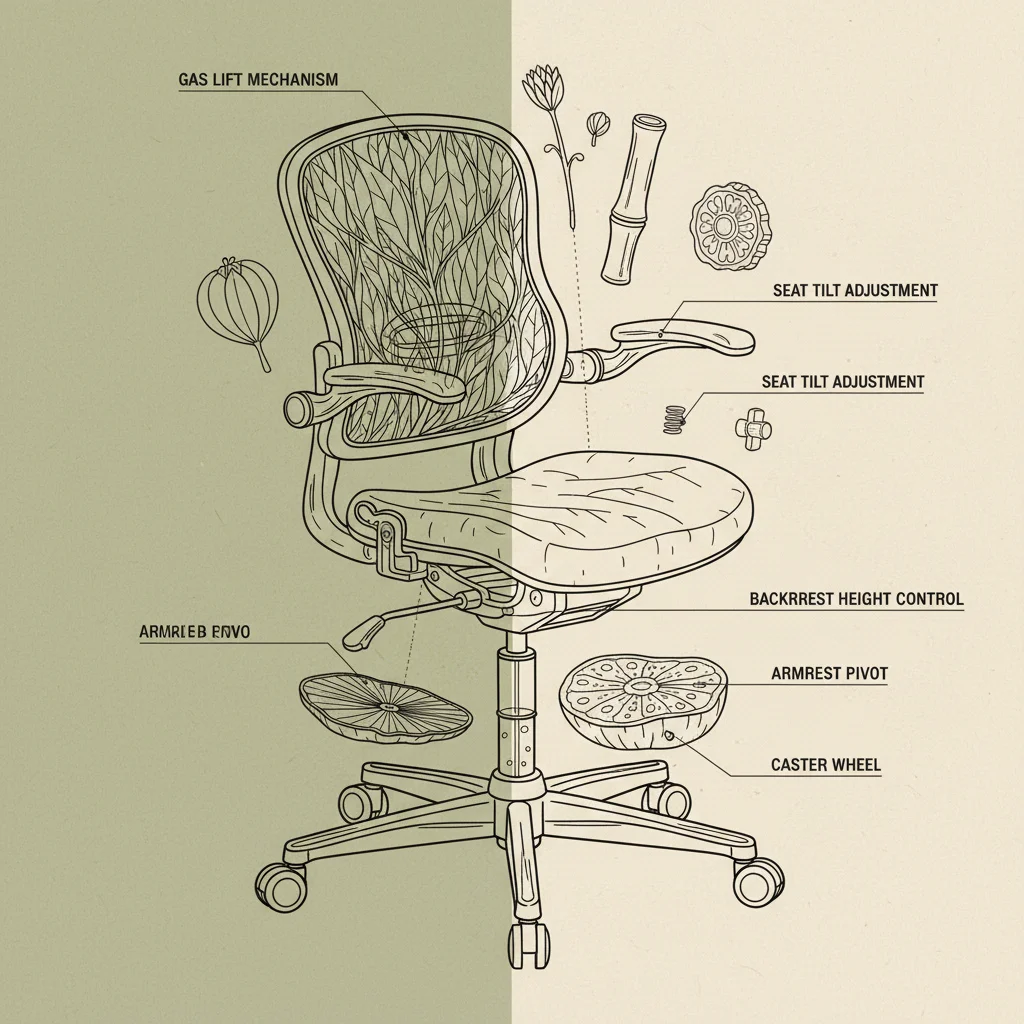
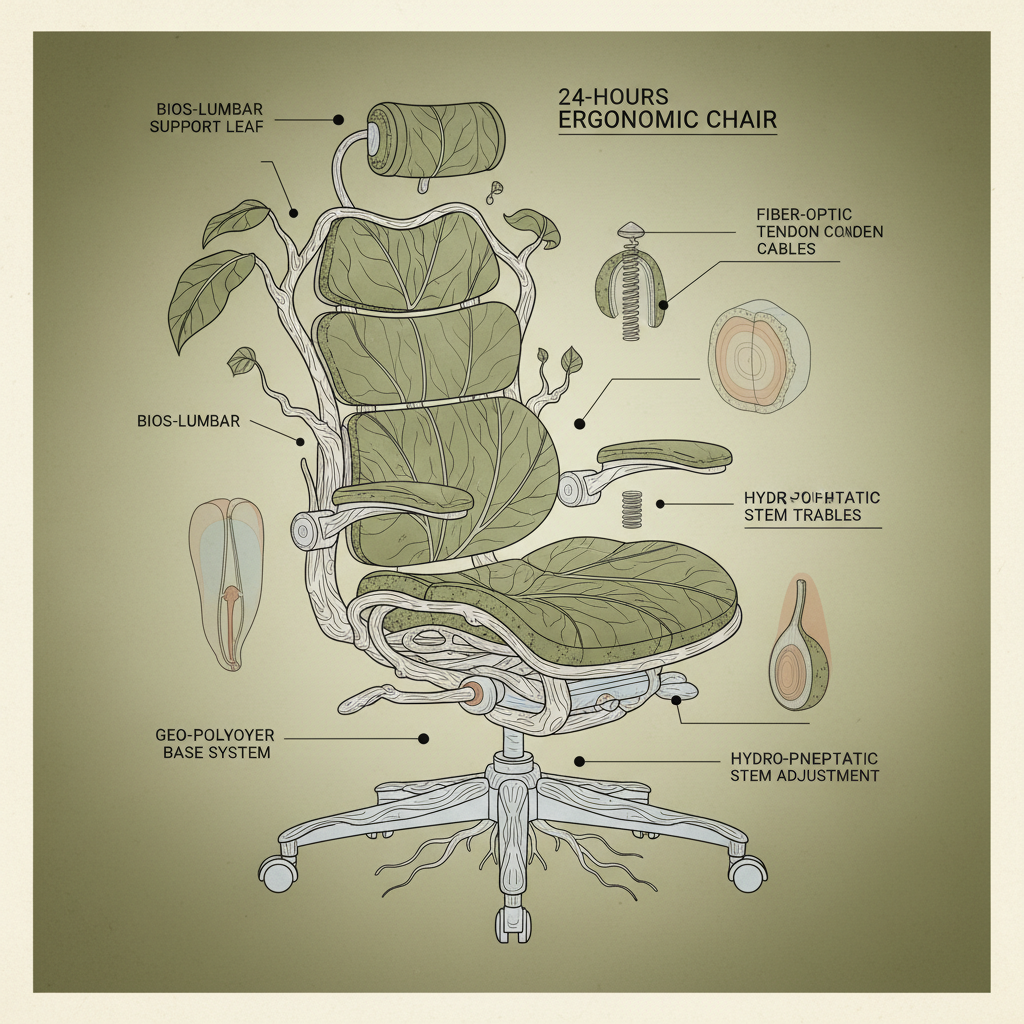
Several key components differentiate a 24 hour chair from its conventional counterparts. Firstly, a robust and durable frame is essential, often constructed from reinforced steel or high-strength alloys. This ensures the chair can withstand continuous use and support a wide range of body types. Secondly, advanced ergonomic adjustments are crucial – including adjustable lumbar support, headrests, armrests, seat depth, and height – allowing for personalized comfort.
Furthermore, the cushioning plays a vital role. High-density, molded foam provides consistent support and prevents pressure points from developing during prolonged sitting. Breathable fabrics, such as mesh or perforated leather, enhance airflow and regulate temperature, preventing discomfort and promoting sustained concentration.
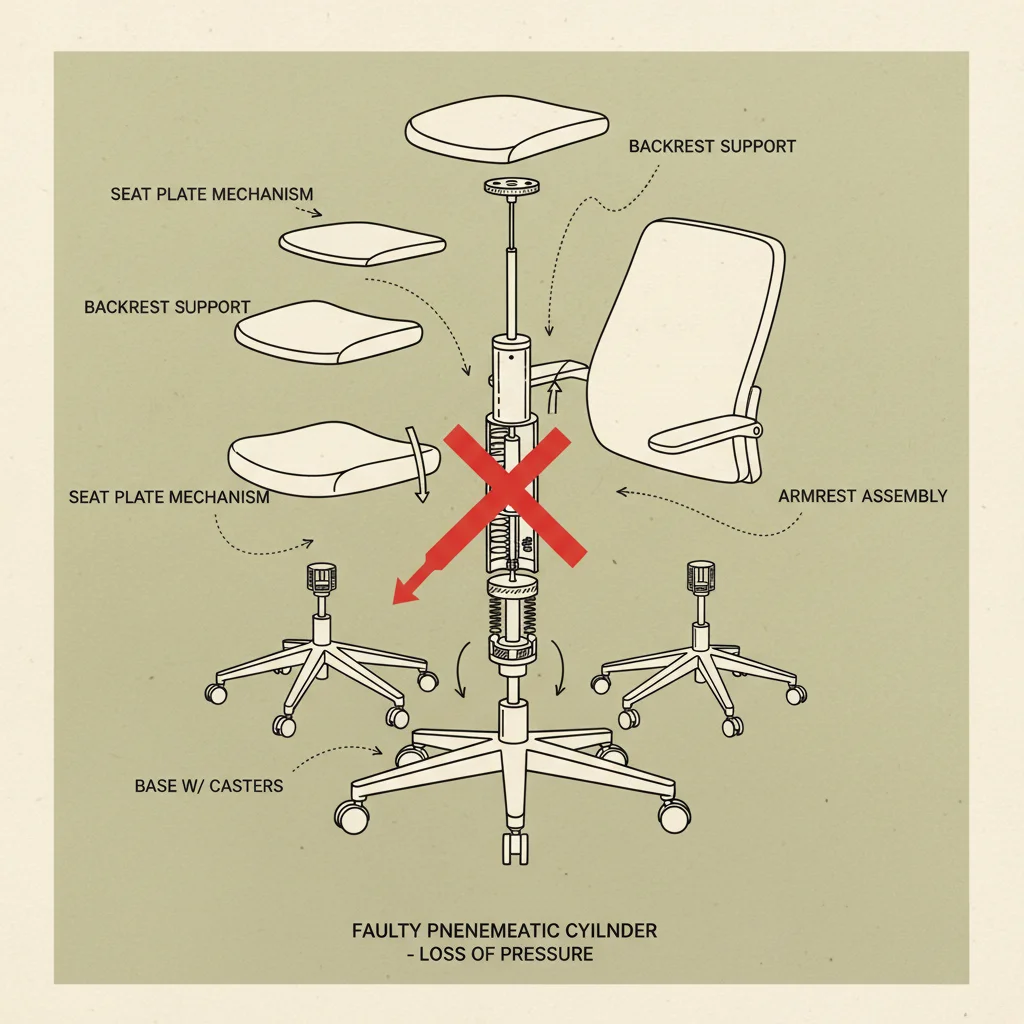
Finally, a five-star base with heavy-duty casters ensures stability and smooth maneuverability, even on various floor surfaces. The synchronized tilt mechanism, with tension control, allows users to recline comfortably while maintaining proper posture. These core elements collectively contribute to the unique capabilities of a true 24 hour chair.
The Significance of Ergonomic Design
Ergonomic design is at the heart of a 24 hour chair’s functionality. It’s not simply about adding features; it’s about understanding the biomechanics of the human body and creating a seating solution that supports natural movement and minimizes strain. Proper lumbar support is paramount, maintaining the natural curve of the spine and preventing lower back pain.
Adjustable armrests are also crucial, allowing users to maintain a neutral shoulder and elbow position, reducing the risk of carpal tunnel syndrome and other upper-body discomforts. A headrest provides support for the neck and head, reducing muscle fatigue and promoting proper posture, particularly during long periods of concentration. Ultimately, a well-designed ergonomic chair encourages dynamic sitting, prompting users to subtly shift their position throughout the day, promoting circulation and preventing stiffness.
The goal is to create a symbiotic relationship between the user and the chair, fostering a comfortable and supportive environment that enhances productivity and promotes long-term health. By prioritizing ergonomic principles, manufacturers can mitigate the risks associated with prolonged sitting and empower individuals to work comfortably and efficiently for extended periods.
Performance Metrics and Material Science
Assessing the performance of a 24 hour chair requires a focus on several key metrics. Durability is tested through rigorous cycle testing, simulating years of continuous use. Weight capacity is crucial, ensuring the chair can safely support users of various sizes. Adjustability range is another vital factor, determining how effectively the chair can be customized to individual needs.
Material science plays a significant role in enhancing these metrics. High-density molded foam, with a density exceeding 2.0 lbs/cubic foot, offers superior support and resilience. Breathable mesh fabrics, such as those made from polypropylene, promote airflow and regulate temperature. Reinforced steel frames, treated with corrosion-resistant coatings, ensure longevity and structural integrity.
24 Hour Chair Component Performance
Global Applications of 24 Hour Chairs
The applications of 24 hour chairs are diverse and span numerous industries. Call centers, where employees spend extended periods seated while handling customer interactions, are a prime example. Similarly, security control rooms, requiring constant vigilance and monitoring, benefit significantly from the sustained comfort and support these chairs provide.
In the healthcare sector, 24/7 monitoring stations and emergency dispatch centers rely heavily on personnel who need to remain alert and focused for long shifts. Logistics and transportation industries, with their round-the-clock operations, also represent a significant market. Furthermore, organizations involved in critical infrastructure management, such as power plants and telecommunications networks, utilize 24 hour chairs to ensure employee wellbeing and maintain operational efficiency.
Long-Term Benefits and Return on Investment
The benefits of investing in 24 hour chairs extend far beyond immediate comfort. Reduced instances of musculoskeletal disorders translate to lower healthcare costs and decreased absenteeism. Improved employee morale and productivity contribute to enhanced operational efficiency. A commitment to ergonomic wellbeing also projects a positive company image, attracting and retaining top talent.
From a financial perspective, the return on investment (ROI) can be substantial. While the initial cost of a 24 hour chair may be higher than a standard office chair, the long-term savings associated with reduced healthcare claims, decreased worker’s compensation expenses, and increased productivity often outweigh the upfront investment.
Moreover, prioritizing employee wellbeing fosters a culture of trust and respect, enhancing employee engagement and commitment. This, in turn, leads to improved quality of work and a more positive work environment.
Future Trends and Innovations in 24 Hour Chair Technology
The future of 24 hour chair technology is poised for significant innovation. Integration of smart sensors, capable of monitoring posture and providing real-time feedback, is a rapidly developing trend. Adaptive cushioning, utilizing shape-memory foam or gel technology, will further enhance personalized comfort.
Sustainable materials, such as recycled plastics and bio-based foams, are gaining prominence, reflecting a growing commitment to environmental responsibility. Furthermore, advancements in artificial intelligence (AI) will enable chairs to automatically adjust to individual user preferences, optimizing ergonomic support and promoting dynamic sitting.
The convergence of these technologies will result in a new generation of 24 hour chairs that are not only incredibly comfortable and supportive but also proactive in promoting employee wellbeing and enhancing productivity.
Core Considerations for 24 Hour Chair Selection
| User Weight Capacity |
Adjustability Features |
Material Durability |
Ergonomic Certification |
| 300 lbs - 350 lbs |
Lumbar support, armrests, headrest, seat depth |
Reinforced steel frame, high-density foam |
BIFMA x5.1 |
| 350 lbs - 400 lbs |
Full adjustability, synchronized tilt |
Corrosion-resistant coatings, breathable mesh |
ANSI/BIFMA |
| 400 lbs + |
Advanced ergonomic features, personalized settings |
High-strength alloys, long-lasting fabrics |
Ergonomic Product Certification |
| 250 lbs - 300 lbs |
Basic adjustability, limited support |
Standard foam, basic fabrics |
None |
| 300 lbs - 350 lbs |
Adjustable height and tilt |
Medium-density foam, durable upholstery |
Partial Certification |
| 350 lbs + |
Extensive adjustability, posture support |
Premium materials, robust construction |
Full Certification |
FAQS
A 24 hour chair is engineered for continuous use, offering significantly greater durability, adjustability, and ergonomic support than a standard office chair. It's built to withstand multiple users across different shifts and minimize the risk of fatigue and musculoskeletal strain during prolonged sitting. Key differences include a more robust frame, advanced lumbar support, adjustable armrests, and breathable fabrics designed for extended comfort.
The lifespan of a 24 hour chair depends on usage intensity and maintenance. With proper care and regular cleaning, a high-quality chair can last 5-10 years. However, frequent 24/7 use may necessitate replacement sooner. Signs that indicate a chair needs replacing include significant wear and tear, loss of cushioning, difficulty with adjustments, or structural instability.
Yes, absolutely! While designed for demanding professional environments, the ergonomic benefits of a 24 hour chair translate seamlessly to home use, especially for individuals who spend long hours working remotely or engaged in hobbies like gaming or crafting. The superior support and adjustability can significantly enhance comfort and reduce the risk of back pain.
Regular cleaning is crucial for maintaining a 24 hour chair's longevity. Use a mild soap and water solution to wipe down the frame and upholstery. For mesh fabrics, a vacuum with a brush attachment is effective. Periodically tighten any loose screws or bolts. Avoid using abrasive cleaners or harsh chemicals, as they can damage the materials.
The price of a 24 hour chair can vary significantly based on features, materials, and brand. Generally, expect to invest between $300 and $1500 for a high-quality chair. While the initial cost may be higher than a standard office chair, the long-term benefits – including improved employee wellbeing, reduced healthcare costs, and increased productivity – often justify the investment.
Most reputable manufacturers of 24 hour chairs offer warranties, typically ranging from 5 to 10 years. These warranties usually cover defects in materials and workmanship. It's essential to review the warranty terms carefully before purchasing to understand the coverage and limitations.
Conclusion
In conclusion, the 24 hour chair represents a significant advancement in ergonomic seating solutions. Its robust construction, advanced adjustability, and focus on sustained comfort make it an invaluable asset for industries demanding round-the-clock operations. Investing in these chairs isn’t merely about providing comfortable seating; it’s about prioritizing employee wellbeing, boosting productivity, and mitigating the risks associated with prolonged sitting.
Looking ahead, the integration of smart technologies and sustainable materials will further enhance the functionality and environmental responsibility of 24 hour chairs. By embracing innovation and prioritizing ergonomic principles, we can create work environments that support both human health and organizational success. Explore our range of 24 hour chairs today and experience the difference!