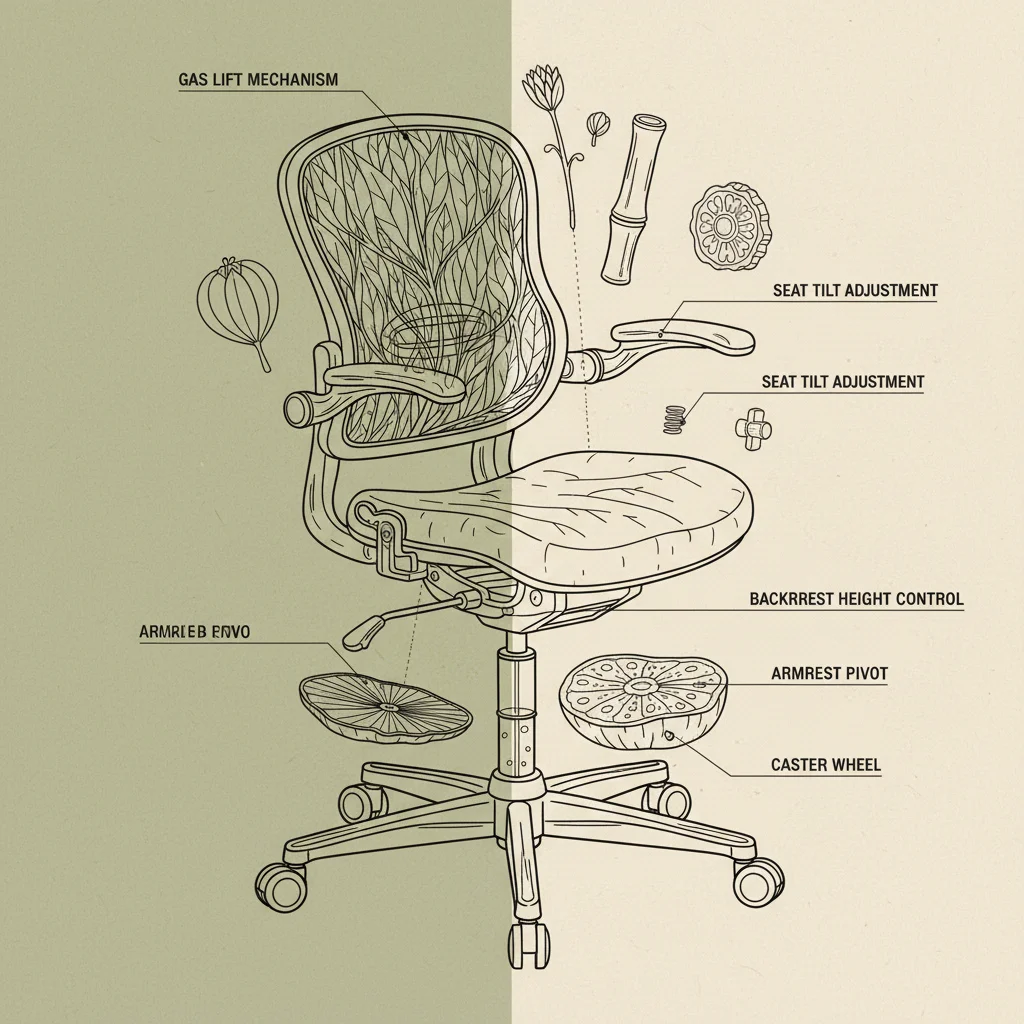
You know, I’ve been running around construction sites all year, getting my hands dirty with materials, talking to engineers… Honestly, the biggest trend I’m seeing right now is everyone scrambling for better ergonomics. It’s not just about making things look fancy anymore. Guys are spending 8, 10, 12 hours a day bent over something, and their backs are screaming. That’s where the adjustable drafting chair really comes into play, you see. It’s not a new concept, not at all, but people are finally realizing a good chair isn’t a luxury, it’s a necessity. Have you noticed how many "ergonomic" chairs out there feel…wrong? Like they were designed by someone who’s never actually *used* a chair? I swear, some of these designs, they look good in the catalog, but then you sit in them, and it’s all wrong. The lumbar support is in the wrong place, the armrests are too high, the seat pan is too deep. It's a minefield. And it’s not just the design, it’s the materials too. You can't skimp there. We’re using a lot of high-density molded foam for the seat – it’s got to hold its shape for years, even under heavy use. The fabric needs to be durable, breathable… I’ve seen some chairs with that cheap vinyl stuff, and it cracks and peels after a few months. Smells awful too, that vinyl. Anyway, I think good quality materials are essential.
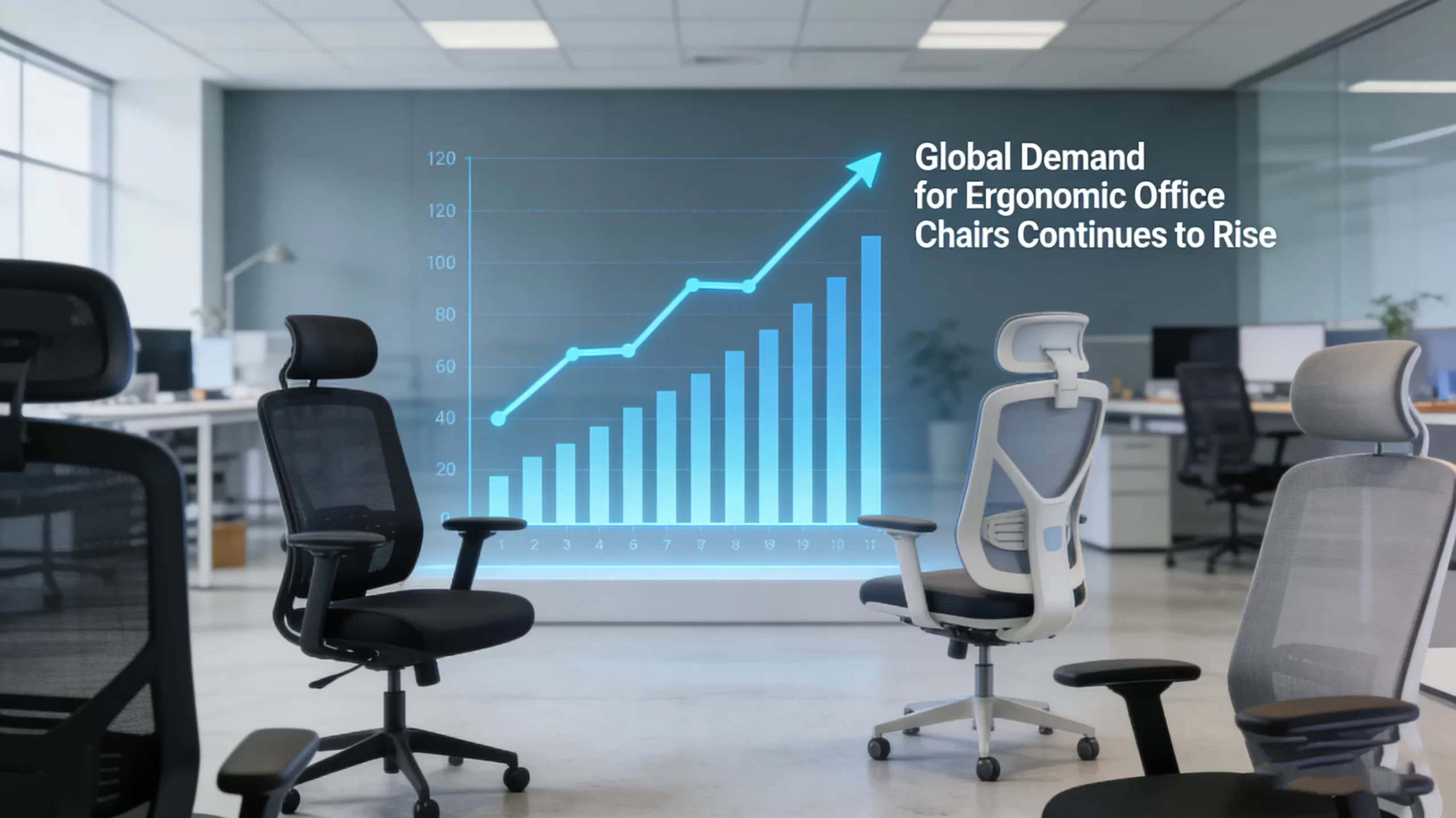
As global workplaces continue evolving toward hybrid and remote working models, the demand for ergonomic office chairs is experiencing steady growth across international markets.
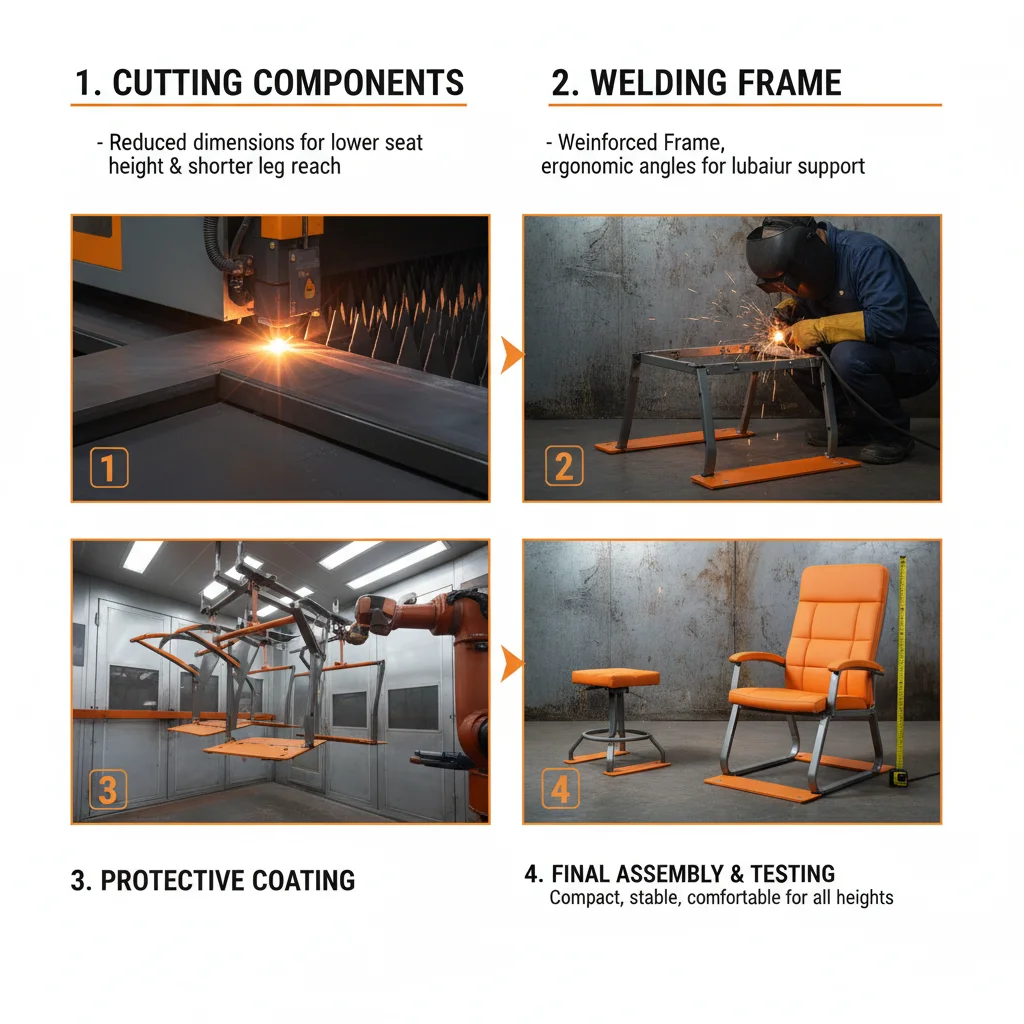
Finding comfortable and supportive seating can be a challenge for individuals of shorter stature. Standard chairs are often too high, leading to poor posture, discomfort, and even health issues. Luckily, there’s a growing market for chairs for short people designed to provide optimal ergonomic support. This article will explore the key considerations when selecting a chair, the benefits of proper fit, and recommendations for finding the perfect seating solution. Investing in the right chair can significantly improve your comfort and well-being, whether you're working from home, gaming, or simply relaxing. The primary issue with standard chairs is seat height. If your feet don’t comfortably rest flat on the floor, or you have to strain to reach the desk surface, it can lead to a cascade of problems. These include poor circulation, lower back pain, neck strain, and decreased productivity. Furthermore, a chair that’s too large can prevent proper lumbar support, causing discomfort and potentially long-term health complications.
The captains office chair has become a staple in modern workspaces, evolving from a simple seating solution to a symbol of leadership and comfort. Its design, functionality, and ergonomic benefits are increasingly recognized globally as crucial for productivity and well-being. Understanding the nuances of a quality captains office chair is paramount for businesses and individuals alike, contributing to healthier work habits and a more efficient workflow. A well-chosen chair isn't just furniture; it's an investment in human capital. The global market for office furniture, including captains office chair, is substantial and growing. According to Statista, the global office furniture market was valued at approximately $35.7 billion in 2023 and is projected to reach $44.1 billion by 2028. This growth is driven by factors such as increasing office spaces, remote work trends, and a rising awareness of ergonomic principles.