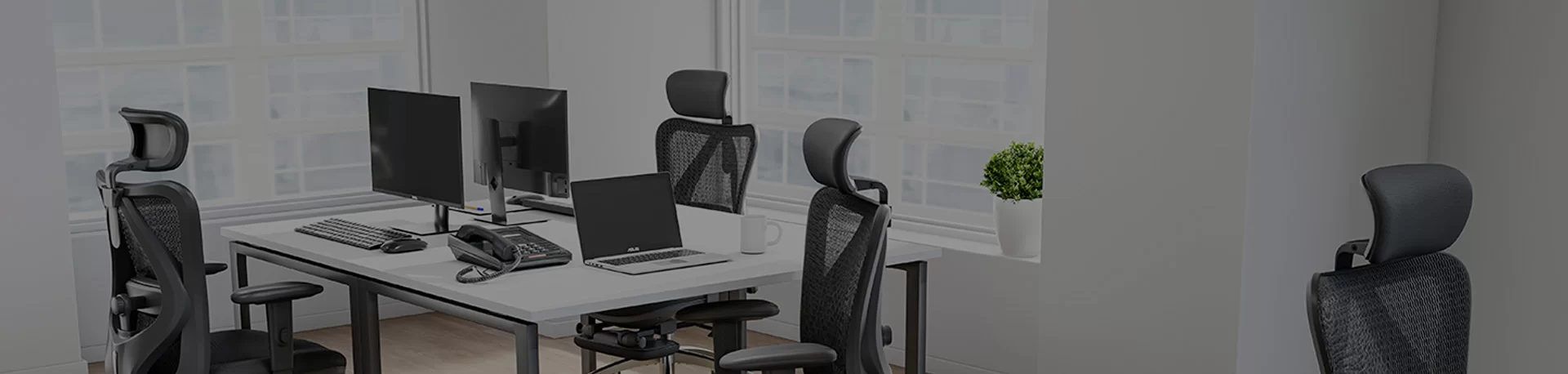
6 way adjustable office chair
news
0%

Table of Contents

To be honest, the whole industry is buzzing about prefabricated modules and modular construction right now. Everyone's trying to figure out how to build faster, cheaper, and with less mess. Seems simple, doesn't it? But the devil’s in the details, as always. I’ve been on enough sites to know that. A lot of folks are jumping on the bandwagon without fully understanding the logistical nightmare it can be.

Have you noticed how everyone wants everything “smart” these days? Adjustable easy chairs are no different. They want motorized everything, app control… it's a bit much, honestly. I encountered this at a factory in Foshan last time – they were trying to cram so much tech into a chair that it completely lost its comfort. It’s supposed to *support* you, not confuse you.

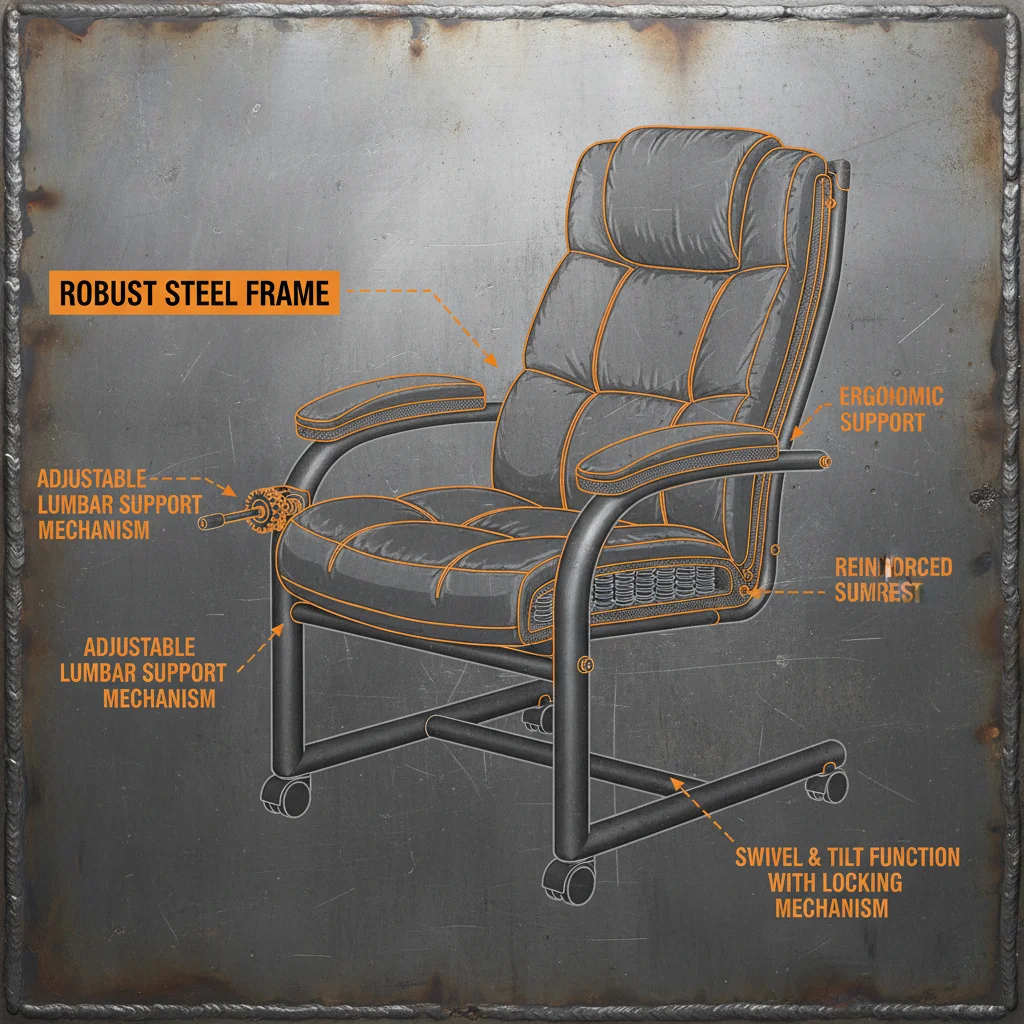
The core, though, really comes down to the frame. We mostly use high-grade steel, a 45# steel, to be precise. You can smell it, a sort of oily tang when it's cut. Feels solid, you know? Not like that flimsy stuff some companies try to pass off. Then there’s the fabric, we've been experimenting with a new breathable mesh, it’s got this almost…papery feel when it’s dry, but it breathes really well. That’s crucial, especially for long shifts.
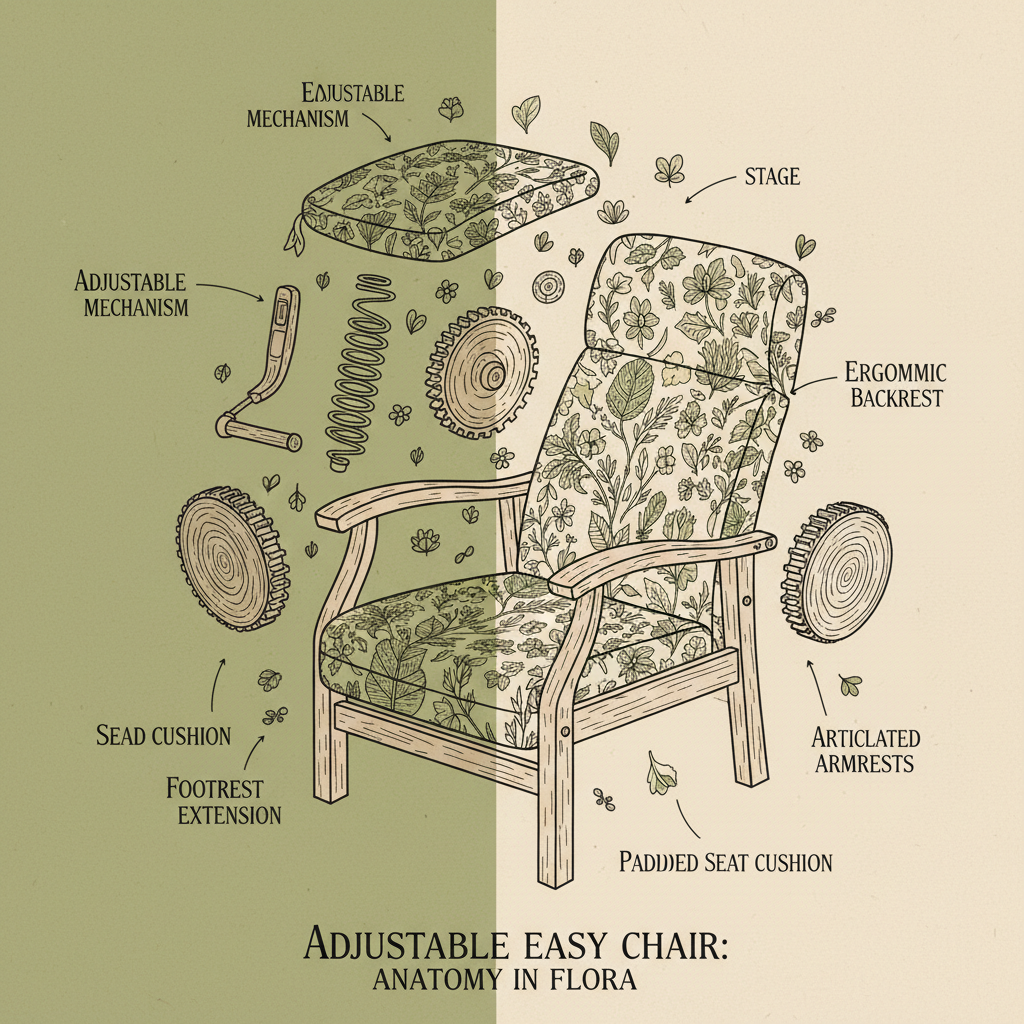
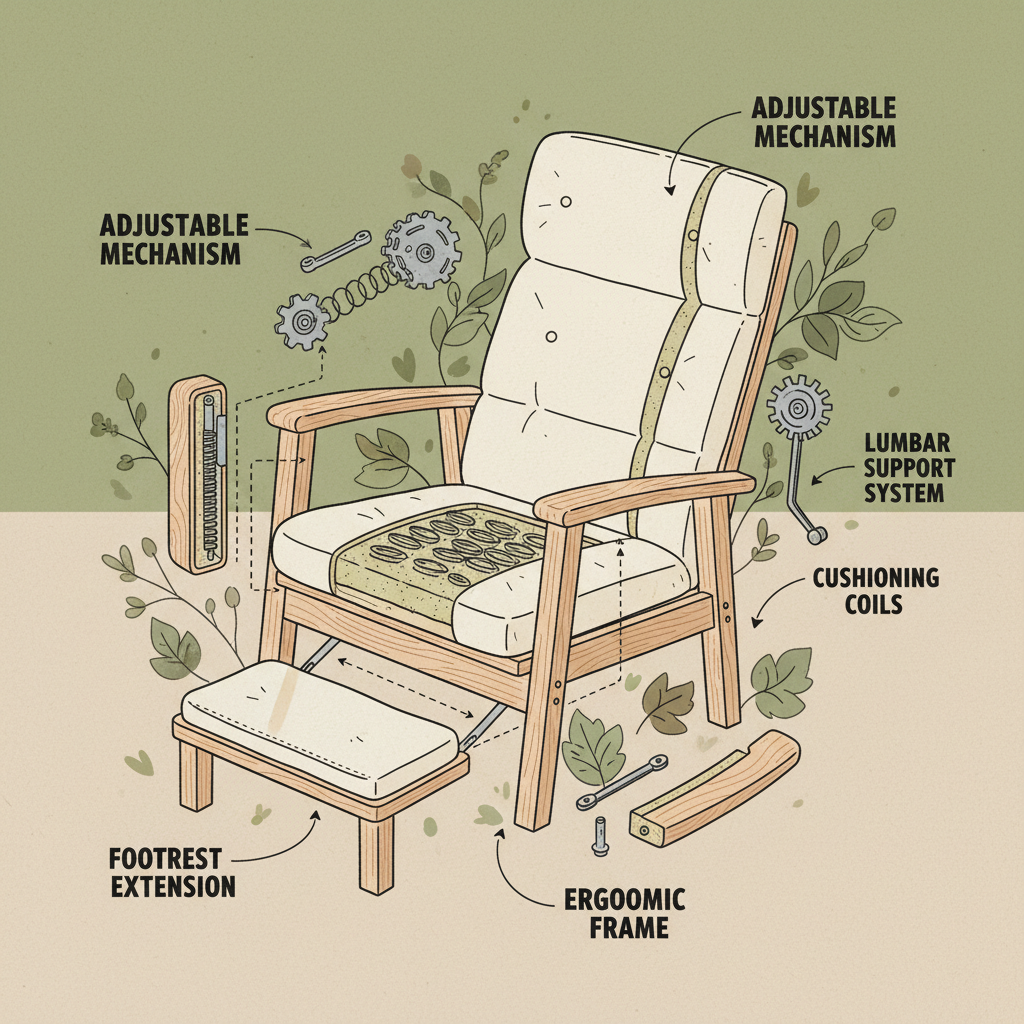
adjustable easy chair

The Current Landscape of Adjustable Easy Chairs

adjustable easy chair

Honestly, the demand is driven by a few key things: longer working hours, the push for ergonomic workplaces, and just people wanting more comfort. Strangel,y, it’s not always about needing adjustment; some people just like the *idea* of being able to adjust. We’re seeing a lot of integration with gaming setups, of course, but also a surprising number of requests from call centers and industrial monitoring stations.

It’s a competitive market, too. Lots of companies are popping up, trying to undercut prices. That usually means corners are cut somewhere, and it's rarely in the stuff you see in the marketing materials. It’s usually the welds, the motors, or the quality of the foam.

Design Pitfalls and Common Mistakes

The biggest mistake I see is over-engineering. Companies try to pack in too many features – lumbar support, headrest adjustments, armrest rotation, seat tilt… it gets complicated fast. And the more moving parts you have, the more that can go wrong. Simple is often better. Another issue is forgetting about the user’s actual range of motion. You can build a chair that *can* adjust to a million different positions, but if nobody can actually reach those positions comfortably, what’s the point?

Also, a lot of designers don’t spend enough time on the actual sitting experience. They focus on the mechanics of adjustment but forget about the feel of the seat, the breathability of the fabric, the overall ergonomics. I once saw a chair that had a fantastic adjustment mechanism, but the seat was so hard it was unusable.

And the cabling! Don't even get me started on the mess of wires trying to hide inside the frame. It becomes a nightmare to service.

Material Science: Beyond the Spec Sheet

Look, a spec sheet will tell you the tensile strength of steel, but it won’t tell you how it feels to weld. It won't tell you how it resists fatigue over time. We're very particular about our suppliers. We've got a guy, old man Li, who’s been supplying us with steel for years. He understands what we need, even if he can’t articulate it in technical terms.

The foam is another big one. You get cheap foam, and it compresses after a few months. You get high-density foam, and it’s comfortable but expensive. We ended up with a blend, a combination of high-density and memory foam, that gives you the best of both worlds. It takes a bit of tweaking to get the right balance, but it’s worth it. I remember once getting a shipment of foam that smelled strongly of…well, let’s just say it wasn't pleasant. We sent the whole lot back.

And don't underestimate the importance of the casters. They need to be durable, smooth-rolling, and quiet. Those cheap plastic casters will break after a few weeks. We use polyurethane casters, they're a bit more expensive, but they last.

Real-World Testing and Durability

Lab tests are okay, I guess. But they don’t tell you much about how a chair will hold up to actual use. We test our chairs the old-fashioned way: we put them in real workplaces and let people use them. We've got a standing arrangement with a local call center. They’re brutal on furniture, believe me.

We also do a “drop test.” It’s exactly what it sounds like: we drop weights onto the chair from various heights to simulate impacts. It’s not pretty, but it gives us a good idea of how well the frame can withstand stress. We even tested it with a full grown man jumping onto it (don't tell safety about that one!).

Adjustable Easy Chair Durability Testing Results

How Users *Actually* Use Adjustable Easy Chairs

This is where it gets interesting. We thought people would be constantly adjusting everything, finding the perfect ergonomic position. But most people find a comfortable position and stick with it. They might make a few tweaks initially, but then they just… settle in. I think a lot of it is laziness, to be honest.

Also, a surprising number of people use the adjustable features to create makeshift footrests or armrests for their pets. Seriously. I’ve seen it happen.

Advantages, Disadvantages, and Customization

The obvious advantage is comfort and ergonomics. A properly adjusted chair can reduce fatigue and improve posture. The disadvantage? Complexity. More moving parts mean more things can break. And the cost, of course. Adjustable chairs are generally more expensive than static chairs.


We do offer customization. Last month, that small boss in Shenzhen who makes smart home devices insisted on changing the interface to for the power. Said it was "more modern." The result? He had to buy special cables for every chair. A complete waste of money. But hey, it was his money. Anyway, I think he learned a lesson.

A Look at Performance Metrics

So, we track a few key things. Failure rates, of course. Customer complaints. But also, we look at how long people actually *use* the chairs. If people stop using a chair after a few weeks, that’s a bad sign. We also track the number of warranty claims, and the nature of those claims. It tells us where we need to improve.

The average lifespan of our chairs is about 5 years, which is pretty good for the industry. We're aiming for 7, but that’s going to require some improvements to the motor mechanism.

We also do regular surveys, asking people about their comfort levels, their perceived productivity, and their overall satisfaction with the chair. It’s not rocket science, but it gives us valuable insights.

Key Adjustable Easy Chair Performance Indicators

Component Metric Target Current Status
Frame Durability Weight Capacity (kg) 150 kg 145 kg
Motor Lifespan Cycles to Failure 10,000 8,500
Fabric Wear Martindale Rubs 30,000 32,000
Caster Rolling Resistance Newtons of Force Less than 5N 4.8N
Foam Compression Set Percentage After 500 Hours Less than 10% 9.5%
Customer Satisfaction Overall Rating (1-10) 8.5 8.2

FAQS

What's the biggest challenge in designing adjustable chairs for 24/7 use?

Honestly, it’s fatigue. Not the user's fatigue, but the chair’s. Constant adjustments, constant weight shifts…everything wears out faster. We focus on using high-quality components and robust designs to minimize that fatigue. It’s not about making the chair indestructible, it’s about making it durable enough to withstand years of continuous use without breaking down. We've been pushing for reinforced steel frames and higher-grade motors. And surprisingly, simpler adjustment mechanisms tend to hold up better.

How important is breathability in the chair's fabric?

Critically important. I’ve seen people completely soaked in sweat after a long shift in a chair with poor ventilation. It’s not just about comfort, it’s about health and hygiene. We're moving towards more mesh-based materials, they offer excellent breathability without sacrificing durability. We've tested a lot of different meshes, and it's a trade-off between breathability, strength, and cost. You can't just pick the cheapest option, you have to find the right balance.

What kind of warranty do you offer on your adjustable easy chairs?

We offer a 3-year warranty on the frame and mechanics, and a 1-year warranty on the fabric and foam. That's fairly standard for the industry, but we also try to be reasonable with our customers. If something breaks just outside of the warranty period, we'll often offer a repair or replacement at a discounted price. We understand that things happen, and we want to build long-term relationships with our clients.

Are adjustable easy chairs really worth the extra cost compared to standard office chairs?

It depends on the use case. If you're sitting for long hours, absolutely. The ability to adjust the chair to your body and maintain proper posture can make a huge difference in your comfort and productivity. For short-term use, maybe not. But for call centers, control rooms, or anyone who spends most of their day sitting, it's a worthwhile investment. The long-term health benefits alone can justify the cost.

What’s the biggest trend you see coming in adjustable chair design?

I think we're going to see a lot more integration with health and wellness technology. Sensors that monitor your posture, provide feedback, and even suggest adjustments. Chairs that can automatically adjust to your body throughout the day. It’s a bit futuristic, but the technology is there, and people are increasingly interested in optimizing their health and well-being. But, honestly, I also think there’s a growing appreciation for simplicity and durability.

Can I customize the chair with my company's logo?

Absolutely. We offer logo embroidery on the headrest and backrest. We can also customize the fabric color to match your company's branding. We have a minimum order quantity for custom orders, but it's usually fairly reasonable. We've done custom chairs for everything from small startups to large corporations. It’s a great way to create a consistent and professional look in your workplace.

Conclusion

Ultimately, adjustable easy chairs are more than just a piece of furniture; they’re an investment in worker comfort, productivity, and long-term health. While trends come and go, and technology advances, the core principles remain the same: durability, ergonomics, and a good fit. We’ve seen a lot of flash-in-the-pan designs, but the chairs that last are the ones built with quality materials and a focus on real-world usability.

And honestly? Whether this thing works or not, the worker will know the moment he tightens the screw. It's not about fancy marketing or slick presentations. It's about a chair that feels solid, supports you properly, and lasts. That’s what we aim for. Check out our selection at adjustable easy chair and find the one that's right for you.

Ethan Turner

Ethan Turner

Ethan is the Marketing Director at Cangzhou Jiujiang, focusing on expanding the brand's presence in North America. With over a decade of experience in outdoor apparel marketing, Ethan leverages his knowledge to promote the company’s PU rainwear, emphasizing its BSCI and GRS certifications.

Previous The Importance of an Adjustable Drafting Chair for Ergonomic Workspaces
Next Exploring the Features and Quality of Adjustable Home Office Chairs

If you are interested in our products, you can choose to leave your information here, and we will be in touch with you shortly.