Honestly, things are moving fast these days. Everyone's talking about prefabrication, modular designs… trying to cut down on site waste, you know? But a lot of these designs look good on paper, really clean, but then you get on site and realize they haven't thought about how a guy with gloves and a muddy boot is actually going to use it. It's frustrating, I tell ya.
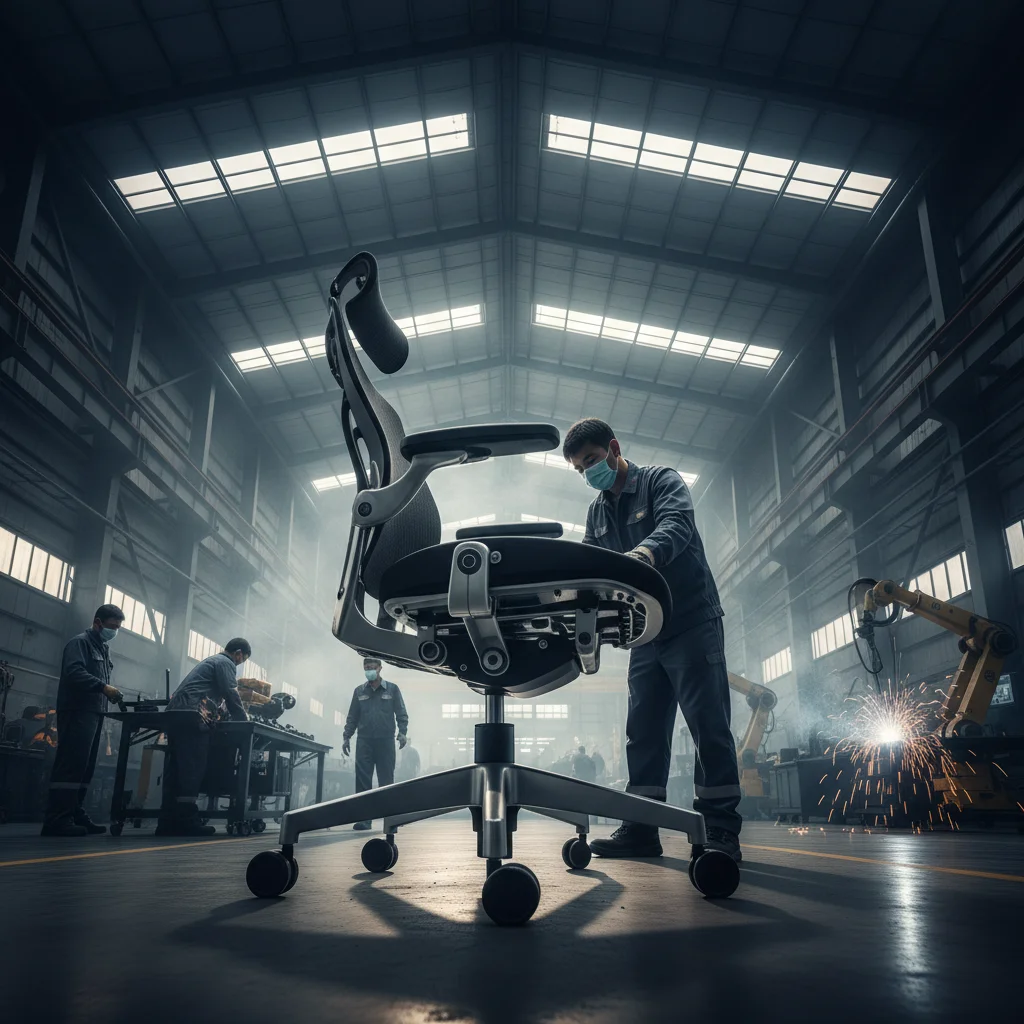
And the materials...that’s a whole other story. You see so much cheap stuff coming in, it's scary. I was at a factory in Ningbo last time, and the smell of that PVC… whew. It almost knocked me over. You gotta know what you're dealing with.
It’s funny, engineers always want to talk about yield strength and tensile whatever, but I'm more interested in how it feels in your hands. Is it going to splinter? Is it going to crack the first time you put a little pressure on it? That’s what matters out here.
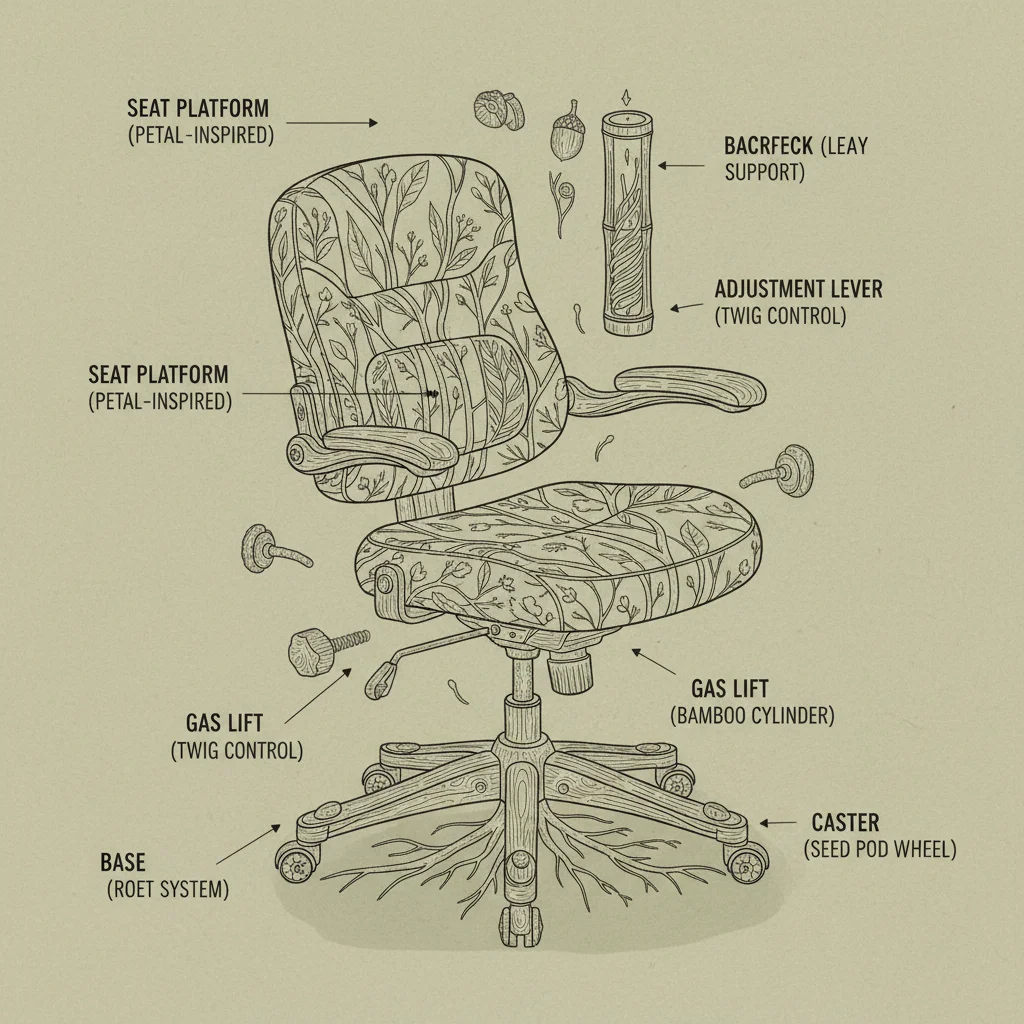
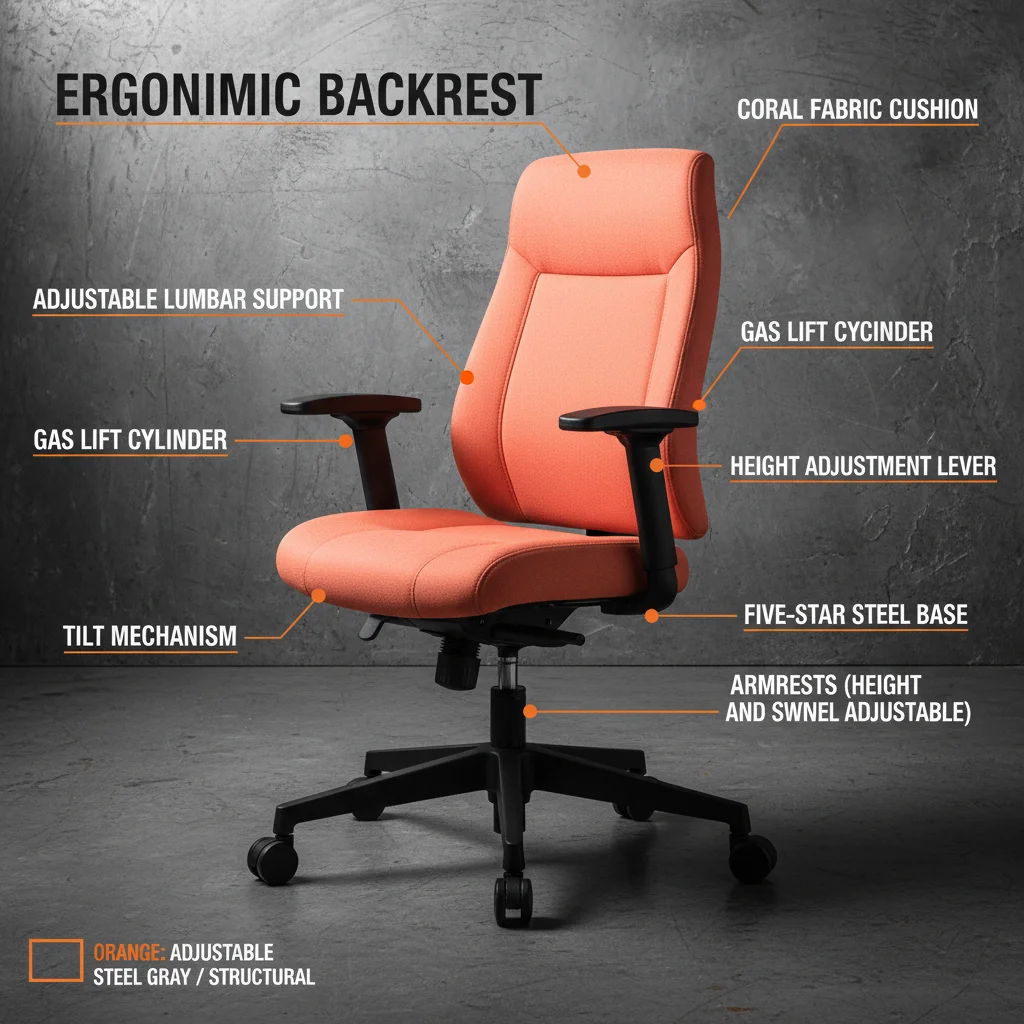
Have you noticed how everyone’s obsessed with “ergonomics” now? It's good, I guess, but sometimes it feels like they’re designing for robots, not people. These bayside chair models… they're moving towards more adjustable features, sure. More lumbar support, adjustable armrests, the whole nine yards. But then you get to a job site and nobody actually adjusts anything. They just sit on it.
The demand’s up, that’s for sure. With all the construction going on, especially in the residential sector, everyone needs a good chair. And surprisingly, the industrial market is picking up too. Folks are starting to realize that a comfortable worker is a more productive worker. Though getting them to admit that is another story.
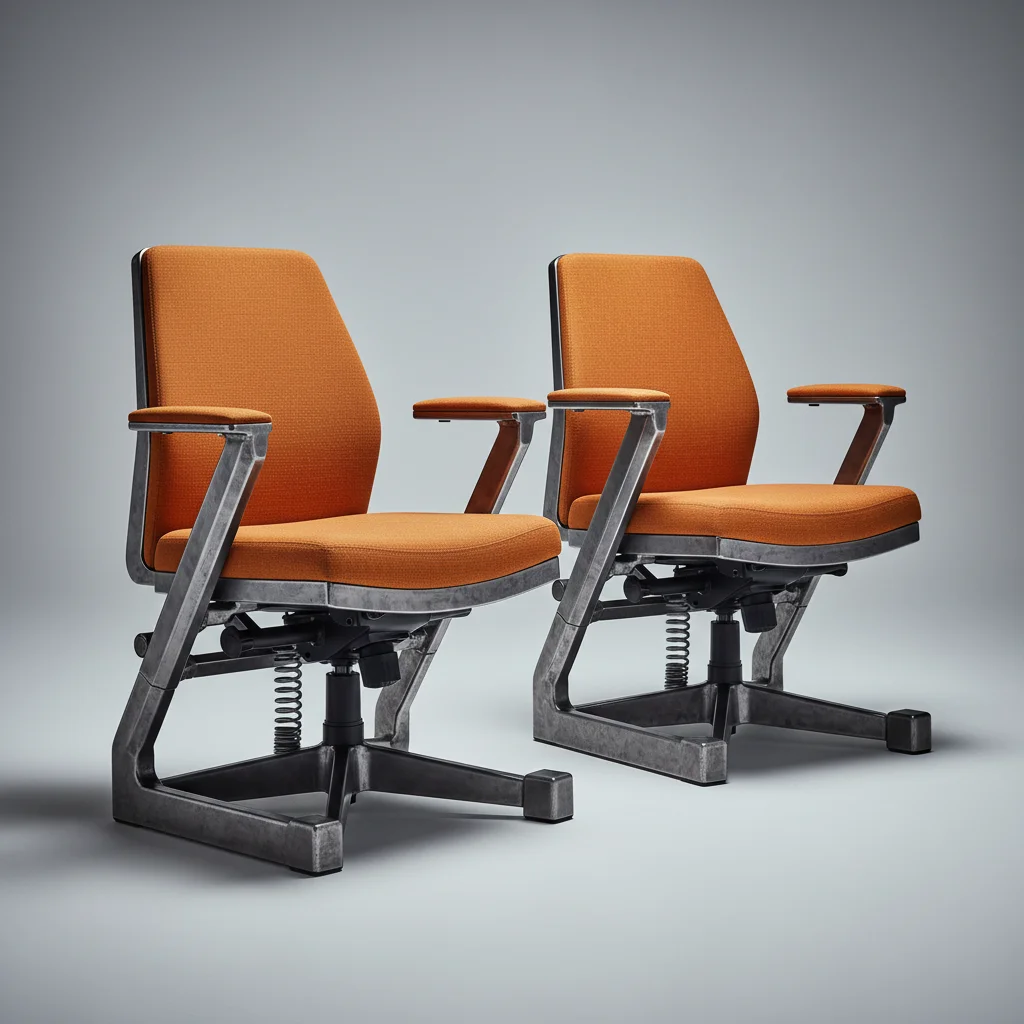
A bayside chair for outdoor construction needs to be weather-resistant—think UV protection, rust-proofing, and the ability to withstand rain. Durability is key, as it’ll be subjected to rough handling. A solid frame, ideally steel or a robust composite, combined with a waterproof and easily cleanable fabric, is essential. It's not about comfort as much as it is about surviving the elements and the day-to-day abuse.
Absolutely critical. Construction workers carry tools and materials all day, and they're often fatigued. A chair with a low weight capacity is a safety hazard. I'd recommend a minimum of 300lbs, but ideally 350lbs or higher, to accommodate larger individuals and potential added weight from tools or gear. You want something that feels stable and won't buckle under pressure. It's not worth saving a few bucks on a chair that could lead to an injury.
Honestly? It depends. They can be, but it's not a magic bullet. Workers are more likely to use a chair if it’s comfortable, and a good ergonomic design can reduce fatigue and back pain. But you need to make sure they're actually adjusted correctly and that the design doesn’t interfere with their work. A super-fancy chair that’s awkward to move or get in and out of isn’t going to be used. A simple, supportive design is often the best bet.
It varies hugely based on quality and how it's treated. A cheap chair might last a few months, maybe a year if you’re lucky. A well-built chair, using durable materials and good construction, should last at least 3-5 years, and potentially much longer. Regular maintenance – cleaning, tightening bolts, replacing worn parts – can significantly extend its lifespan. And honestly, if it's constantly being abused, even the best chair will eventually give up.
This is huge. Complicated mechanisms and proprietary parts are a nightmare. You want a chair that can be repaired with basic tools – a wrench, a screwdriver, maybe a hammer. If a part breaks, it should be easy to replace. Welded frames are generally more durable, but harder to fix if they crack. Bolted connections are easier to repair, but can come loose over time. Keep it simple, folks.
Weight and stackability are the big ones. You don't want to be lugging around heavy, bulky chairs all day. Chairs that stack neatly save a lot of space in the truck. Look for chairs with built-in handles for easier carrying. And consider the material – are they likely to scratch or damage other equipment during transport? A protective cover can be a good investment.
So, ultimately, a good bayside chair isn't about fancy features or complex designs. It's about practicality, durability, and comfort. It’s about making a tough job a little bit easier for the guys and girls on the ground. It's about choosing materials that can withstand the abuse of a construction site and a design that prioritizes function over form.
Look, I've seen a lot of chairs come and go. And I'll tell you this: whether this thing works or not, the worker will know the moment he tightens the screw. That’s the real test. If he can sit on it all day and not be in pain, then it's a good chair. Check out our selection at bayside chair to find the perfect fit for your team.

If you are interested in our products, you can choose to leave your information here, and we will be in touch with you shortly.