Chair rollers, seemingly simple components, are foundational to modern mobility and ergonomic design. From office chairs to industrial equipment, these small but critical elements enable efficient movement, reduce strain, and enhance productivity. Understanding the nuances of chair rollers—their materials, construction, and application—is essential for anyone involved in furniture manufacturing, workplace design, or industrial engineering. The global demand for effective and durable chair rollers continues to grow alongside trends in remote work and increasingly mobile industrial operations.
The significance of chair rollers extends beyond mere convenience. They directly impact user health and safety, minimizing the risk of musculoskeletal disorders associated with prolonged sitting and repetitive movements. Moreover, advancements in roller technology contribute to quieter work environments and reduced floor damage. This makes informed selection and maintenance of chair rollers a crucial aspect of sustainable and responsible business practices.
Investing in high-quality chair rollers isn’t just about comfort; it’s about investing in well-being, efficiency, and longevity – both for the equipment they support and the people who use it. Properly selected chair rollers can significantly reduce operational costs by minimizing maintenance and replacement frequency.

The Fundamental Role of Chair Rollers
Chair rollers facilitate effortless movement, a seemingly simple function that dramatically impacts user experience and productivity. Without reliable rollers, chairs become static obstacles, requiring users to expend energy simply to reposition themselves. This constant small exertion contributes to fatigue and potential discomfort over time. The right set of chair rollers transforms a chair into a dynamic tool that supports natural movement throughout the workday.
Furthermore, the quality of chair rollers directly affects floor protection. Inferior rollers can scratch, mar, or otherwise damage flooring surfaces, leading to costly repairs or replacements. Choosing rollers designed for specific floor types (carpet, hardwood, tile) is crucial for preserving the aesthetic and structural integrity of interior spaces. Using the wrong type of chair rollers can invalidate warranties on flooring materials.
Historical Context and Global Relevance
The concept of mobility incorporated into seating dates back centuries, with early iterations utilizing rudimentary wooden or metal wheels. However, the modern chair roller, as we know it, emerged in the mid-20th century alongside the rise of the office and the increasing focus on ergonomics. The invention of polyurethane rollers in the 1960s marked a significant turning point, offering a quieter, smoother, and more floor-friendly alternative to traditional materials.
Today, the global market for chair rollers is substantial and continuously expanding, driven by factors such as population growth, urbanization, and the increasing prevalence of sedentary work styles. According to recent industry reports, the office furniture market—a major driver of chair roller demand—is projected to reach $35 billion by 2027. This translates into a consistent need for high-quality, durable, and adaptable chair rollers across various sectors.
International Organization for Standardization (ISO) standards play a vital role in ensuring the quality and safety of chair rollers, dictating requirements for load capacity, durability, and material composition. Adherence to these standards is particularly important for manufacturers exporting to international markets.
Defining Chair Roller Functionality
At its core, a chair roller’s function is to minimize friction between the chair base and the floor surface, allowing for smooth and effortless movement. This seemingly simple task requires a carefully engineered combination of materials, bearing systems, and structural design. A well-designed chair roller not only facilitates movement but also distributes weight evenly, preventing concentrated stress on the floor and the chair itself.
The effectiveness of a chair roller depends heavily on its compatibility with the floor type. Hard floor rollers utilize materials like polyurethane or nylon to provide a smooth glide without scratching or marking surfaces. Conversely, carpet rollers typically feature a textured surface or softer material to grip the carpet fibers and prevent sinking. Understanding these distinctions is crucial for optimal performance.
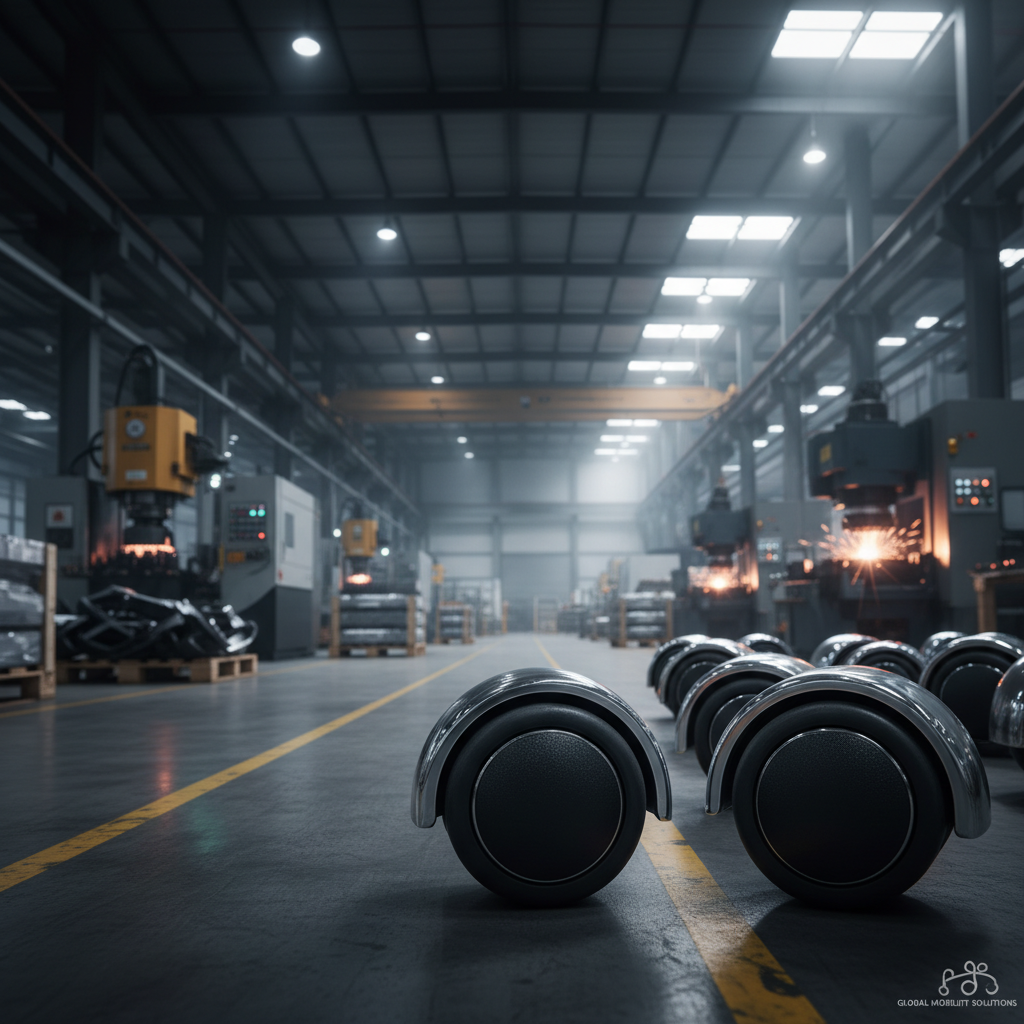
The construction of a chair roller is equally important. Key components include the wheel core, the bearing system, and the outer tread. High-quality bearings reduce friction and ensure smooth rotation, while a durable tread provides resistance to wear and tear. The selection of appropriate materials is critical for longevity and performance, particularly in demanding environments.
Core Components and Performance Factors
Several key factors determine the performance and durability of chair rollers. Firstly, Material Composition significantly impacts wear resistance, noise levels, and floor protection. Polyurethane is a popular choice for its quiet operation and ability to protect delicate flooring, while nylon offers high strength and durability. Secondly, Bearing Quality is crucial for smooth, effortless movement. Precision bearings minimize friction and extend the lifespan of the roller.
Thirdly, Wheel Diameter affects maneuverability and the ability to roll over obstacles. Larger diameter wheels generally offer easier movement, particularly on thicker carpets. Fourthly, Load Capacity dictates the maximum weight the roller can safely support. Exceeding the load capacity can lead to premature failure and potential safety hazards.
Chair Roller Performance Comparison
Real-World Applications of Chair Rollers
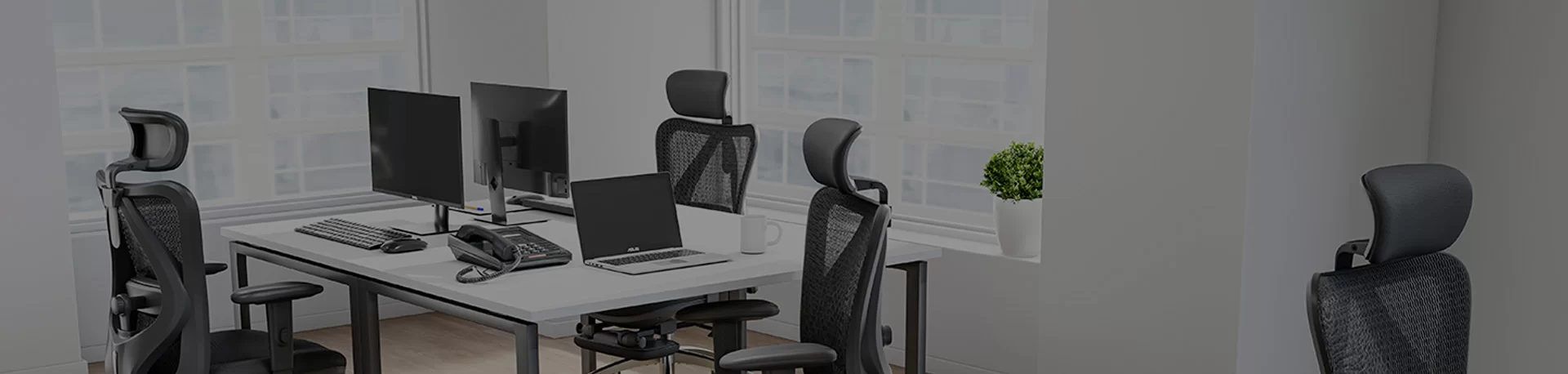
Chair rollers aren't limited to office environments. They are integral components in a vast range of applications. In healthcare facilities, medical chairs equipped with specialized chair rollers facilitate patient mobility and comfort during procedures. In industrial settings, heavy-duty rollers support the movement of specialized equipment and workstations.
Moreover, chair rollers are commonly found in educational institutions, providing flexibility and adaptability in classrooms and laboratories. They are also increasingly integrated into gaming chairs, enhancing the immersive experience for gamers. The versatility of chair rollers makes them a ubiquitous component of modern life.
Advantages and Long-Term Value Proposition
Investing in high-quality chair rollers offers a multitude of advantages. Firstly, they enhance user comfort and productivity by facilitating effortless movement. Secondly, they protect flooring surfaces, reducing the risk of damage and associated repair costs. Thirdly, durable rollers minimize the need for frequent replacements, lowering operational expenses over the long term.
Beyond the practical benefits, chair rollers contribute to a more ergonomic and aesthetically pleasing workspace. Quiet operation reduces noise pollution, while a smooth glide promotes a sense of ease and well-being. These factors contribute to a positive work environment and improved employee morale. The long-term value derived from premium chair rollers outweighs the initial investment.
Future Trends and Technological Advancements
The future of chair rollers is poised for innovation. Advancements in materials science are leading to the development of even more durable, lightweight, and eco-friendly roller materials. Researchers are exploring the use of bio-based polymers and recycled materials to reduce the environmental impact of chair roller manufacturing.
Furthermore, smart chair rollers equipped with sensors and connectivity features are emerging. These "intelligent" rollers can provide data on usage patterns, weight distribution, and potential wear and tear, enabling proactive maintenance and preventing failures. Integration with ergonomic software can also personalize chair settings and optimize user comfort.
The trend toward sustainable manufacturing practices is driving demand for chair rollers with extended lifespans and reduced waste. Manufacturers are increasingly focused on designing rollers that are easily disassembled and recycled at the end of their useful life.
Key Performance Indicators for Chair Roller Innovation
| Material Sustainability |
Durability Score (1-10) |
Noise Reduction (dB) |
Cost-Effectiveness Index |
| Polyurethane |
8 |
55 |
0.7 |
| Nylon |
9 |
60 |
0.6 |
| Bio-Based Polymer |
7 |
50 |
0.8 |
| Recycled Polypropylene |
6 |
58 |
0.9 |
| Carbon Fiber Reinforced Polymer |
10 |
45 |
0.5 |
| Aluminum Alloy |
7 |
65 |
0.4 |
FAQS
For hardwood floors, polyurethane chair rollers are generally recommended. They offer a softer, more pliable surface that minimizes the risk of scratching or denting. Avoid hard plastic or metal rollers, as these can easily damage the finish. Look for rollers specifically labeled as "hard floor" or "wood floor" compatible, and ensure they are regularly cleaned to prevent debris from causing scratches.
When selecting chair rollers for carpet, consider the pile height and density. For low-pile carpets, standard carpet rollers with a slightly textured surface will work well. For high-pile or plush carpets, you'll need wider rollers with a more aggressive tread pattern to prevent sinking. Dual-wheel rollers can also offer better performance on carpets, distributing weight more evenly and improving mobility.
The lifespan of chair rollers depends on usage frequency, floor type, and the quality of the rollers themselves. As a general guideline, inspect your rollers every 6-12 months for signs of wear and tear, such as cracks, chips, or difficulty rolling. Replace rollers as soon as you notice any of these issues to prevent damage to your floors and ensure continued smooth movement.
While some rollers are marketed as “universal,” it’s generally not recommended to use the same rollers on both carpet and hard floors. Carpet rollers often have a textured surface that can scratch hard floors, while hard floor rollers may sink into thick carpets. For optimal performance and floor protection, it’s best to use rollers specifically designed for each surface type. Alternatively, you can purchase interchangeable roller blades.
Regular cleaning is essential for maintaining the performance and longevity of chair rollers. Use a vacuum cleaner with a brush attachment to remove dust, hair, and debris. For stubborn dirt or grime, dampen a cloth with mild soap and water and wipe the rollers clean. Ensure the rollers are completely dry before using the chair to prevent corrosion.
Heavy-duty chair rollers are designed to support higher weight capacities and withstand more rigorous use. They typically feature stronger wheel cores, reinforced bearings, and more durable tread materials. Standard rollers are suitable for most office chairs and general use, while heavy-duty rollers are ideal for larger individuals, industrial settings, or chairs that are used frequently throughout the day.
Conclusion
In conclusion, chair rollers are far more than mere accessories; they are essential components that impact comfort, productivity, and overall well-being. From their historical evolution to the latest technological advancements, these small yet significant devices continue to play a crucial role in shaping modern workspaces and beyond. Choosing the right chair rollers—considering factors like material, bearing quality, and floor type—is a key investment in long-term efficiency and sustainability.
Looking ahead, we can anticipate further innovation in chair roller technology, driven by the demand for eco-friendly materials, enhanced ergonomics, and smart functionalities. By embracing these advancements, we can create more comfortable, efficient, and sustainable environments for work and life. Visit our website at CDGamingFurniture to explore a wide selection of high-quality chair rollers and accessories.