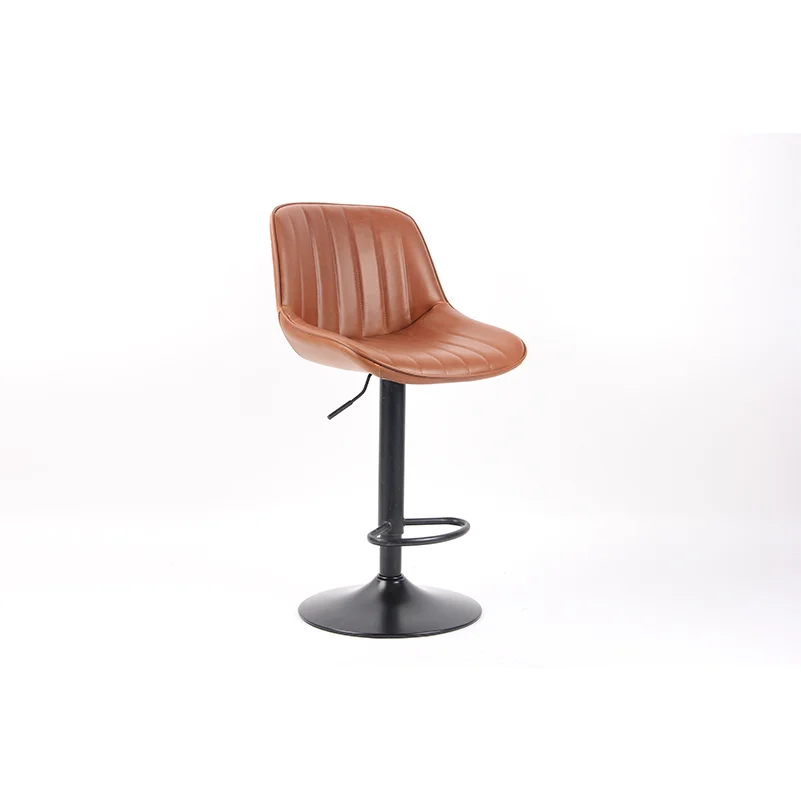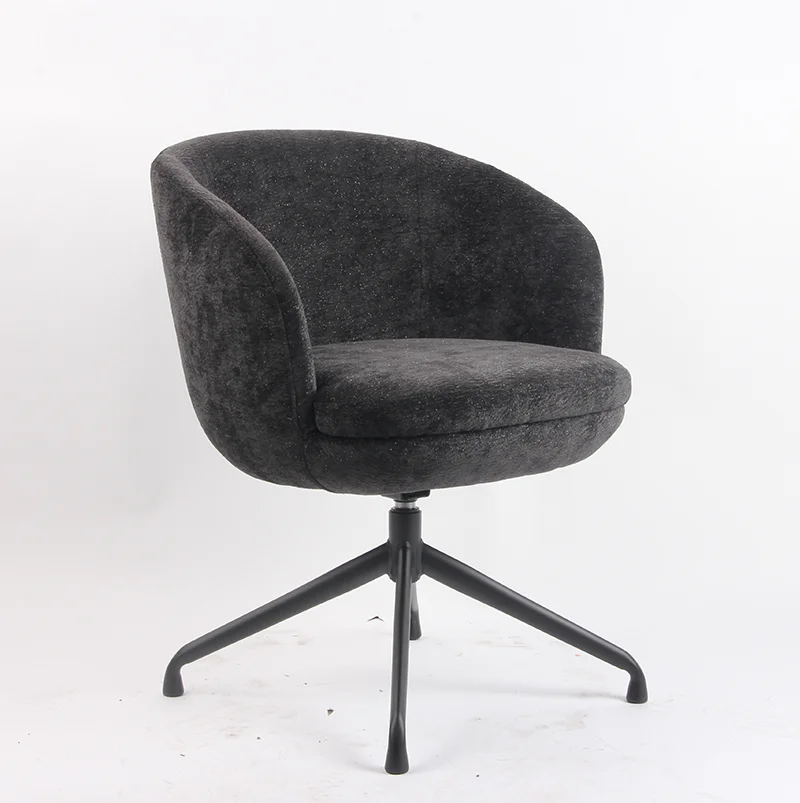
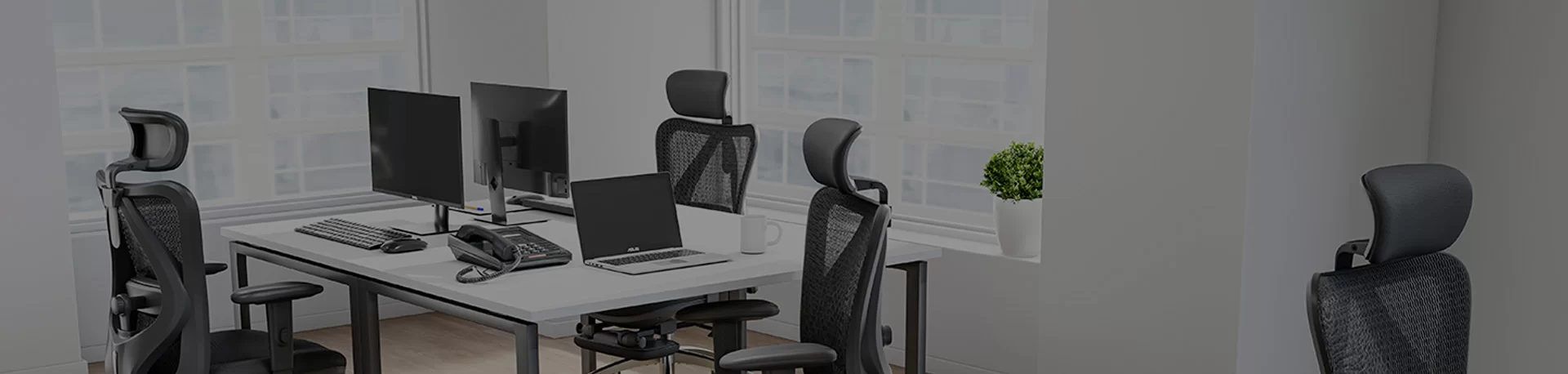
Selecting the right chairs for offices is crucial for employee well-being and productivity. A comfortable and supportive chair can significantly reduce fatigue and improve focus. This article will explore the different types of office chairs, key features to consider, and how to choose the best option for your workspace. Investing in quality office seating is an investment in your team’s success. We will delve into the ergonomic benefits and the latest trends in office chair design.
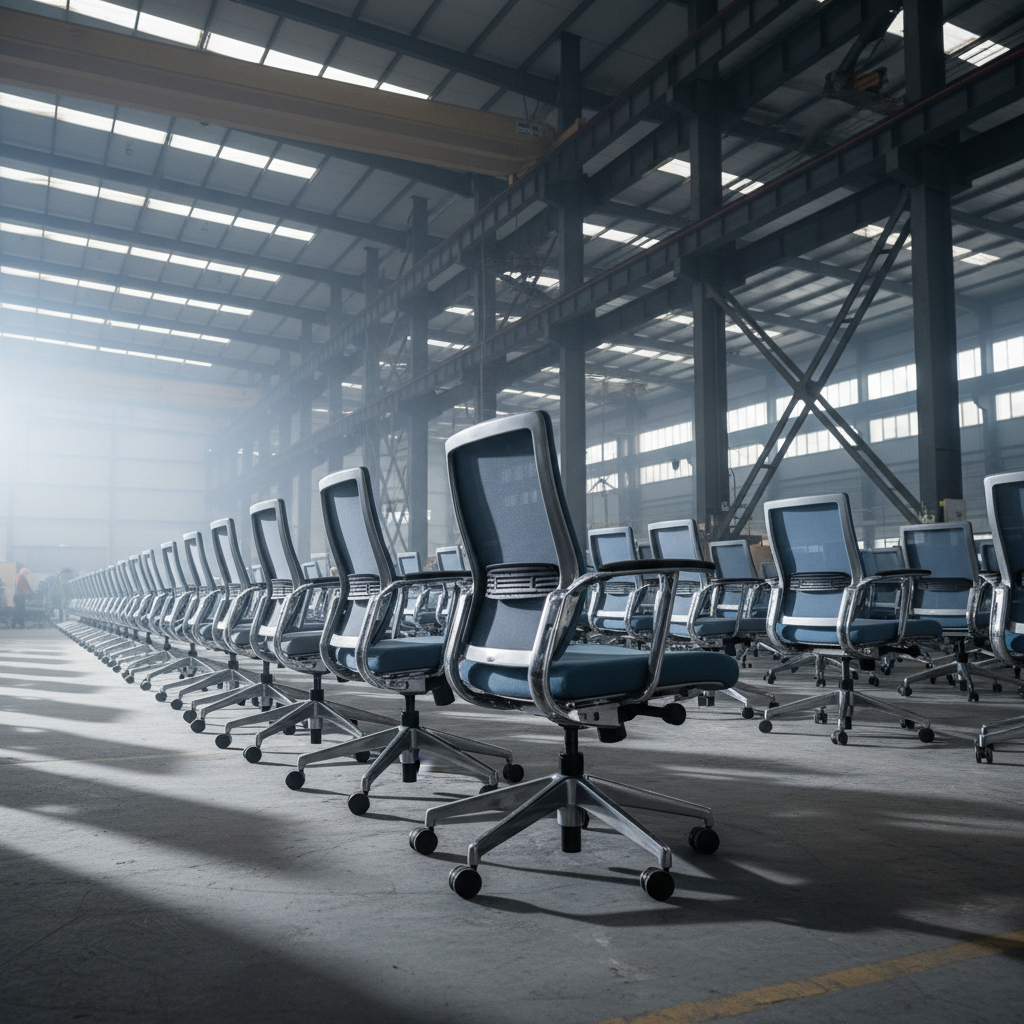
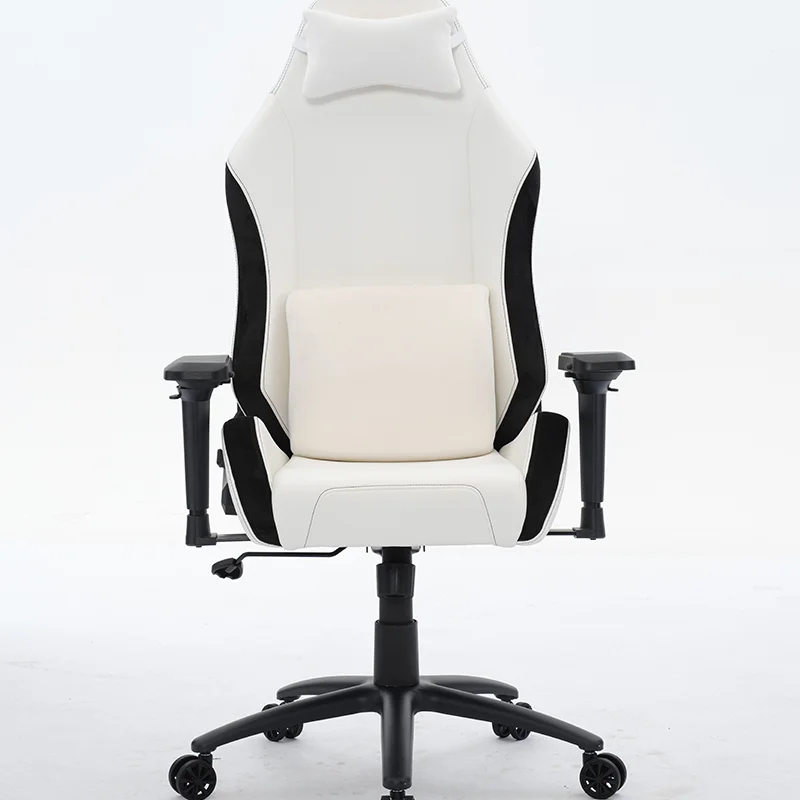
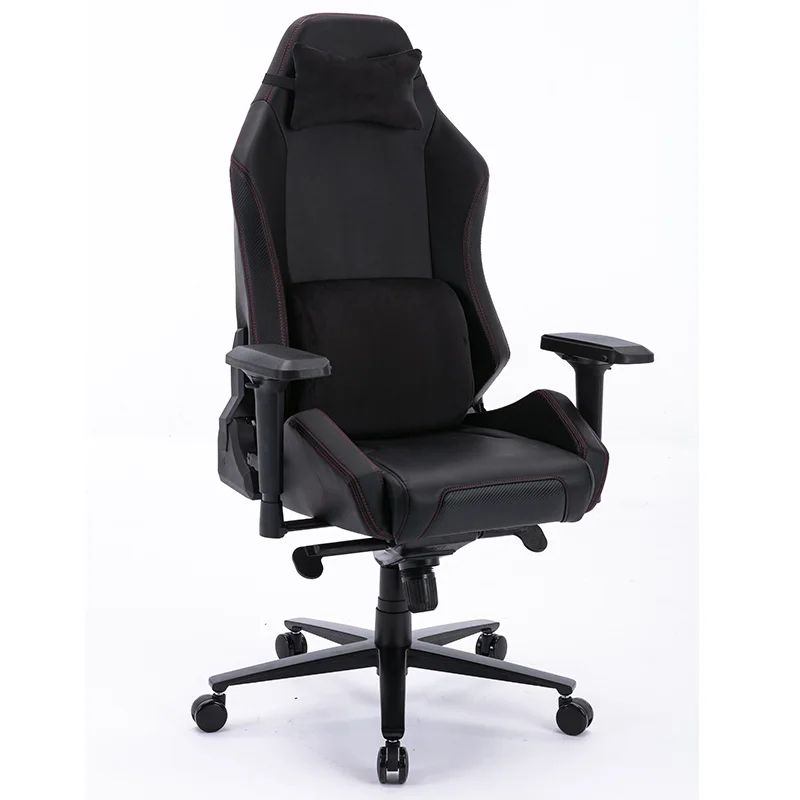
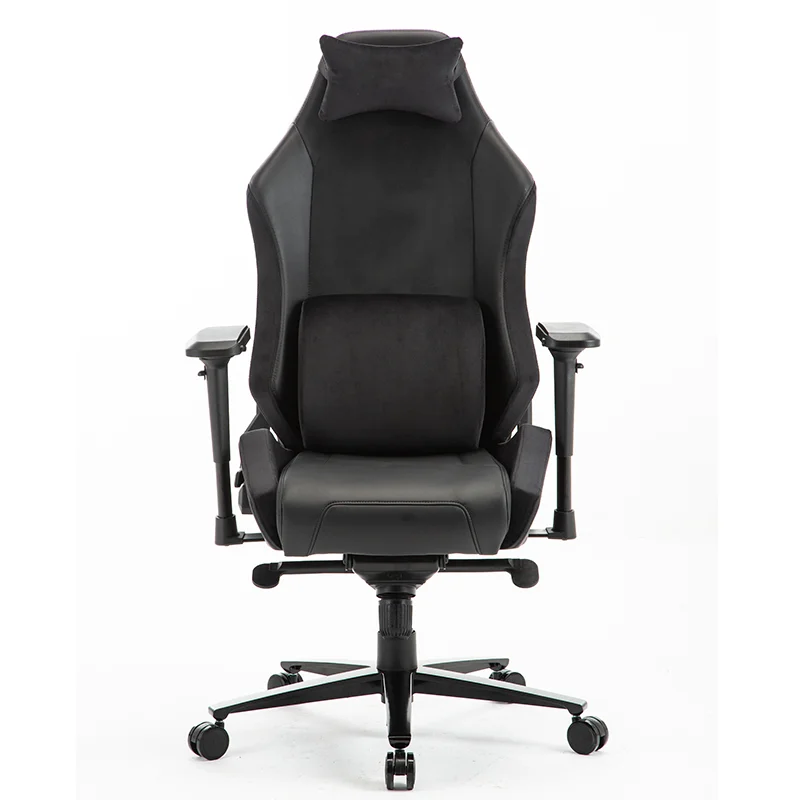
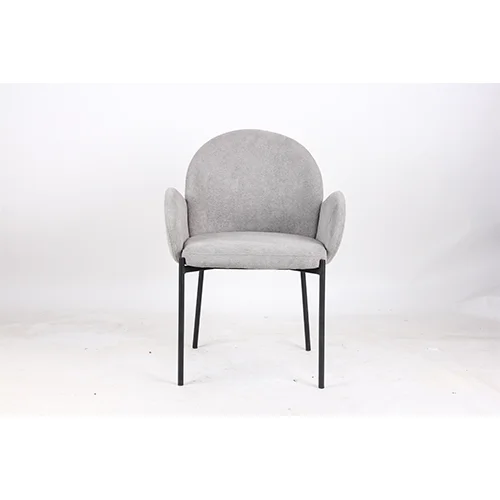
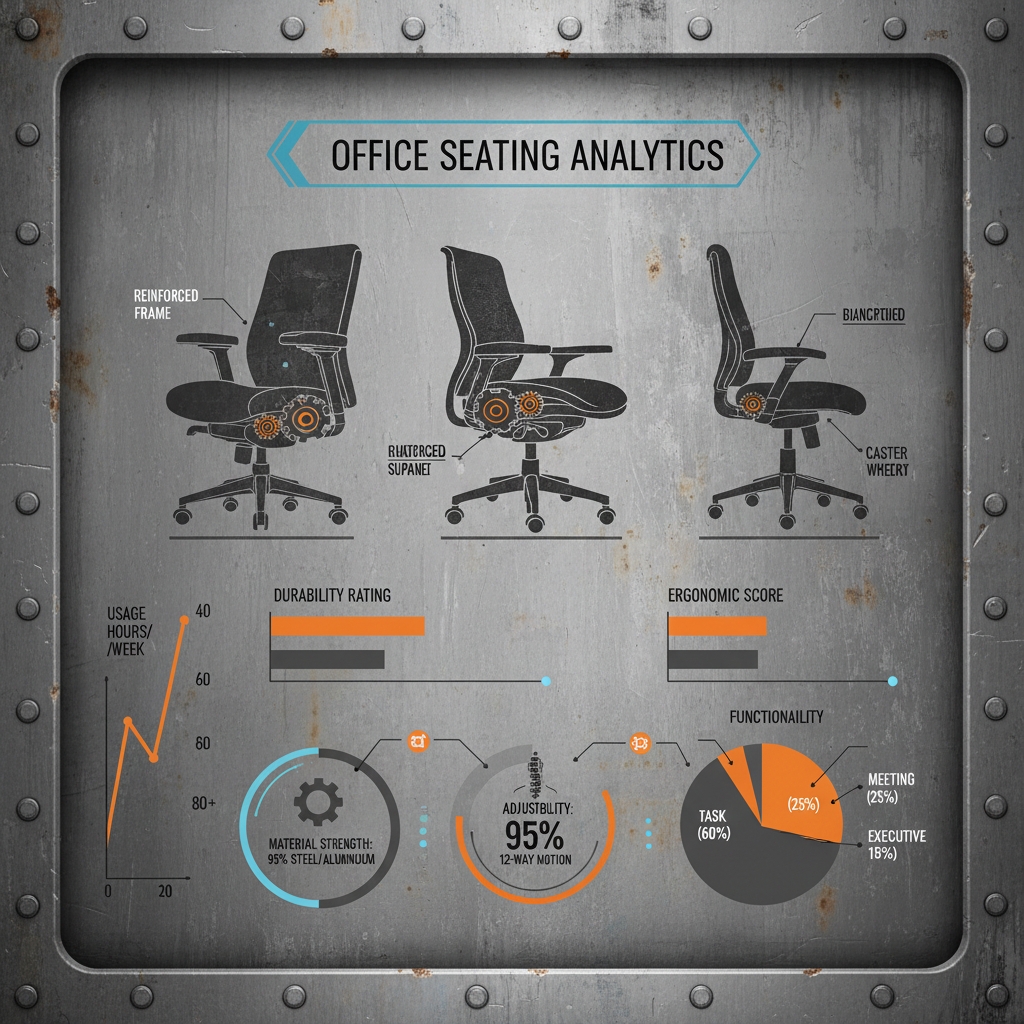
The market offers a wide variety of office chairs, each designed for specific needs. Task chairs are the most common, providing basic support for general office work. Ergonomic chairs are designed to promote proper posture and reduce strain, featuring adjustable components like lumbar support and armrests. Executive chairs offer enhanced comfort and a more prestigious look, often with features like headrests and wider seats. Mesh chairs provide breathability, ideal for warmer climates. Finally, drafting chairs are designed for use with standing desks and have adjustable footrests. Understanding these distinctions is the first step toward making an informed decision.
Key Takeaway: Choosing the right chair depends on the type of work being performed and the individual needs of the user. Prioritizing ergonomics and comfort will lead to a more productive and healthier work environment.
When selecting chairs for offices, several key features should be prioritized. Adjustable lumbar support is crucial for maintaining proper spinal alignment. Adjustable armrests help reduce strain on the shoulders and neck. Seat height adjustment ensures proper leg positioning. A five-star base provides stability, and casters allow for easy movement. Breathable materials, such as mesh, prevent overheating. Consider features like tilt tension and lock to customize the chair's recline. Investing in chairs with these features will contribute to employee comfort and well-being.
Ergonomic Benefits:
• Reduced back pain and discomfort
• Improved posture and spinal alignment
• Decreased risk of musculoskeletal disorders
• Increased productivity and focus
Comparing different models can help you determine which chairs for offices best suit your needs and budget. Below is a table showcasing some popular options:
While budget is a factor, prioritizing quality and ergonomics is essential. Cheaper chairs for offices may seem appealing initially, they often lack the support and durability of more expensive options. Investing in higher-quality chairs can reduce the risk of employee discomfort and potential health issues, ultimately leading to increased productivity and lower healthcare costs. Consider the long-term value and potential return on investment when making your decision. Furthermore, look for warranties and customer support to ensure you're covered in case of any issues.
Choosing the right chairs for offices is a vital component of creating a comfortable and productive work environment. By considering the different types of chairs, essential features, and budget considerations, you can make an informed decision that benefits both your employees and your business. Remember, a well-supported and comfortable employee is a more engaged and productive employee. Explore the options available at CD Gaming Furniture to find the perfect seating solutions for your office needs.
Investing in quality office chairs is a strategic decision that yields substantial returns in employee well-being, productivity, and long-term cost savings. Choosing the right chairs demonstrates a commitment to your team’s health and comfort.
Generally, office chairs should be replaced every 5-7 years, depending on usage and quality. Signs that a chair needs replacing include noticeable wear and tear, broken components, loss of support, and difficulty adjusting. Regularly inspect chairs for damage and address any issues promptly. Replacing worn-out chairs can prevent discomfort and potential injuries. Prioritize chairs with durable construction and quality materials for a longer lifespan.
Adjustable lumbar support is crucial for maintaining the natural curve of the spine and preventing lower back pain. It allows users to customize the support level to their individual needs, promoting proper posture and reducing strain. Without adequate lumbar support, employees may experience discomfort, fatigue, and an increased risk of musculoskeletal disorders. Ensuring chairs have adjustable lumbar support is a key step in creating an ergonomic workspace.
Yes, mesh chairs are an excellent choice for hot environments due to their superior breathability. The mesh material allows for airflow, preventing heat buildup and keeping users cool and comfortable. Mesh chairs are also lightweight and often more affordable than chairs made with traditional materials. However, consider that mesh may not provide the same level of cushioning as other options.
Ensuring a proper chair fit involves considering factors like height, weight, and body type. Ideally, employees should be able to adjust the chair's height, armrests, and lumbar support to find a comfortable and supportive position. Feet should be flat on the floor or supported by a footrest, and the knees should be at a 90-degree angle. Consider offering a variety of chair sizes and styles to accommodate different body types. Providing ergonomic assessments can also help identify individual needs.
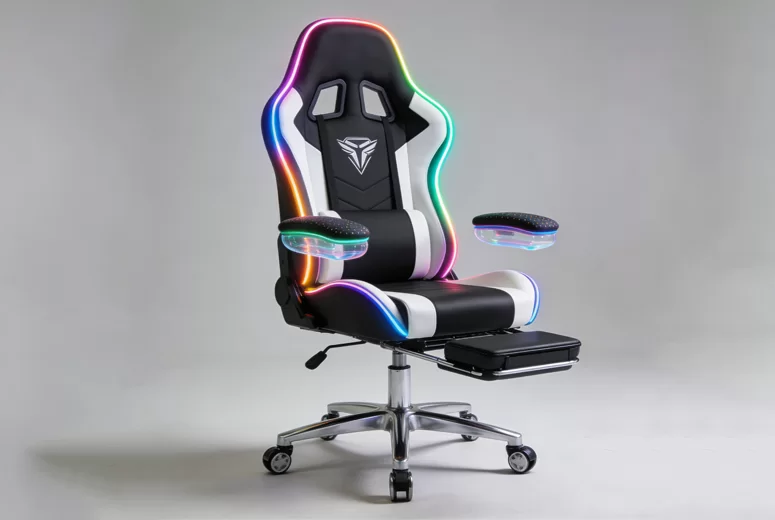
The booming esports and live-streaming industries are creating unprecedented demand for high-performance gaming chairs, pushing manufacturers to develop more advanced, comfortable, and visually appealing designs.
In today’s professional environments, seating is no longer a secondary consideration.
If you are interested in our products, you can choose to leave your information here, and we will be in touch with you shortly.