
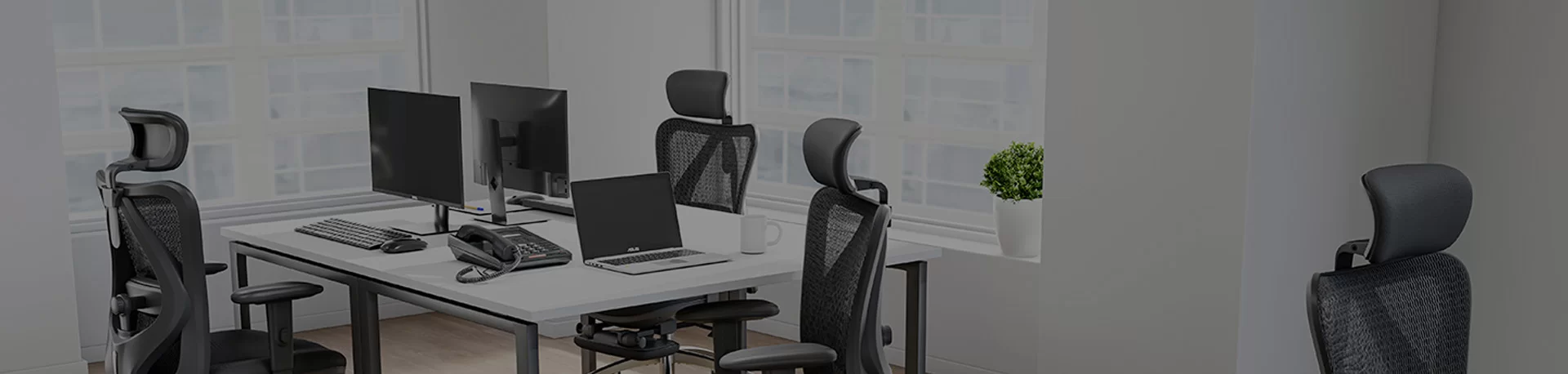
Ergonomic Office Seating Guide and Normal Chair Price Analysis
Selecting professional seating is a critical decision for any business aiming to optimize workforce productivity and long-term employee health. While many procurement managers initially focus on the normal chair price, the true value of an office chair lies in its ergonomic integration and structural durability. A poorly chosen chair can lead to chronic musculoskeletal strain, whereas a high-quality adjustable solution transforms the workspace into a hub of efficiency. This guide examines the intersection of ergonomic engineering and commercial viability, focusing on how adjustable lumbar support and high-density materials mitigate the physical fatigue associated with prolonged desk work.

The Engineering Logic Behind Ergonomic Adjustable Support Systems
Effective ergonomic design is not merely about comfort; it is about maintaining the natural curvature of the human spine. Our high-quality office chairs incorporate a sophisticated adjustable lumbar support system that targets the lower back, reducing the pressure on the intervertebral discs. By allowing the user to customize the depth and height of the support, the chair adapts to individual spinal profiles, which is essential for preventing the slouching that typically occurs during long hours of focused work.
Beyond the backrest, the synergy between the seat height and armrest positioning plays a vital role in reducing upper body tension. Adjustable armrests ensure that the wrists and shoulders remain in a neutral position, significantly lowering the risk of repetitive strain injuries. When these components work in unison with a height-adjustable seat, the user achieves an optimal posture where feet are flat on the floor and knees are at a 90-degree angle, promoting better blood circulation and mental alertness.

Material Science: Balancing Breathability with Structural Integrity
The longevity of a commercial chair depends heavily on its material composition. We utilize a robust metal frame as the skeletal foundation, providing the stability necessary for 360-degree swiveling and frequent movement. This metal core ensures that the chair does not warp or lose its structural alignment under daily heavy-duty use, making it a sustainable choice for high-traffic professional environments.
For the user-facing surfaces, the choice between breathable mesh and premium fabric depends on the environmental needs. Mesh backrests are engineered to maximize airflow, preventing heat buildup against the user's back, while high-density foam cushions are employed in the seat to maintain shape and support. Unlike standard foam, high-density variants resist compression, ensuring that the seat does not "bottom out" over months of continuous operation, thereby preserving the ergonomic benefits of the chair.
Application Scenarios: From Home Offices to Executive Suites
Different workspaces demand different seating characteristics. In a remote home-office setting, versatility is key; a chair must be compact yet supportive enough to handle a full workday. In professional corporate environments, the focus shifts toward consistency and durability. Our adjustable chairs fit seamlessly into these diverse settings, offering a modern aesthetic that complements contemporary office décor while providing the technical support required for high-intensity tasks.
Consider the needs of a creative professional or a software engineer who may spend 10+ hours at a desk. For these users, the ability to make micro-adjustments to the lumbar support and armrests is not a luxury—it is a necessity for maintaining focus. The inclusion of smooth-rolling casters further enhances workflow efficiency, allowing users to transition between different workstations or documents without the physical strain of standing up and resetting their posture.
Comparative Analysis of Seating Specifications
| Feature Component | Standard Office Chair | Chengda Ergonomic Series | Operational Impact |
|---|---|---|---|
| Lumbar Support | Fixed/None | Fully Adjustable | Prevents Lower Back Fatigue |
| Frame Material | Plastic/Composite | Reinforced Metal | Enhanced Weight Capacity |
| Seat Cushion | Basic Foam | High-Density Foam | Long-term Shape Retention |
| Backrest Fabric | Standard Cloth | Breathable Mesh/Premium Fabric | Thermal Regulation |
| Mobility | Basic Casters | 360-Degree Precision Rollers | Increased Workflow Agility |
Procurement Strategies for Large-Scale Furniture Sourcing
When sourcing seating for an entire organization, procurement managers must look beyond the initial unit cost. The total cost of ownership (TCO) includes the frequency of replacement and the indirect cost of employee absenteeism due to ergonomic injuries. Investing in a manufacturer that provides OEM/ODM solutions allows businesses to tailor chairs to their specific organizational needs, ensuring a standardized level of quality across the entire office.
Our facility in Anji, Zhejiang, leverages three decades of industry expertise to deliver scalable seating solutions. By controlling the process from raw material selection to final assembly, we ensure that every unit meets rigorous quality control standards. This vertical integration is crucial for B2B buyers who require consistency across large orders, as it eliminates the variability often found in multi-vendor sourcing strategies.
Future Trends in Workspace Seating and Ergonomic Evolution
The future of office furniture is moving toward "dynamic seating"—chairs that encourage subtle movement throughout the day. We are seeing an increased demand for chairs that can transition between focused work and collaborative postures. The integration of more sustainable, recyclable metals and fabrics is also becoming a priority for global enterprises aiming to meet ESG (Environmental, Social, and Governance) goals without sacrificing user comfort.
As the lines between home and office continue to blur, the demand for "hybrid-ready" furniture will grow. This means chairs must offer professional-grade support but maintain a design language that fits a domestic environment. By continuing to refine adjustable mechanisms and explore advanced breathable materials, we aim to lead the transition toward a healthier, more productive global workspace.
Frequently Asked Questions Regarding Professional Seating
How does adjustable lumbar support actually benefit the user?
Adjustable lumbar support allows the user to position the curvature of the backrest to match the natural inward curve of their lower spine. This prevents the spine from flattening or rounding, which significantly reduces pressure on the discs and minimizes lower back pain during extended sitting periods.
What is the difference between high-density foam and standard foam?
High-density foam contains more material per cubic inch, making it more resilient to compression. While standard foam may flatten over time, high-density foam maintains its structural integrity and supportive properties, ensuring consistent comfort over years of daily use.
Are metal frames significantly better than plastic frames for office use?
Yes, metal frames provide superior stability and a higher weight capacity. They are less prone to cracking or bending under stress, which is critical for chairs used in commercial settings where durability and long-term performance are priority requirements.
Can these chairs be customized for specific corporate branding?
Yes, we offer professional OEM/ODM solutions. This allows businesses to customize materials, colors, and specific features to align with their corporate identity or particular ergonomic requirements for their staff.
Why is mesh preferred over fabric for backrests in some environments?
Mesh is highly breathable and allows for air circulation, which keeps the user cool by dissipating body heat. This makes it an ideal choice for warmer climates or high-stress environments where thermal comfort is essential for maintaining concentration.
What should I consider when evaluating the normal chair price for a bulk order?
When evaluating cost, consider the balance between initial expenditure and the lifespan of the product. A slightly higher initial investment in a reinforced metal frame and high-density foam often results in a lower long-term cost by reducing the need for frequent replacements.
Industry Technical References
- OSHA Guide to Computer Workstations and Ergonomics
- ISO Standards for Office Furniture and Ergonomics
- Mayo Clinic: Office Ergonomics for Health
- NIOSH Ergonomics and Musculoskeletal Disorders
Investing in high-quality, adjustable ergonomic seating is a strategic move for any organization. By prioritizing spinal health and material durability, you create a workspace that supports both the physical well-being of your employees and the overall productivity of your business. Contact Chengda Gaming Furniture today to discuss your OEM/ODM needs and elevate your professional environment.
Related Professional Seating Solutions


