6 way adjustable office chair
news
0%

Table of Contents

Look, I've spent the last fifteen years on construction sites, getting dust in my teeth and arguing with engineers over specs. And let me tell you, the one thing I’ve learned is that your people – the folks actually doing the work – they get wrecked. Back pain, neck strain, fatigue… it’s constant. That's where a good ergonomic office chair comes in. It's not about luxury; it’s about keeping your team functioning at their best, day in and day out. It's about minimizing downtime and boosting productivity, which, believe me, directly impacts the bottom line.

We’re not talking about fancy office chairs for corner offices here. We're talking about durable, adjustable seating for site supervisors, project managers, quantity surveyors, even the folks in the mobile offices. These guys spend hours pouring over blueprints, managing schedules, and dealing with problems. A poorly designed chair just compounds the stress on their bodies. A solid ergonomic office chair isn’t a perk, it’s a vital piece of equipment, just like hard hats and steel-toed boots.

And it's a growing concern. Insurance costs are skyrocketing due to musculoskeletal disorders. Regulations around workplace safety are getting stricter. Smart contractors are realizing that investing in preventative measures, like good seating, is far cheaper than dealing with worker's compensation claims and lost productivity. It's a shift in mindset, recognizing that human capital is your most valuable asset.
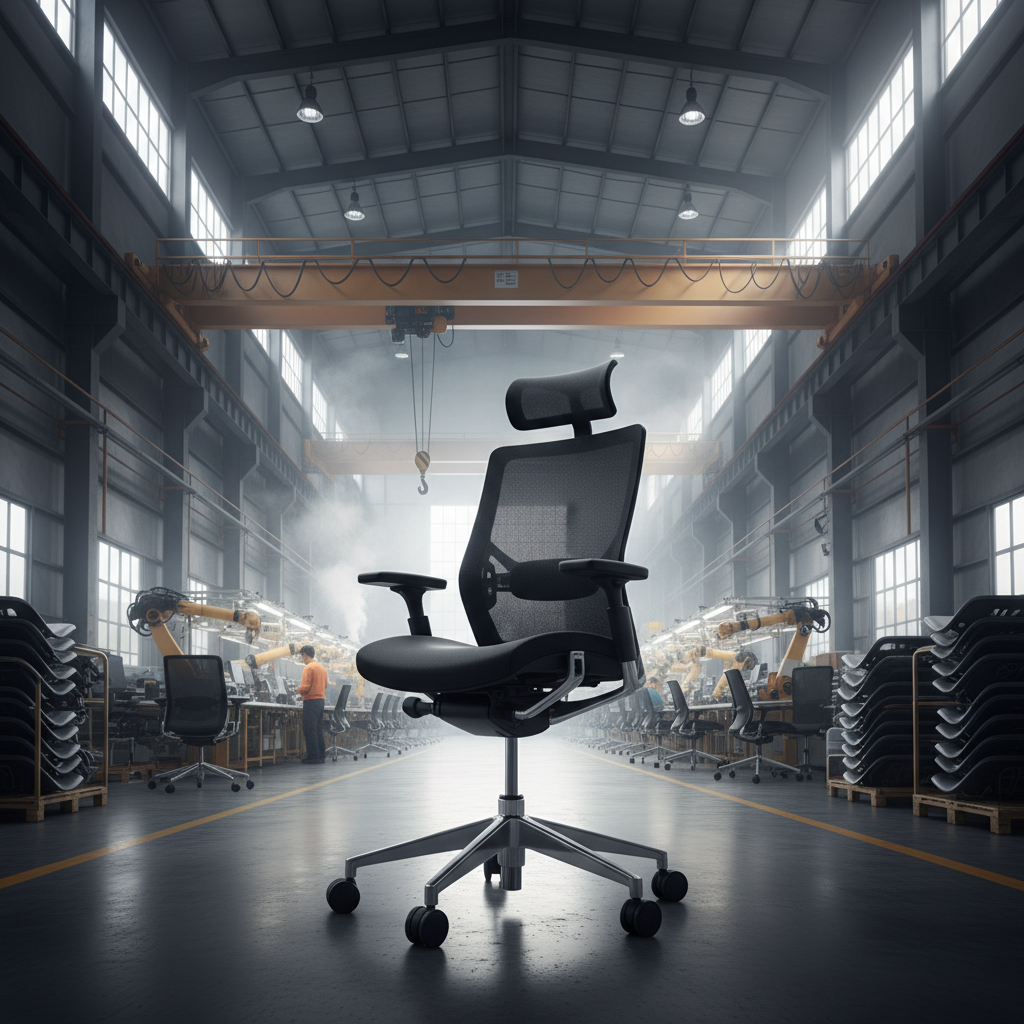
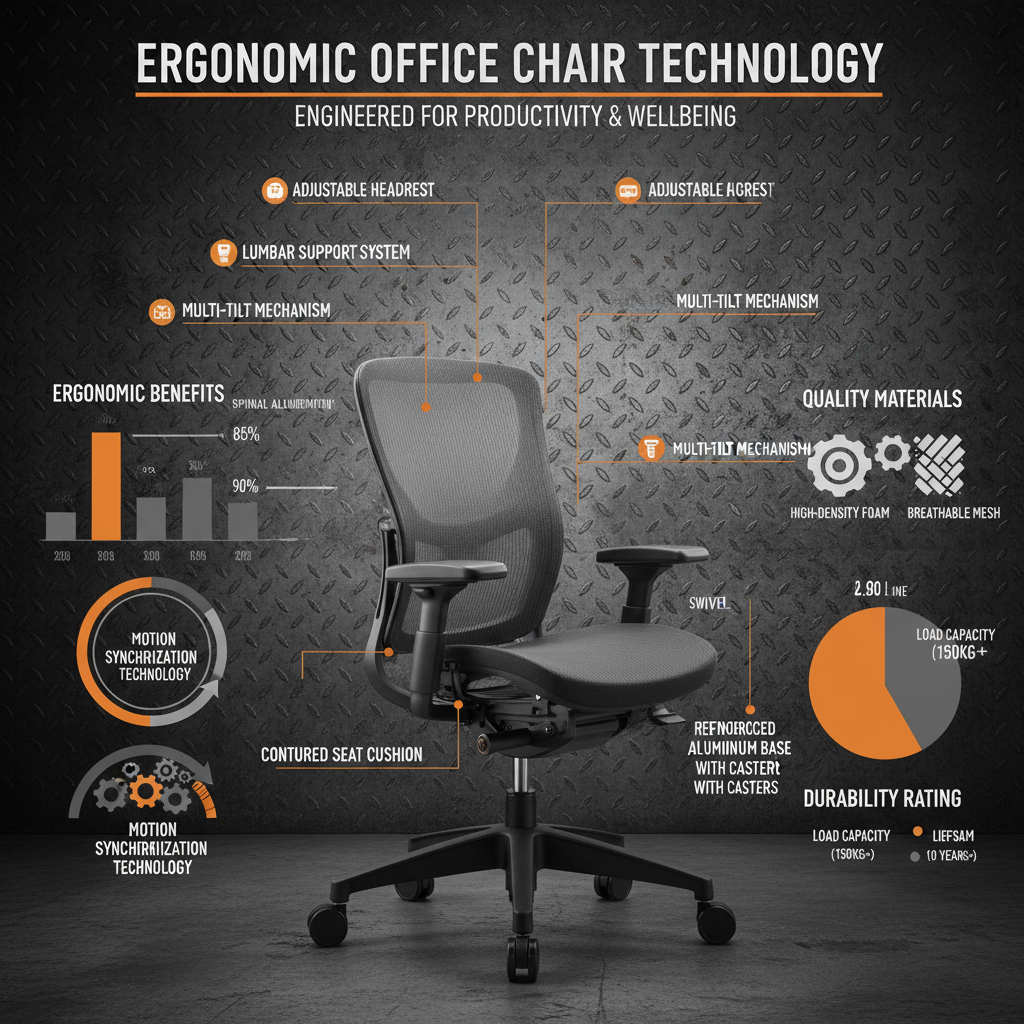
ergonomic office chair

The Critical Role of Ergonomic Office Chairs in Construction

ergonomic office chair

I've seen too many project managers trying to wrestle with blueprints while perched on flimsy plastic chairs. It's a recipe for disaster – not just for their backs, but for the entire project. A properly designed ergonomic office chair promotes good posture, reduces muscle strain, and keeps people alert and focused. This translates directly into fewer errors, better decision-making, and increased efficiency.

It’s about recognizing that the office isn't just a separate space; it’s an extension of the construction site. The same attention to detail we give to selecting the right materials and equipment needs to be applied to the wellbeing of the people managing those materials and equipment.

Defining Ergonomic Office Chairs for the Field

Now, when we talk about ergonomic office chairs for construction, we're not talking about the high-end executive models. We need something robust, durable, and adjustable. Think heavy-duty fabrics that can withstand dirt and grime, adjustable lumbar support to accommodate different body types, and a stable base that won’t tip over on uneven ground.

It needs to be about practical ergonomics – features that actually address the specific needs of construction professionals. Adjustable armrests are crucial for supporting forearms during long hours of computer work. A breathable mesh back keeps people cool and comfortable in hot weather. And a good swivel base allows for easy movement and access to different parts of the workspace.

Essentially, it's about designing a chair that works with the body, rather than forcing the body to adapt to the chair. That means prioritizing adjustability, support, and durability above all else.

Key Factors for Construction-Grade Ergonomic Office Chairs

Durability is paramount. These chairs are going to be moved around, exposed to the elements, and subjected to heavy use. You need a chair with a solid steel frame, reinforced stitching, and high-quality materials that can withstand the rigors of a construction site.

Adjustability is equally important. Every body is different, and a one-size-fits-all approach simply won't work. You need chairs that can be adjusted to accommodate different heights, weights, and body types. Look for features like adjustable lumbar support, seat height, armrests, and backrest angle.

Finally, consider ease of cleaning. Construction sites are notoriously dirty. A chair with a wipeable surface and removable fabric covers is essential for maintaining hygiene and preventing the spread of germs.

Global Applications and Use Cases in Construction

We're seeing this trend globally. In Europe, stricter regulations around workplace safety are driving demand for ergonomic office chairs on construction sites. In Australia, the focus is on preventative health measures to reduce worker's compensation claims. And in North America, contractors are starting to realize that investing in employee wellbeing is a smart business decision.

It’s not just large-scale projects, either. Even smaller contractors are recognizing the benefits. From site offices on residential developments to mobile management units on remote infrastructure projects, the need for comfortable and supportive seating is universal.

Ergonomic Office Chair Features - Relative Importance

Advantages and Long-Term Value for Construction Companies

The upfront cost of ergonomic office chairs might seem higher, but the long-term benefits far outweigh the initial investment. Reduced worker's compensation claims, increased productivity, and improved employee morale all contribute to a significant return on investment.

Beyond the financial benefits, there's a moral imperative to prioritize the health and wellbeing of your workforce. Happy, healthy employees are more engaged, more productive, and more loyal. It's a simple equation.

Future Trends and Innovations in Construction Seating

We’re starting to see chairs with integrated sensors that monitor posture and provide real-time feedback. Smart chairs that automatically adjust to the user’s body weight and movements. And more sustainable materials, like recycled plastics and bio-based foams, are becoming increasingly popular.

The trend towards modularity is also interesting. Chairs that can be easily disassembled and reconfigured to meet changing needs. This is particularly valuable on construction sites, where workspaces are often temporary and dynamic.

I also anticipate that we’ll see more integration of technology into construction seating – things like built-in charging ports, wireless connectivity, and even heating and cooling systems.

Challenges and Solutions in Implementing Ergonomic Seating

The biggest challenge is often convincing people of the value. Some contractors still view ergonomic seating as a luxury, not a necessity. Education is key. Show them the data on worker's compensation costs, productivity gains, and employee morale.

Another challenge is finding chairs that are truly durable enough to withstand the harsh conditions of a construction site. You need to partner with a reputable supplier who understands the specific needs of the industry.

Finally, proper training is essential. Employees need to be shown how to adjust their chairs correctly to maximize the ergonomic benefits.

Key Considerations for Successful Ergonomic Seating Implementation

Budget Allocation Durability Assessment Employee Training Long-Term Maintenance
$500 - $1000 per chair (Initial Investment) Steel Frame, Reinforced Stitching (Rating: 8/10) 2-Hour Training Session (Post-Installation) Annual Inspection and Repair Schedule
Potential for Group Discounts Abrasion Resistance Testing (Rating: 9/10) Focus on Adjustability and Posture Proactive Component Replacement
ROI within 1-2 Years (Reduced Claims) Weight Capacity Exceeding Average User (Rating: 7/10) Online Training Modules Available Supplier Warranty Coverage
Explore Leasing Options UV Resistance for Outdoor Use (Rating: 6/10) Regular Reinforcement of Proper Usage Stockpile of Replacement Parts
Consider Tax Incentives Impact Resistance Standards (Rating: 8/10) Feedback Mechanisms for Continuous Improvement Cleaning and Disinfection Protocols
Life Cycle Cost Analysis Weatherproof Materials (Rating: 5/10) Ergonomic Assessments for Individual Needs Documentation of Maintenance Activities

FAQS

What level of adjustability is really necessary for a construction site office chair?

While a full range of adjustments is ideal, focus on seat height, lumbar support, and armrest adjustability. These are the most impactful for addressing common construction site posture issues. Overly complex adjustments are often underutilized and can add unnecessary cost. Prioritize robust, easy-to-use features that can be quickly adapted by different users throughout the day.

How do I choose a chair that can withstand outdoor or semi-outdoor conditions?

Look for chairs with UV-resistant fabrics, weatherproof materials, and corrosion-resistant frames. Avoid chairs with excessive padding that can trap moisture. A chair with a mesh back will promote airflow and prevent overheating. Consider a base designed for uneven surfaces to maintain stability. Regular cleaning and maintenance are also crucial in outdoor environments.

What’s a reasonable budget for an ergonomic office chair for a construction project?

Expect to spend between $500 and $1000 per chair for a quality, durable model suitable for a construction environment. While cheaper options are available, they often lack the necessary features and durability. Remember to factor in the long-term benefits, such as reduced worker’s compensation claims and increased productivity, when assessing the cost.

How important is chair certification (e.g., BIFMA)?

BIFMA certification is a strong indicator of quality and safety. It means the chair has been tested to meet specific performance standards. While not strictly required, it provides peace of mind and ensures that the chair is built to withstand regular use. Look for chairs that meet or exceed BIFMA standards.

What’s the best way to clean and maintain ergonomic office chairs on a construction site?

Regular cleaning is essential. Use a mild soap and water solution to wipe down the chair's surfaces. Avoid harsh chemicals or abrasive cleaners. Check for loose screws or bolts and tighten them as needed. Inspect the fabric for tears or damage and repair them promptly. Proper maintenance will extend the life of the chair and ensure its continued performance.

Are there any tax incentives or rebates available for purchasing ergonomic equipment?

Depending on your location and specific circumstances, there may be tax incentives or rebates available for purchasing ergonomic equipment. Check with your local and state governments, as well as industry associations, to see if you qualify. These incentives can help offset the cost of investing in ergonomic seating.

Conclusion

Investing in ergonomic office chairs for your construction team isn’t just about comfort; it's about creating a more productive, safer, and sustainable work environment. It’s about recognizing that your people are your most valuable asset and investing in their wellbeing. It’s a smart business decision that pays dividends in the long run.

Don’t wait for injuries to happen. Be proactive. Take the time to assess your team’s needs, select the right chairs, and provide proper training. You’ll be amazed at the difference it makes. For a wide selection of durable, adjustable, and construction-ready ergonomic office chairs, visit our website: www.cdgamingfurniture.com

Ethan Turner

Ethan Turner

Ethan is the Marketing Director at Cangzhou Jiujiang, focusing on expanding the brand's presence in North America. With over a decade of experience in outdoor apparel marketing, Ethan leverages his knowledge to promote the company’s PU rainwear, emphasizing its BSCI and GRS certifications.

Previous The Essential Draughtsman Chair for Productivity and Worker Wellbeing
Next Enhancing Worker Wellbeing with the Ergonomic Saddle Seat Solution

If you are interested in our products, you can choose to leave your information here, and we will be in touch with you shortly.