6 way adjustable office chair
news
0%

Table of Contents

Maintaining a healthy office posture is no longer just a matter of personal comfort; it has become a critical component of professional sustainability in the modern era. As the global workforce transitions toward more sedentary roles, the alignment of the spine and the support of the musculoskeletal system are paramount to preventing chronic pain and fatigue. Understanding the relationship between furniture design and body mechanics is the first step toward enhancing daily productivity.

From a global perspective, the rise of hybrid work models has blurred the lines between professional ergonomic standards and home environments. Many users struggle with suboptimal setups that lead to long-term health issues, emphasizing the need for seating solutions that actively promote a neutral spine. When the body is properly supported, cognitive function improves, and the physical toll of an eight-hour workday is significantly mitigated.

Investing in the right tools to optimize your office posture is a strategic decision that impacts both health and efficiency. By integrating advanced ergonomic contours and adjustable mechanisms, users can transform their workspace into a sanctuary of wellness and focus.

office posture

The Fundamentals of Ergonomic Support

office posture

The foundation of a healthy sitting experience lies in integrated lumbar support, which is specifically designed to mimic the natural inward curve of the lower back. By providing a consistent point of contact for the spine, ergonomic chairs prevent the slouching that typically leads to lower back pain and reduced lung capacity.

Beyond the backrest, adjustability in height, tilt, and armrests allows the user to customize the chair to their specific anatomy. This precision ensures that the feet remain flat on the floor and the shoulders stay relaxed, creating a balanced distribution of weight that protects the vertebrae from undue pressure.

Impact of Dynamic Movement on Wellness

Static sitting is one of the primary enemies of long-term health, as it restricts blood flow and stiffens the joints. The introduction of a 360-degree rotation mechanism transforms a stationary seat into a dynamic tool, allowing users to pivot and reach for items without straining their torso or twisting their spine awkwardly.

This fluid mobility reduces the need for manual repositioning, which often disrupts focus and leads to micro-strains in the neck and shoulders. When a user can transition seamlessly between different workstations or colleagues, the physical effort required for multitasking is significantly lowered.

Ultimately, the ability to move freely while remaining supported encourages a more active sitting style. This dynamic approach to seating helps in maintaining muscle engagement and prevents the lethargy often associated with traditional, fixed-position office chairs.

Material Science and Physical Comfort

The choice of upholstery plays a pivotal role in maintaining a sustainable office posture over long durations. High-airflow mesh, for instance, is engineered to provide maximum ventilation, preventing heat buildup and moisture accumulation that can lead to restlessness and shifting into poor positions.

For those seeking a blend of luxury and support, high-density memory foam paired with genuine or faux leather offers a different set of benefits. This combination provides a contoured feel that distributes body weight evenly, ensuring that the user does not experience pressure points that could compromise their office posture.

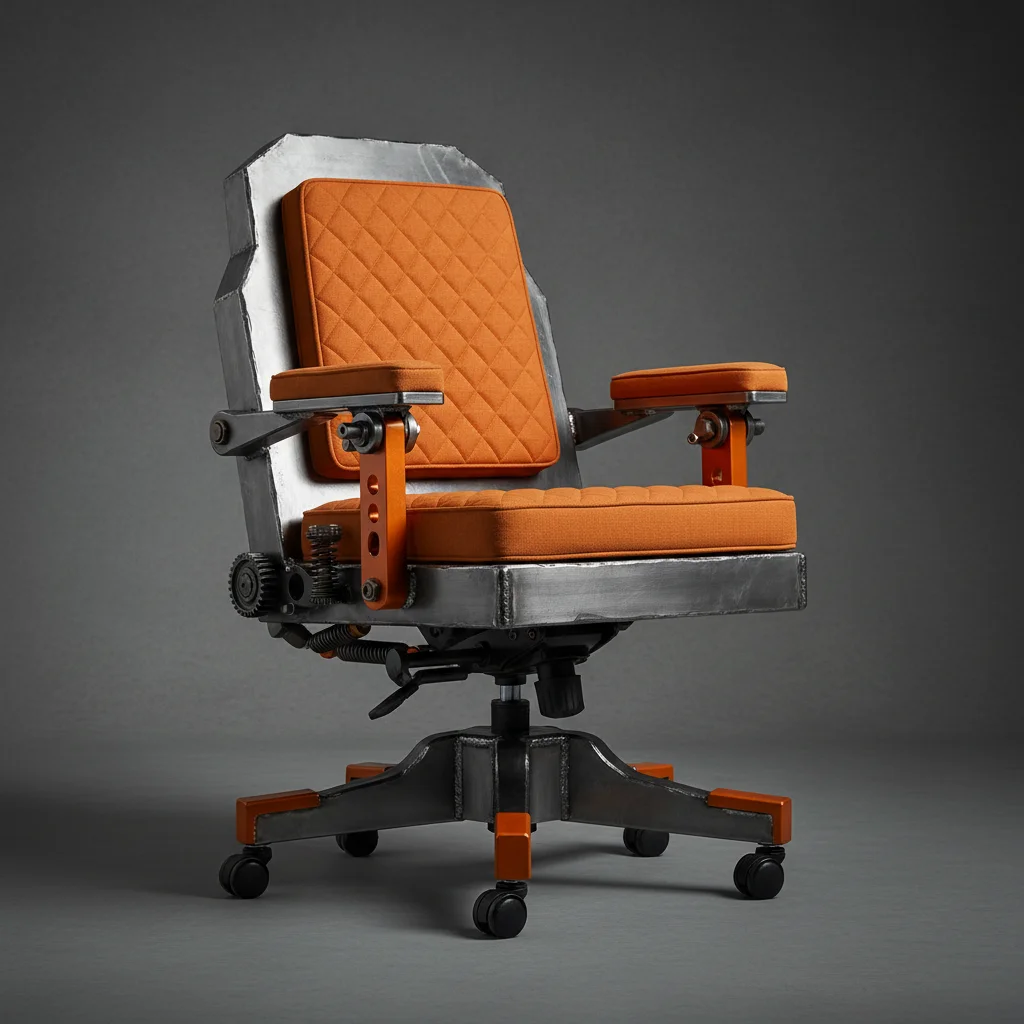
Reinforced metal bases provide the necessary stability to support these materials, ensuring that the chair does not wobble or tilt unexpectedly. This structural integrity is essential for maintaining a consistent center of gravity, which is a prerequisite for any ergonomic seating arrangement.

Productivity Gains through Optimal Alignment

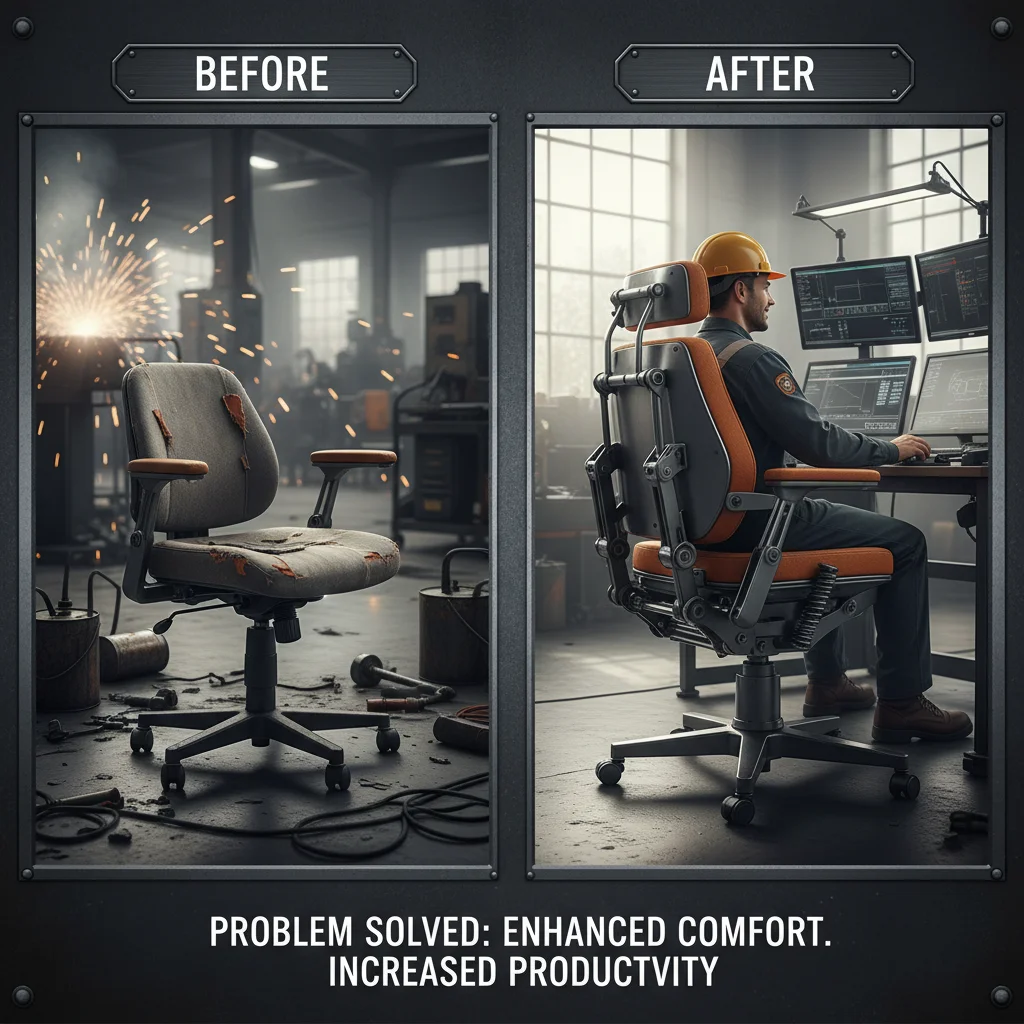
There is a direct correlation between physical comfort and cognitive output. When a user is not distracted by chronic discomfort or the need to constantly adjust their seat, they can enter a state of deep work more efficiently. Optimal alignment reduces the mental load required to manage physical pain.

By utilizing features like smooth-rolling caster wheels and a precision swivel mechanism, the transition between tasks becomes effortless. This minimizes wasted time and physical exertion, allowing the professional to maintain a high pace of productivity without sacrificing their long-term health.

Comparative Efficiency of Office Posture Support Methods

Versatility Across Diverse Workspaces

Modern furniture must be adaptable to various environments, from corporate high-rises to home study corners. A swivel chair with a compact footprint is ideal for coworking hubs or small apartments where space is limited but the need for professional support remains high.

Moreover, the aesthetic versatility of Scandinavian or Minimalist designs ensures that these chairs blend seamlessly into any interior. Whether used as a primary task chair or a stylish lounge accent, the core ergonomic benefits remain consistent, providing a flexible solution for the modern lifestyle.

Engineering Precision for Long-term Use

Durability is the silent partner of ergonomics. A chair that loses its support after six months is not a wellness tool; it is a liability. This is why precision engineering, focusing on swivel mechanisms tested for millions of rotations, is non-negotiable for high-performance seating.

The selection of premium metals for the base ensures that the chair can withstand rigorous daily use in commercial settings without compromising stability. A stable base prevents the micro-shifts that can lead to a collapse in proper sitting form.

Rigorous quality control processes, including multi-stage inspections for balance and material finish, guarantee that every unit delivered provides the same level of anatomical support, ensuring a reliable return on investment for the user.

Comparative Analysis of Seating Solutions

When comparing standard fixed chairs to premium swivel solutions, the differences in workflow speed and physical fatigue are stark. Fixed chairs require manual repositioning, which adds unnecessary friction to the workday and increases the likelihood of improper twisting.

Premium swivel chairs, conversely, offer dynamic lumbar support and smooth gliding, which significantly reduces floor wear and muscular fatigue. This makes them a superior choice for those who spend more than six hours a day at a desk.

The transition from a single-purpose chair to a multi-scene versatile tool allows users to maintain a healthy posture whether they are typing, brainstorming, or relaxing, effectively bridging the gap between professional utility and home comfort.

Comparative Analysis of Standard vs. Premium Swivel Chairs

Feature Dimension Standard Fixed Chair Premium Swivel Chair Impact on Posture
Movement Static/Fixed 360° Rotation Reduces spinal torsion
Back Support Basic/Flat Dynamic Lumbar Maintains natural curve
Adjustability None/Limited Height, Tilt, Arms Customized anatomical fit
Material Generic Fabric Breathable Mesh/Leather Prevents heat-induced shifting
User Fatigue Moderate to High Significantly Reduced Extends focus duration
Versatility Single-Purpose Multi-Scene Use Consistent support everywhere

FAQS

What is the best material for maintaining a healthy office posture?

The best material depends on your specific environment and needs. Mesh is highly recommended for those who work long hours in warm climates, as its breathability prevents perspiration and restlessness. For executive settings, leather offers a combination of luxury and durability. Regardless of the upholstery, a reinforced metal frame is essential for the stability required to maintain a neutral spine.

How does a swivel mechanism actually improve productivity?

A 360-degree swivel mechanism allows users to access their entire workspace—documents, computers, and colleagues—without having to physically push the chair back or twist their body. This reduction in wasted movement minimizes physical strain and maintains a state of flow, allowing for faster multitasking and reduced muscular fatigue over the course of the day.

Can I use an ergonomic swivel chair in my living room?

Yes, modern swivel chairs are designed with a minimalist and Scandinavian aesthetic that fits perfectly into open-plan living rooms. They are excellent for transitioning between activities, such as switching from a laptop for work to engaging in conversation with family, all while ensuring you don't sacrifice the support your back needs.

How should I maintain my chair's swivel and lift for long-term use?

To ensure the rotation remains smooth and the height adjustment functional, regularly clean the caster wheels to remove debris. Additionally, ensure the gas lift is operated within the specified weight limits. Periodic checks of the reinforced base screws will also maintain the stability necessary for a safe and ergonomic sitting experience.

What are the must-have features for a chair that supports the spine?

Prioritize adjustable height to ensure your feet are flat on the floor, and integrated lumbar support that follows the natural curve of your lower spine. Padded armrests are also crucial to reduce shoulder tension, and breathable fabrics are recommended to keep you comfortable and focused during intensive work sessions.

Are swivel chairs a good choice for dining areas?

Absolutely. Swivel dining chairs provide a dynamic experience that makes entering and exiting the table much easier, especially in tight spaces. This eliminates the need to drag the chair across the floor, protecting your flooring while providing a more comfortable and flexible seating option for guests and family.

Conclusion

Optimizing your office posture is a comprehensive endeavor that requires the right synergy between human anatomy and industrial design. By prioritizing features such as 360-degree rotation, dynamic lumbar support, and high-quality breathable materials, you can significantly reduce the risk of chronic fatigue and musculoskeletal disorders. The transition from a static seating arrangement to an ergonomic swivel system is an investment in both your immediate productivity and your long-term health.

Looking forward, the integration of precision engineering and sustainable materials will continue to redefine how we interact with our workspaces. We encourage all professionals and home-office users to evaluate their current seating and move toward solutions that actively support their physical well-being. For those ready to elevate their seating experience and secure their health, visit our website: www.cdgamingfurniture.com.

Jasper Holloway

Jasper Holloway

Jasper Holloway is a Senior Quality Control Engineer at Chengda Gaming Furniture. He ensures that every chair and desk leaving our facility meets our rigorous standards for durability and safety. Jasper has a background in Mechanical Engineering from Georgia Tech and five years experience in furniture manufacturing. He oversees the testing of raw materials, monitors the production process, and implements continuous improvement initiatives to maintain our high quality. He’s dedicated to providing customers with furniture that lasts.
Previous How to Fix the Problem of an Office Chair Too Big for You
Next Luxury Herringbone Decorative Chair and Ergonomic Office Recliner

If you are interested in our products, you can choose to leave your information here, and we will be in touch with you shortly.