6 way adjustable office chair
news
0%

Table of Contents

The modern workplace, and increasingly the home environment, demands ergonomic solutions for prolonged periods of sitting. An adjustable chair with wheels has become indispensable, evolving from a simple office fixture to a crucial component of health, productivity, and overall well-being. This need isn’t limited to office spaces; homes, educational institutions, and even specialized industries are recognizing the benefits of dynamic seating solutions.

Globally, musculoskeletal disorders (MSDs) are a leading cause of disability and lost workdays, costing economies billions annually. The World Health Organization (WHO) emphasizes preventative measures, and proper seating is a cornerstone of this prevention. Investing in an adjustable chair with wheels isn’t merely a comfort upgrade; it’s a proactive step towards reducing healthcare burdens and improving the quality of life for individuals.

The rise of remote work further fuels the demand, as individuals seek to replicate professional ergonomic setups within their home offices. This shift necessitates readily available, high-quality, and adaptable seating options, with adjustable chair with wheels leading the way in providing those solutions.
adjustable chair with wheels

Defining the Adjustable Chair with Wheels

adjustable chair with wheels

An adjustable chair with wheels is a seating solution designed to support the user’s body dynamically, offering customizable settings for height, backrest angle, armrest position, and lumbar support. The inclusion of wheels provides effortless mobility, facilitating movement within a workspace. It's far more than just a chair; it’s a personalized ergonomic support system.

This concept is deeply connected to modern industrial and organizational psychology. Early 20th-century studies on worker fatigue and efficiency demonstrated the link between posture, comfort, and productivity. The adjustable chair with wheels represents the culmination of decades of research and development aimed at optimizing human performance in seated environments.

The Global Relevance of Ergonomic Seating

The need for ergonomic seating, and specifically an adjustable chair with wheels, transcends geographical boundaries. From bustling corporate offices in North America to rapidly developing technology hubs in Asia, the demands of a sedentary work life are universal. The International Ergonomics Association actively promotes ergonomic principles worldwide, recognizing the global impact of poorly designed workspaces.

According to the U.S. Bureau of Labor Statistics, musculoskeletal disorders account for a significant percentage of all work-related injuries and illnesses. Similarly, the European Agency for Safety and Health at Work (EU-OSHA) emphasizes the economic and social costs associated with MSDs. Investing in preventative measures like adjustable seating represents a cost-effective strategy for reducing these burdens.

The challenge lies in accessibility and affordability. While developed nations often prioritize ergonomic standards, many developing countries struggle with limited resources and awareness. However, the growing recognition of the long-term benefits of ergonomic solutions is driving increased demand even in these regions.

Core Components of Adjustable Chair Functionality

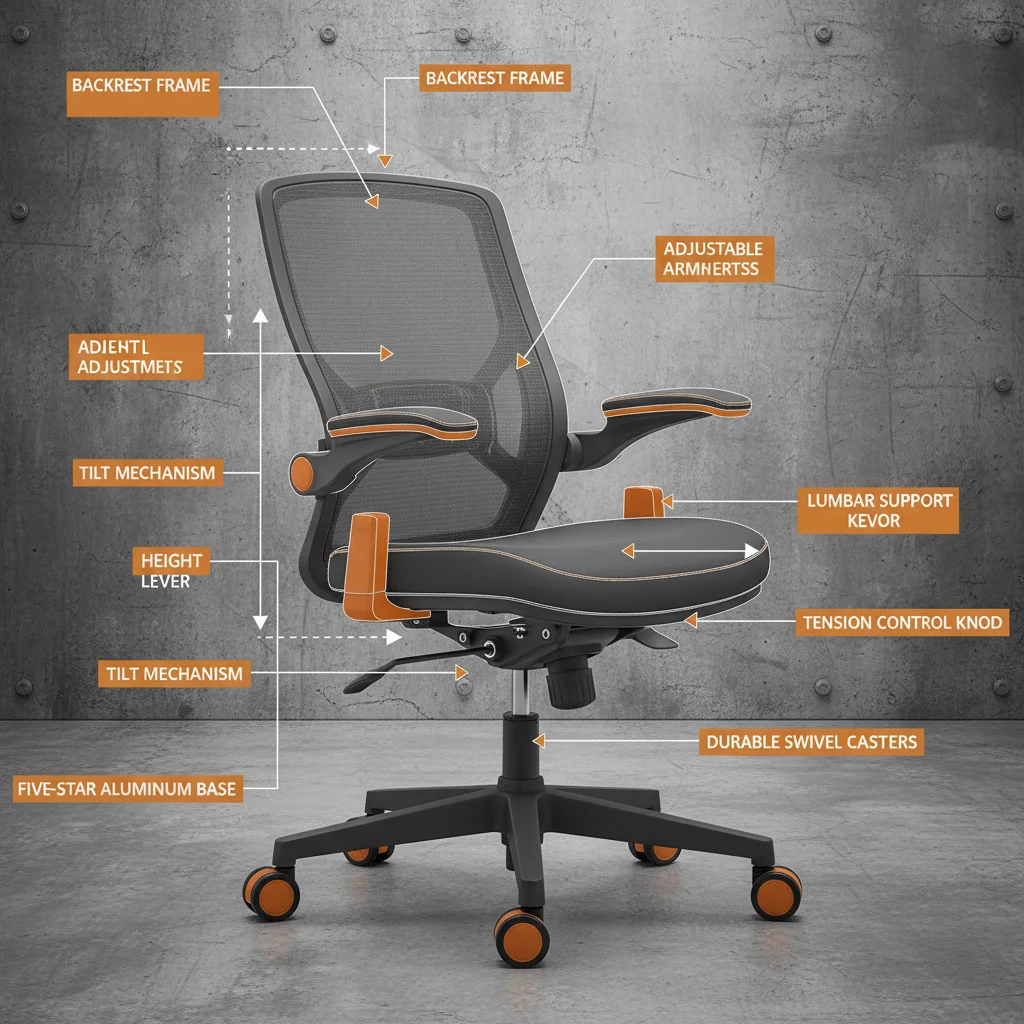
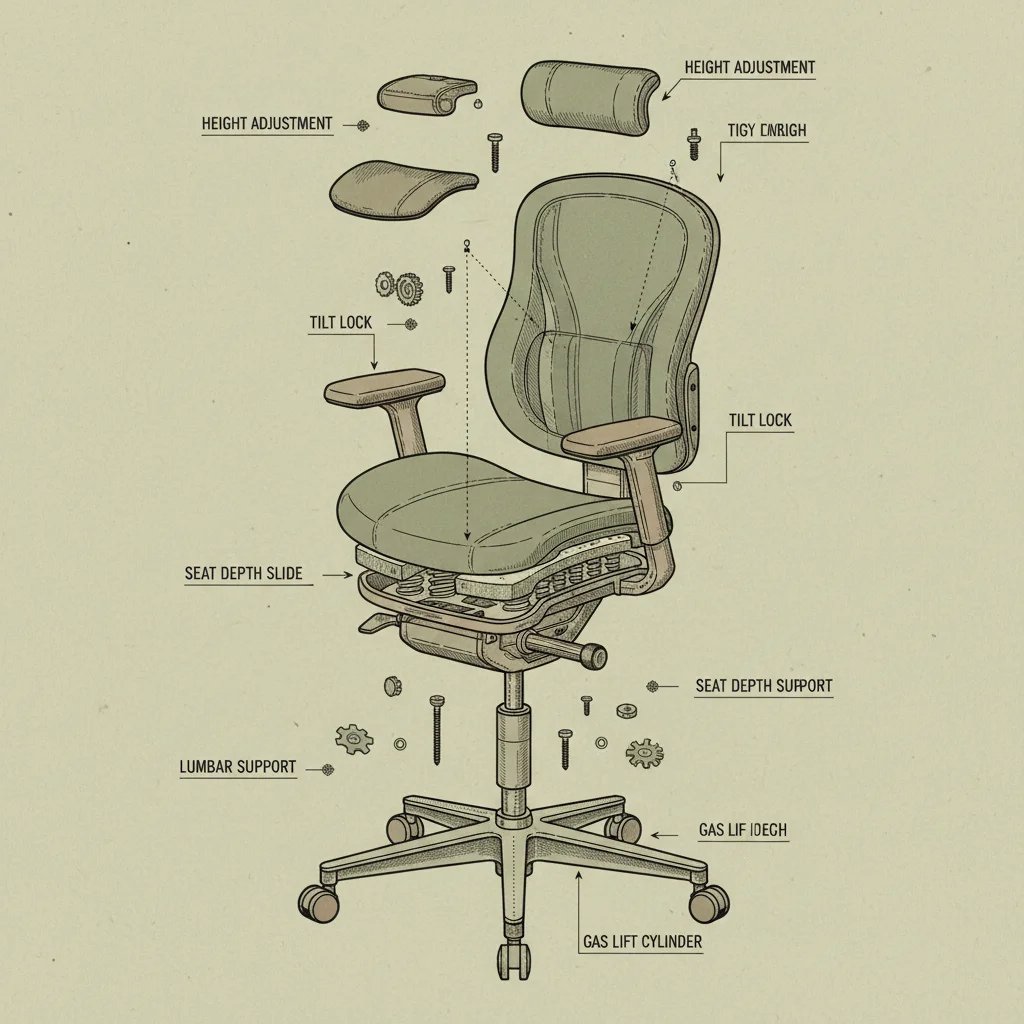
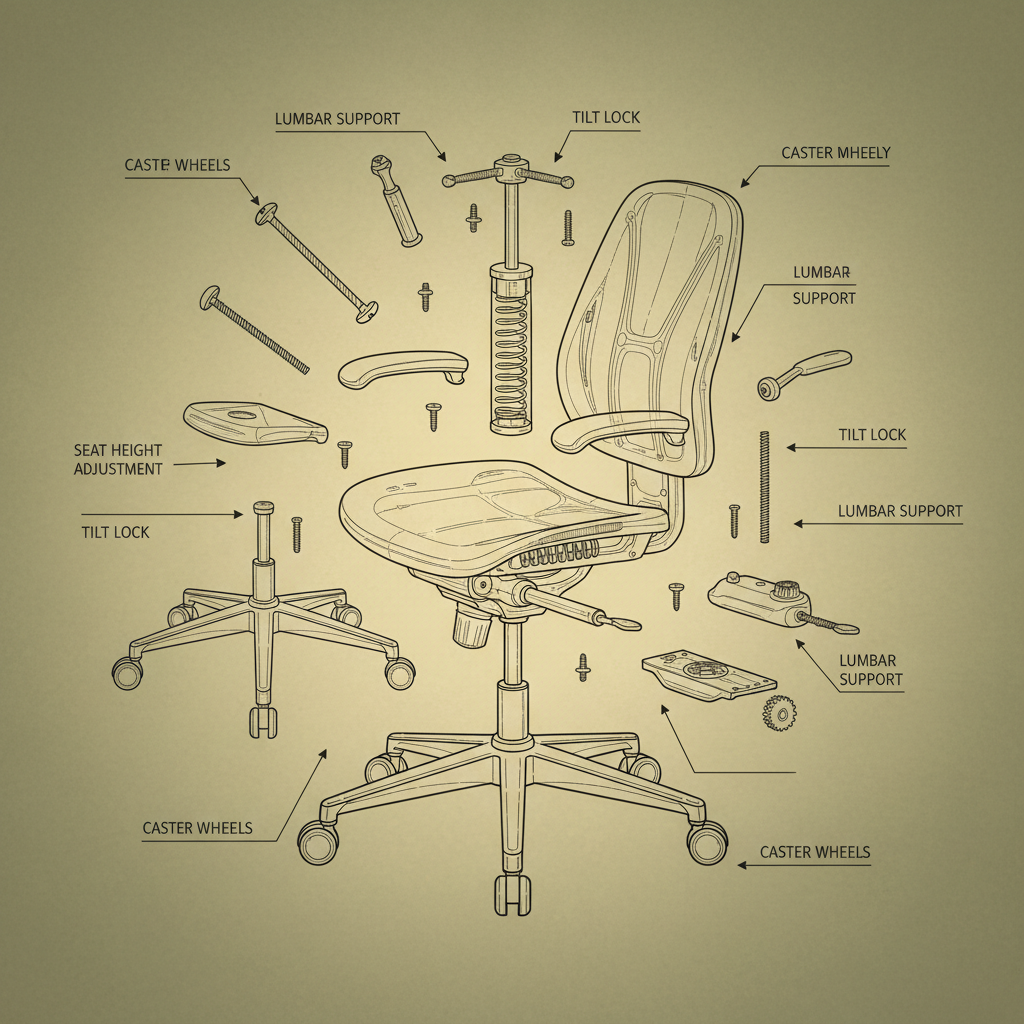
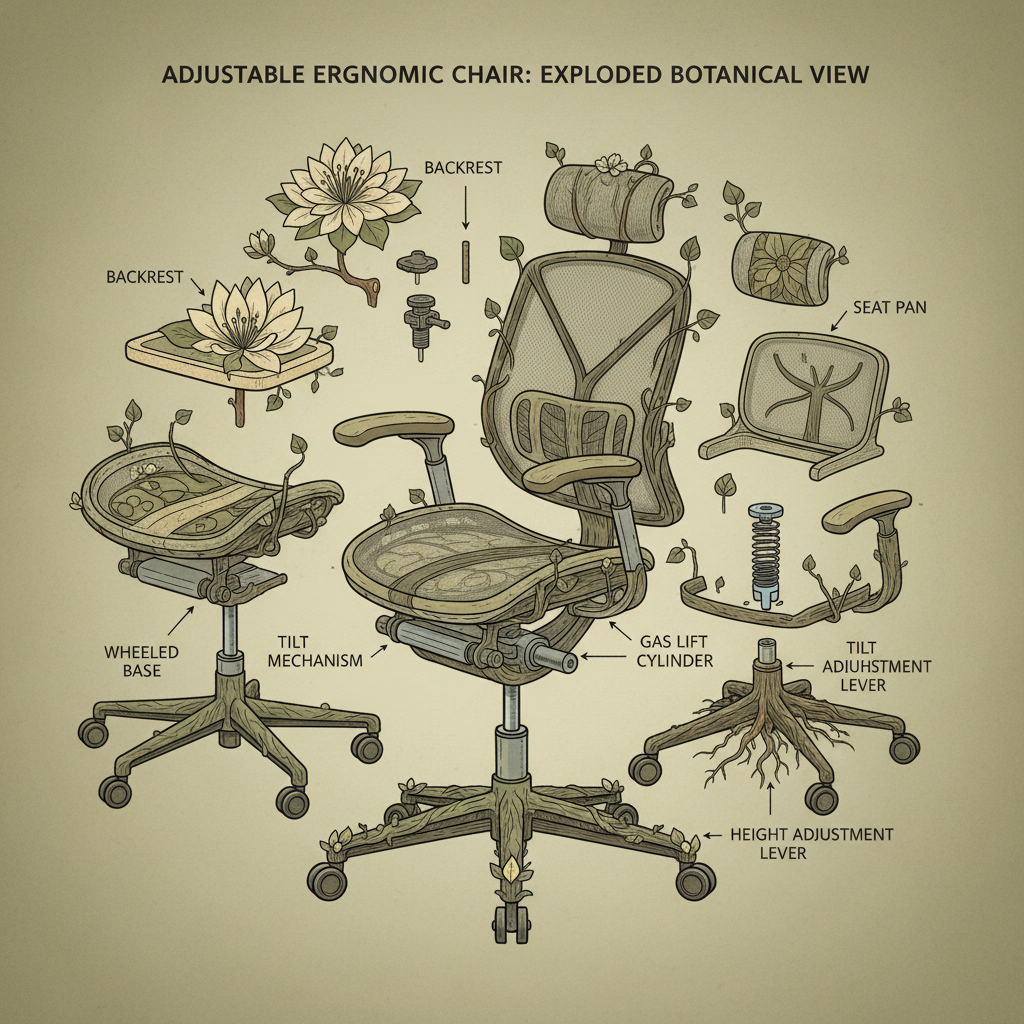
Several key features define the functionality of a high-quality adjustable chair with wheels. These include seat height adjustability, allowing users to position their feet flat on the floor and maintain proper leg circulation; backrest adjustability, providing lumbar support and promoting a natural spinal curve; and armrest adjustability, reducing strain on the shoulders and neck.

Beyond these core features, considerations like seat depth, tilt tension, and swivel functionality contribute to a truly personalized ergonomic experience. The quality of the materials used – from the frame and cushioning to the casters and adjustment mechanisms – also significantly impacts the chair's durability and long-term performance. The base and wheel quality determine ease of movement and stability.

Ultimately, the goal is to create a seating solution that adapts to the individual, rather than forcing the individual to adapt to the chair. A well-designed adjustable chair with wheels facilitates dynamic movement and promotes a healthy posture throughout the workday.

Applications Across Diverse Sectors

The applications of an adjustable chair with wheels extend far beyond traditional office environments. In healthcare, adjustable chairs are vital for medical professionals who spend long hours seated during procedures or consultations. In education, they are increasingly used in classrooms and labs to support students with varying needs and promote active learning.

Furthermore, the gaming industry has embraced ergonomic seating, recognizing the importance of comfort and support for players engaged in prolonged gaming sessions. Even in creative fields like design and art, where posture can significantly impact performance, adjustable chairs are becoming standard equipment.

Adjustable Chair with Wheels - Feature Importance Ratings

The Advantages: Long-Term Benefits and ROI

The benefits of investing in an adjustable chair with wheels extend beyond immediate comfort. Reduced risk of musculoskeletal disorders translates to fewer sick days, increased productivity, and lower healthcare costs. From a business perspective, this represents a significant return on investment.

From an individual perspective, a high-quality adjustable chair promotes better posture, reduces fatigue, and enhances focus. These factors contribute to increased job satisfaction and overall well-being. Moreover, a durable, well-maintained chair offers long-term value, making it a sustainable investment.

Future Trends and Technological Advancements

The future of adjustable chair with wheels is poised for innovation. We’re seeing the integration of smart technology, including sensors that monitor posture and provide real-time feedback, and chairs that automatically adjust to the user’s body. Sustainable materials and eco-friendly manufacturing processes are also gaining prominence.

Furthermore, advancements in biomechanics and ergonomic research will continue to drive improvements in chair design. The incorporation of AI to personalize seating configurations based on individual user data is a burgeoning trend.

Expect to see chairs that dynamically respond to movement, offering unparalleled support and comfort. Digital integration will also play a larger role, with chairs potentially connecting to health and wellness platforms.

Challenges and Innovative Solutions

Despite the numerous benefits, challenges remain in the widespread adoption of ergonomic seating. Cost can be a barrier, particularly for small businesses and individuals. Additionally, ensuring proper chair adjustment and educating users on ergonomic principles are crucial for maximizing benefits.

Innovative solutions include offering financing options and leasing programs to make adjustable chairs more accessible. Developing user-friendly adjustment guides and providing ergonomic training workshops can empower users to optimize their seating experience.

Another challenge is the standardization of ergonomic certifications. Establishing clear and consistent standards can help consumers identify high-quality, truly ergonomic products.

Summary of Key Considerations for Adjustable Chair Selection

Feature Category Importance Level Typical Cost Range Long-Term Durability (Years)
Lumbar Support High $100 - $300 5-10
Seat Adjustability High $150 - $400 7-12
Armrest Features Medium $80 - $250 4-8
Backrest Support High $120 - $350 6-10
Wheelbase Quality Medium $50 - $150 3-7
Overall Construction High $200 - $600+ 8-15+

FAQS

What is the primary benefit of using an adjustable chair with wheels?

The primary benefit lies in its ability to promote better posture and reduce strain on the back, neck, and shoulders. The adjustability allows users to customize the chair to their specific body type and work setup, while the wheels enhance mobility. This proactive approach to ergonomics can significantly reduce the risk of musculoskeletal disorders and improve overall comfort and productivity. Investing in an adjustable chair with wheels is an investment in long-term health and well-being.

How often should I adjust my adjustable chair with wheels throughout the day?

It's recommended to adjust your adjustable chair with wheels periodically throughout the day, ideally every 30-60 minutes. Small adjustments to height, backrest angle, and armrest position can help maintain optimal posture and prevent stiffness. Listen to your body and make adjustments as needed to ensure you remain comfortable and supported. Dynamic movement is key!

Are adjustable chairs with wheels suitable for individuals with existing back pain?

An adjustable chair with wheels can be beneficial for individuals with existing back pain, *but* it's crucial to consult with a healthcare professional or ergonomist. A properly adjusted chair can provide support and reduce strain, but an incorrectly adjusted chair can exacerbate the problem. Features like lumbar support and adjustable height are particularly important.

What is the average lifespan of a high-quality adjustable chair with wheels?

A high-quality adjustable chair with wheels, with proper care and maintenance, can last anywhere from 5 to 15 years or even longer. The lifespan depends on factors such as the materials used, the frequency of use, and the weight capacity. Regular cleaning and tightening of screws can help prolong the chair's life.

How do I choose the right adjustable chair with wheels for my specific needs?

Consider your body type, work habits, and budget. Look for features that address your specific needs, such as adjustable lumbar support if you have lower back pain. Read reviews and compare different models. If possible, try out the chair in person before making a purchase. A adjustable chair with wheels is a long-term investment, so it’s important to choose wisely.

What materials are commonly used in the construction of adjustable chairs with wheels?

Common materials include steel for the frame, providing durability and stability; high-density foam for cushioning, offering comfort and support; breathable mesh or fabric upholstery, promoting airflow; and durable plastic or aluminum for the base and casters. The quality of these materials significantly impacts the chair's longevity and performance. Choosing materials that align with your needs is crucial.

Conclusion

In conclusion, the adjustable chair with wheels is far more than just a seating solution. It’s an investment in health, productivity, and overall well-being. By understanding its core components, global relevance, and future trends, individuals and organizations can make informed decisions that prioritize ergonomic comfort and long-term sustainability. From reducing the risk of musculoskeletal disorders to enhancing focus and creativity, the benefits are undeniable.

Looking ahead, the continued integration of technology and sustainable materials will further enhance the capabilities of adjustable chairs. Prioritizing ergonomic education and accessibility will be key to ensuring that everyone can experience the benefits of dynamic seating. Visit our website at CD Gaming Furniture to explore our range of adjustable chairs and find the perfect solution for your needs.

Ethan Turner

Ethan Turner

Ethan is the Marketing Director at Cangzhou Jiujiang, focusing on expanding the brand's presence in North America. With over a decade of experience in outdoor apparel marketing, Ethan leverages his knowledge to promote the company’s PU rainwear, emphasizing its BSCI and GRS certifications.

Previous Adjustable Chair on Wheels Ergonomic Solutions
Next The Importance of an Adjustable Drafting Chair for Ergonomic Workspaces

If you are interested in our products, you can choose to leave your information here, and we will be in touch with you shortly.