The modern workplace and home environments demand adaptability and comfort, and the adjustable chair on wheels embodies these needs perfectly. These chairs are no longer a luxury, but a necessity in promoting ergonomic wellbeing, increasing productivity, and fostering inclusivity. From bustling corporate offices to individual home workspaces, the ability to customize seating positions and navigate spaces with ease significantly impacts how people work and live. The global market for ergonomic furniture, including adjustable chairs on wheels, is experiencing substantial growth, driven by increasing awareness of the importance of musculoskeletal health and the rise of remote work.
The prevalence of sedentary lifestyles and prolonged periods of sitting contribute to various health issues, making ergonomic solutions like the adjustable chair on wheels crucial. According to the World Health Organization (WHO), a significant portion of the global population experiences back pain, often linked to improper posture and inadequate seating. The ISO standards related to ergonomic office furniture emphasize the importance of adjustable features to accommodate a diverse range of users and promote healthy posture. Addressing these challenges is not merely about comfort; it’s about safeguarding public health and bolstering economic productivity.
The increasing adoption of flexible work arrangements further elevates the importance of a versatile seating solution like the adjustable chair on wheels.

The Essential Role of Adjustable Chairs on Wheels
The adjustable chair on wheels has evolved from a basic office fixture to a vital tool for enhancing wellbeing and productivity. Its primary role lies in promoting proper posture, reducing strain on the musculoskeletal system, and enabling users to maintain comfortable positions throughout the day. This is particularly important in today’s work environment, where many individuals spend extended hours sitting. Investing in a quality adjustable chair is not merely about comfort; it's a proactive step towards preventing long-term health issues and creating a more sustainable work style.
Beyond individual health, adjustable chairs on wheels contribute to a more inclusive work environment. By accommodating a wider range of body types and preferences, these chairs ensure that all employees have access to comfortable and supportive seating, regardless of their physical characteristics. This commitment to inclusivity can significantly boost morale and contribute to a more positive and equitable workplace culture.
Defining the Adjustable Chair on Wheels
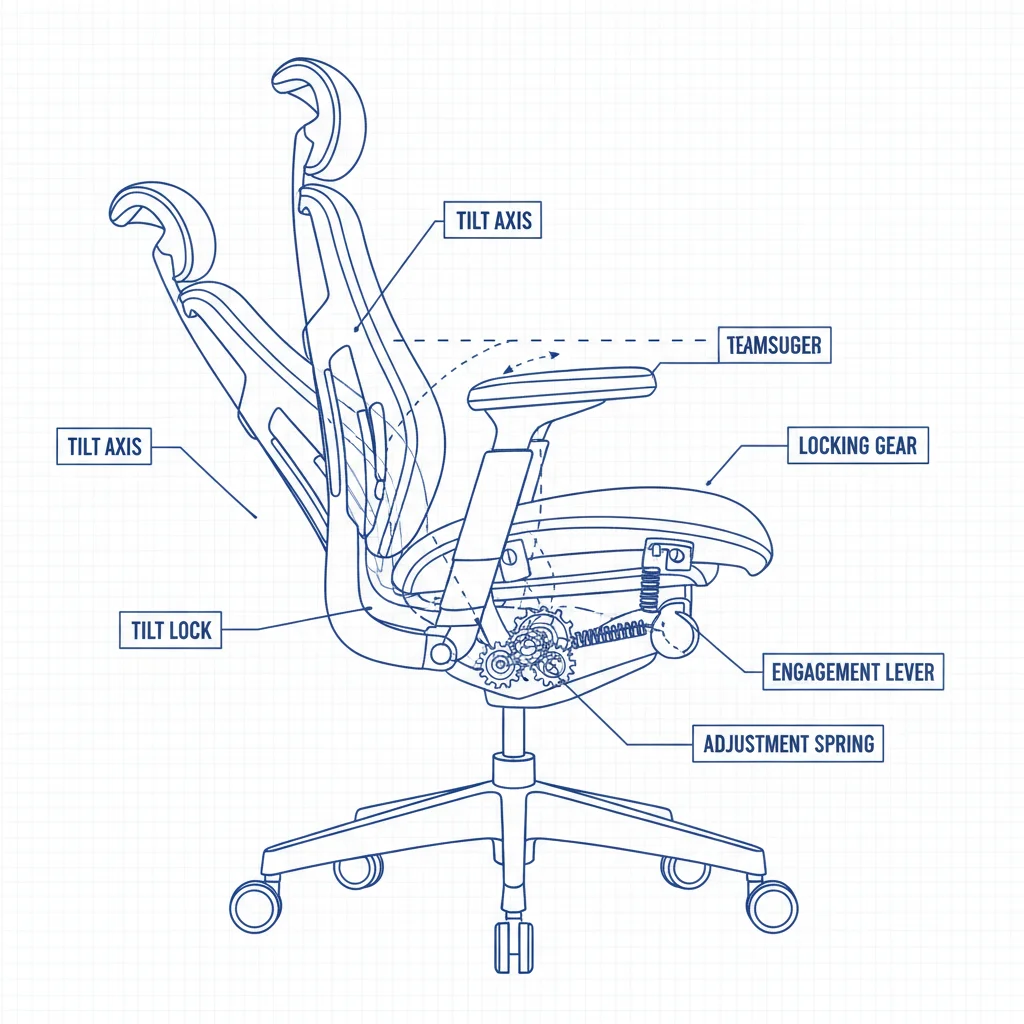
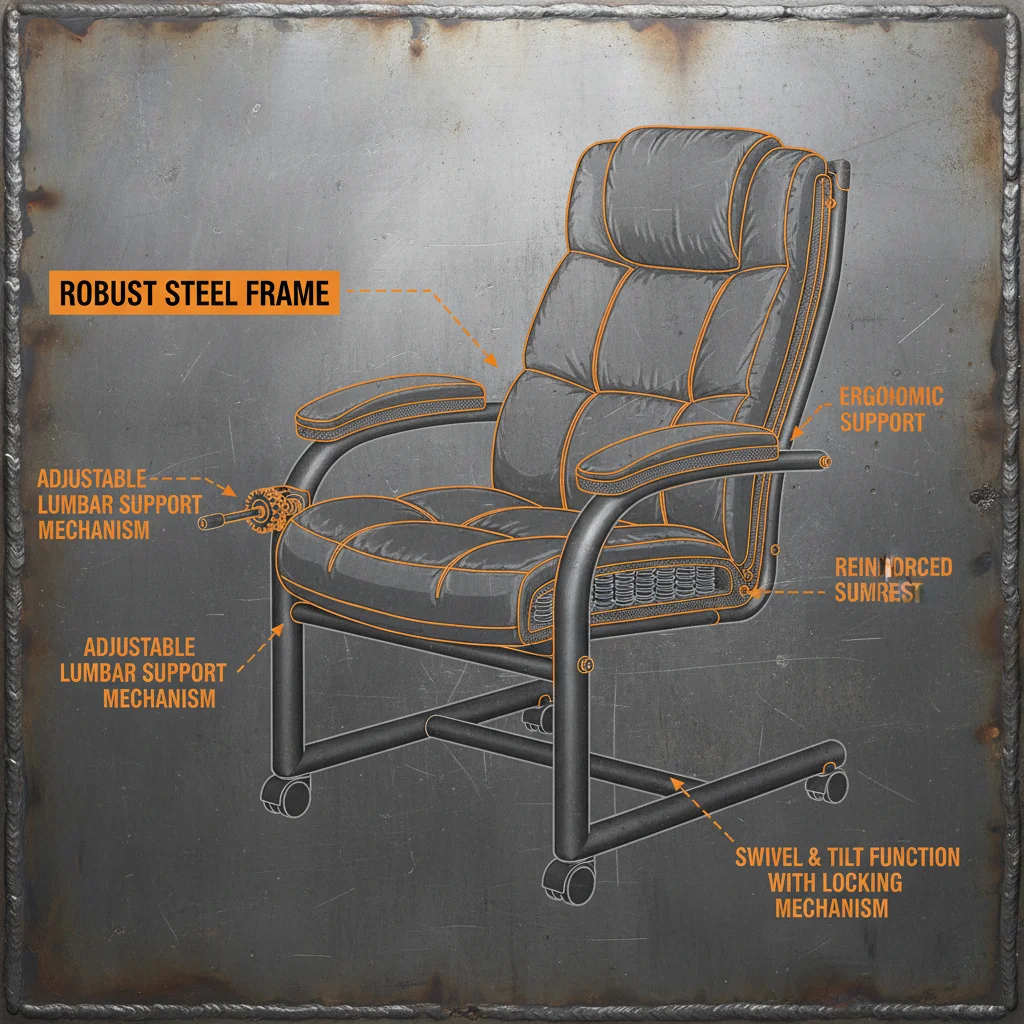
An adjustable chair on wheels is a seating solution designed to provide customizable support and ergonomic positioning for the user. Key features include adjustable height, backrest angle, armrest position, and lumbar support, all combined with a wheeled base for easy maneuverability. This allows individuals to tailor the chair to their specific body dimensions and preferences, promoting optimal posture and minimizing strain. These chairs are constructed from a variety of materials, including mesh, fabric, and leather, with varying levels of cushioning and support.
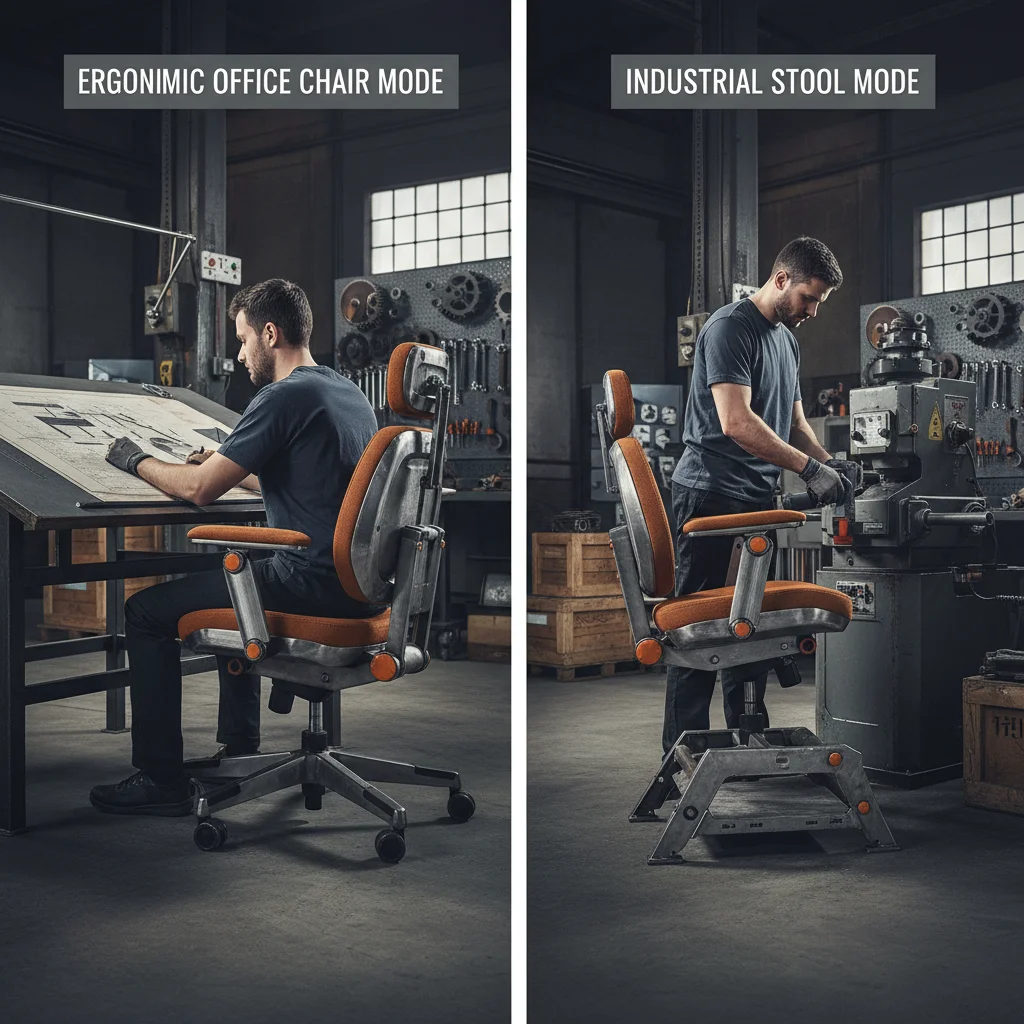
The connection to modern industry and humanitarian needs is multifaceted. In industrial settings, adjustable chairs on wheels enhance worker comfort and productivity on assembly lines and in control rooms. In healthcare, they offer crucial support for medical professionals during long shifts. Furthermore, these chairs can be adapted for use in educational institutions, providing comfortable and flexible seating for students.
The adaptability of an adjustable chair on wheels allows for personalized comfort and promotes a healthier work or living environment.
Core Components of an Adjustable Chair on Wheels
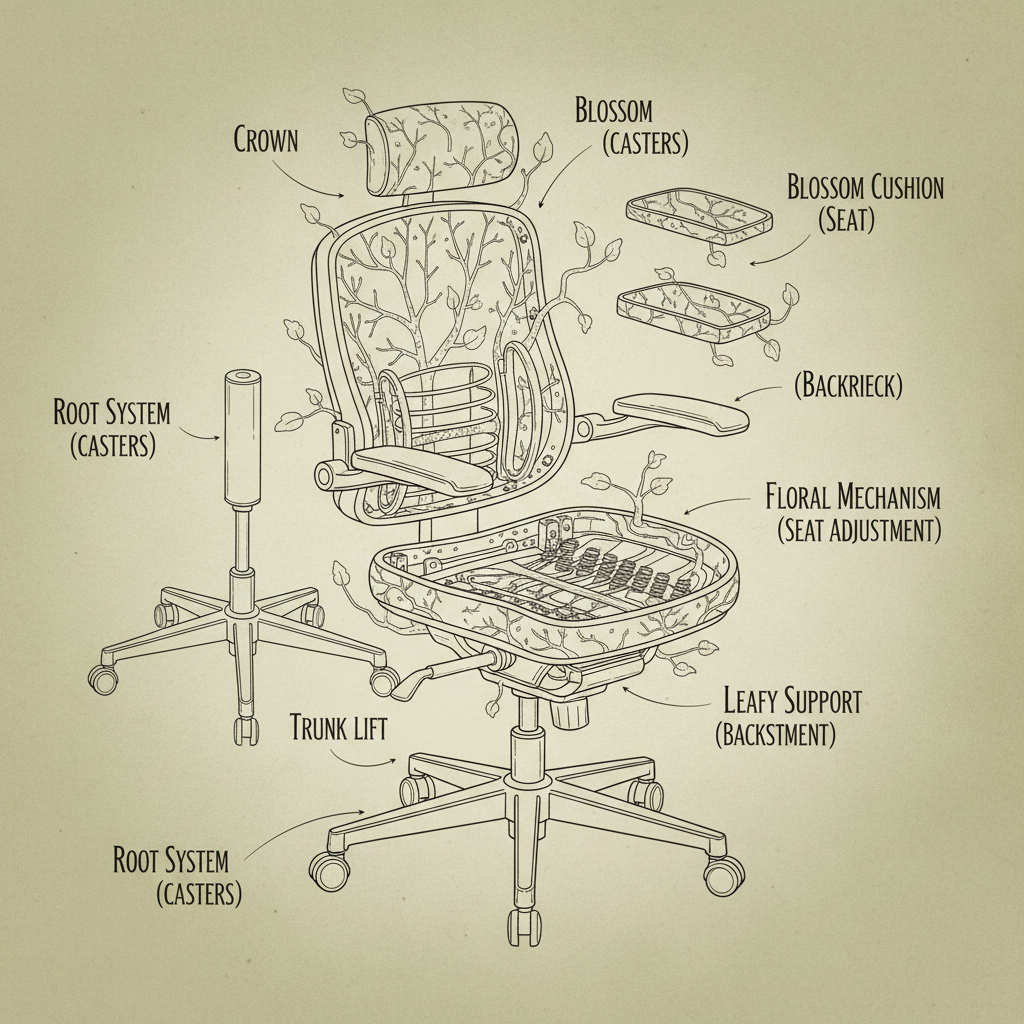
Several core components contribute to the functionality and ergonomic benefits of an adjustable chair on wheels. These include the seat pan, which provides the primary support surface; the backrest, which supports the spine and promotes proper posture; the armrests, which reduce strain on the shoulders and neck; the height adjustment mechanism, which allows for customization to individual body dimensions; and the wheeled base, which enables easy maneuverability. The quality and design of each component are crucial to the overall performance of the chair.
Durability is a vital aspect of these components. A robust frame, high-quality materials, and reliable mechanisms are essential for ensuring the chair withstands daily use and maintains its functionality over time. Cost-efficiency is also important; a well-designed chair should offer a balance between affordability and quality. Scalability refers to the chair’s ability to accommodate a wide range of users with varying body types and preferences. Finally, ergonomic design is paramount, ensuring the chair promotes proper posture and minimizes strain on the body.
These components work in harmony to deliver a personalized and supportive seating experience, essential for maintaining comfort and productivity throughout the day. The right combination of these features can significantly reduce the risk of musculoskeletal disorders and enhance overall wellbeing.
Global Applications of Adjustable Chair on Wheels
Adjustable chair on wheels solutions are widely implemented across various sectors globally. In corporate offices, they are standard equipment, promoting employee wellbeing and productivity. In healthcare facilities, they are used by doctors, nurses, and administrative staff to provide comfortable and ergonomic seating during long shifts. Educational institutions utilize them in classrooms and libraries to support students and faculty.
The applications extend beyond traditional office and institutional settings. In remote industrial zones, adjustable chairs enhance worker comfort and safety in control rooms and assembly areas. In post-disaster relief operations, they can provide much-needed comfort and support for aid workers and displaced individuals. The adaptability of these chairs makes them suitable for diverse environments and user needs.
Regions with strong economies and a focus on worker wellbeing, such as North America, Europe, and Japan, have a high adoption rate of ergonomic furniture, including adjustable chairs on wheels. However, demand is also growing in emerging markets as awareness of the importance of ergonomics increases.
Adjustable Chair on Wheels – Feature Importance Ratings
Advantages and Long-Term Value of Adjustable Chair on Wheels
The benefits of investing in an adjustable chair on wheels extend beyond immediate comfort. Cost-efficiency is a significant advantage, as these chairs can help reduce healthcare costs associated with musculoskeletal disorders and lost productivity. Sustainability is another key factor, as durable, high-quality chairs have a longer lifespan, reducing the need for frequent replacements.
The social impact is considerable, as ergonomic seating promotes employee wellbeing and inclusivity. Reliability is also crucial, ensuring the chair provides consistent support and functionality over time. From a safety perspective, proper posture and reduced strain minimize the risk of accidents and injuries.
Future Trends in Adjustable Chair on Wheels Technology
Future innovations in adjustable chair on wheels design will likely focus on incorporating smart technologies, such as sensors that monitor posture and provide real-time feedback. Materials science will play a role, with the development of more breathable, sustainable, and customizable fabrics and cushioning. The integration of artificial intelligence (AI) could personalize chair settings based on individual user needs and preferences.
Digital transformation will also impact the industry, with the rise of online customization tools and virtual reality (VR) fitting experiences. Automation in manufacturing processes will lead to more efficient production and lower costs. Sustainability will remain a key driver, with a focus on using recycled materials and reducing the environmental impact of chair production and disposal.
Challenges and Solutions in Adjustable Chair on Wheels Design and Implementation
Despite the numerous benefits, there are challenges associated with the design and implementation of adjustable chairs on wheels. One common issue is the cost of high-quality ergonomic chairs, which can be prohibitive for some individuals and organizations. Another challenge is ensuring proper chair fit and adjustment, as many users may not be aware of how to optimize the chair’s settings for their specific needs.
Solutions include exploring innovative materials and manufacturing processes to reduce costs, providing educational resources and training on proper chair adjustment, and developing user-friendly interfaces for customizing chair settings. Addressing these challenges will require collaboration between designers, manufacturers, and ergonomists.
The integration of smart technologies can also help address these challenges, providing personalized recommendations and automated adjustments to ensure optimal support and comfort.
Summary of Key Performance Indicators for Adjustable Chair on Wheels
| Ergonomic Feature |
Durability Score (1-10) |
User Comfort Rating (1-10) |
Cost-Effectiveness (1-10) |
| Adjustable Lumbar Support |
8 |
9 |
7 |
| Adjustable Armrests |
7 |
8 |
6 |
| Height Adjustment Range |
9 |
7 |
8 |
| Backrest Recline Mechanism |
6 |
9 |
7 |
| Wheeled Base Quality |
7 |
6 |
5 |
| Material Breathability |
8 |
8 |
6 |
FAQS
Adjustable chairs on wheels offer numerous ergonomic benefits, including improved posture, reduced strain on the spine and muscles, and increased comfort. By allowing users to customize the chair's settings, they can maintain optimal spinal alignment and minimize the risk of musculoskeletal disorders. The wheeled base further enhances ergonomics by enabling easy movement and reducing the need for stretching and twisting.
To properly adjust your chair, start by setting the height so your feet are flat on the floor and your knees are bent at a 90-degree angle. Adjust the lumbar support to fit the natural curve of your lower back. Adjust the armrests so your shoulders are relaxed and your elbows are supported. Finally, adjust the backrest angle for optimal comfort and support. Refer to the chair's manual for specific instructions.
Adjustable chairs on wheels are typically constructed from a combination of materials, including steel or aluminum for the frame, high-density foam for the cushioning, and fabric, mesh, or leather for the upholstery. The base is often made of nylon or aluminum. The choice of materials impacts the chair’s durability, comfort, and cost.
The lifespan of an adjustable chair on wheels depends on its quality, usage, and maintenance. A high-quality chair with a robust frame and durable materials can last for 5-10 years or more. However, if you notice signs of wear and tear, such as a broken adjustment mechanism or damaged upholstery, it’s time to consider a replacement.
While adjustable chairs on wheels are designed to accommodate a wide range of body types, it's essential to choose a chair with the appropriate weight capacity and dimensions. Some chairs are specifically designed for larger or smaller individuals. Always check the chair's specifications before purchasing to ensure it's suitable for your needs.
Regular cleaning and maintenance can extend the lifespan of your adjustable chair. Wipe down the upholstery with a damp cloth and mild detergent. Periodically check and tighten any loose screws or bolts. Lubricate moving parts, such as the height adjustment mechanism, to ensure smooth operation. Avoid using harsh chemicals or abrasive cleaners.
Conclusion
In conclusion, the adjustable chair on wheels stands as a cornerstone of modern ergonomic solutions. Its ability to promote proper posture, enhance comfort, and improve productivity makes it an invaluable asset in various settings, from offices to homes and beyond. By addressing the challenges of sedentary lifestyles and prioritizing user wellbeing, these chairs contribute to a healthier, more inclusive, and more efficient work environment.
Looking ahead, continued innovation in materials, design, and technology will further elevate the functionality and benefits of adjustable chairs on wheels. Embracing these advancements and prioritizing ergonomic principles is essential for creating a future where everyone has access to comfortable, supportive, and healthy seating options. Visit our website at www.cdgamingfurniture.com to explore our range of adjustable chair on wheels and discover the perfect solution for your needs.