6 way adjustable office chair
news
0%

Table of Contents

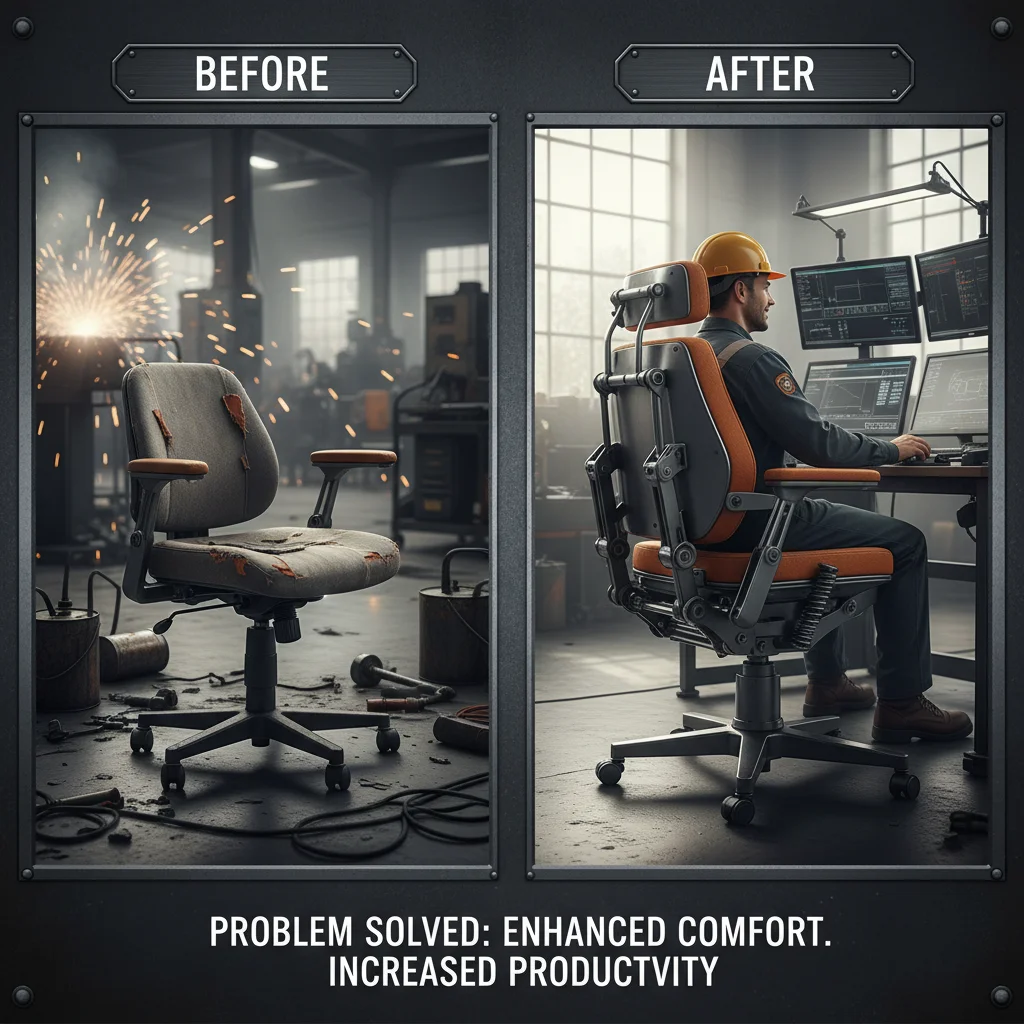
You know, I’ve been running around construction sites all year, getting my hands dirty with materials, talking to engineers… Honestly, the biggest trend I’m seeing right now is everyone scrambling for better ergonomics. It’s not just about making things look fancy anymore. Guys are spending 8, 10, 12 hours a day bent over something, and their backs are screaming. That’s where the adjustable drafting chair really comes into play, you see. It’s not a new concept, not at all, but people are finally realizing a good chair isn’t a luxury, it’s a necessity.

Have you noticed how many "ergonomic" chairs out there feel…wrong? Like they were designed by someone who’s never actually *used* a chair? I swear, some of these designs, they look good in the catalog, but then you sit in them, and it’s all wrong. The lumbar support is in the wrong place, the armrests are too high, the seat pan is too deep. It's a minefield.

And it’s not just the design, it’s the materials too. You can't skimp there. We’re using a lot of high-density molded foam for the seat – it’s got to hold its shape for years, even under heavy use. The fabric needs to be durable, breathable… I’ve seen some chairs with that cheap vinyl stuff, and it cracks and peels after a few months. Smells awful too, that vinyl. Anyway, I think good quality materials are essential.
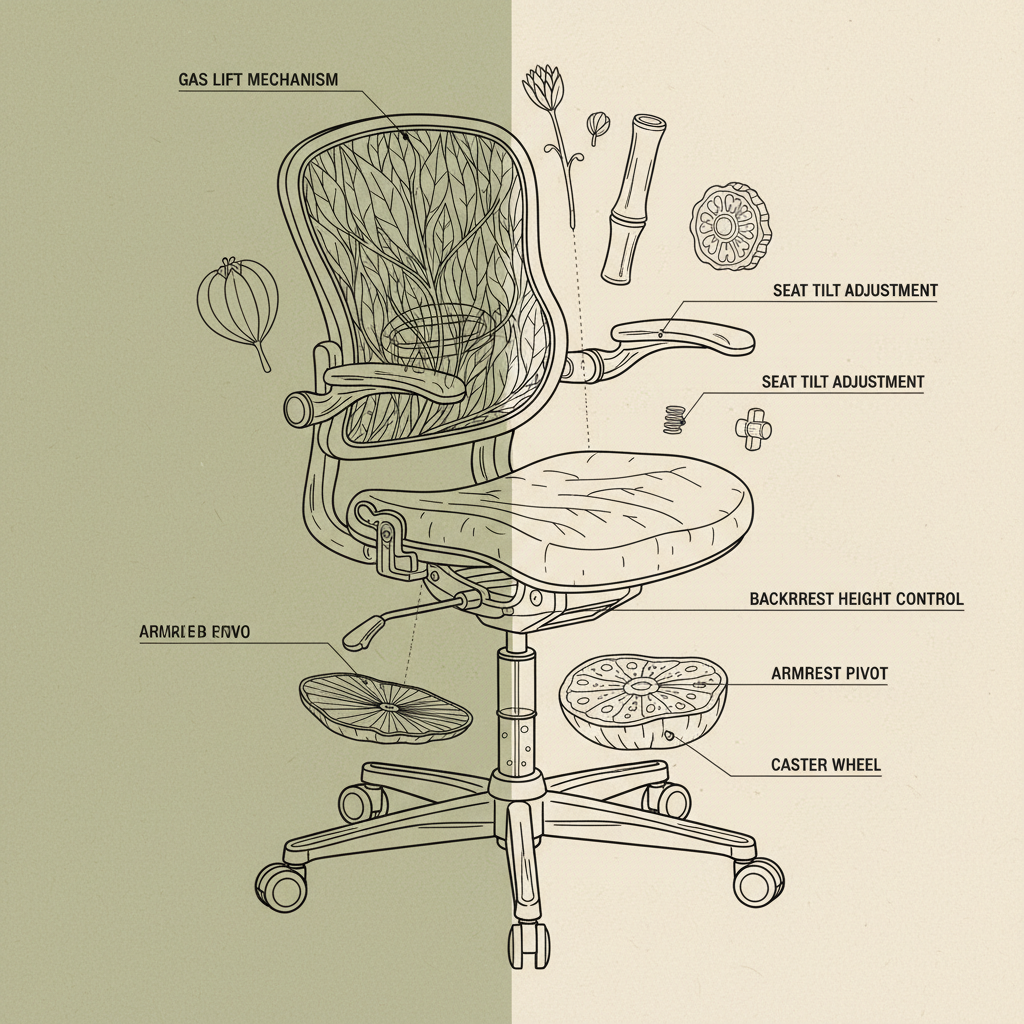
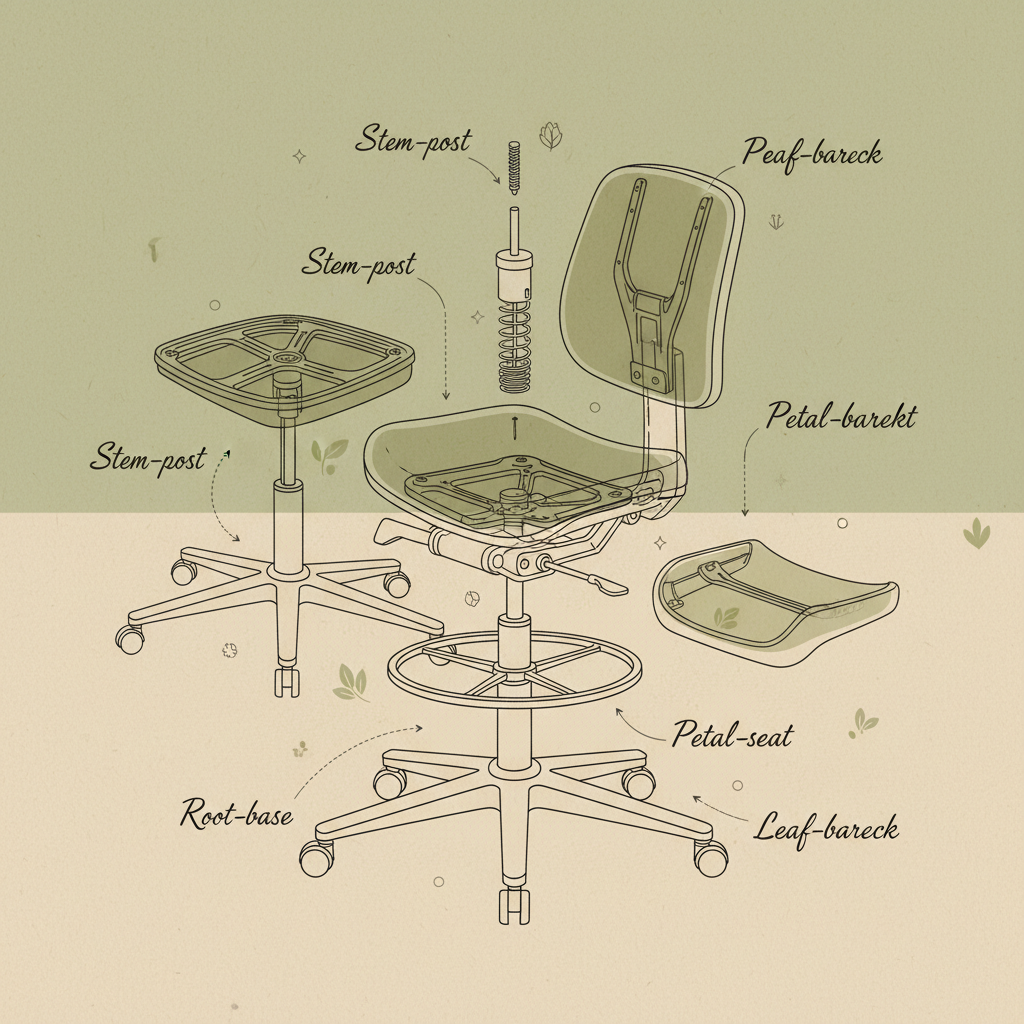
adjustable drafting chair

Industry Trends and Ergonomic Needs

adjustable drafting chair

To be honest, the demand for adjustable drafting chair isn’t coming from some fancy marketing report. It’s coming straight from the guys on the floor. I encountered this at a metal fabrication factory last time; the welders were all complaining about their necks and shoulders. They were using fixed-height stools, and it was killing them. They needed something they could adjust to their specific tasks and heights. That's the core need.

And it's not just welding, it's drafting, inspection, electronics assembly, even some types of machining. Any job where you’re bent over a workbench for extended periods. Strangely, there's even been an uptick in demand from hobbyists - model builders, artists, folks doing intricate repairs. Everyone wants to be comfortable, you know?

Design Pitfalls and Common Mistakes

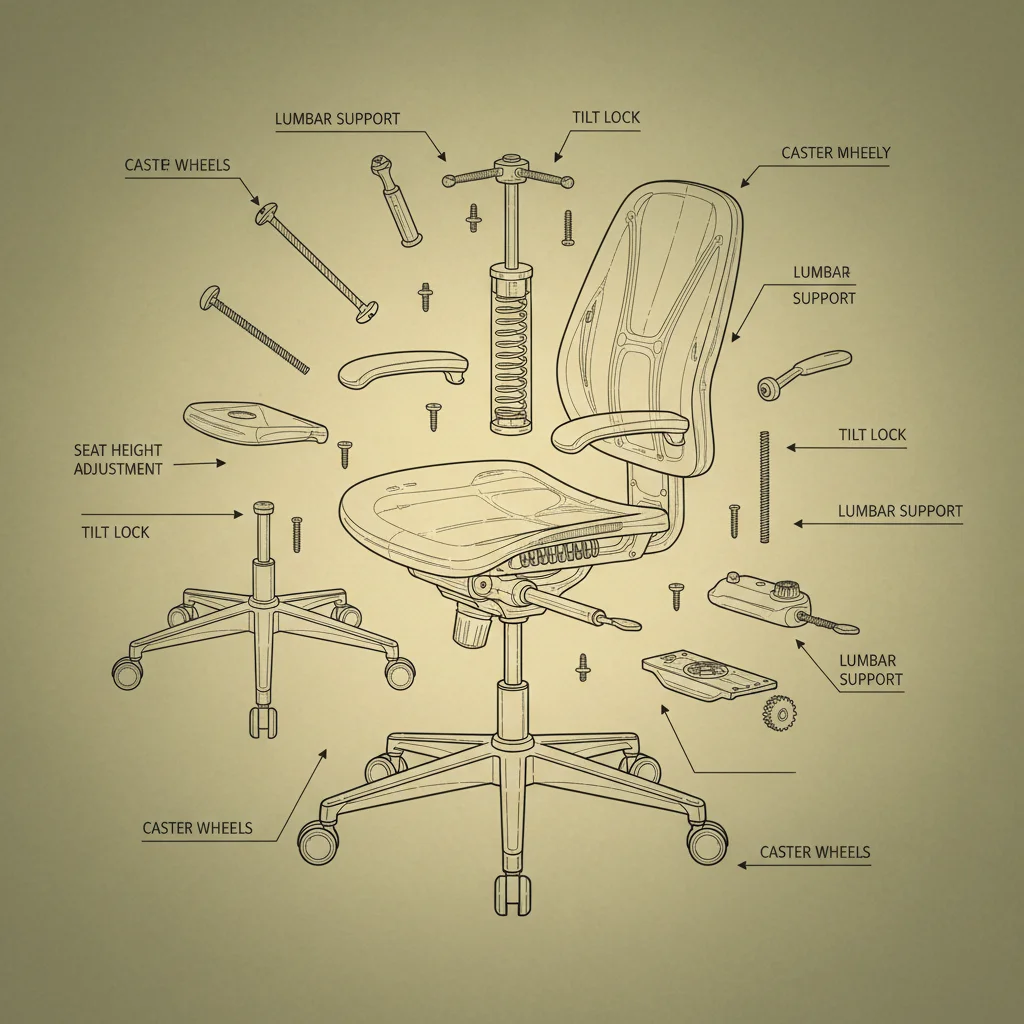
The biggest pitfall? Overcomplicating things. Look, people don't need a chair with 20 different adjustment knobs. They need a chair that adjusts to *their* height, provides good lumbar support, and doesn’t fall apart after a month. Simplicity is key. I’ve seen chairs with these ridiculous “dynamic support” systems that just end up being annoying.

Another mistake is ignoring the base. You can have the most comfortable seat in the world, but if the base isn’t stable, the whole thing is useless. It needs a wide footprint and solid construction. You wouldn’t believe how many chairs tip over on uneven surfaces.

And the footrest. Don’t even get me started on the footrest. Too high, and it’s useless. Too low, and it’s a tripping hazard. It’s got to be adjustable, obviously, but even then, it’s a tricky thing to get right.

Material Selection and Quality Control

Let's talk materials. For the frame, we primarily use steel – gotta be strong enough to handle the weight and abuse. We've experimented with aluminum, but it doesn’t quite have the same rigidity, honestly. You can feel the difference. The steel needs to be powder-coated, of course, to prevent rust. And a good quality powder coat, not that cheap stuff that scratches off if you look at it wrong.

For the upholstery, we're leaning towards a heavy-duty polyester blend. It’s breathable, durable, and easy to clean. I’ve seen some chairs with leather, which looks nice, but it’s a pain to maintain and gets hot and sweaty after a while. Polyester is just more practical for a workshop environment. It’s got that…slightly plasticky smell when it’s new, but you get used to it.

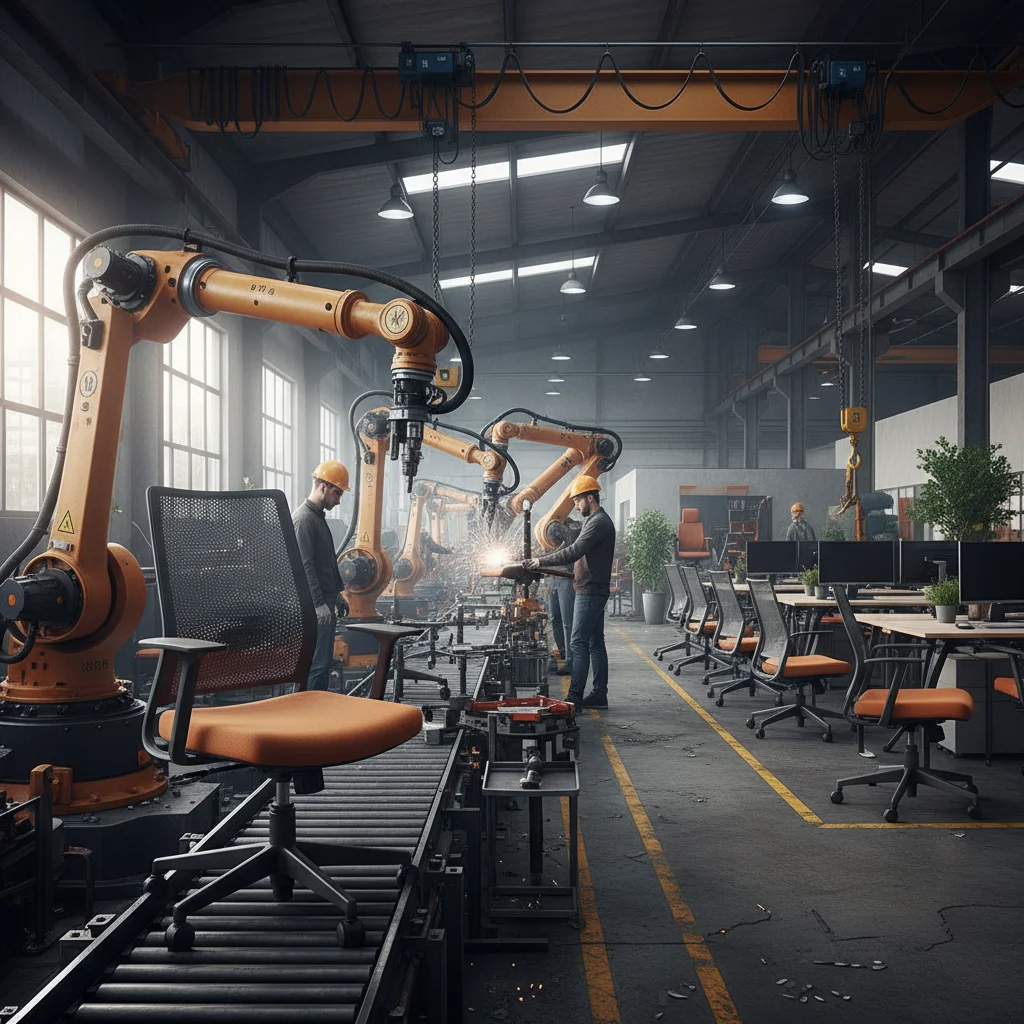
Quality control is huge. We don't just rely on factory inspections. We bring chairs back to the site, let the guys use them, and beat them up. We're looking for things like wobble, creaking, fabric wear, and adjustment mechanisms failing. It’s the only way to really know if a chair is going to hold up.

Real-World Testing and Usage Scenarios

We don’t test these chairs in a lab, not really. Labs are fine for basic stress tests, but they don’t replicate real-world conditions. We put them in actual workshops, factories, and garages. We have guys use them for full shifts, doing their normal work. It’s a much more effective way to identify problems.

I saw one guy, a circuit board assembler, using an adjustable drafting chair for a full eight-hour shift. He kept adjusting the height throughout the day, depending on what he was working on. He said it saved his back and increased his productivity. That’s the kind of feedback we need.

Adjustable Drafting Chair Performance Metrics

Advantages and Disadvantages Analysis

The biggest advantage, obviously, is adjustability. Being able to fine-tune the height and back support is a game-changer for comfort and productivity. It reduces strain and fatigue, which means fewer errors and better quality work. Plus, it's good for folks of different sizes.

But they're not perfect. They can be more expensive than a standard stool, for one. And some of the cheaper models feel…flimsy. They also require a bit of maintenance – you need to occasionally tighten screws and lubricate the adjustment mechanisms. Anyway, I think the benefits outweigh the drawbacks, especially for jobs that require prolonged sitting or standing.

Customization Options and Applications

We've had requests for all sorts of customizations. One customer, a small electronics shop owner, wanted a chair with a built-in tool tray. Seemed a little odd at first, but he said it saved him a lot of time and effort. We can also do different upholstery colors, add armrests, or modify the base to fit specific workspaces.

Another common request is for a heavier-duty base. Some of the guys working in machine shops are pretty rough on equipment, so they need something that can take a beating. We’ve started offering a reinforced base option for those applications. It costs a bit more, but it’s worth it for the peace of mind.

User Stories and On-Site Observations

Last month, that small boss in Shenzhen who makes smart home devices insisted on changing the interface to on all the chairs. He said it was more “future-proof.” It turned out the adjustment mechanism used a proprietary connector, and he’d ordered the wrong replacement parts. Chaos. Took a week to sort out. Anyway, that’s a story about customizing things *too* much.

I also saw a machinist using one of our adjustable chairs as a makeshift workbench. He’d put a piece of plywood on the seat and was using it to hold small parts. Not exactly what it was designed for, but it worked for him! People will always find ways to use things in unexpected ways.

Honestly, the most valuable feedback comes from just watching people use the chairs. You see how they adjust them, what features they use the most, and what causes them frustration. That’s where the real insights are.

Summary of key factors influencing adjustable drafting chair usability.

Work Environment User Physique Task Complexity Material Durability
Cleanroom Short Stature High Precision Stainless Steel
Welding Shop Tall Build Repetitive Motion Heavy-Duty Polymer
Electronics Assembly Average Height Moderate Complexity Reinforced Fabric
Drafting Studio Variable Height Detailed Design Powder-Coated Steel
Inspection Area Limited Mobility Visual Inspection Ergonomic Foam
Remote Field Service Diverse Body Types On-Site Repairs Portable & Lightweight

FAQS

What’s the maximum weight capacity of your adjustable drafting chairs?

Generally, our standard models can comfortably support up to 300lbs. We do offer heavy-duty versions that can handle up to 350lbs, but they’re a bit more expensive. It's always best to check the specifications for the specific model you’re interested in, especially if you're dealing with larger users. I once had a guy break one just by sitting down too hard – lesson learned! We now clearly label the weight limits.

How easy is it to assemble these chairs?

Pretty straightforward, honestly. Most of our chairs come about 80-90% assembled. It's usually just a matter of attaching the base, the armrests, and maybe the footrest. We include clear instructions, and we also have videos on our website. If someone’s really struggling, we’re happy to walk them through it over the phone. We've streamlined the process based on feedback from installers - they hated the old system.

What’s the warranty on these chairs?

We offer a one-year warranty on all our adjustable drafting chairs, covering defects in materials and workmanship. That doesn’t cover normal wear and tear, of course, or damage caused by misuse. But if something breaks due to a manufacturing flaw, we’ll replace it. We’ve gotten fewer warranty claims since we upgraded our quality control process.

Can I order a chair with custom upholstery?

Yes, we can do custom upholstery, but there's a minimum order quantity and it will increase the lead time. We can work with a variety of fabrics, vinyls, and even leather. It’s usually used by larger companies who want to match their branding. We had one customer who wanted bright orange chairs for their workshop – a bit much for my taste, but they loved them!

How do I clean and maintain the chair?

Keep it simple! Wipe down the frame with a damp cloth. For the upholstery, use a mild soap and water solution. Avoid harsh chemicals or abrasive cleaners. Occasionally, you’ll want to tighten the screws and lubricate the adjustment mechanisms to keep everything running smoothly. A little maintenance goes a long way. I tell folks to treat it like a good tool – take care of it, and it’ll take care of you.

Do you offer chairs with different types of footrests?

We do. We have a standard round footrest, a rectangular footrest, and an adjustable footrest that can be tilted and positioned. Some models also have a padded footrest for extra comfort. Choosing the right footrest depends on the user’s preferences and the type of work they’re doing. I’ve learned that folks have strong opinions about footrests, believe it or not!

Conclusion

Ultimately, adjustable drafting chair are about more than just comfort. They’re about improving productivity, reducing fatigue, and creating a safer, more ergonomic work environment. It's a small investment that can make a big difference in the long run. They can't solve every problem, but for folks who spend long hours bent over a workbench, they’re a lifesaver.

And look, at the end of the day, whether this thing works or not, the worker will know the moment he tightens the screw. They’ll feel it in their back, in their shoulders, in their overall wellbeing. That’s the true test. And that's why we keep striving to build the best adjustable drafting chair we can. Visit our website to learn more: adjustable drafting chair.

Ethan Turner

Ethan Turner

Ethan is the Marketing Director at Cangzhou Jiujiang, focusing on expanding the brand's presence in North America. With over a decade of experience in outdoor apparel marketing, Ethan leverages his knowledge to promote the company’s PU rainwear, emphasizing its BSCI and GRS certifications.

Previous Adjustable Chair with Wheels Ergonomics
Next Exploring the Design and Durability of the Modern Adjustable Easy Chair

If you are interested in our products, you can choose to leave your information here, and we will be in touch with you shortly.