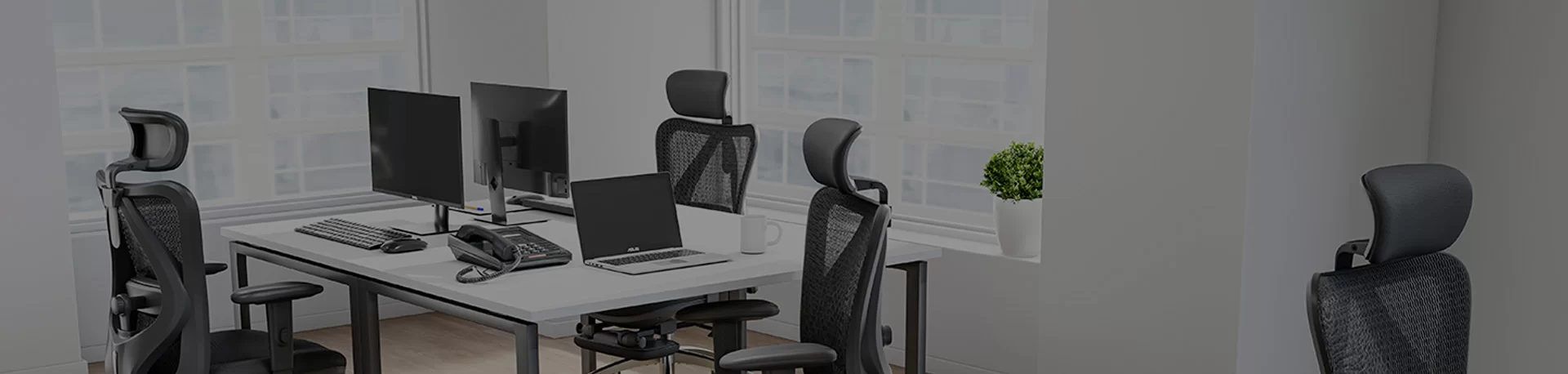
The modern workplace is fundamentally shaped by the quality and functionality of its furniture, and among these elements, chairs for offices stand out as paramount. A well-designed and ergonomically sound chair isn't just a seating option; it's an investment in employee well-being, productivity, and long-term health. Understanding the nuances of office chair design, material science, and ergonomic principles is crucial for businesses aiming to create a thriving and efficient work environment.
Globally, the demand for comfortable and supportive chairs for offices is continually increasing, driven by a growing awareness of workplace health and safety regulations. According to the International Labour Organization (ILO), musculoskeletal disorders, often linked to poor seating, are a significant cause of absenteeism and reduced productivity. This demand is especially pronounced in developing economies where rapid industrialization often outpaces the implementation of adequate ergonomic standards.
The evolution of office culture and work styles – the rise of remote work, hot-desking, and collaborative spaces – further underscores the need for adaptable and versatile seating solutions. Selecting the right chairs for offices is no longer a simple procurement task; it's a strategic decision that impacts the overall success of an organization.

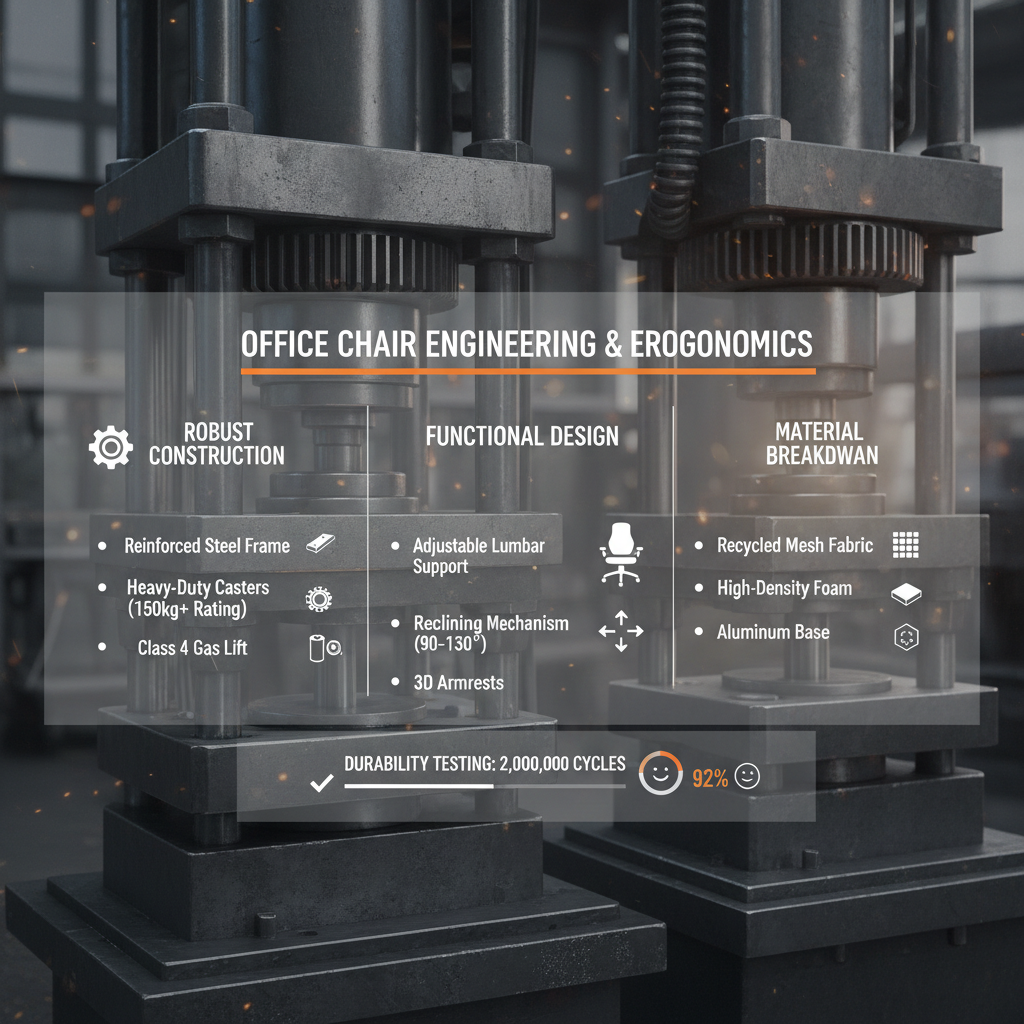
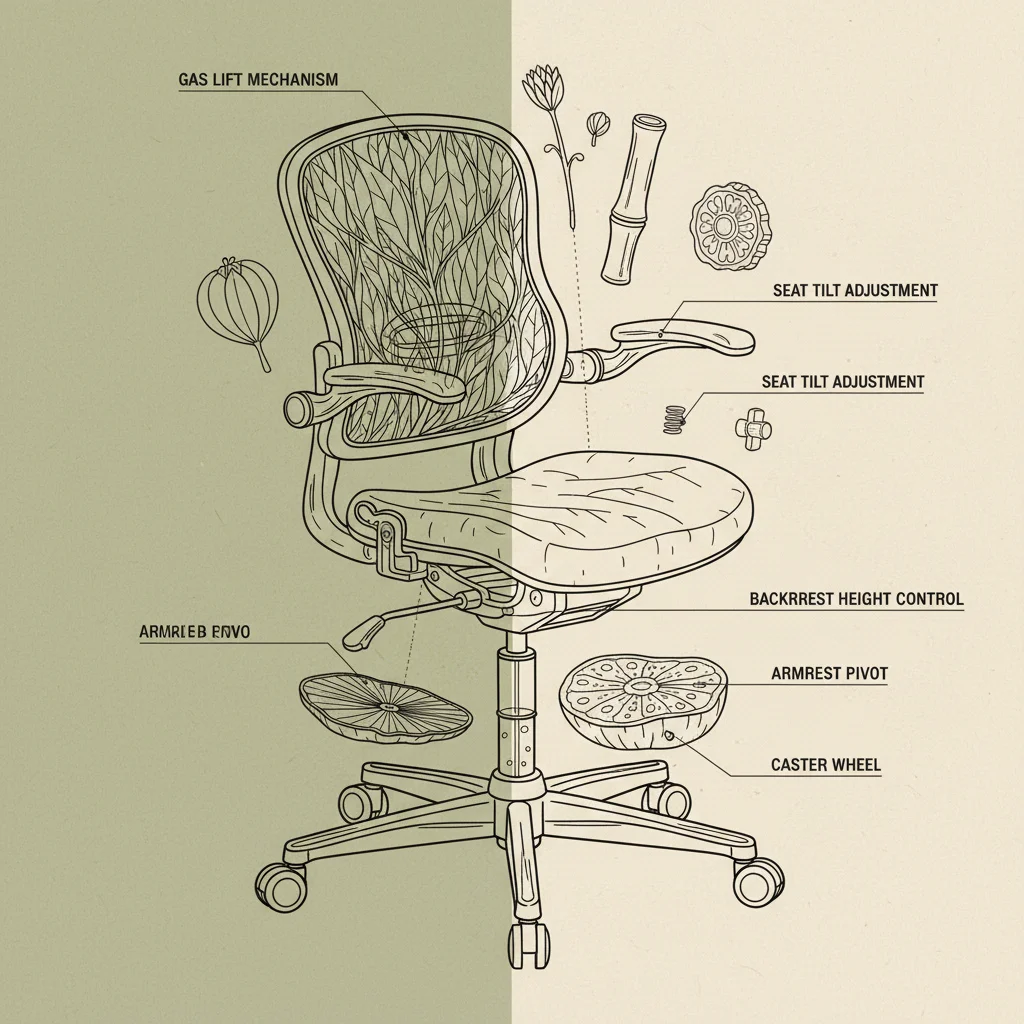
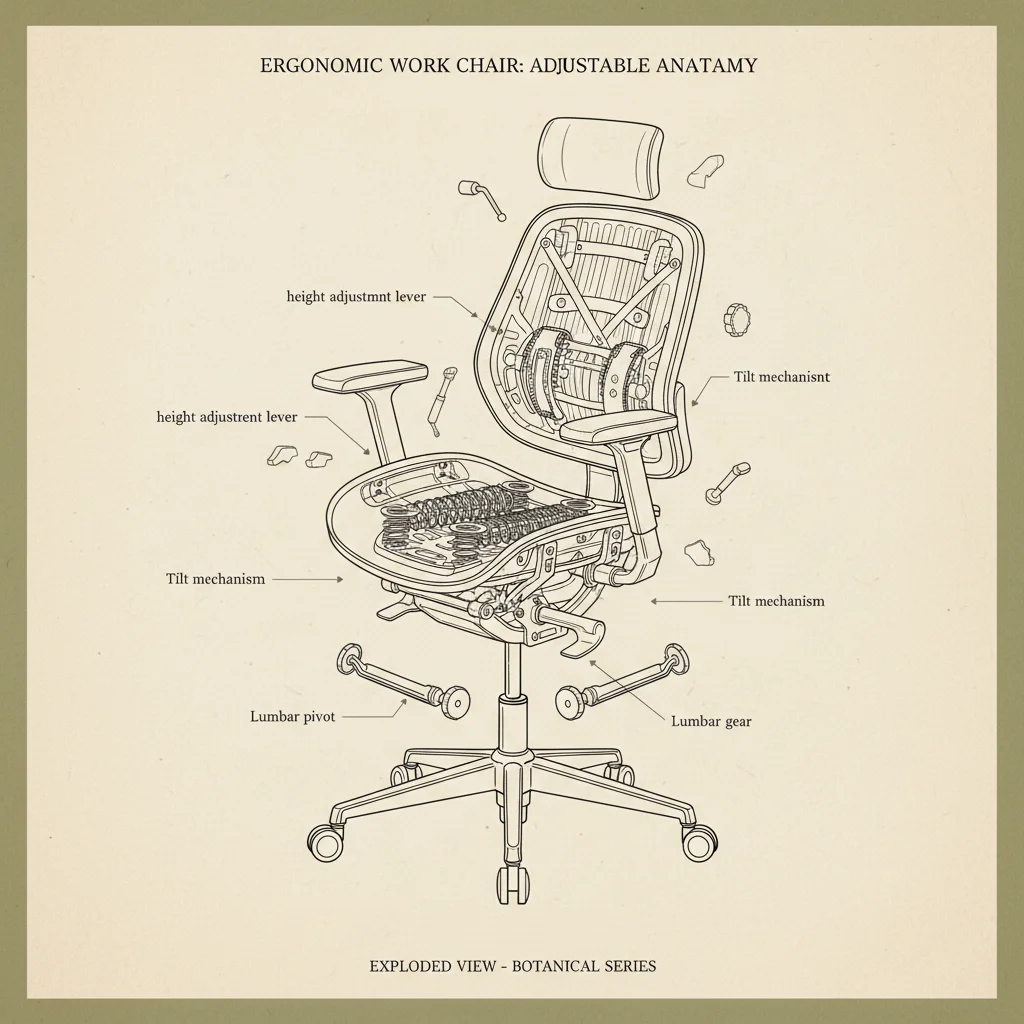
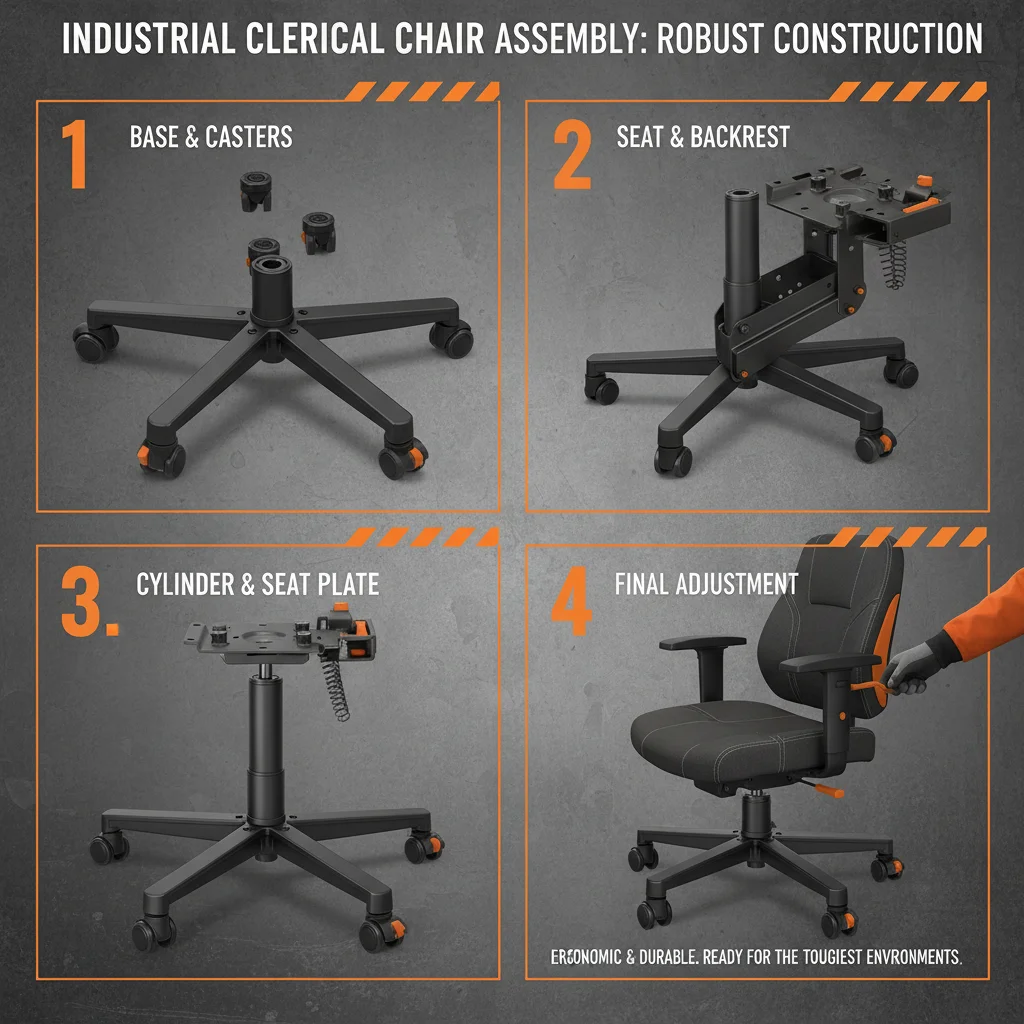
Ergonomic design is the cornerstone of effective chairs for offices. It’s about fitting the chair to the person, rather than forcing the person to fit the chair. Proper ergonomic support minimizes strain on the back, neck, and wrists, preventing musculoskeletal disorders and boosting employee comfort. Features like adjustable lumbar support, seat height, armrests, and headrests are all crucial elements of an ergonomically designed office chair.
Beyond physical health, ergonomic chairs contribute to improved cognitive function and productivity. When employees are comfortable and pain-free, they can focus better on their tasks, leading to higher quality work and increased output. Investing in ergonomic chairs for offices is therefore a tangible investment in human capital.
The ideal seat height adjustment range for most users is typically between 16 and 21 inches. This allows the chair to be adjusted to accommodate a wide variety of body heights and desk configurations. When seated, your feet should be flat on the floor or comfortably supported by a footrest, and your thighs should be parallel to the ground. Proper seat height is crucial for preventing lower back pain and promoting good posture. Investing in a chair with a wide adjustment range ensures optimal comfort and ergonomic support for all users.
Lumbar support is incredibly important in an office chair as it helps maintain the natural curvature of the spine, preventing lower back pain and fatigue. Look for chairs with adjustable lumbar support – both in height and depth – so you can customize the support to fit your individual needs. The lumbar support should fill the natural curve of your lower back when seated. Chairs with fixed lumbar support may not provide adequate support for everyone, so adjustability is key. A well-supported lower back significantly contributes to long-term comfort and productivity.
For optimal durability and breathability, mesh and high-quality fabric are the best choices for office chair upholstery. Mesh allows for excellent airflow, keeping you cool and comfortable during long work hours. It’s also relatively durable and easy to clean. High-quality fabric, such as polyester or a polyester blend, offers good durability and a wider range of color options. Leather is also durable but can be less breathable and requires more maintenance. Avoid vinyl upholstery, as it can become sticky and uncomfortable over time.
The lifespan of an office chair depends on its quality and usage, but generally, chairs should be replaced every 5-7 years. Signs it's time for a new chair include noticeable wear and tear, such as ripped upholstery, broken mechanisms, or loss of support. If the chair no longer provides adequate ergonomic support, causing discomfort or pain, it’s time to upgrade. Regular inspection and maintenance can extend the chair’s lifespan, but eventually, the wear and tear will compromise its functionality and ergonomic benefits.
Yes, there are chairs specifically designed for use with standing desks, often called drafting chairs or perch stools. These chairs are typically taller than standard office chairs and often feature a footrest to provide support. Look for chairs with adjustable height, swivel, and a comfortable seat. Back support is also important, though perch stools may have minimal backrests. The goal is to provide a comfortable and supportive seating option for when you need a break from standing but want to remain in an active posture.
BIFMA (Business and Institutional Furniture Manufacturer's Association) certification ensures that a chair meets specific safety, durability, and performance standards. GREENGUARD certification verifies that a chair has low chemical emissions, contributing to a healthier indoor air quality. These certifications demonstrate a manufacturer’s commitment to quality and environmental responsibility. Choosing chairs with these certifications provides peace of mind knowing that the product has been rigorously tested and meets established standards for safety and sustainability.
In conclusion, selecting the right chairs for offices is a crucial investment in employee well-being, productivity, and long-term sustainability. Prioritizing ergonomic design, durable materials, and thoughtful features translates into a healthier, more comfortable, and efficient work environment. The benefits extend beyond individual comfort to encompass reduced healthcare costs, increased employee engagement, and a positive impact on the environment.
As workplace dynamics continue to evolve, the future of office seating lies in innovation and adaptability. Embracing new technologies, sustainable materials, and user-centric designs will be essential for creating seating solutions that meet the changing needs of the modern workforce. Visit our website at www.cdgamingfurniture.com to explore our range of ergonomic and innovative chairs and discover how we can help you create a workspace that supports your employees and drives your business forward.

If you are interested in our products, you can choose to leave your information here, and we will be in touch with you shortly.