
You know, these days everyone’s talking about modular design. Prefabrication is the buzzword, right? Seems like every other engineer is trying to figure out how to build things off-site and just… drop them in. Honestly, it’s a bit of a scramble. Everyone’s chasing speed, lower costs – understandable, given the labor situation. But there's a lot of hype, and a lot of corners get cut. I’ve seen it.
And believe me, there are traps. So many. You think you’ve designed a beautiful, streamlined connection, and then you get it to the factory, and the welders are cursing because it’s impossible to get a good bead on it. Or the tolerances are so tight, everything has to be laser-guided to fit.
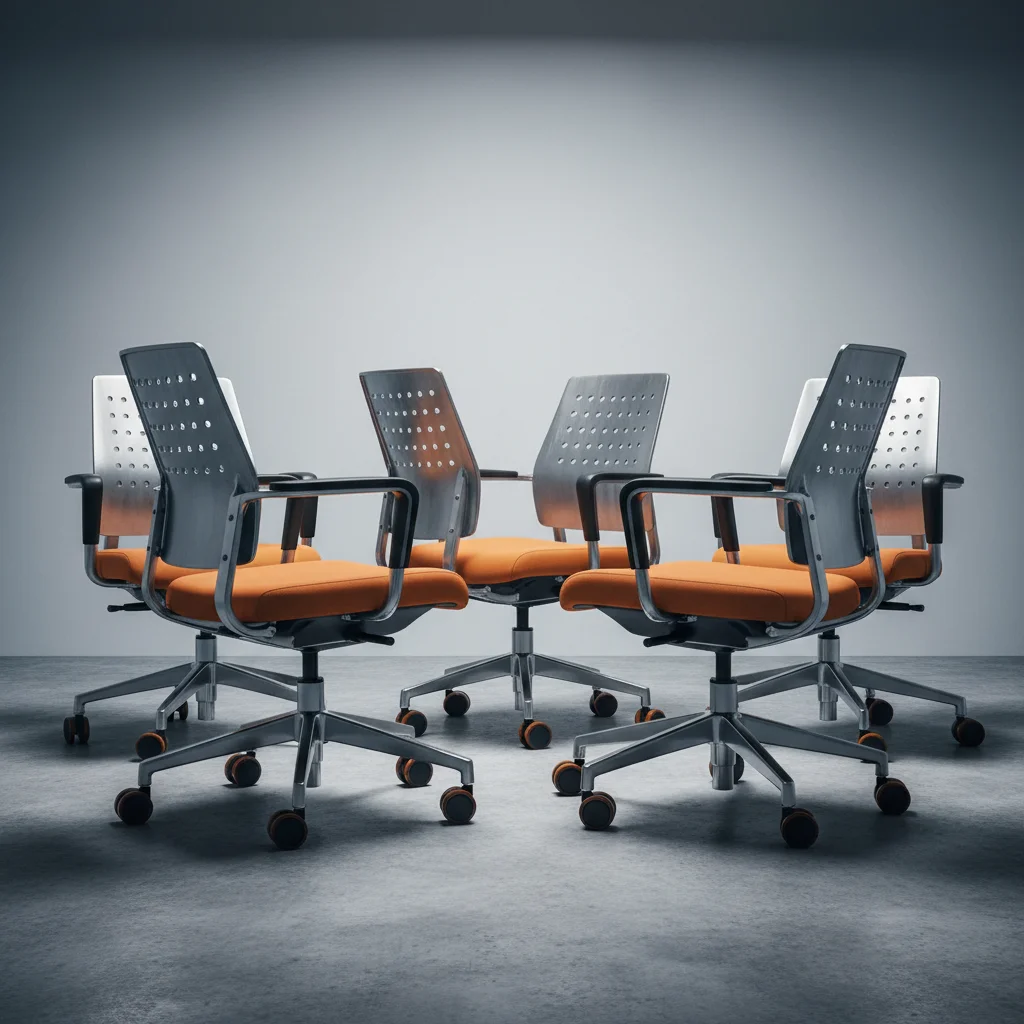
We're focusing heavily on afrdi level 6 approved chair now, and it's a really good move, because ultimately a chair that can take a beating saves everyone a lot of trouble.
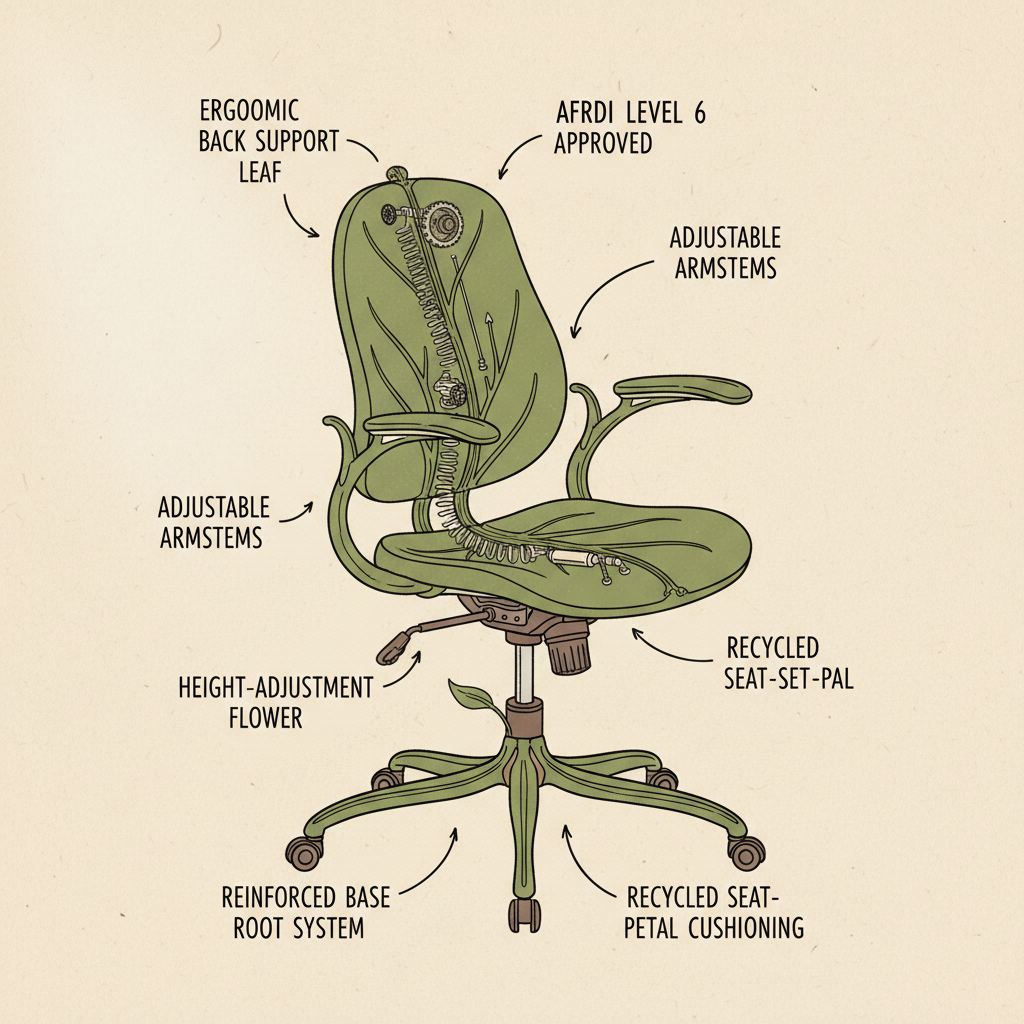
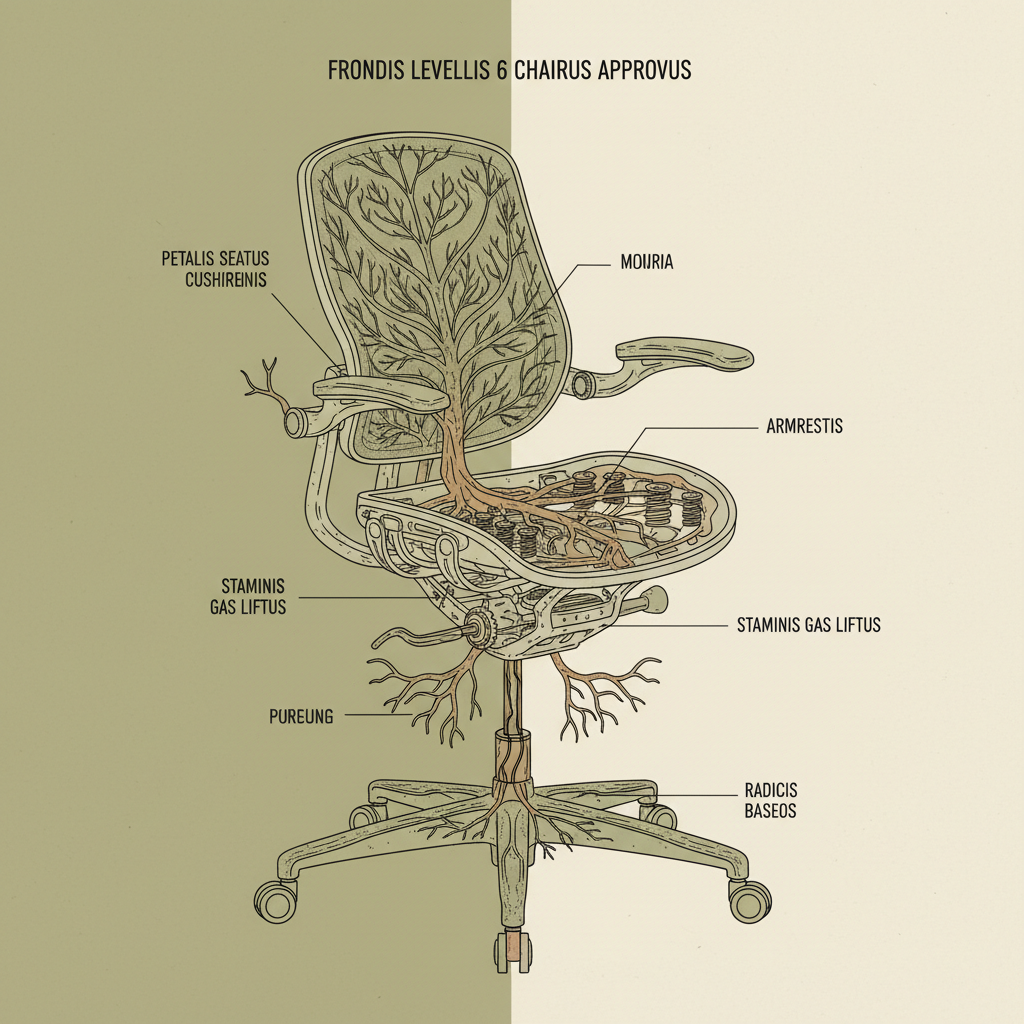
To be honest, the demand for genuinely durable seating has skyrocketed. It’s not just about comfort anymore, it’s about lasting. I was at a factory in Tianjin last month, and they were practically begging for anything that could pass afrdi level 6 testing. Seems everyone's realizing the cost of replacing cheap chairs every year far outweighs the initial savings.
You see a lot of chairs *claiming* to be heavy-duty, but they fall apart after six months. Genuine afrdi level 6 approved chair is different. It’s a benchmark. It’s a standard that actually means something to the people who have to use these things day in and day out.
The AFRDI Level 6 standard is a rigorous test for the durability and safety of office furniture, particularly chairs. It assesses a chair's ability to withstand heavy use and ensures it meets specific performance criteria. It’s important because it offers assurance that the chair won't fall apart after a short period, protecting businesses from replacement costs and employees from potential injuries. We take this seriously, running our own tests even beyond the standard requirements. It gives peace of mind, honestly.
Other standards often focus on specific aspects, like flammability or ergonomic comfort. AFRDI Level 6 is a holistic test covering multiple facets of durability – including seat stability, back support, base strength, and armrest resistance. It’s a more comprehensive assessment, and frankly, a more realistic reflection of how a chair will perform in a demanding environment. It's not just about a chair not breaking, it's about *how* it doesn't break.
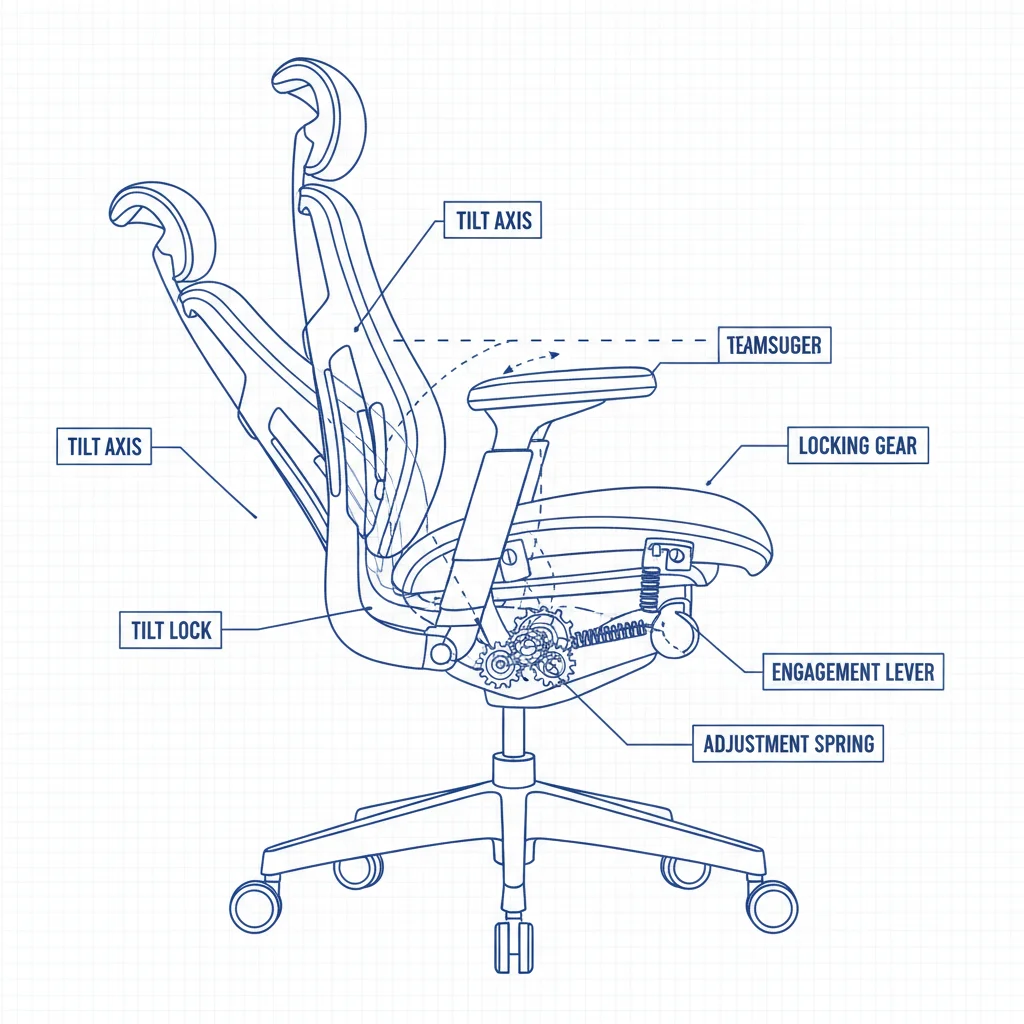
You're looking at high-grade steel for the frame and base, typically cold-rolled for strength. Molded foam with a high density – the kind that bounces back. Abrasion-resistant fabrics are a must, often polyester blends. And, crucial, a Class 4 gas lift. Cheap materials simply won't cut it. You can *feel* the difference in quality, even in the smell of the steel and the texture of the fabric. It matters.
Absolutely. That's precisely what they’re designed for. Call centers, control rooms, 24-hour security – those are the prime applications. The standard specifically tests for prolonged use and ensures the chair can withstand constant occupancy. We’ve had clients report years of trouble-free operation in those kinds of settings. Of course, even the best chair needs occasional maintenance, but the AFRDI Level 6 rating gives you a strong indication of its long-term reliability.
Yes, to a degree. We offer customization options like adjustable lumbar support, seat height and depth, and armrest adjustments. Fabric color and logo branding are also common requests. The trick is balancing customization with maintaining the structural integrity required to meet the AFRDI Level 6 standard. Sometimes, significant modifications can compromise the chair’s durability, so we have to be careful. We’ve had people ask for all sorts of crazy things, but we always prioritize safety and performance.
They’re not the cheapest chairs on the market, that's for sure. You're looking at a price range of roughly $300 to $800 per chair, depending on the features and customization options. It's an investment, but it’s one that pays off in the long run through reduced replacement costs and improved employee well-being. Don't fall for the bargain bin chairs, honestly. You get what you pay for. And with a chair, especially one used for extended periods, paying a little more upfront is almost always the smarter move.
Ultimately, afrdi level 6 approved chair represent a commitment to quality, durability, and user well-being. They’re not just about providing a place to sit; they're about offering a reliable, ergonomic solution for demanding environments. Focusing on robust materials, rigorous testing, and careful design minimizes downtime, reduces replacement costs, and contributes to a more productive workforce.
And honestly, whether this thing works or not, the worker will know the moment he tightens the screw. If it feels solid, if it holds its shape, if it just *feels* right… that’s a good sign. Visit our website at cdgamingfurniture.com to explore our range of afrdi level 6 approved chair and find the perfect solution for your needs.


If you are interested in our products, you can choose to leave your information here, and we will be in touch with you shortly.


