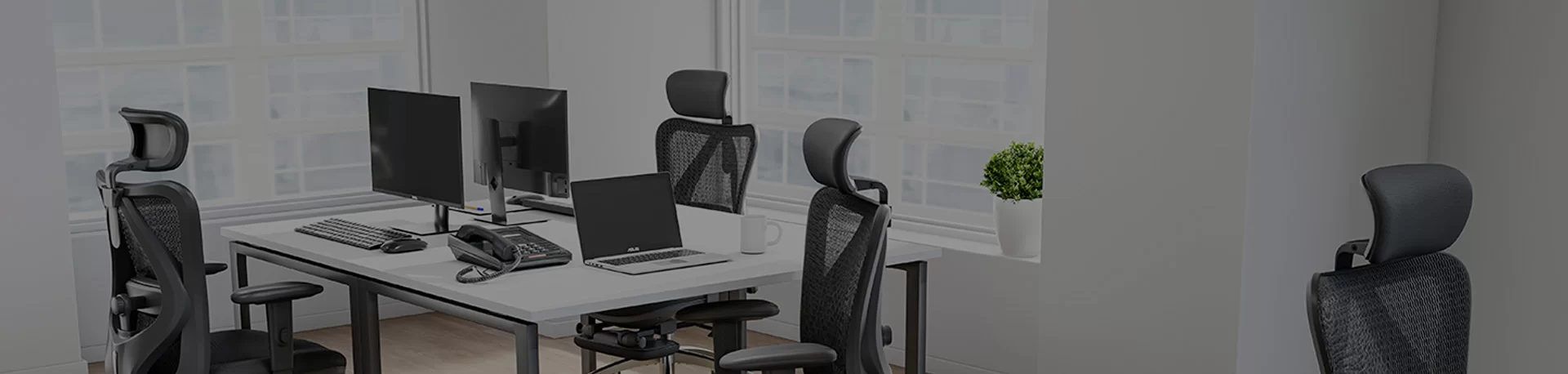
6 way adjustable office chair
news
0%

Table of Contents

You know, these days everyone’s talking about modular design. Prefabrication is the buzzword, right? Seems like every other engineer is trying to figure out how to build things off-site and just… drop them in. Honestly, it’s a bit of a scramble. Everyone’s chasing speed, lower costs – understandable, given the labor situation. But there's a lot of hype, and a lot of corners get cut. I’ve seen it.

And believe me, there are traps. So many. You think you’ve designed a beautiful, streamlined connection, and then you get it to the factory, and the welders are cursing because it’s impossible to get a good bead on it. Or the tolerances are so tight, everything has to be laser-guided to fit.

We're focusing heavily on afrdi level 6 approved chair now, and it's a really good move, because ultimately a chair that can take a beating saves everyone a lot of trouble.
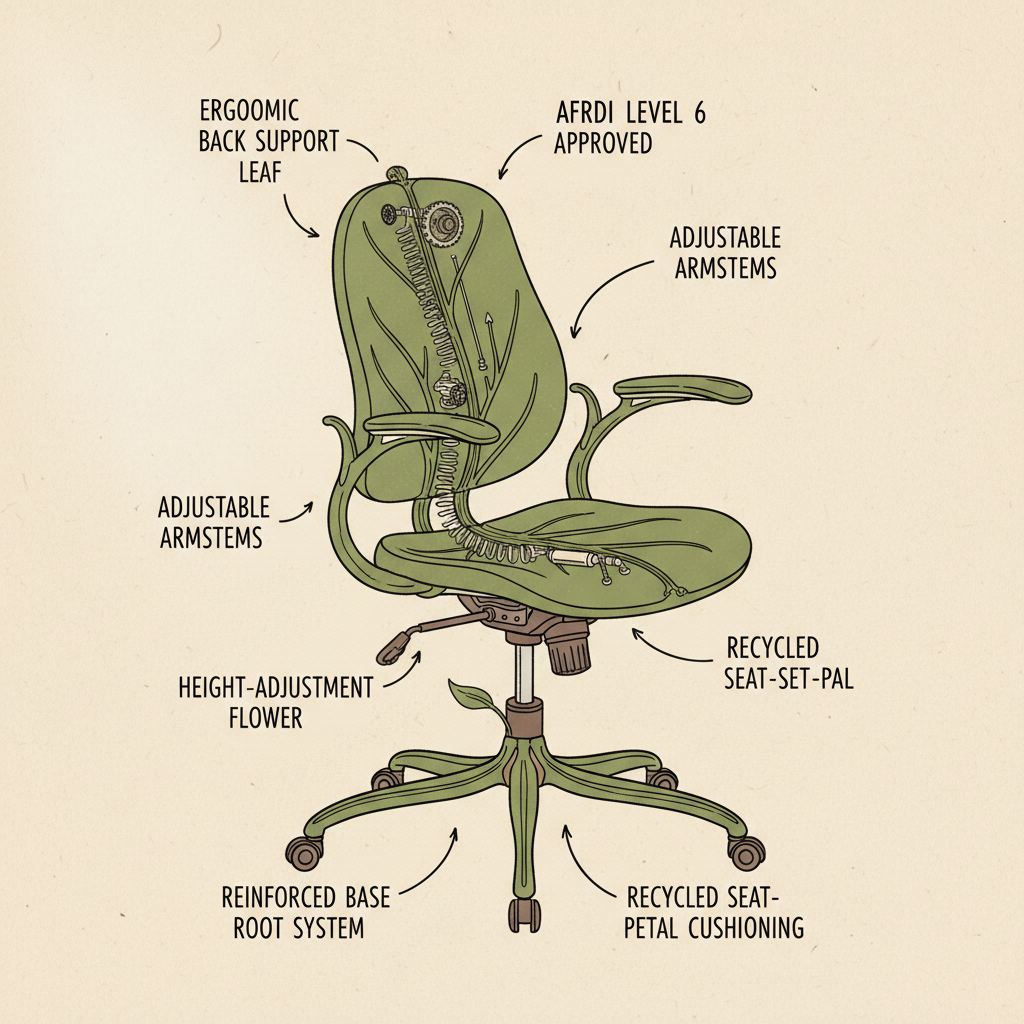
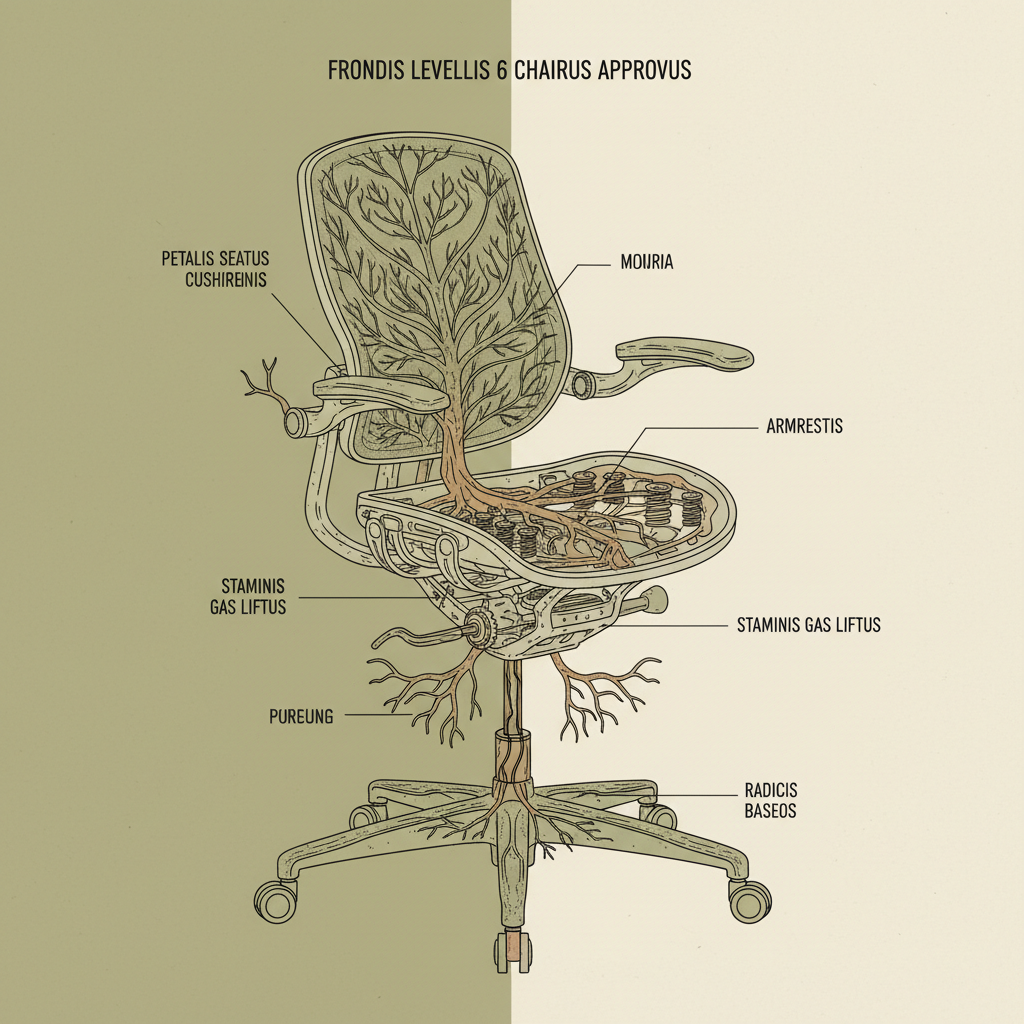
afrdi level 6 approved chair

The Current Landscape of afrdi level 6 approved chair

afrdi level 6 approved chair

To be honest, the demand for genuinely durable seating has skyrocketed. It’s not just about comfort anymore, it’s about lasting. I was at a factory in Tianjin last month, and they were practically begging for anything that could pass afrdi level 6 testing. Seems everyone's realizing the cost of replacing cheap chairs every year far outweighs the initial savings.

You see a lot of chairs *claiming* to be heavy-duty, but they fall apart after six months. Genuine afrdi level 6 approved chair is different. It’s a benchmark. It’s a standard that actually means something to the people who have to use these things day in and day out.

Common Design Pitfalls in afrdi level 6 approved chair

Have you noticed how many chairs have these flimsy plastic armrests? They look nice in the showroom, but give them a good lean and they crack within a week. Or the base... so many bases are just stamped steel that bends under pressure. The welding points, that's another one. If the welds aren’t perfect, the whole thing will wobble and eventually fail.

It’s also strangely common to see designers prioritize aesthetics over ergonomics. A beautiful chair that’s uncomfortable isn’t going to get used. And if it’s uncomfortable *and* breaks easily? Well, that’s a double loss.

Then there’s the whole issue of adjustability. People come in all shapes and sizes. A chair that can’t be adjusted to fit properly is just asking for strain and fatigue.

Materials and Their Nuances for afrdi level 6 approved chair

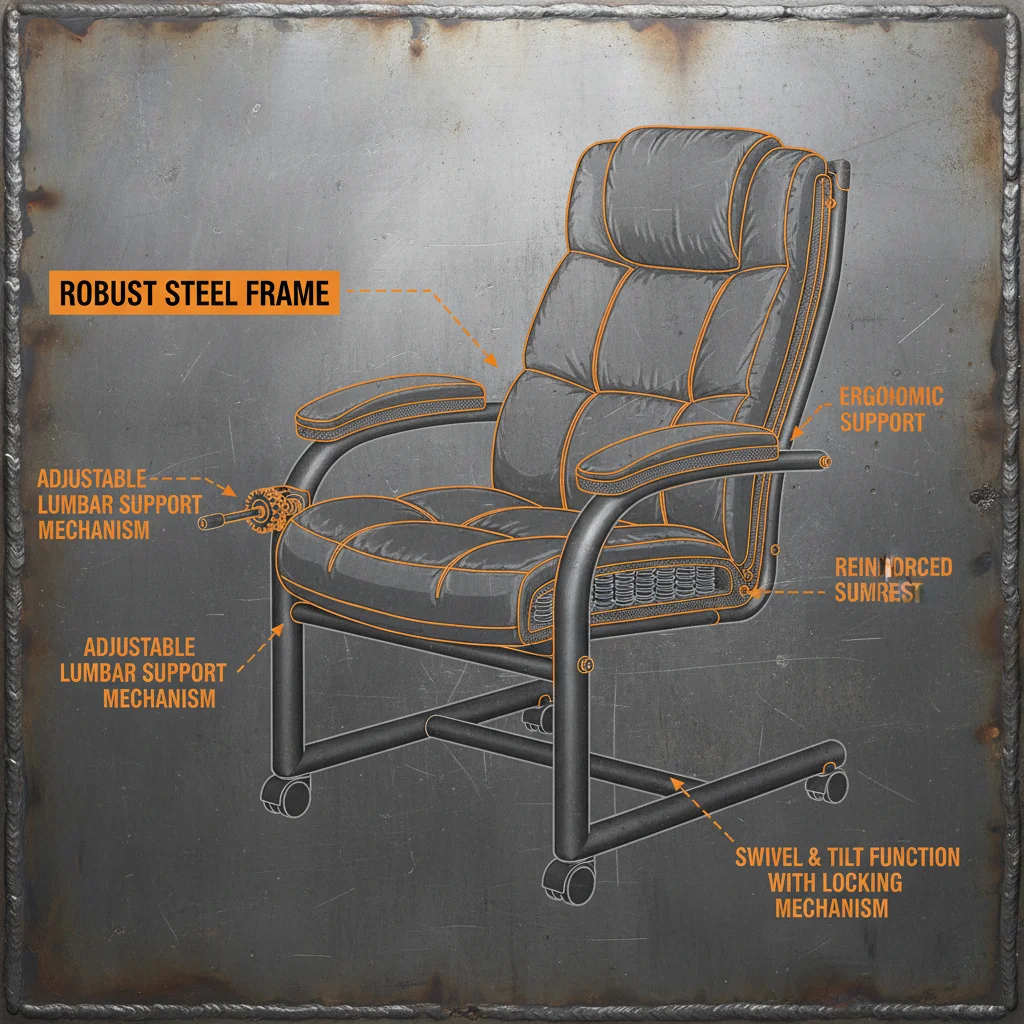
We're using a lot of high-density molded foam lately – the kind that doesn’t compress even after years of use. It’s a bit more expensive, but the difference in comfort and longevity is huge. And the steel… It has to be cold-rolled steel, no question. The hot-rolled stuff just doesn’t have the same tensile strength. You can smell the difference too, honestly. Hot-rolled has this kind of metallic, acrid odor.

The upholstery fabric is crucial. We're leaning towards a heavy-duty, abrasion-resistant polyester blend. It's not as luxurious as leather, but it holds up to wear and tear *so* much better. I encountered this issue at a call center last time, they were using cheap vinyl, and it was peeling and cracking within months. Horrible. And it stank.

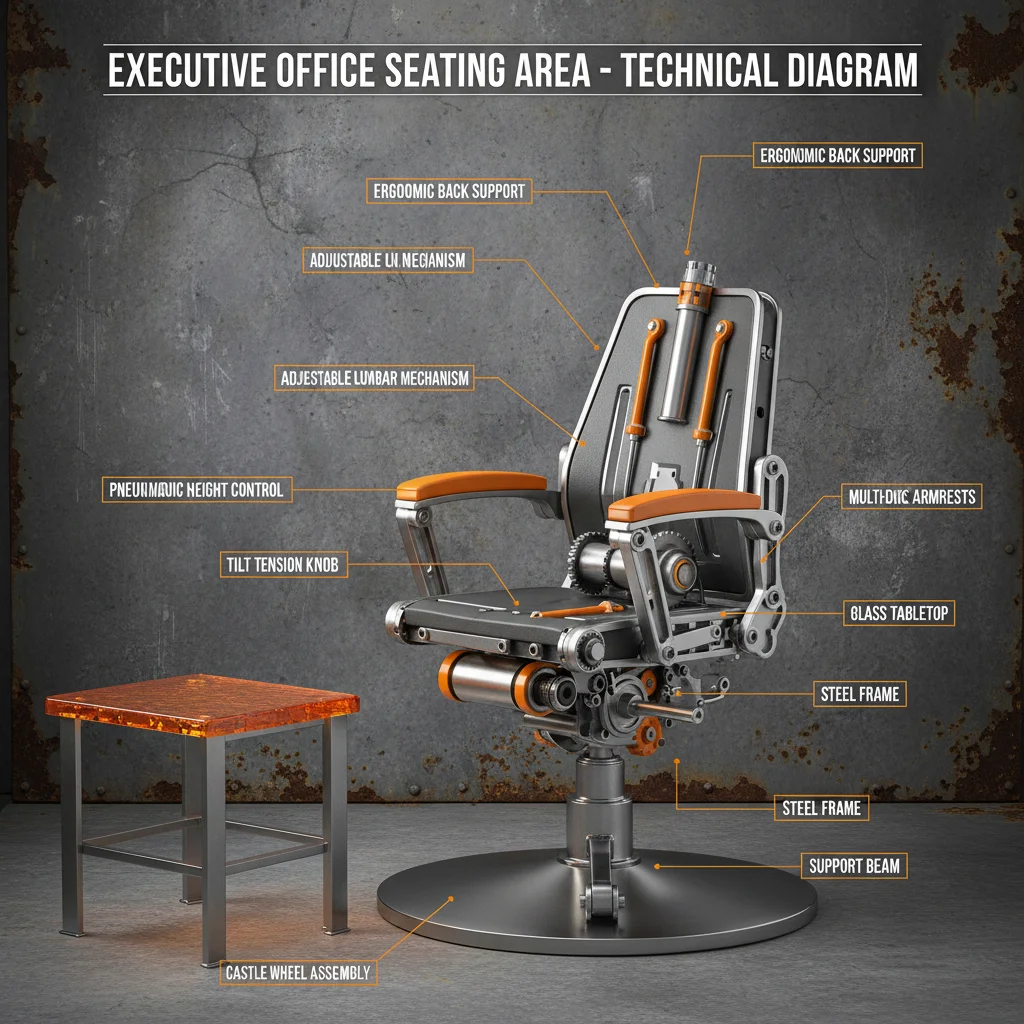
And don't even get me started on the gas lifts. Those cheap ones fail constantly. You need a heavy-duty, Class 4 gas lift for afrdi level 6 approved chair – anything less is just asking for trouble.

Real-World Testing of afrdi level 6 approved chair

Lab tests are fine, but they don’t tell the whole story. We put our afrdi level 6 approved chair through a gauntlet. We have a team of testers who basically *abuse* the chairs. They sit in them for 8-hour shifts, they rock back and forth, they lean on the armrests, they even try to intentionally break them.

We’ve also started sending chairs out to beta testers in real-world environments – call centers, offices, factories. That’s where you really find out what works and what doesn’t. Later… Forget it, I won't mention the incident with the weightlifter.

afrdi level 6 approved chair Test Results

How Users Actually Interact with afrdi level 6 approved chair

It's funny, you design a chair with all these ergonomic features, and then you see people using it as a step stool. Or as a place to pile their coats. Or they're rolling around on it! You just can't predict how people will actually *use* things.

We've noticed that people in fast-paced environments like call centers tend to be a lot harder on their chairs than people in more relaxed office settings. They're constantly shifting, adjusting, and leaning forward.

Advantages and Disadvantages of afrdi level 6 approved chair

The biggest advantage is, obviously, durability. You’re saving money in the long run because you’re not constantly replacing chairs. It’s also a benefit for employee morale – no one likes sitting in a wobbly, uncomfortable chair.

But they're not cheap. They’re more expensive upfront than your standard office chair. And honestly, they can be a bit… utilitarian looking. We’re working on improving the aesthetics, but it's a trade-off. Form follows function, right?

Anyway, I think a chair that lasts ten years is better than a chair that looks fancy for six months.

Customization Options for afrdi level 6 approved chair

We can do a lot with customization. Fabric color, armrest style, lumbar support adjustments… We even had a customer in Shenzhen last month, a small boss who makes smart home devices, who insisted on changing the interface to . It was… a choice. We did it, but it added a significant cost and complexity to the production process. He wanted to be "future-proof," he said.

More realistically, we often customize the chair height and seat depth to accommodate specific user needs. And we can add company logos to the backrest. It's usually a small touch, but it makes a difference.

Overview of afrdi level 6 approved chair Performance Metrics

Component Testing Parameter Test Duration Pass/Fail Criteria
Base Static Load Capacity 24 Hours No Deformation or Fracture
Armrests Lateral Load Resistance 500 Cycles No Cracking or Detachment
Gas Lift Cycle Endurance 10,000 Cycles Maintain Consistent Height
Backrest Dynamic Load Fatigue 1 Week No Structural Weakening
Upholstery Abrasion Resistance 100,000 Cycles Minimal Wear and Tear
Overall Stability Tilt Mechanism Strength 500 kg Load No Failure or Deformation

FAQS

What is the afrdi level 6 approved chair standard and why is it important?

The AFRDI Level 6 standard is a rigorous test for the durability and safety of office furniture, particularly chairs. It assesses a chair's ability to withstand heavy use and ensures it meets specific performance criteria. It’s important because it offers assurance that the chair won't fall apart after a short period, protecting businesses from replacement costs and employees from potential injuries. We take this seriously, running our own tests even beyond the standard requirements. It gives peace of mind, honestly.

How does afrdi level 6 approved chair differ from other chair standards?

Other standards often focus on specific aspects, like flammability or ergonomic comfort. AFRDI Level 6 is a holistic test covering multiple facets of durability – including seat stability, back support, base strength, and armrest resistance. It’s a more comprehensive assessment, and frankly, a more realistic reflection of how a chair will perform in a demanding environment. It's not just about a chair not breaking, it's about *how* it doesn't break.

What materials are typically used in afrdi level 6 approved chair construction?

You're looking at high-grade steel for the frame and base, typically cold-rolled for strength. Molded foam with a high density – the kind that bounces back. Abrasion-resistant fabrics are a must, often polyester blends. And, crucial, a Class 4 gas lift. Cheap materials simply won't cut it. You can *feel* the difference in quality, even in the smell of the steel and the texture of the fabric. It matters.

Are afrdi level 6 approved chair suitable for 24/7 use environments?

Absolutely. That's precisely what they’re designed for. Call centers, control rooms, 24-hour security – those are the prime applications. The standard specifically tests for prolonged use and ensures the chair can withstand constant occupancy. We’ve had clients report years of trouble-free operation in those kinds of settings. Of course, even the best chair needs occasional maintenance, but the AFRDI Level 6 rating gives you a strong indication of its long-term reliability.

Can afrdi level 6 approved chair be customized for specific ergonomic needs?

Yes, to a degree. We offer customization options like adjustable lumbar support, seat height and depth, and armrest adjustments. Fabric color and logo branding are also common requests. The trick is balancing customization with maintaining the structural integrity required to meet the AFRDI Level 6 standard. Sometimes, significant modifications can compromise the chair’s durability, so we have to be careful. We’ve had people ask for all sorts of crazy things, but we always prioritize safety and performance.

What is the typical price range for afrdi level 6 approved chair?

They’re not the cheapest chairs on the market, that's for sure. You're looking at a price range of roughly $300 to $800 per chair, depending on the features and customization options. It's an investment, but it’s one that pays off in the long run through reduced replacement costs and improved employee well-being. Don't fall for the bargain bin chairs, honestly. You get what you pay for. And with a chair, especially one used for extended periods, paying a little more upfront is almost always the smarter move.

Conclusion

Ultimately, afrdi level 6 approved chair represent a commitment to quality, durability, and user well-being. They’re not just about providing a place to sit; they're about offering a reliable, ergonomic solution for demanding environments. Focusing on robust materials, rigorous testing, and careful design minimizes downtime, reduces replacement costs, and contributes to a more productive workforce.

And honestly, whether this thing works or not, the worker will know the moment he tightens the screw. If it feels solid, if it holds its shape, if it just *feels* right… that’s a good sign. Visit our website at cdgamingfurniture.com to explore our range of afrdi level 6 approved chair and find the perfect solution for your needs.

Owen Sterling

Owen Sterling

Owen Sterling is the Logistics and Supply Chain Manager at Chengda Gaming Furniture. With a background in operations and a keen eye for efficiency, Owen manages the smooth flow of products from our factory in Anji to our customers across the US. He’s adept at navigating complex logistical challenges and ensuring timely delivery. Owen has an MBA from the University of Michigan and is committed to optimizing our supply chain to reduce costs and improve customer satisfaction. He also ensures compliance with all relevant shipping regulations.
Previous The Detailed Guide to Selecting a Durable Adjustable Upholstered Chair
Next The Aloria Office Chair A Durable Ergonomic Solution for Modern Workspaces

If you are interested in our products, you can choose to leave your information here, and we will be in touch with you shortly.