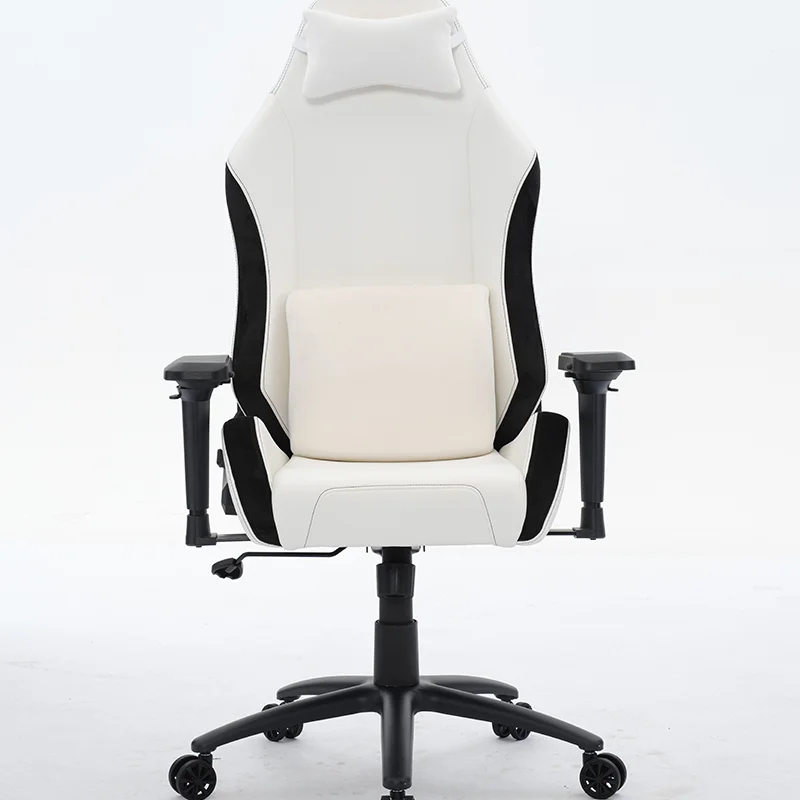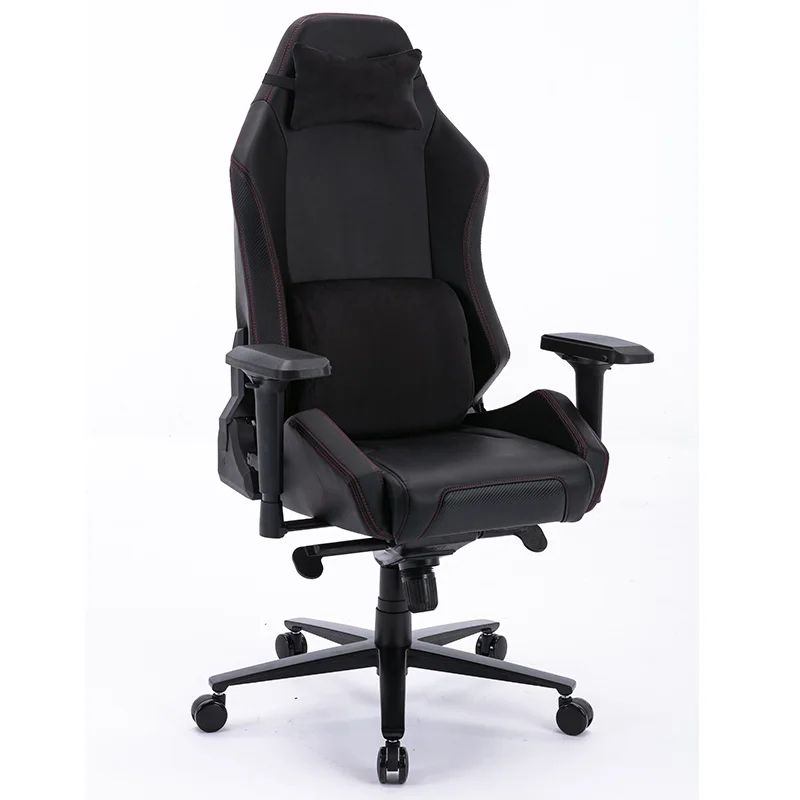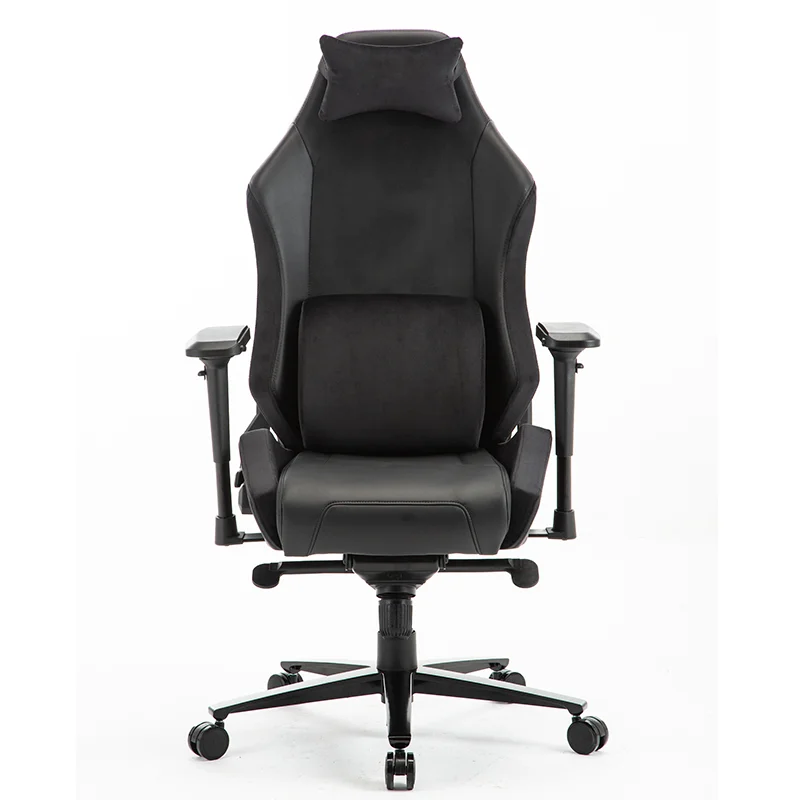
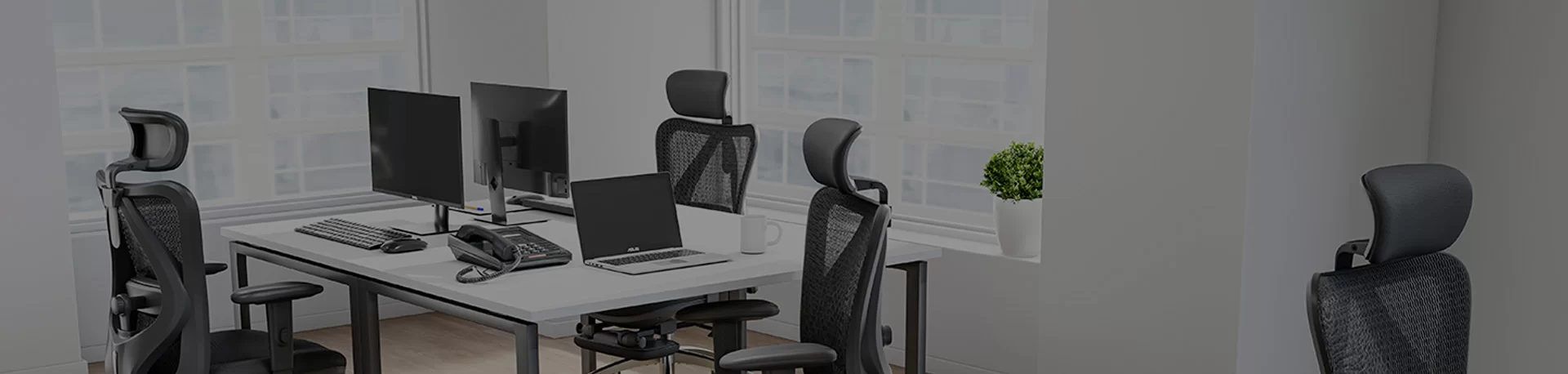
In modern work and living environments, seating is no longer just about appearance—it plays a critical role in health, productivity, and overall comfort. Whether you work from home, in a professional office, or a creative studio, selecting the right chair can significantly improve posture and reduce physical strain. An adjustable office chair offers flexibility, ergonomic support, and adaptability for users with different needs and working styles.
From creative professionals who need an adjustable drafting chair to home users looking for an adjustable home office chair, adjustable seating solutions are becoming essential. Understanding how different adjustable features work—and why they matter—helps ensure long-term comfort and performance.
An adjustable office chair is designed to adapt to the user, not the other way around. Height adjustment, seat depth, backrest angle, and tilt tension all contribute to proper posture and reduced fatigue. These features allow users to maintain natural spinal alignment during long periods of sitting.
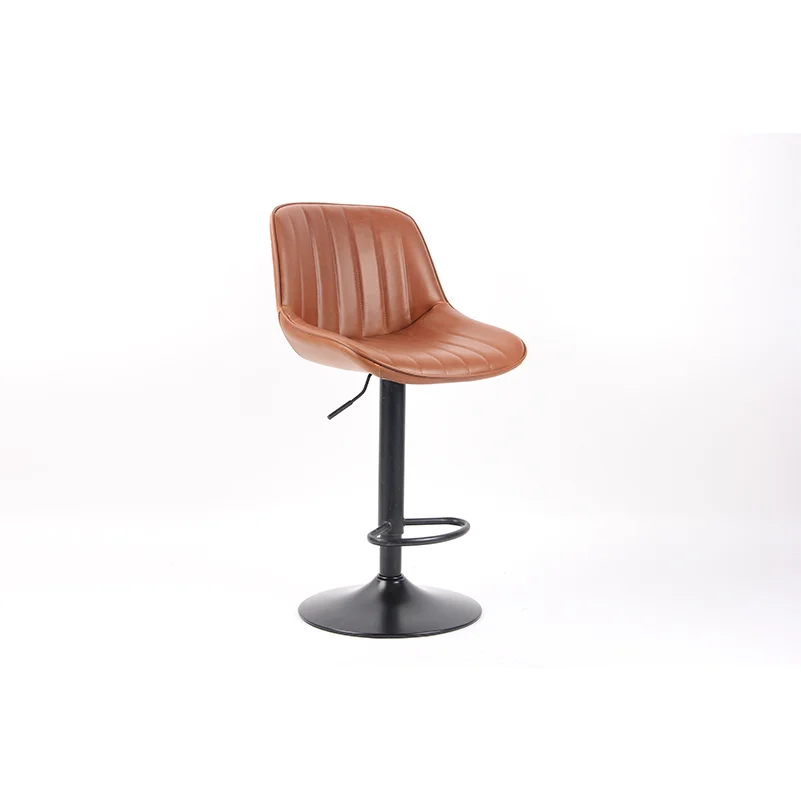
For professionals working at elevated desks or standing-height workstations, an adjustable drafting chair is especially important. These chairs typically feature extended height ranges and foot rings to support stability and circulation. Without proper adjustment, prolonged sitting at higher surfaces can lead to discomfort in the legs and lower back.
In home environments, the demand for an adjustable home office chair has increased as remote and hybrid work become more common. Home users often share spaces with family members, making adjustability crucial. A single chair may need to accommodate multiple users throughout the day, and flexibility ensures comfort for everyone.
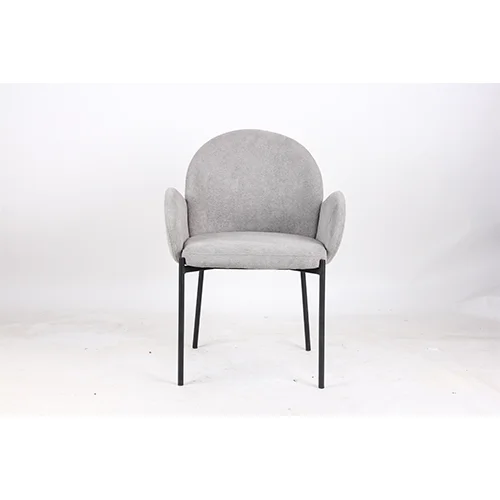
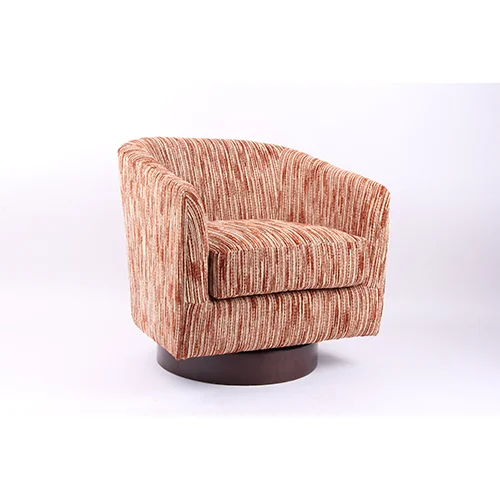
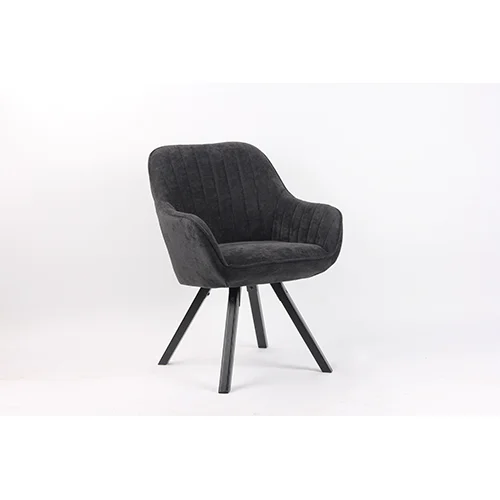
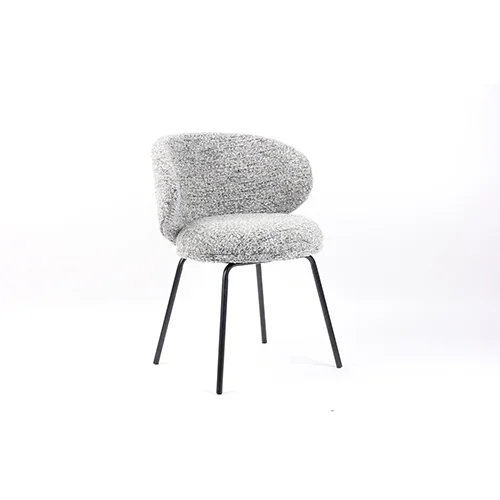
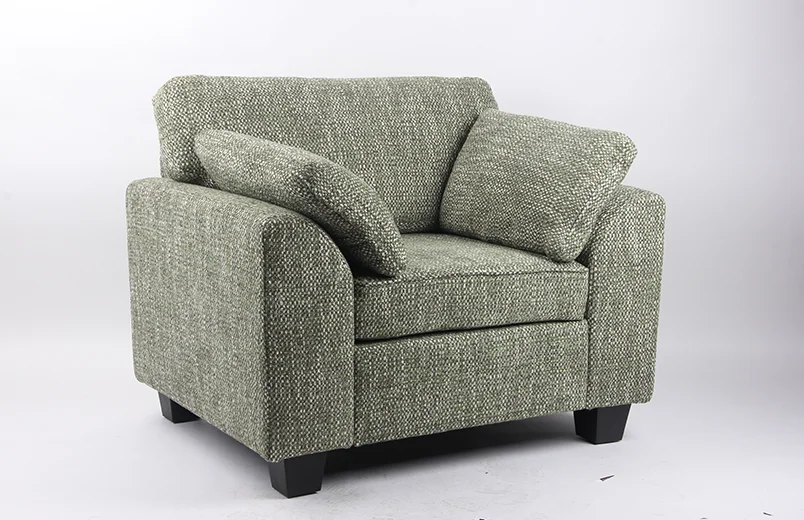
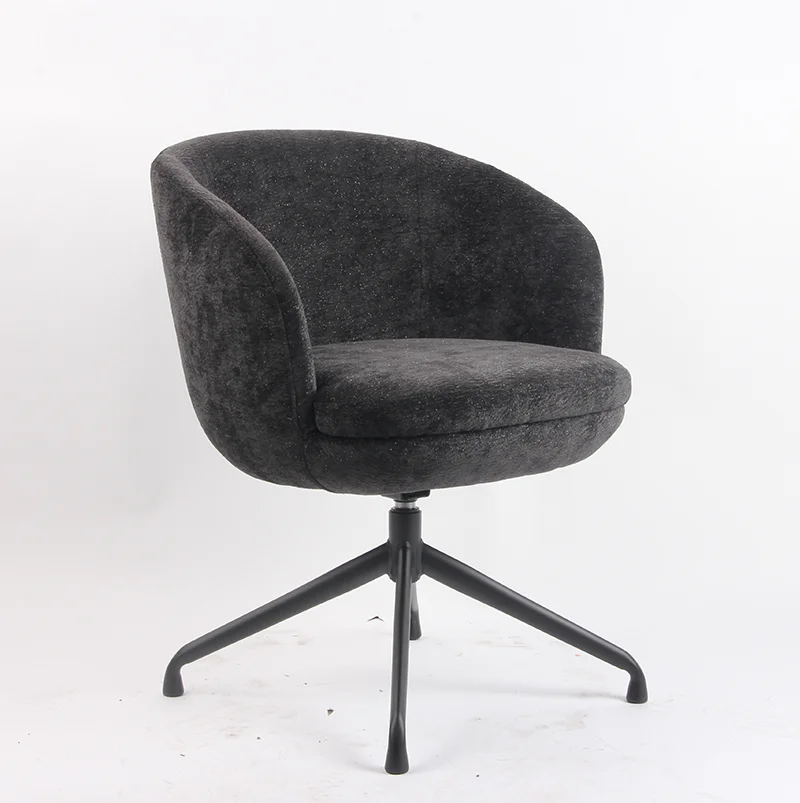
Another popular option is the adjustable upholstered chair, which combines ergonomic functionality with added comfort and aesthetic appeal. Upholstered seating is well suited for home offices, executive rooms, or environments where comfort and visual warmth are equally important.
An often-overlooked feature is the reclining mechanism. An adjustable tilt chair allows users to recline slightly while keeping proper lumbar support. This dynamic movement reduces static pressure on the spine and encourages micro-movements that support circulation and focus.
By choosing the right adjustable chair, users can create a healthier seating experience that supports both productivity and well-being.
While adjustable chairs offer many benefits, quality and engineering play a major role in performance. One common complaint users experience is an adjustable office chair won t stay up, which usually indicates a problem with the gas lift or internal height-adjustment mechanism.
This issue often arises from low-quality components or excessive wear over time. A reliable adjustable office chair should use certified gas lift systems and reinforced internal structures to ensure stable height control. Regular use should not cause sudden sinking or inconsistent performance.
When evaluating an adjustable easy chair for work or relaxation, it’s important to distinguish between casual seating and task-oriented seating. While easy chairs emphasize comfort, adjustable models designed for extended sitting should still provide adequate back support and seat stability.
Material selection is another important consideration. A high-quality adjustable upholstered chair should use breathable, durable fabrics and resilient padding that maintains shape over time. Poor-quality upholstery can compress quickly, reducing both comfort and support.
Users should also consider the chair’s range of motion. An effective adjustable tilt chair allows controlled reclining while maintaining balance and support. Adjustable tilt tension ensures that users of different body weights can recline comfortably without feeling unstable.
Ultimately, choosing the right chair involves matching adjustability features to your specific needs. Whether it’s an adjustable drafting chair for technical work or an adjustable home office chair for daily remote tasks, quality construction and thoughtful design are essential for long-term satisfaction.
A well-designed adjustable chair is more than a piece of furniture—it is a tool that supports health, focus, and comfort every day. From the versatility of an adjustable office chair to the specialized support of an adjustable drafting chair, adjustable seating solutions play a vital role in modern work and home environments.
Understanding features such as tilt mechanisms, height stability, and upholstery quality helps users avoid common issues like an adjustable office chair won t stay up. Whether you prefer the comfort of an adjustable upholstered chair or the flexibility of an adjustable tilt chair, choosing a reliable and ergonomic design ensures long-term value.
By investing in the right adjustable chair, you create a seating experience that adapts to your body, your space, and your lifestyle—supporting comfort and productivity for years to come.
An adjustable office chair is typically designed for professional environments and extended daily use, while an adjustable home office chair often balances ergonomic features with home-friendly design and aesthetics.
When an adjustable office chair won t stay up, the most common cause is a worn or faulty gas lift. Replacing the gas cylinder usually resolves the issue.
An adjustable drafting chair is ideal for users working at higher desks, standing workstations, or drafting tables where extra height and foot support are required.
Yes, a high-quality adjustable upholstered chair can be suitable for long hours if it offers proper lumbar support, durable padding, and adjustable features.
An adjustable tilt chair allows controlled reclining, reduces pressure on the spine, and encourages movement, helping improve comfort and posture during long periods of sitting.

If you are interested in our products, you can choose to leave your information here, and we will be in touch with you shortly.