You know, I’ve been running around construction sites all year, and let me tell you, things are changing. Everyone’s talking about modularity now. Prefabrication. It’s not new, mind you, but the push is serious. They want everything snapped together, less welding, less on-site mess. It's supposed to save time, save money… we’ll see.
Honestly, the biggest headache I see is designers forgetting what it's like out here. They design something beautiful on a computer, then it shows up and it's impossible to assemble with one hand while balancing on scaffolding. Have you noticed that? It’s always the little things that get you. Like, why put a screw head where you can’t get a socket wrench on it? Drives me nuts.
And then there's the materials. We’re using a lot more aluminum alloy these days, especially the 6061-T6. It’s light, strong enough, and doesn't rust like crazy. Smells kinda metallic when you cut it, though. And good luck trying to weld it without the right setup. Then you've got these new composite panels, the ones with the honeycomb core. They’re surprisingly tough, but you gotta be careful with scratches – they show up like crazy.
Strangely enough, the demand for durable, comfortable breakroom chairs is way up. It's not just about office workers anymore. Construction crews, factory floors, even tech companies are realizing that a good chair makes a difference. I encountered this at a semiconductor factory last time – they were having serious fatigue issues because the old chairs were killing everyone's backs. They weren’t losing money on production, they were losing money on medical bills and people calling out sick.
It's all about recognizing the value of downtime. People need a place to sit and recharge. And frankly, if they’re comfortable, they’re more likely to take that downtime, which means they come back to work refreshed and more productive. It's basic human stuff, but it took companies a while to figure it out.
Look, you can design a chair that looks great, but if it’s a nightmare to clean, forget about it. Factory floors are… well, they're messy. Spills happen. Dust accumulates. You need something with a smooth, non-porous surface, easy to wipe down. And the base? Forget those fancy plastic ones. They crack. You need steel, minimum 16-gauge. Anything less is just asking for trouble.
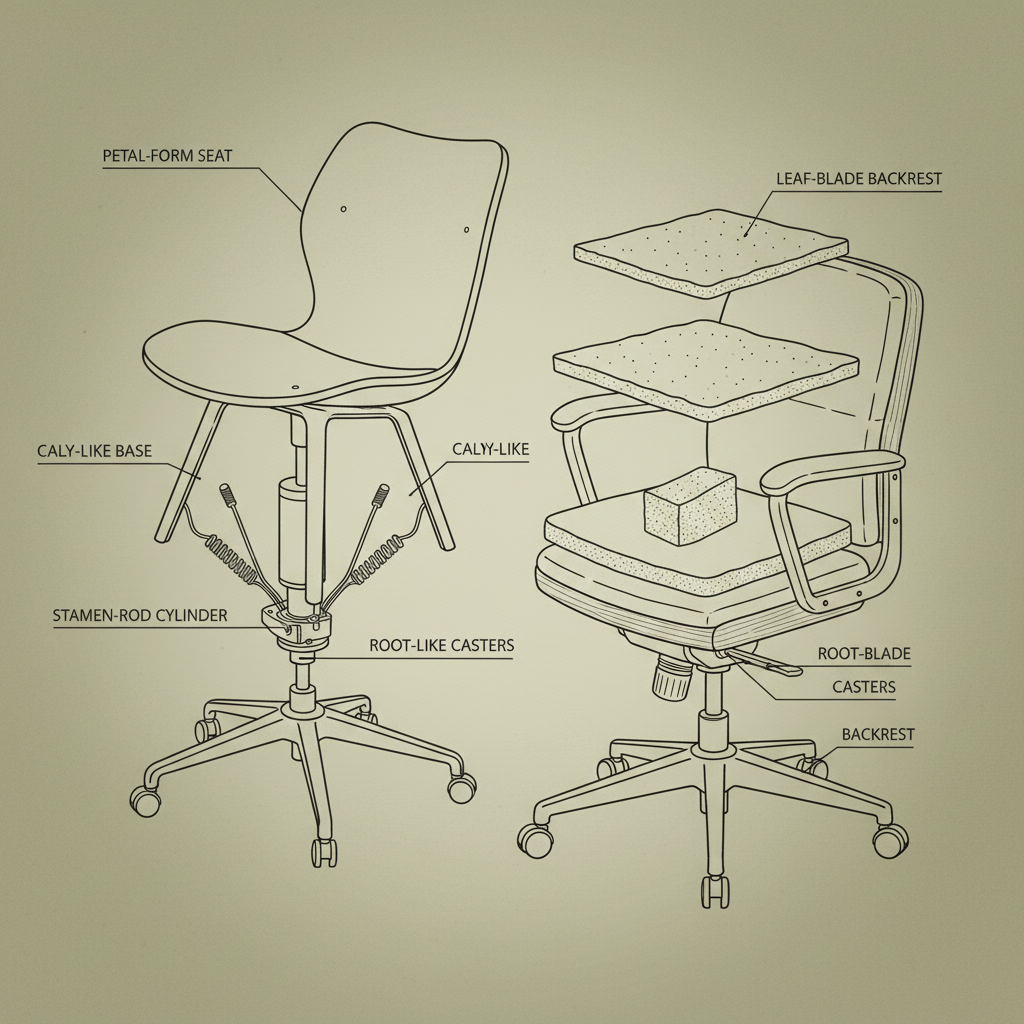
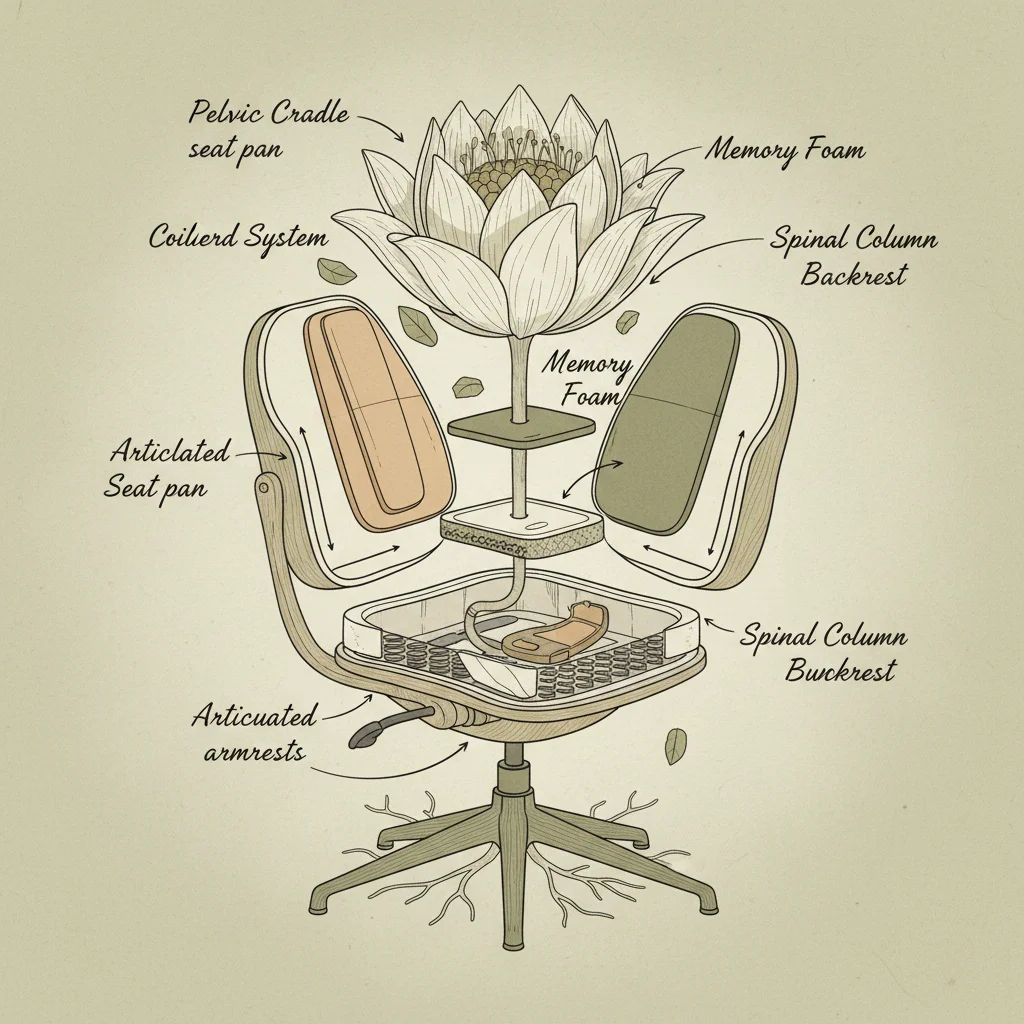
Another thing: adjustability. People come in all shapes and sizes. A one-size-fits-all chair is a recipe for discomfort. You need height adjustment, lumbar support, and ideally, adjustable armrests. But here's the catch: the more adjustable features you add, the more things can break. It's a trade-off.
I also hate those chairs with complicated mechanisms. The simpler, the better. Fewer moving parts mean fewer things to go wrong. I saw one chair once with a pneumatic adjustment system that failed after two weeks. Two weeks! What a waste of money.
We're seeing a lot of mesh backs these days, which is good for breathability. But the quality of the mesh matters. Cheap mesh feels flimsy and tears easily. You want something with a high denier count, tightly woven. And the frame underneath? Steel, obviously. Avoid aluminum for the frame – it’s too flexible.
The cushioning is important too. High-density foam is the way to go. It holds its shape better and provides more support. Don't skimp on the foam. It's what people actually feel when they sit down. And the upholstery? Vinyl is practical for industrial settings. It’s durable and easy to clean. Fabric looks nicer, but it stains easily and requires more maintenance.
Anyway, I think the feel of the material is underrated. A cheap plastic chair just feels cheap. It makes people feel like their time isn't valued. A well-made chair, with quality materials, sends a different message.
Forget those lab tests. Drop tests, weight capacity tests… they’re okay, but they don’t tell the whole story. You need to put these chairs through real-world abuse. I’ve had them sit in loading bays, get splashed with oil, bumped into forklifts… you name it.
We also do a “user fatigue” test. We get a group of workers to sit in the chairs for eight-hour shifts and then get their feedback. It’s not scientific, but it's surprisingly effective. You can tell a lot from people’s faces after a long day. If they’re grimacing, something’s wrong.
People don't use chairs the way you think they do. I've seen guys use them as ladders, step stools, even makeshift workbenches. You gotta design for that. Overengineering is better than underengineering in this case. If a chair can handle a 250-pound guy standing on it, you're in good shape.
And they don't always adjust the settings correctly. Most people just plop down and leave it. So, the default settings need to be comfortable for the average person. It sounds obvious, but you'd be surprised how many companies get this wrong.
The biggest advantage of a well-designed breakroom chair is improved employee morale. Seriously. A comfortable worker is a happy worker. And a happy worker is a productive worker. The disadvantage? The cost, of course. Quality chairs aren't cheap. But you get what you pay for.
We do offer some customization options. We can change the fabric color, add company logos, even adjust the seat height. Last month, that small boss in Shenzhen who makes smart home devices insisted on changing the interface to , and the result was a three-week delay because we had to retool the whole assembly line. A chair adjustment! Seriously? It was ridiculous. But hey, the customer is always right, right?
You know, last year, we landed a big contract with a steel mill. They needed chairs that could withstand extreme temperatures and constant abuse. They’d been through three sets of chairs in two years. The first ones were plastic, the second were vinyl, and both fell apart quickly.
We recommended our heavy-duty steel frame chairs with a specialized heat-resistant coating. They were expensive, but they were the only ones that could handle the environment. And guess what? They’re still going strong. I got a thank-you note from the plant manager last month. A handwritten note! You don’t see that very often these days.
Anyway, I think that tells you everything you need to know.
| Feature | Chair A | Chair B | Chair C |
|---|---|---|---|
| Durability | 6/10 | 8/10 | 9/10 |
| Comfort | 7/10 | 9/10 | 8/10 |
| Adjustability | Basic | Moderate | Full |
| Price (USD) | $100 | $150 | $200 |
| Cleaning Ease | High | Moderate | High |
| Weight Capacity | 250 lbs | 300 lbs | 350 lbs |
Honestly? They go for the cheapest option. They think, "It's just a chair," but it's not. A bad chair leads to discomfort, fatigue, and eventually, workers' comp claims. You gotta invest in quality. It'll pay off in the long run. They forget that a chair is a tool, just like a wrench or a screwdriver.
It’s more important than people realize. Everyone's different. Some people are tall, some are short, some have back problems. You need a chair that can accommodate a wide range of body types. Height adjustment is crucial, and lumbar support is a big plus. It's about giving people control over their comfort.
Steel frames, vinyl upholstery, and high-density foam are your best bet. They're durable, easy to clean, and can withstand a lot of abuse. Avoid fabric upholstery – it stains easily. And steer clear of plastic frames – they crack. You want something that can hold up to the daily grind.
Lumbar support is key. A good chair should support the natural curve of your spine. Adjustable armrests are also helpful, as they allow people to customize the chair to their individual needs. And make sure the seat depth is adjustable – you want to be able to sit comfortably without feeling cramped.
It depends on how much they're used and how well they're maintained. But as a general rule, you should replace them every 5-7 years. If you notice that they're starting to fall apart, or if they're no longer providing adequate support, it's time to upgrade. It's an investment in your employees' well-being.
Absolutely. We can add company logos to the back of the chairs, or even customize the fabric color to match your brand. It's a great way to show your employees that you care. Just be prepared to pay a little extra. But honestly, it's worth it for the morale boost.
Ultimately, choosing the right breakroom chairs comes down to balancing durability, comfort, and cost. You need something that can withstand the rigors of a demanding environment, provide adequate support for your employees, and fit within your budget. It's not always easy, but it's worth the effort.
And remember, whether this thing works or not, the worker will know the moment he tightens the screw. That’s the honest truth. So, go with your gut, listen to your workers, and don't be afraid to spend a little extra on quality. You’ll thank yourself in the long run. You can find a great selection of chairs at breakroom chairs.

If you are interested in our products, you can choose to leave your information here, and we will be in touch with you shortly.