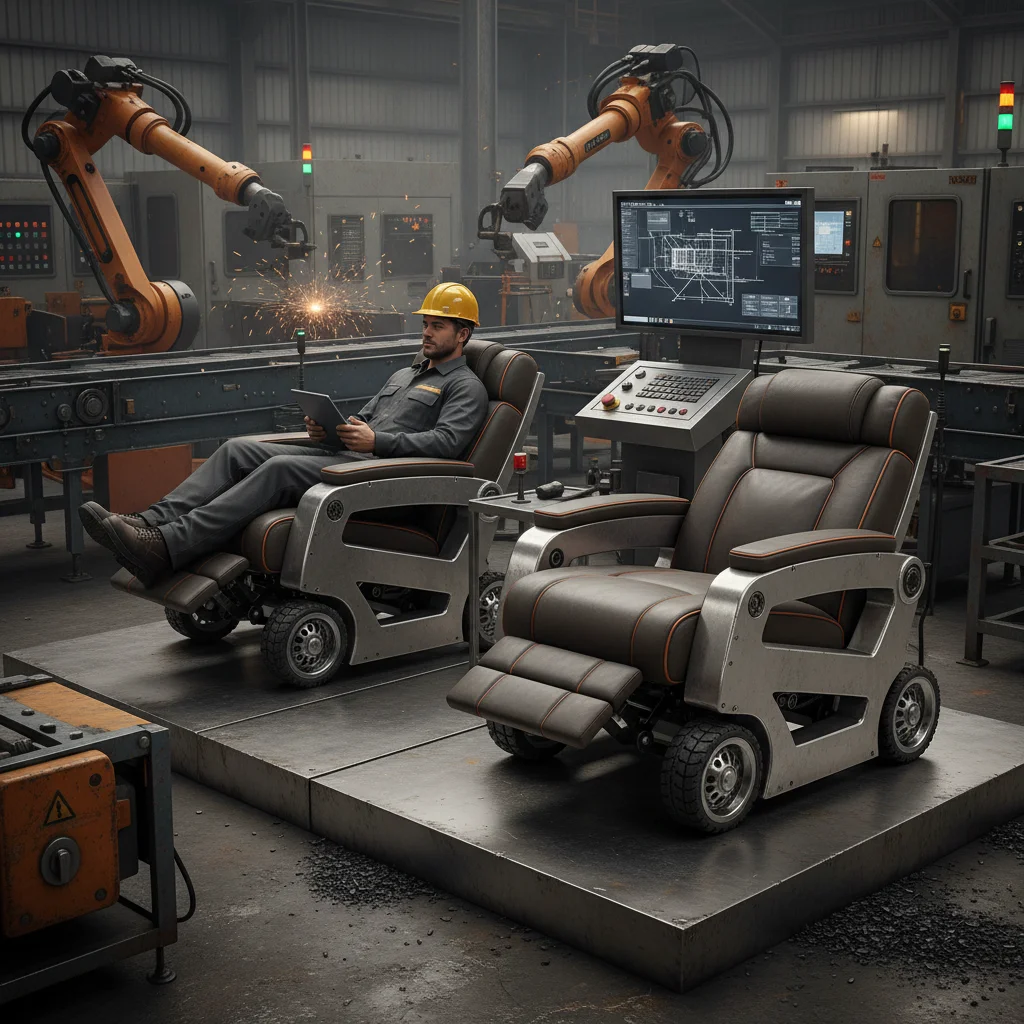
In the modern era of flexible workspaces and hybrid professional environments, the folding work chair has emerged as a critical tool for enhancing productivity without sacrificing spatial efficiency. As industries shift toward lean management and agile office layouts, the demand for furniture that can transition from a high-performance workstation to a compact storage state has skyrocketed. Understanding the intersection of ergonomic support and portability is essential for any business looking to optimize its footprint while maintaining employee wellness.
Globally, the trend toward "micro-offices" and home-based professional hubs has redefined our requirements for seating. The challenge no longer lies simply in providing a place to sit, but in providing a professional-grade support system that doesn't permanently occupy valuable real estate. This is where the engineering of the folding work chair becomes pivotal, blending the structural integrity of traditional office furniture with the agility of portable design.
By prioritizing materials that withstand heavy industrial use and mechanisms that ensure effortless deployment, the contemporary folding work chair addresses the core tension between mobility and stability. Whether implemented in a sprawling corporate campus or a compact urban apartment, these seating solutions provide the necessary lumbar support and durability to sustain long hours of focused labor while remaining virtually invisible when not in use.
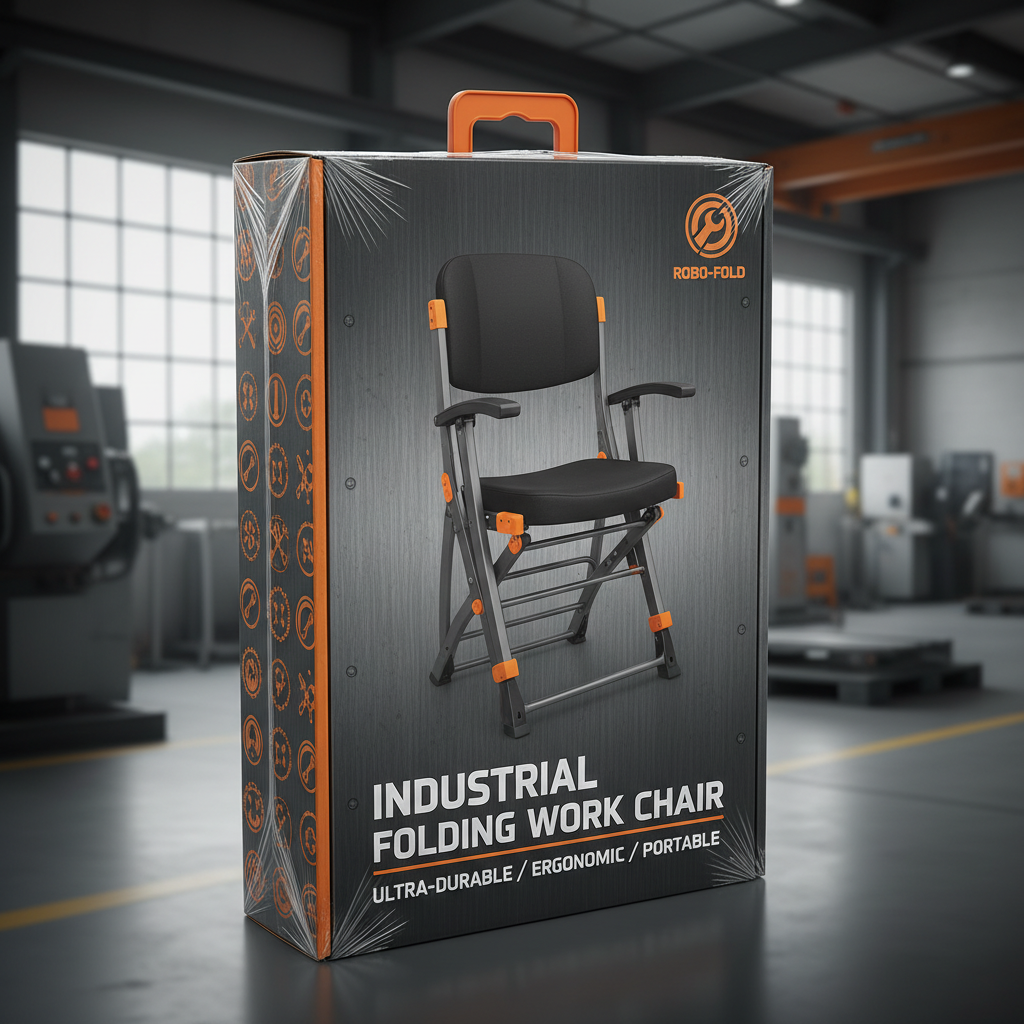
Global Relevance of Folding Work Chair Design
The global shift toward flexible labor markets has made the folding work chair a cornerstone of modern infrastructure. According to recent workplace trends aligned with ISO ergonomic standards, the ability to rapidly reconfigure a space can increase operational efficiency by up to 20%. In densely populated urban centers across Asia and Europe, where square footage is at a premium, the capacity to fold away professional equipment is not just a convenience—it is a financial necessity for startups and freelancers alike.
Furthermore, the rise of temporary industrial installations and rapid-response operational centers has highlighted the need for seating that can be deployed in minutes without compromising the health of the user. The global logistics sector, in particular, has seen a surge in the adoption of high-strength metal folding chairs to support administrative tasks in makeshift hubs, proving that versatility is now as valued as permanence in the professional landscape.
Defining the Modern Folding Work Chair
At its core, a folding work chair is a specialized seating solution engineered to provide the ergonomic support of a traditional office chair while possessing a collapsible frame for easy storage and transport. Unlike standard folding chairs used for events, a "work" chair is specifically designed for prolonged periods of stationary activity, incorporating features such as contoured backrests, reinforced joints, and high-density cushioning.
This evolution in furniture design is deeply connected to the humanitarian and industrial needs of the 21st century. In disaster relief operations or temporary medical clinics, providing stable, ergonomic seating for coordinators and doctors is vital for maintaining focus and reducing fatigue. The transition from a simple "seat" to a "work tool" signifies a shift in how we perceive portable furniture—no longer as a temporary compromise, but as a strategic asset.
From a manufacturing perspective, these chairs often utilize high-grade steel or aluminum alloys, ensuring that the folding mechanism does not become a point of failure over thousands of cycles. By integrating a professional aesthetic with a collapsible form, the folding work chair bridges the gap between the rigidity of the corporate office and the fluidity of the modern nomadic lifestyle.
Core Components of High-Performance Seating
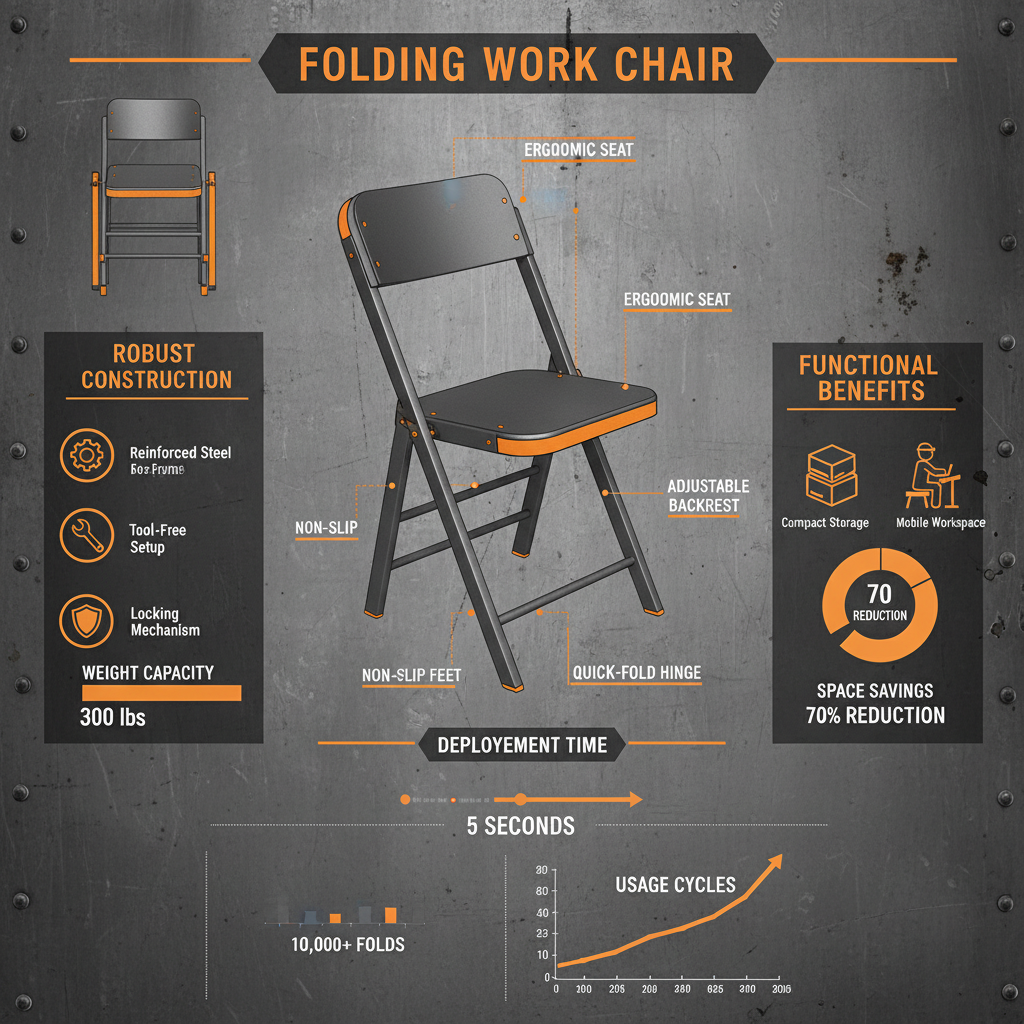
The structural integrity of a folding work chair depends heavily on its frame material. Most professional-grade models utilize powder-coated cold-rolled steel, which provides a superior strength-to-weight ratio, ensuring the chair can support diverse body types while remaining light enough to be moved by a single person.
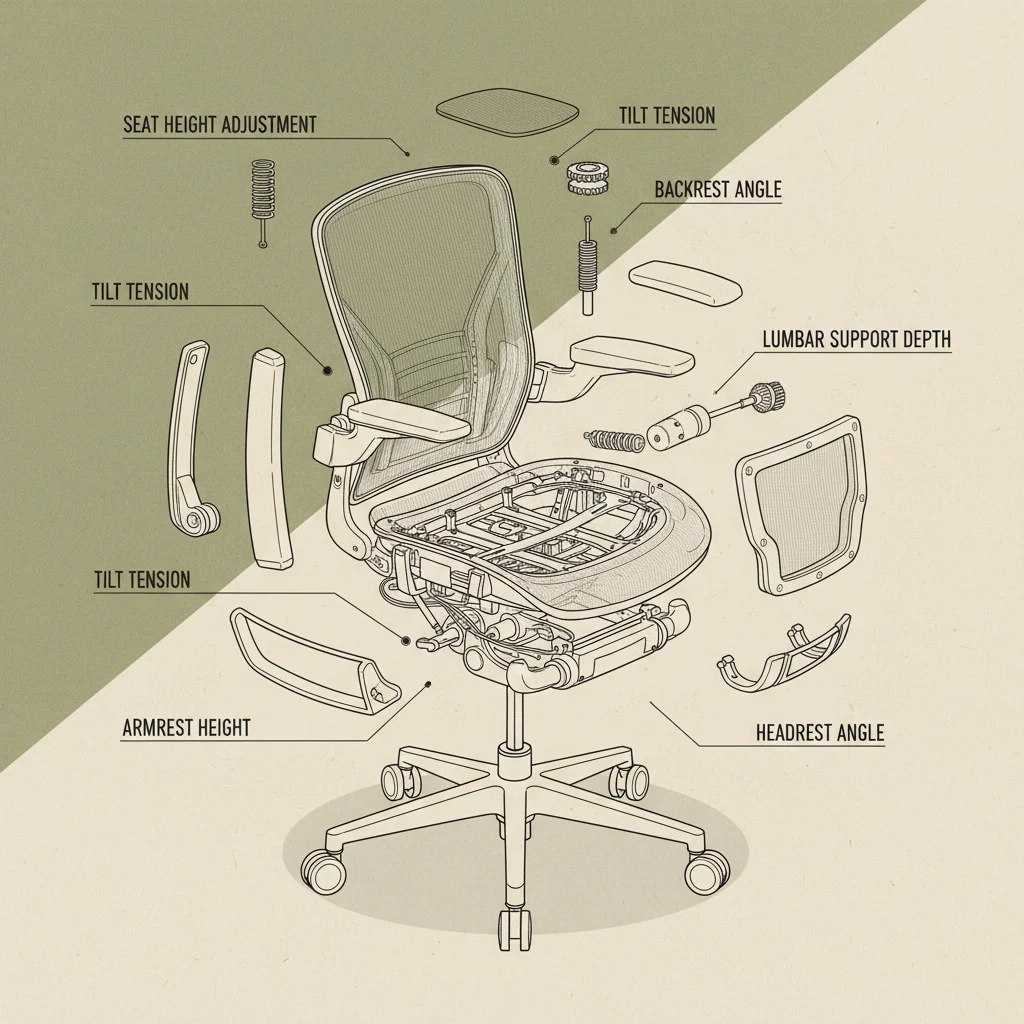
Ergonomic alignment is the second critical component. A high-quality folding work chair must feature a curved lumbar support system that mimics the natural S-curve of the human spine. This prevents the common "slumping" associated with cheaper portable chairs, thereby reducing the risk of chronic lower back pain during extended work sessions.
Finally, the locking mechanism and joint articulation determine the chair's longevity. Precision-engineered hinges with reinforced rivets prevent wobbling and lateral shifting, providing the user with a sense of security and stability that is usually only found in non-folding, stationary office furniture.
Engineering Factors for Industrial Durability
When evaluating the performance of a folding work chair, engineers focus on the "cycle life" of the folding hinge and the load-bearing capacity of the seat pan. In an industrial setting, the chair must withstand not only the static weight of the user but also the dynamic forces of sitting down and standing up repeatedly throughout a shift.
The integration of high-density foam and breathable mesh fabrics further enhances the chair's utility, preventing heat buildup and ensuring that the seating surface does not deform over time. This combination of metallurgical strength and textile science results in a product that is both resilient and comfortable.
Performance Metrics for Folding Work Chair Variants
Global Applications and Diverse Use Cases
The versatility of the folding work chair allows it to be deployed across a vast array of sectors. In the healthcare industry, specifically within mobile vaccination clinics or temporary triage centers, these chairs provide a professional workspace for clinicians in environments where permanent furniture is impossible to install.
In the corporate world, the "hot-desking" trend has led many firms to utilize folding chairs to create pop-up collaboration zones. By quickly unfolding a set of these chairs, a corridor or empty lounge can be transformed into a functional brainstorming hub, reflecting the agile nature of modern project management.
Long-Term Value and Sustainable Benefits
Investing in a high-quality folding work chair offers significant long-term economic value. By reducing the need for dedicated office space, companies can lower their real estate overheads. Furthermore, the durability of metal-frame folding chairs means they have a much longer lifespan than plastic alternatives, reducing the frequency of replacement and the resulting waste in landfills.
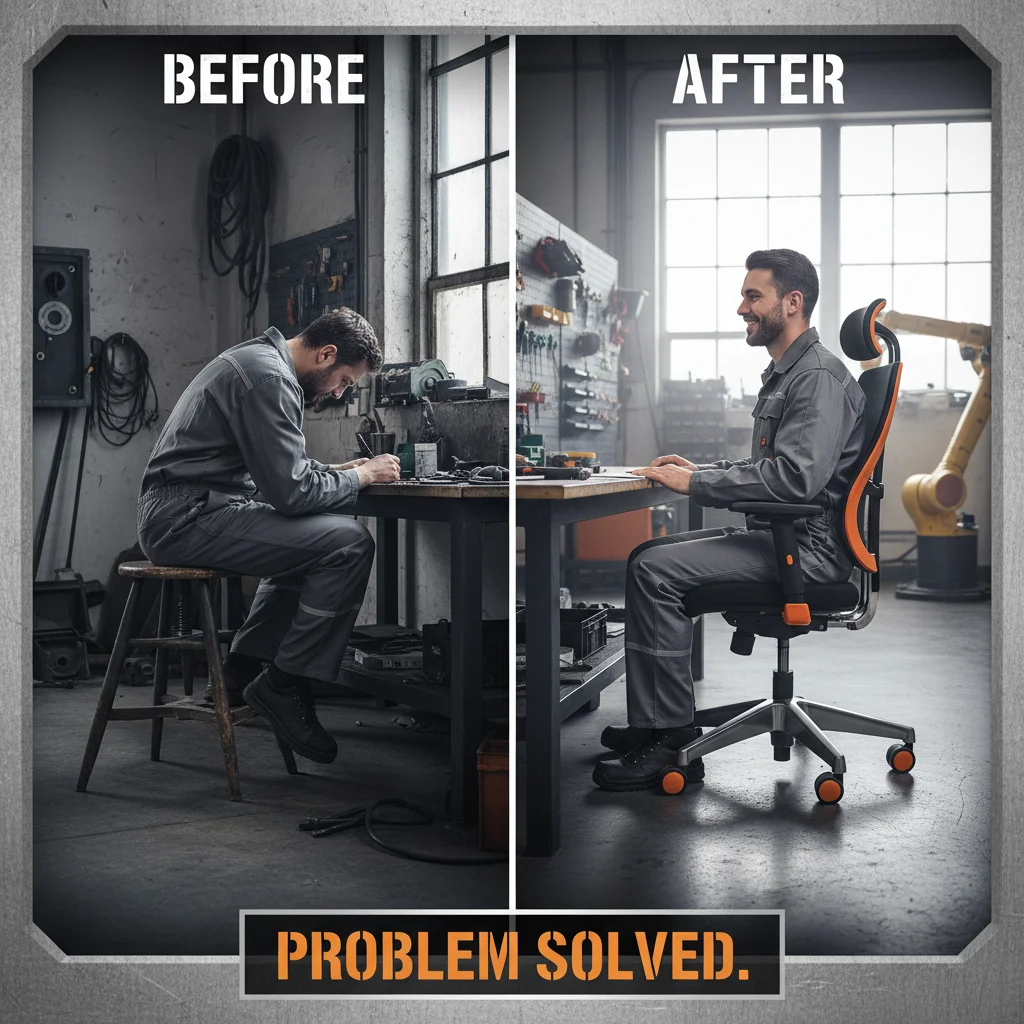
Beyond the financial aspect, there is a profound human impact. Providing an employee with a supportive chair, even in a temporary setting, communicates a commitment to their well-being and dignity. When a worker feels physically supported, their mental focus increases, leading to higher quality output and reduced absenteeism caused by ergonomic strain.
Sustainability is also integrated into the manufacturing process, with many modern chairs utilizing recycled steel and eco-friendly powder coatings. This ensures that the product not only serves the user efficiently but also aligns with global ESG (Environmental, Social, and Governance) goals, making it a preferred choice for green-certified organizations.
Future Trends in Foldable Ergonomics
The future of the folding work chair lies in the integration of "smart materials." We are seeing the emergence of shape-memory alloys and advanced polymers that allow the chair to fold more compactly while offering dynamic support that adjusts to the user's weight and posture in real-time.
Digital transformation is also playing a role, with some manufacturers experimenting with embedded sensors that alert users when their posture has shifted into an unhealthy position. This merge of traditional metal furniture manufacturing with IoT (Internet of Things) technology is turning the simple chair into a health-monitoring tool.
As we move toward a more circular economy, the design focus is shifting toward "modular disassembly." Future folding work chairs will be designed so that individual parts—such as the fabric seat or a specific hinge—can be replaced without discarding the entire frame, further extending the product's lifecycle.
Comparison of Folding Work Chair Material Specifications
| Material Type |
Durability Score (1-10) |
Weight Portability |
Average Lifespan |
| Cold-Rolled Steel |
9.5 |
Moderate |
10+ Years |
| Aircraft Aluminum |
8.0 |
High |
7-9 Years |
| Reinforced Nylon |
6.0 |
Very High |
3-5 Years |
| Hybrid Alloy |
8.5 |
Moderate |
8-10 Years |
| Carbon Fiber Composite |
9.0 |
Extreme |
12+ Years |
| Powder-Coated Iron |
7.5 |
Low |
6-8 Years |
FAQS
Yes, provided you choose a professional-grade model. Unlike basic event chairs, a dedicated folding work chair is engineered with lumbar curvature and high-density foam. To maximize support, ensure the chair has a contoured backrest and that you take short standing breaks every 90 minutes to maintain circulation.
Cold-rolled steel with a powder-coated finish is generally considered the gold standard for durability. It resists scratches and prevents rust while offering the highest weight capacity. If portability is your primary concern, aircraft-grade aluminum is a superior alternative, offering high strength with significantly less weight.
Regular maintenance is key. We recommend cleaning the joints with a dry cloth to remove industrial dust and applying a small amount of silicone-based lubricant to the pivot points every six months. Avoid using heavy oils that attract dirt, as this can lead to premature wear of the hinges.
While no portable chair can fully replace a medical-grade ergonomic workstation, a high-end folding work chair with an S-curve backrest is significantly better than standard seating. For those with chronic pain, we recommend models with adjustable tension or added memory foam cushions to customize the support level.
The most efficient way is to partner with a manufacturer that offers flat-pack shipping and ISO-certified quality control. By utilizing sea freight for bulk orders of high-density steel chairs, companies can reduce the per-unit cost significantly while ensuring all units meet the specific ergonomic standards of the destination country.
Absolutely, especially when considering "hidden" costs. Folding chairs allow for flexible room usage, which can reduce the need for larger office leases. Additionally, their ease of storage makes them ideal for seasonal staff or rotating project teams, ensuring you only utilize space when it is actively generating value.
Conclusion
The folding work chair represents a perfect synergy between industrial strength and spatial flexibility. By addressing the critical needs of ergonomic support, material durability, and portability, it solves the modern dilemma of the shrinking workspace. From its reinforced steel frames to its lumbar-focused design, this seating solution proves that productivity does not have to be anchored to a single location.
Looking forward, the integration of sustainable materials and smart ergonomic sensors will only further elevate the role of foldable furniture in our lives. Whether you are an entrepreneur optimizing a home office or a facility manager coordinating a global workforce, investing in high-quality foldable seating is a strategic move toward a more agile, healthy, and efficient future. Visit our website to explore our professional range: www.cdgamingfurniture.com