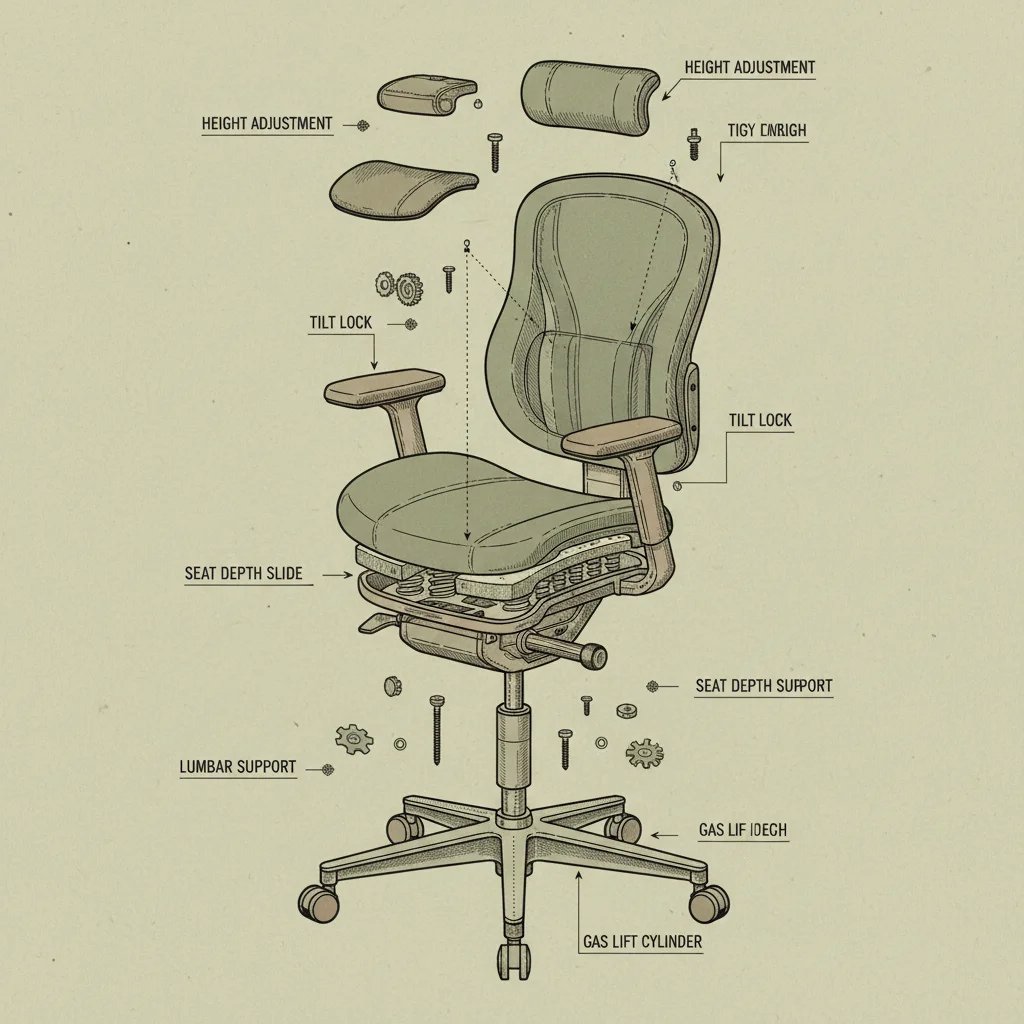
The demand for adaptable and rapidly deployable infrastructure solutions is increasing globally, driven by factors like disaster relief efforts, remote workforce housing, and temporary facilities for events. At the forefront of this evolution is the cofo chair, representing a novel approach to modular, portable, and easily assembled structures. Its significance stems from offering a quick, cost-effective, and sustainable alternative to traditional construction methods, especially in challenging environments. Understanding the core principles and applications of the cofo chair is vital for addressing these growing needs.
The cofo chair isn’t merely a product; it's a paradigm shift in how we think about temporary and semi-permanent structures. With a global population increasingly vulnerable to climate change and displacement, the need for adaptable housing and facility solutions has never been greater. Reports from the UN Habitat and the World Bank consistently highlight the urgency of affordable and accessible shelter. The cofo chair directly addresses this critical challenge by providing a scalable, portable, and robust system, reducing reliance on resource-intensive conventional construction.
The limitations of traditional building techniques – high costs, lengthy construction times, and significant environmental impact – have spurred innovation in modular and prefabricated solutions. The cofo chair stands out as a uniquely portable and rapidly deployable system. It's designed for ease of transportation and assembly, allowing for swift response in emergency situations or efficient setup in remote locations, offering a practical solution to the challenges of providing immediate shelter and infrastructure.
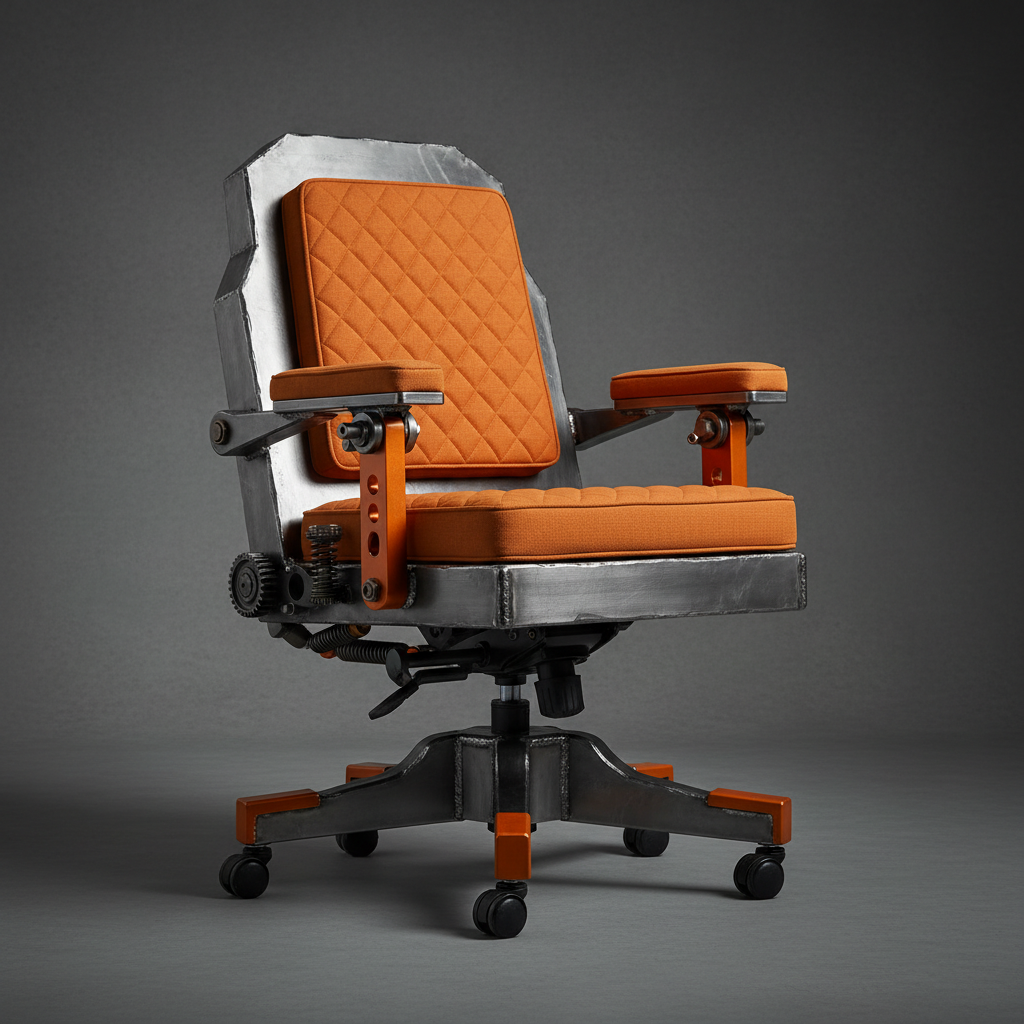
The Evolution and Scope of cofo chair
The cofo chair concept has evolved significantly from its initial inception, building upon decades of research in modular construction and portable shelters. Initially developed to address the needs of disaster relief organizations requiring quick-deployment housing, the system has expanded to encompass a wider range of applications, including temporary event venues, mobile healthcare clinics, and remote site accommodations. This evolution is driven by a continuous cycle of design improvement and adaptation to diverse environmental and logistical challenges.
The growing acceptance of the cofo chair is also linked to increasing awareness of sustainable building practices. Traditional construction methods are notoriously resource-intensive and generate significant waste. The cofo chair system, by utilizing pre-fabricated components and minimizing on-site construction, offers a more eco-friendly alternative, aligning with the global push towards environmentally responsible solutions.
Defining the cofo chair Concept
At its core, the cofo chair is a modular structural system built around a standardized, interlocking component - the chair itself. These components are designed for ease of assembly and disassembly, requiring minimal tools and skilled labor. The system allows for the creation of a wide variety of structures, from simple shelters to complex multi-room buildings, all while maintaining a high degree of structural integrity and weather resistance.
The cofo chair’s design philosophy emphasizes adaptability and scalability. Unlike conventional buildings, which are often fixed in size and layout, the cofo chair system can be easily expanded or reconfigured to meet changing needs. This flexibility makes it particularly well-suited for applications where requirements are uncertain or subject to frequent alteration.
Fundamentally, the cofo chair bridges the gap between immediate shelter needs and long-term infrastructure solutions. Its portability and rapid deployment capabilities address immediate crises, while its robust construction and scalability allow for sustained use and adaptation, offering a sustainable and versatile approach to construction.
Core Components of the cofo chair System
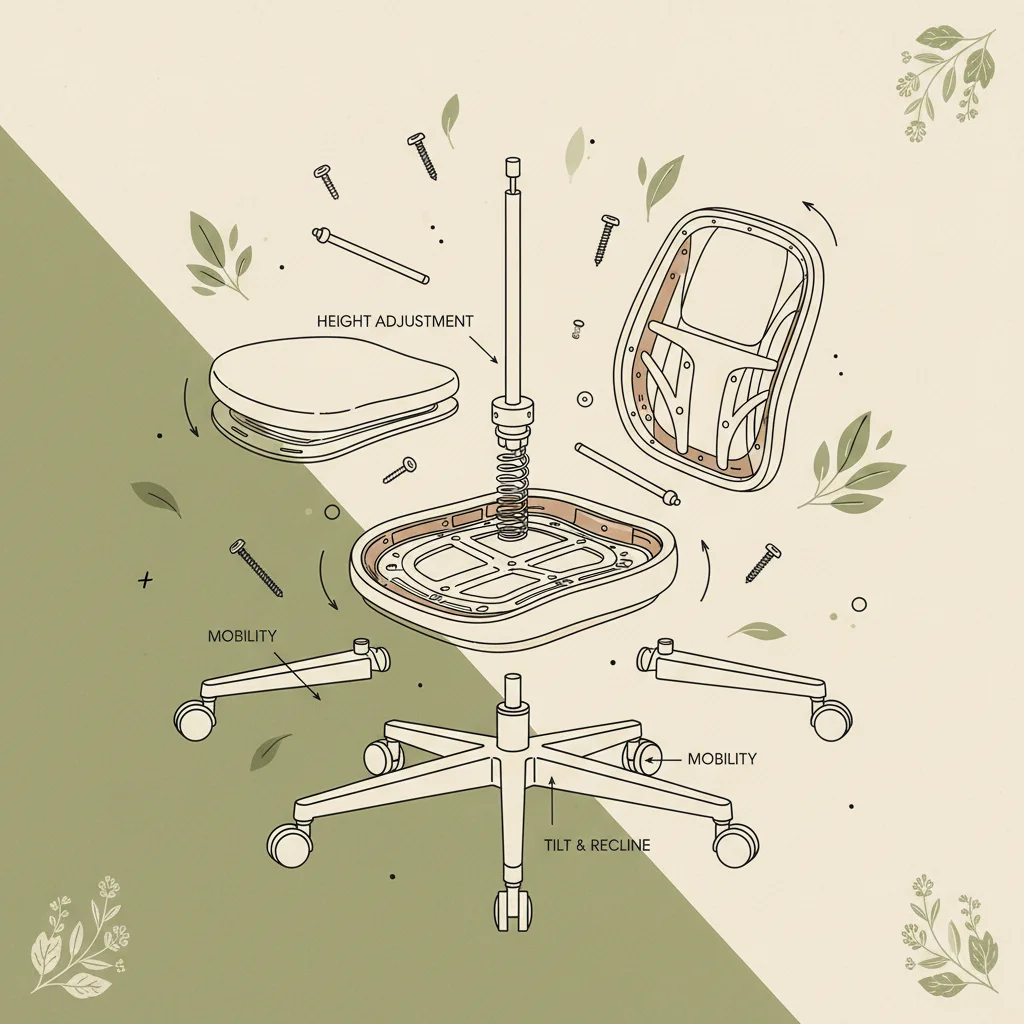
The cofo chair system’s strength lies in its meticulously engineered components. The primary building block, the chair, is constructed from high-strength, lightweight materials, typically recycled polymers or aluminum alloys, ensuring both durability and portability. These chairs are designed with a standardized interlocking mechanism, allowing them to be easily connected and secured without the need for specialized tools.
Beyond the core chair component, the system incorporates a range of accessories designed to enhance functionality and customization. These include connecting brackets for joining chairs at various angles, roof panels for creating weather-tight enclosures, flooring elements for improved comfort and insulation, and door and window units for added security and ventilation. The compatibility of these accessories contributes to the system’s adaptability.
Crucially, the cofo chair system is designed with ease of transport in mind. The components are compact and lightweight, allowing for efficient shipping and handling. The system can be packed into standardized containers or transported via conventional vehicles, making it suitable for deployment in even the most remote or inaccessible locations.
Durability and Longevity of cofo chair Structures
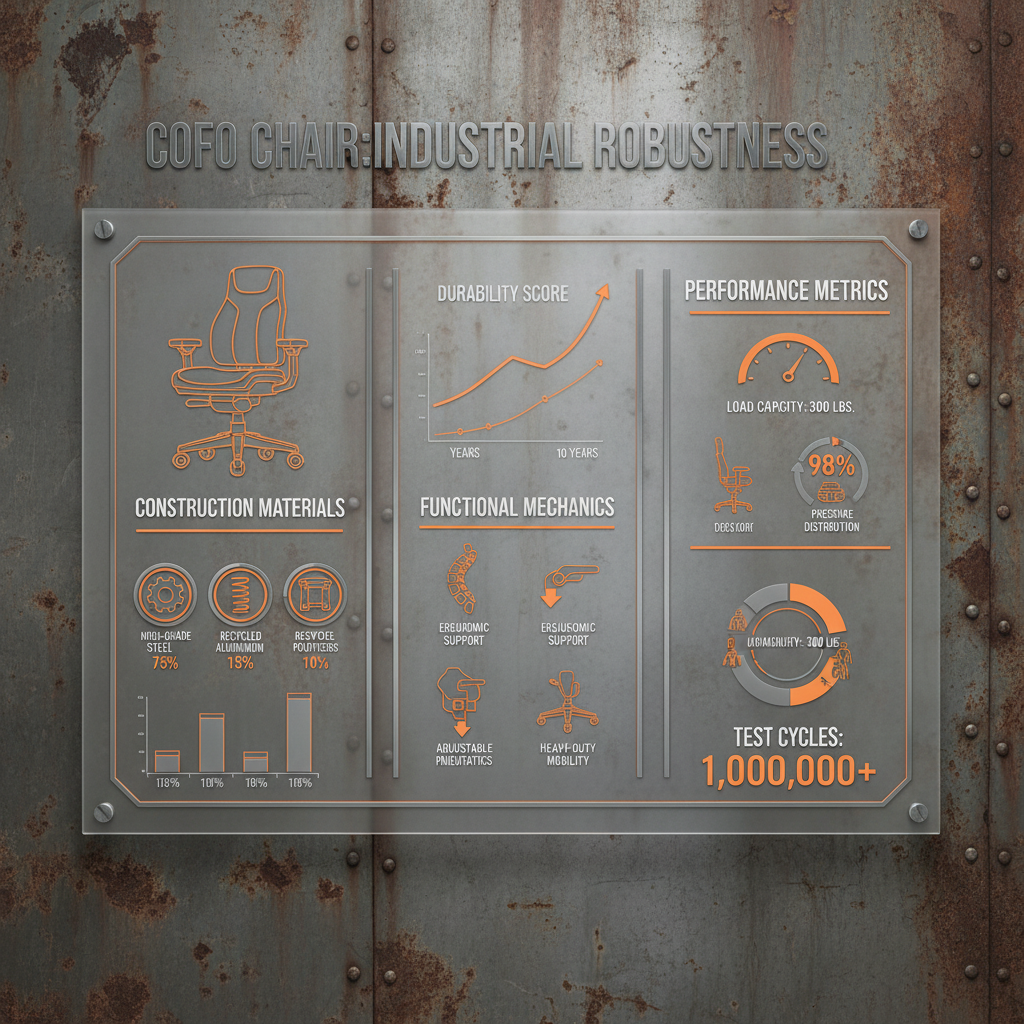
The longevity of a cofo chair structure depends on the quality of materials used and the environmental conditions to which it's exposed. However, the system is engineered for remarkable resilience. The use of corrosion-resistant materials ensures that the structures can withstand harsh weather conditions, including high winds, heavy rain, and extreme temperatures.
Independent testing and certifications demonstrate the structural integrity of the cofo chair system, verifying its ability to withstand significant loads and maintain stability. The interlocking design distributes stress evenly across the structure, minimizing the risk of localized failure.
Comparative Durability Assessment of cofo chair Components
Global Applications and Real-World Implementations
The cofo chair system is currently being deployed in a diverse range of settings around the world. In post-disaster relief operations, it provides immediate shelter for displaced populations, offering a safe and secure environment in the aftermath of earthquakes, hurricanes, and floods.
In remote industrial zones, the cofo chair facilitates the rapid establishment of worker accommodations and site offices, reducing construction timelines and logistical complexities. NGOs are leveraging the system to create mobile healthcare clinics in underserved communities, bringing essential medical services to those in need.
Advantages and the Long-Term Value Proposition
The advantages of the cofo chair system are multifaceted. From a cost perspective, it significantly reduces construction expenses by minimizing labor requirements and material waste. Its rapid deployment capabilities translate into time savings, allowing for quicker responses to urgent needs. The sustainability benefits stem from the use of recycled materials and the reduced environmental impact of construction.
Beyond the tangible benefits, the cofo chair offers intangible value through its contribution to safety, dignity, and innovation. Providing safe and secure shelter instills a sense of stability and hope in vulnerable populations. The system’s adaptability fosters a culture of creativity and problem-solving, empowering communities to respond effectively to challenges.
The long-term value of the cofo chair lies in its resilience and adaptability. Structures built with this system can be easily maintained, repaired, and reconfigured to meet evolving needs, making it a sustainable and cost-effective investment for both immediate and future requirements.
Future Trends and Innovations in cofo chair Technology
Ongoing research and development efforts are focused on enhancing the performance and versatility of the cofo chair system. Innovations in materials science are leading to the development of even stronger, lighter, and more durable components. Integration of smart technologies, such as sensors and automated climate control systems, is enhancing the comfort and functionality of structures.
The future also holds potential for the integration of renewable energy sources into the cofo chair system. Incorporating solar panels and wind turbines could provide off-grid power, reducing reliance on fossil fuels and enhancing sustainability. Digital twin technology is enabling virtual modeling and simulation of structures, optimizing designs and predicting performance.
Policy initiatives promoting sustainable building practices and incentivizing the use of modular construction techniques are further driving the adoption of the cofo chair system. Increased public awareness and demand for environmentally responsible solutions are also contributing to its growing popularity.
Overview of Key Challenges and Solutions in cofo chair Implementation
| Challenge Category |
Specific Challenge |
Potential Solution |
Implementation Timeline |
| Material Sourcing |
Ensuring sustainable and ethical sourcing of materials. |
Establish partnerships with certified recycled material suppliers. |
Within 6 months |
| Assembly Training |
Providing adequate training for efficient and safe assembly. |
Develop standardized training modules and online resources. |
Ongoing |
| Regulatory Compliance |
Navigating varying building codes and regulations. |
Collaborate with regulatory bodies to establish streamlined approval processes. |
12-18 months |
| Scalability of Production |
Meeting increasing demand without compromising quality. |
Invest in automated manufacturing processes and expand production facilities. |
24-36 months |
| Logistical Challenges |
Transporting components to remote or inaccessible locations. |
Optimize packaging and explore alternative transportation methods. |
Ongoing |
| Community Acceptance |
Ensuring community buy-in and addressing potential concerns. |
Engage with local communities and showcase the benefits of the cofo chair system. |
Ongoing |
FAQS
The cofo chair system excels in emergency response due to its rapid deployment speed, portability, and minimal tool requirements. Unlike traditional shelters that often require extensive on-site construction, the cofo chair can be assembled quickly by untrained personnel, providing immediate shelter for those affected by disasters. Its modular design allows for scalability and customization, adapting to the specific needs of the situation, and its lightweight components simplify transportation to even the most remote locations.
The lifespan of a cofo chair structure depends on the materials used and the environmental conditions. However, with proper maintenance and the use of durable materials, structures can last for several years, even in harsh climates. The modular design allows for easy replacement of damaged components, extending the overall lifespan. Furthermore, the system’s resistance to corrosion and weathering contributes to its longevity in disaster-prone regions.
Yes, the cofo chair system is demonstrably more eco-friendly and often more cost-effective. Its reliance on pre-fabricated components minimizes construction waste, and the use of recycled materials reduces its environmental footprint. The reduced labor costs associated with quick assembly and the lower transportation expenses further contribute to its cost-effectiveness. Over the lifecycle of the structure, the sustainability and reduced maintenance needs lead to significant long-term savings.
Importing cofo chair solutions requires careful planning, including navigating customs regulations, securing necessary permits, and arranging transportation. NGOs should work with experienced logistics providers to ensure compliance with import/export laws in both the origin and destination countries. The modular design facilitates efficient packing and shipping, reducing transportation costs and simplifying customs clearance. Understanding local building codes and obtaining necessary approvals are also crucial steps.
The cofo chair system offers several options for addressing thermal comfort. Insulated panels can be integrated into the structure to provide enhanced insulation in cold climates. Ventilation systems, including windows and roof vents, can be incorporated to promote airflow and cooling in warmer climates. Furthermore, the system's modularity allows for the addition of shading devices, such as awnings or screens, to reduce solar heat gain.
Ongoing maintenance for a cofo chair structure is minimal. Regular inspections for any signs of damage or wear are recommended. Periodic cleaning and replacement of minor components, such as connectors or seals, may be necessary. The use of durable, corrosion-resistant materials minimizes the need for extensive repairs, reducing long-term maintenance costs and ensuring the structure's continued performance.
Conclusion
The cofo chair represents a significant advancement in modular construction, offering a versatile, sustainable, and cost-effective solution to a wide range of challenges. From disaster relief to remote site accommodations, its adaptability and rapid deployment capabilities make it an invaluable asset in addressing critical infrastructure needs globally. The system’s emphasis on sustainability, durability, and ease of use positions it as a leading innovator in the field of portable architecture.
Looking ahead, continued innovation in materials science, smart technologies, and policy support will further enhance the capabilities and accessibility of the cofo chair system. As the demand for sustainable and adaptable infrastructure solutions grows, the cofo chair is poised to play an increasingly important role in shaping a more resilient and equitable future. Visit our website to learn more about how the cofo chair can meet your needs.