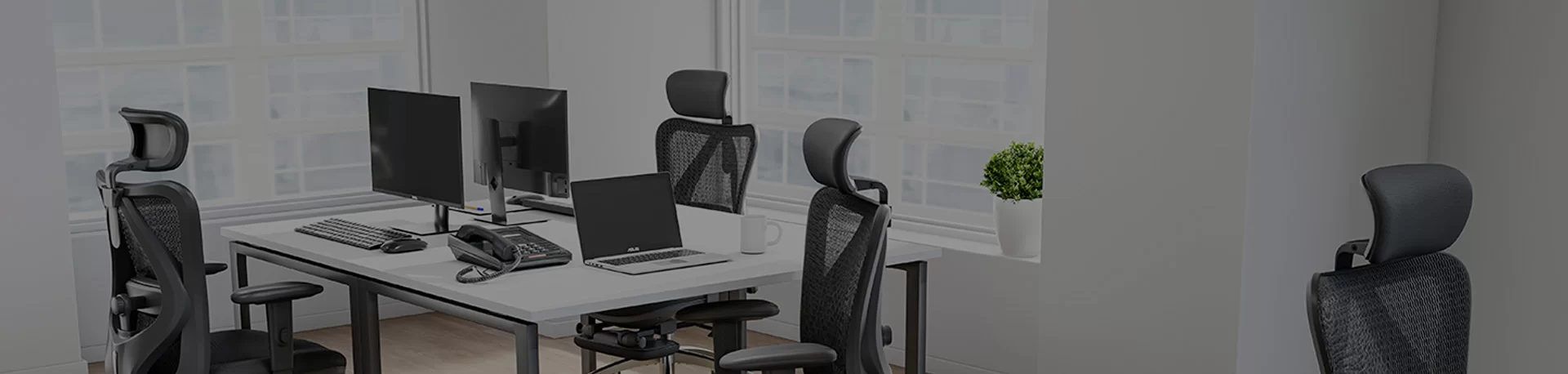
Chairs with wheels are ubiquitous in modern life, found in offices, homes, schools, and industrial settings across the globe. Their impact extends far beyond mere convenience, influencing productivity, accessibility, and even health and well-being. Understanding the design, functionality, and evolution of chairs with wheels is crucial for optimizing workspaces, promoting ergonomic comfort, and ensuring inclusivity for individuals with diverse needs. The global market for these chairs is substantial, reflecting a continuous demand for innovative and adaptive seating solutions.
The proliferation of chairs with wheels is directly linked to advancements in materials science, manufacturing techniques, and ergonomic research. Initially a luxury item, the widespread adoption of these chairs has been fueled by a growing understanding of the importance of dynamic seating and its positive impact on circulation and posture. Furthermore, the increasing emphasis on creating accessible and adaptable work environments necessitates the continued development of chairs with wheels that cater to a broad spectrum of users.
This exploration delves into the core aspects of chairs with wheels, examining their key features, applications, future trends, and the challenges associated with their design and implementation. From basic mobility to sophisticated ergonomic adjustments, we will uncover how these seemingly simple devices play a vital role in shaping our daily experiences.
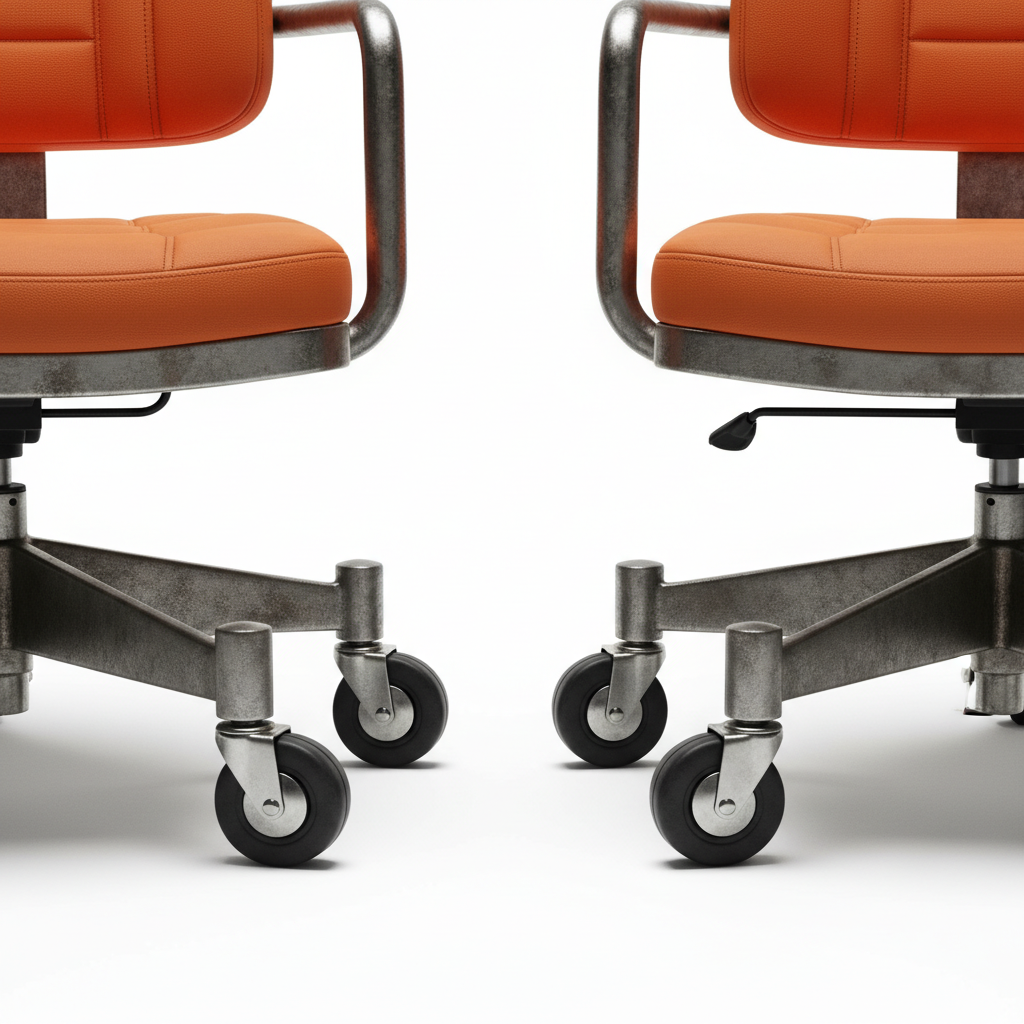

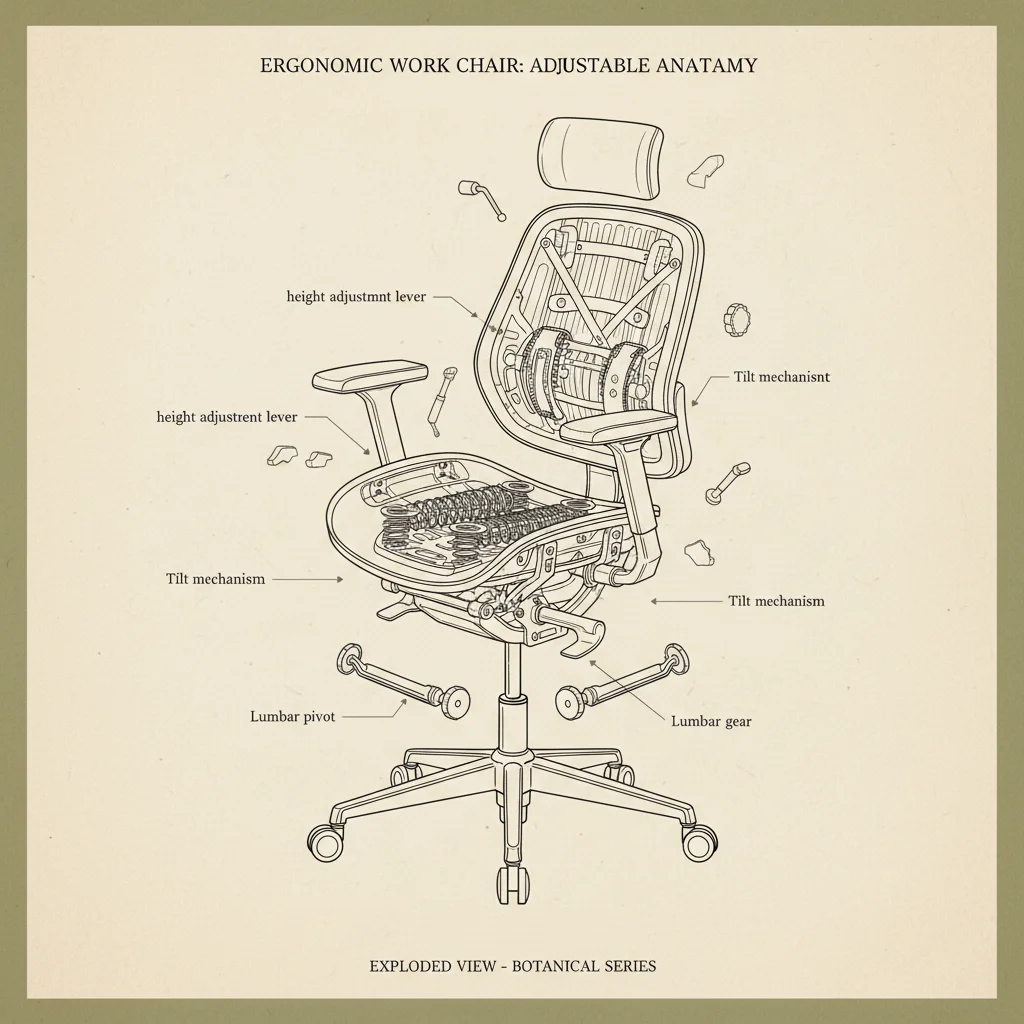
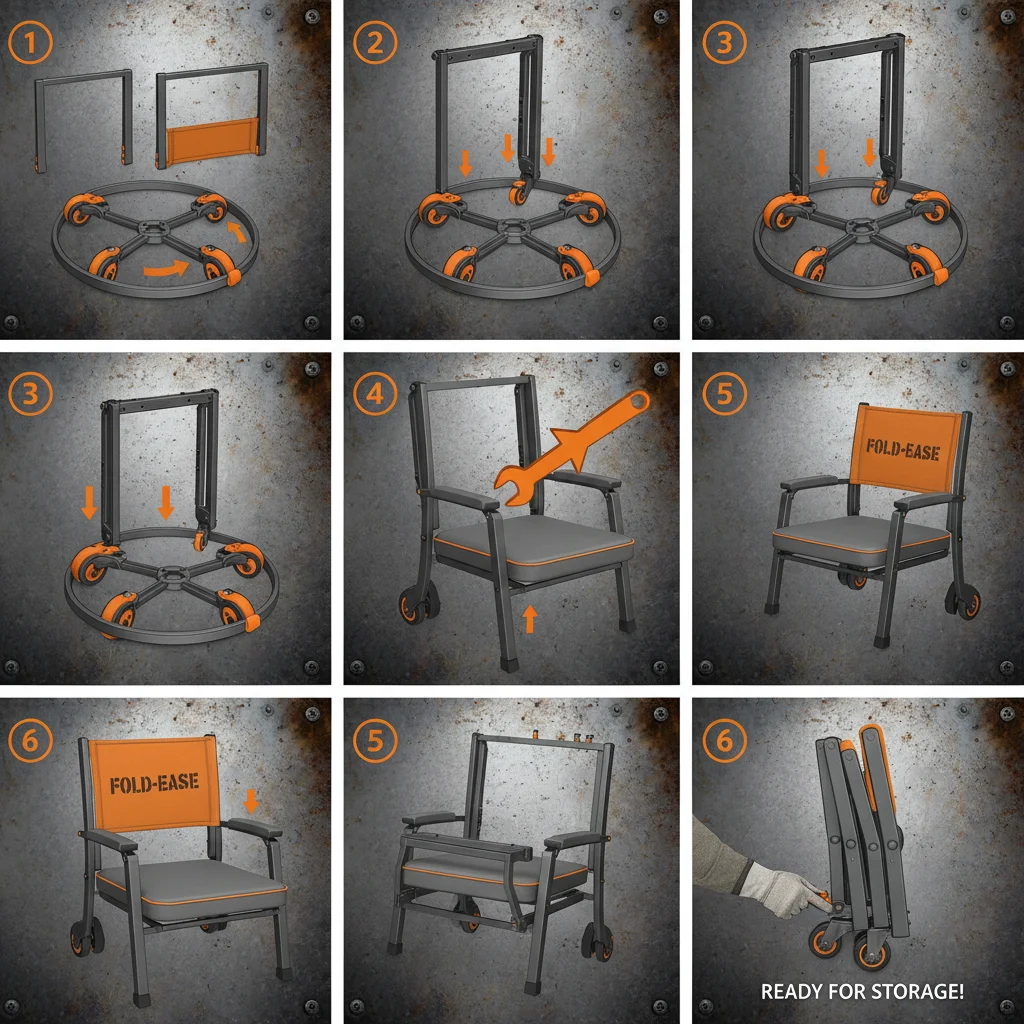
At their heart, chairs with wheels are comprised of several key components that contribute to their functionality and durability. The base, typically consisting of five caster wheels, provides stability and allows for effortless movement across various surfaces. These wheels are crucial for enabling dynamic seating and reducing strain on the user.
The seat itself, often padded and upholstered, is designed to provide comfort and support. The backrest, adjustable in many models, promotes proper posture and alleviates pressure on the spine. The mechanism connecting the seat to the base is a critical element, determining the chair's adjustability and range of motion. The quality of these components directly impacts the overall performance and longevity of the chair.
Hard surfaces like hardwood, laminate, or tile offer the easiest rolling experience for chairs with wheels. However, carpeted floors can still accommodate chairs with wheels, especially those equipped with specialized caster wheels designed for carpet. Avoid very thick or plush carpets, as they can impede movement and cause strain on the chair's mechanism. Consider using chair mats to protect flooring and improve rolling performance on hard surfaces.
Wheel type is crucial for optimal performance. Hard floor casters typically have a smooth, hard plastic or rubber surface. Soft casters, often made of polyurethane, are ideal for carpet as they provide grip and prevent damage to the fibers. There are also dual-wheel casters that function effectively on both hard and carpeted surfaces. Consider the pile height and density of your carpet when selecting the appropriate caster.
The frequency of wheel replacement depends on usage and floor type. Generally, wheels should be replaced when they become worn, cracked, or no longer roll smoothly. Signs of wear include difficulty moving the chair, squeaking noises, or visible damage to the wheels. For heavy use in office environments, replacement may be necessary every 1-2 years. Light use in residential settings might extend the lifespan to 3-5 years.
Most standard chairs with wheels are designed to support a weight capacity of 250-300 pounds. However, heavy-duty chairs with reinforced frames and larger casters can support up to 500 pounds or more. Always check the manufacturer's specifications to ensure the chair can safely accommodate the user's weight. Exceeding the weight capacity can compromise the chair's stability and lead to premature failure.
Regular cleaning is essential to maintain wheel performance. Use a damp cloth or sponge to wipe away dirt and debris. For stubborn buildup, a mild detergent solution can be used. Avoid abrasive cleaners, as they can damage the wheel surface. Ensure the wheels are thoroughly dried after cleaning to prevent corrosion. Periodically inspect the wheels for tangled hair or fibers and remove them as needed.
Absolutely. Ergonomic features are paramount for long-term comfort and health. Look for chairs with adjustable height, lumbar support, armrests, and backrest angle. A five-star base provides greater stability, and a seat with adequate cushioning is essential. Ensure the chair allows for proper posture and supports the natural curvature of the spine. Consider a chair that promotes dynamic sitting, encouraging movement throughout the day.
In conclusion, chairs with wheels represent a cornerstone of modern work and living environments. Their ability to facilitate mobility, enhance comfort, and promote ergonomic health makes them an indispensable tool for individuals across diverse sectors. From advancements in materials and design to the integration of smart technologies, the evolution of chairs with wheels continues to shape how we interact with our surroundings.
Looking ahead, the future of chairs with wheels promises even greater innovation, driven by a commitment to sustainability, accessibility, and user well-being. By embracing these advancements, we can create more comfortable, productive, and inclusive environments for all. For a wide selection of quality chairs with wheels, visit our website today!

If you are interested in our products, you can choose to leave your information here, and we will be in touch with you shortly.