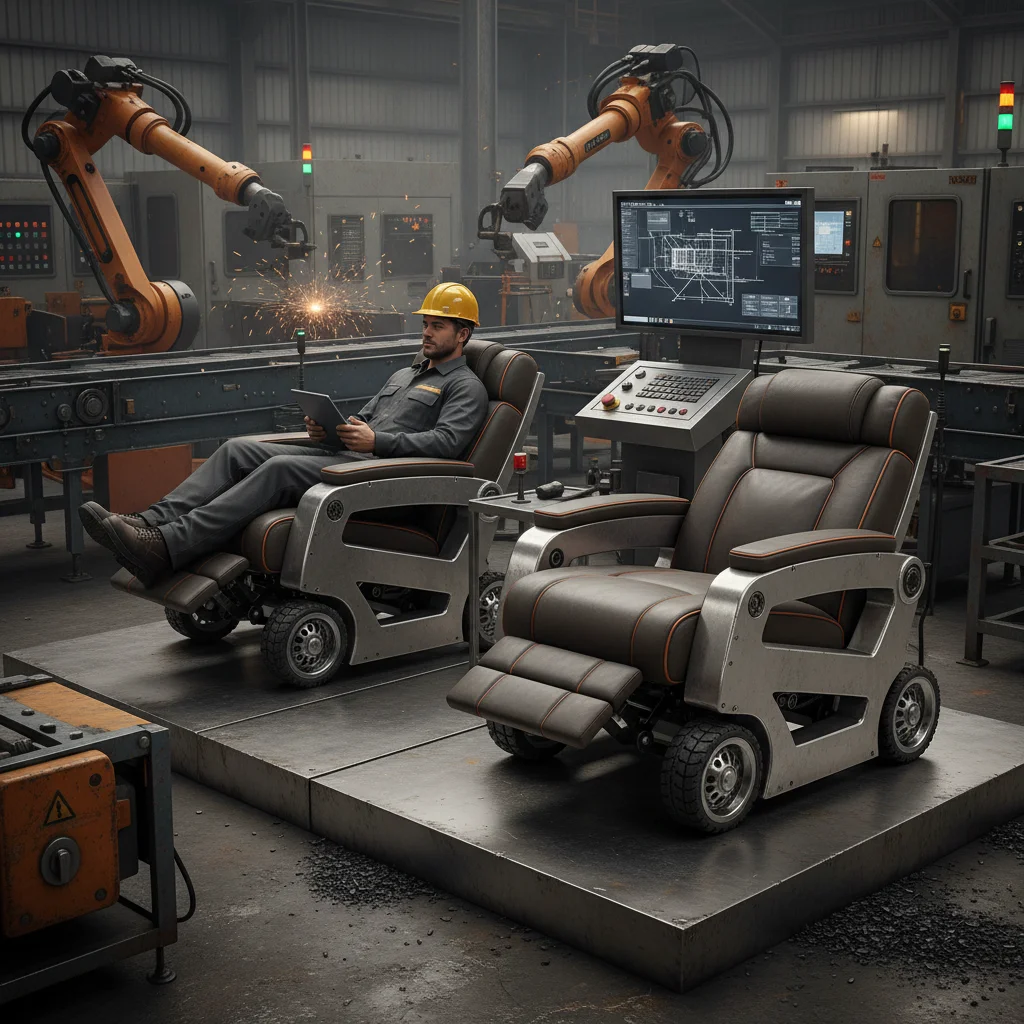
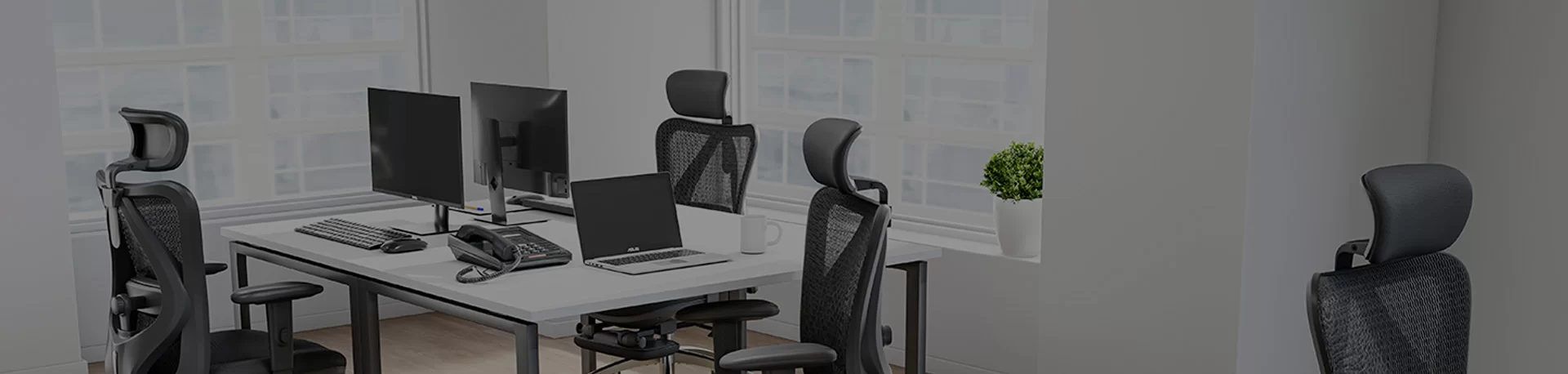
The pursuit of comfort is a fundamental human desire, and a comfortable chair embodies this perfectly. In today’s fast-paced world, finding moments of respite and support is vital for both physical and mental wellbeing. A well-designed comfortable chair isn't just furniture; it’s an investment in health, productivity, and overall quality of life. It impacts how we work, relax, and interact with our surroundings.
Globally, the demand for ergonomic and comfortable seating solutions is increasing, driven by growing awareness of workplace wellness and the aging population. Statistics from the World Health Organization indicate a rising prevalence of musculoskeletal disorders linked to prolonged sitting. This fuels the need for chairs designed to promote proper posture and reduce strain. Furthermore, the shift towards remote work and increased screen time have amplified the importance of a comfortable chair at home.
The challenge lies in balancing comfort, support, aesthetics, and affordability. Many individuals and organizations struggle to find chairs that meet their specific needs without compromising on quality or budget. This is where understanding the intricacies of comfortable chair design and material science becomes crucial. Prioritizing a chair tailored to individual requirements can significantly enhance wellbeing and productivity, making it a worthwhile investment.
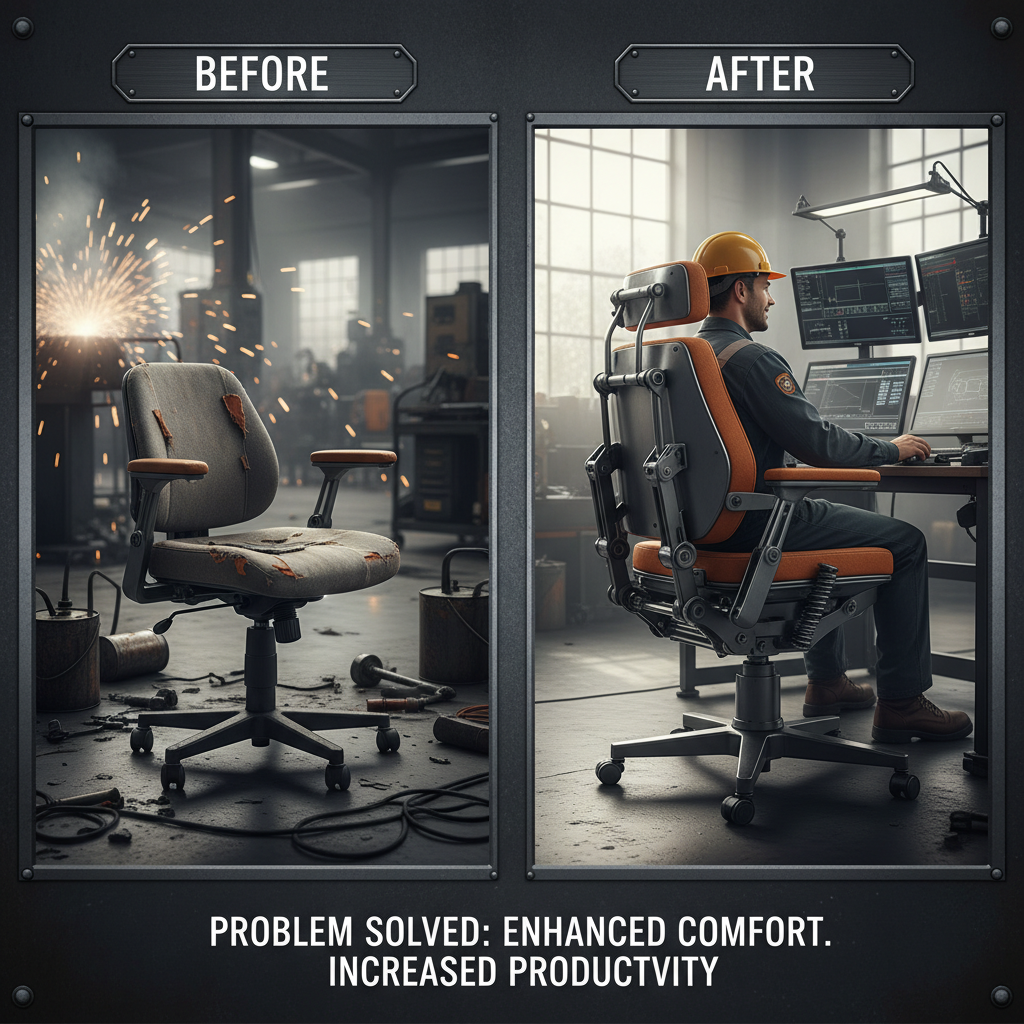
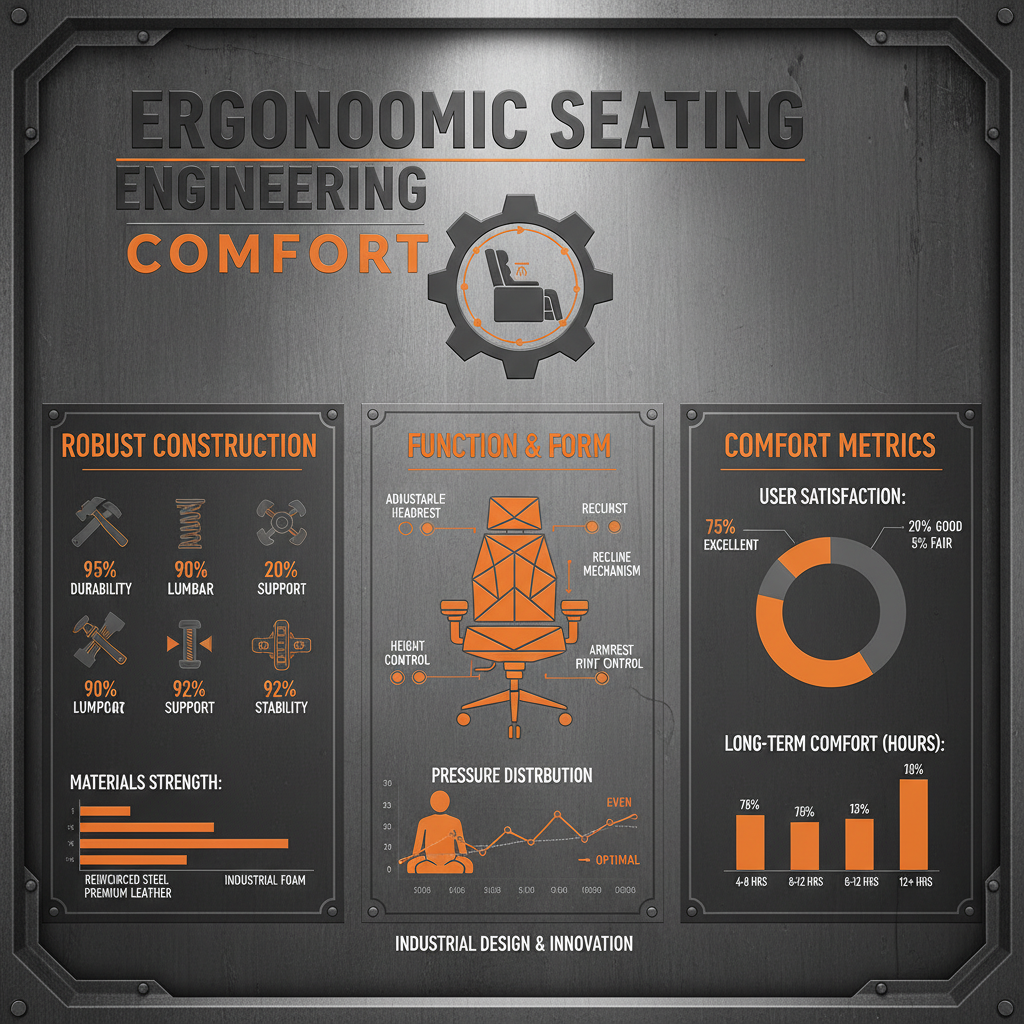
Good design goes far beyond aesthetics; it’s about understanding the human body and creating a comfortable chair that supports its natural posture. Poorly designed chairs can lead to a host of health problems, including back pain, neck strain, and carpal tunnel syndrome. A focus on ergonomic principles is therefore paramount.
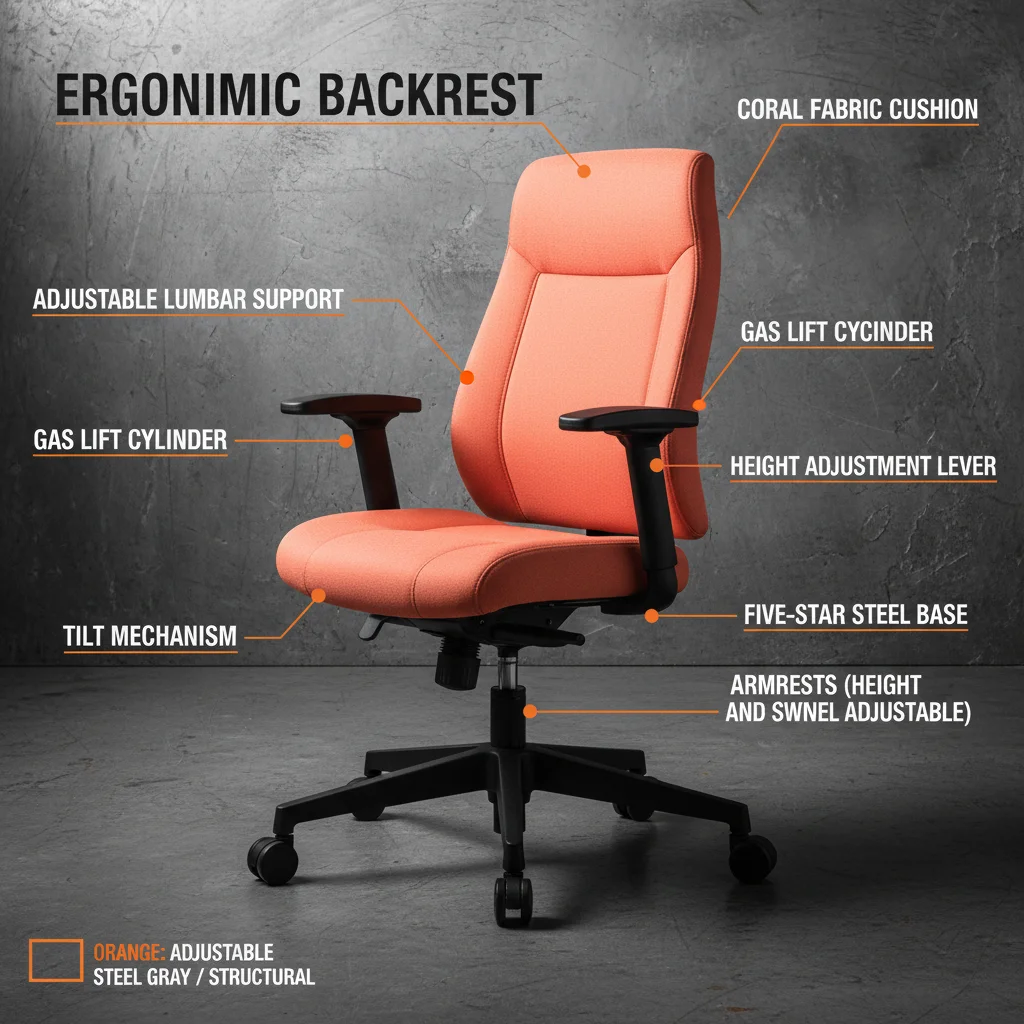
Consideration must be given to adjustable features – seat height, backrest angle, armrest position – to accommodate diverse body types and preferences. Material selection also plays a critical role; breathable fabrics and supportive cushioning enhance comfort over extended periods of use.
Ergonomic chairs are designed with the human body in mind, offering adjustable features like lumbar support, armrests, and seat height to promote proper posture and reduce strain. Standard chairs lack these features and often contribute to discomfort and health issues over time. Investing in an ergonomic comfortable chair is an investment in your wellbeing and productivity.
It’s best to adjust your chair frequently throughout the day as your body shifts and moves. Reposition your lumbar support, armrests, and seat height every 30-60 minutes to maintain optimal comfort and support. Small adjustments can make a significant difference in preventing fatigue and discomfort. A truly comfortable chair facilitates these small, crucial adjustments.
The best upholstery material depends on your needs. Mesh is breathable and ideal for warm environments, while leather offers durability and a luxurious feel. Fabric options provide a balance of comfort and affordability. Consider your climate, lifestyle, and budget when selecting the best material for your comfortable chair.
Always check the weight capacity of the chair before purchasing to ensure it can safely support your weight. Choosing a chair with a higher weight capacity than you need is always recommended for added safety and longevity. A quality comfortable chair will clearly state its weight capacity.
Cleaning and maintenance depend on the upholstery material. Leather requires regular conditioning, while mesh and fabric can be cleaned with a mild detergent and water. Avoid harsh chemicals that could damage the material. Regular cleaning will extend the life of your comfortable chair.
Not necessarily. While price often correlates with quality, it’s important to focus on features and ergonomics rather than simply opting for the most expensive option. A well-designed, properly fitted, and ergonomically sound chair at a moderate price point can be far more effective than a high-end chair that doesn’t meet your specific needs. Look for a comfortable chair that offers the features you need at a price you can afford.
In conclusion, a comfortable chair is far more than just a piece of furniture; it's an investment in health, wellbeing, and productivity. Understanding the key components, ergonomic principles, and future trends in chair design empowers us to make informed choices that support our physical and mental health. Prioritizing comfort and support in our seating choices is essential in today’s demanding world.
Looking ahead, we can expect to see even greater integration of technology and sustainable materials in chair design, leading to more personalized and environmentally responsible solutions. By embracing these innovations and prioritizing ergonomic principles, we can create workspaces and homes that promote optimal health and wellbeing for all.

If you are interested in our products, you can choose to leave your information here, and we will be in touch with you shortly.