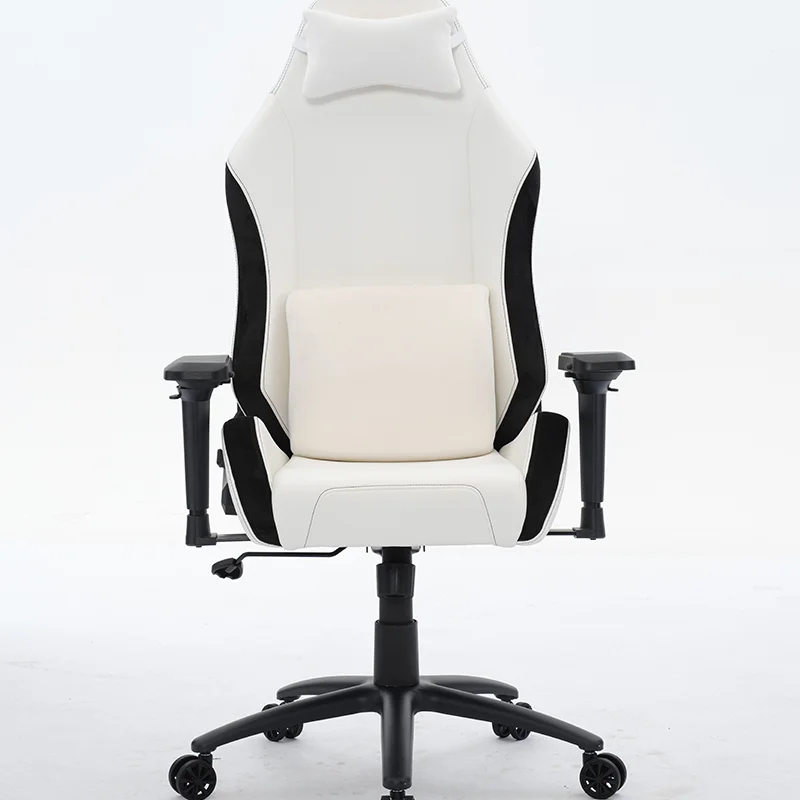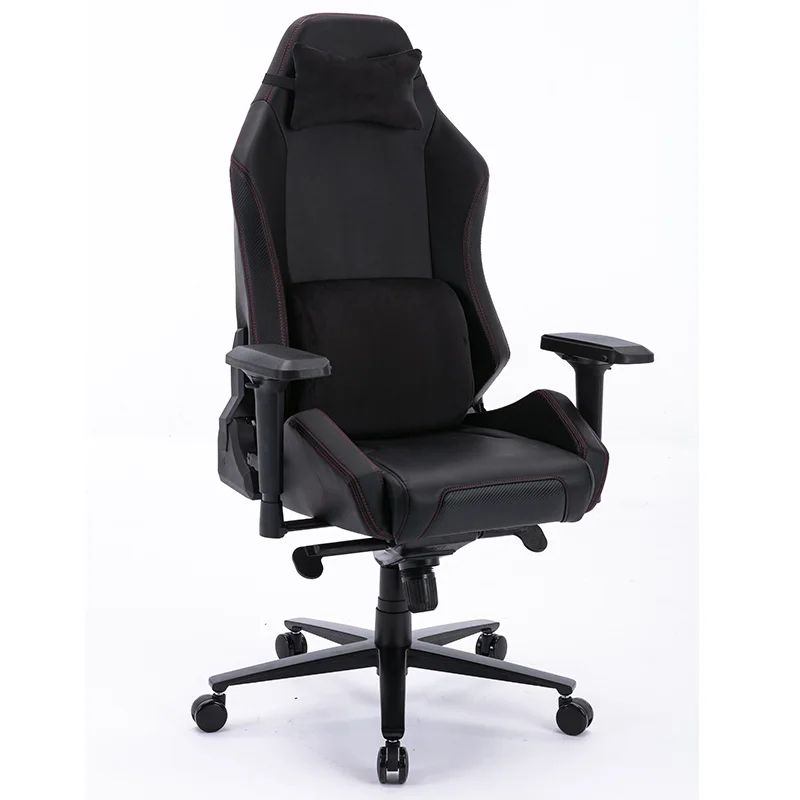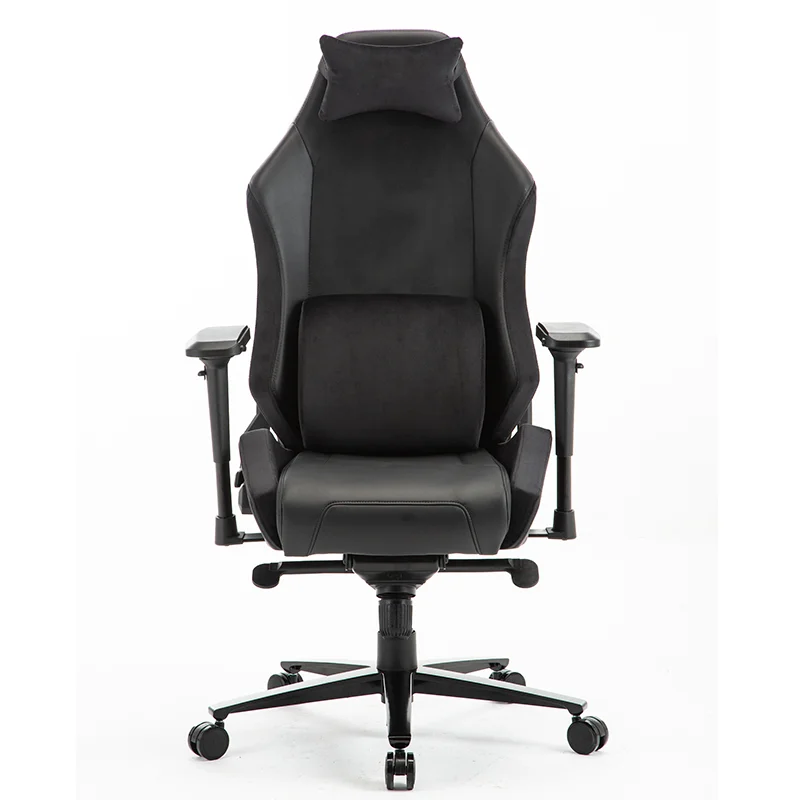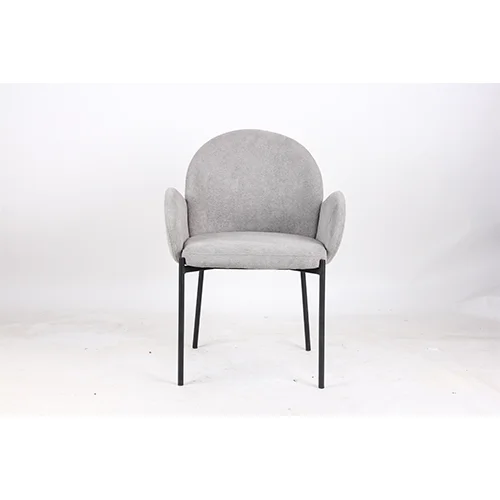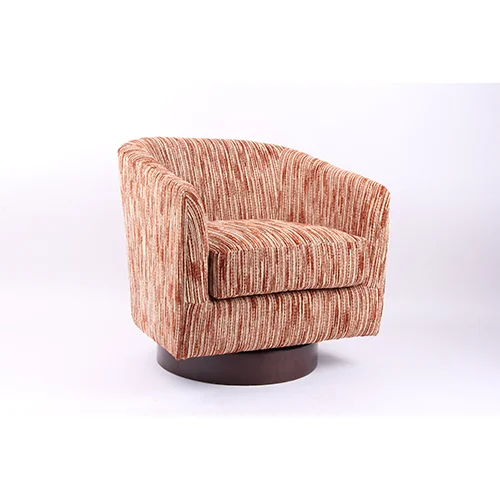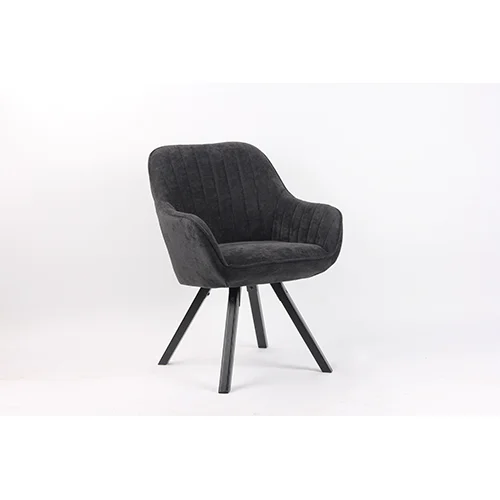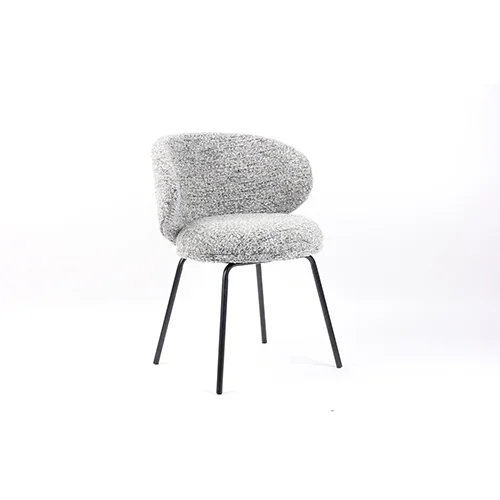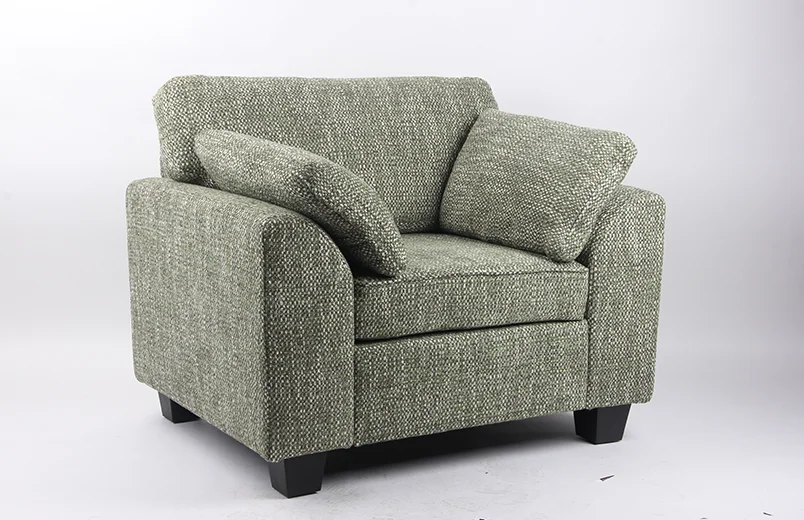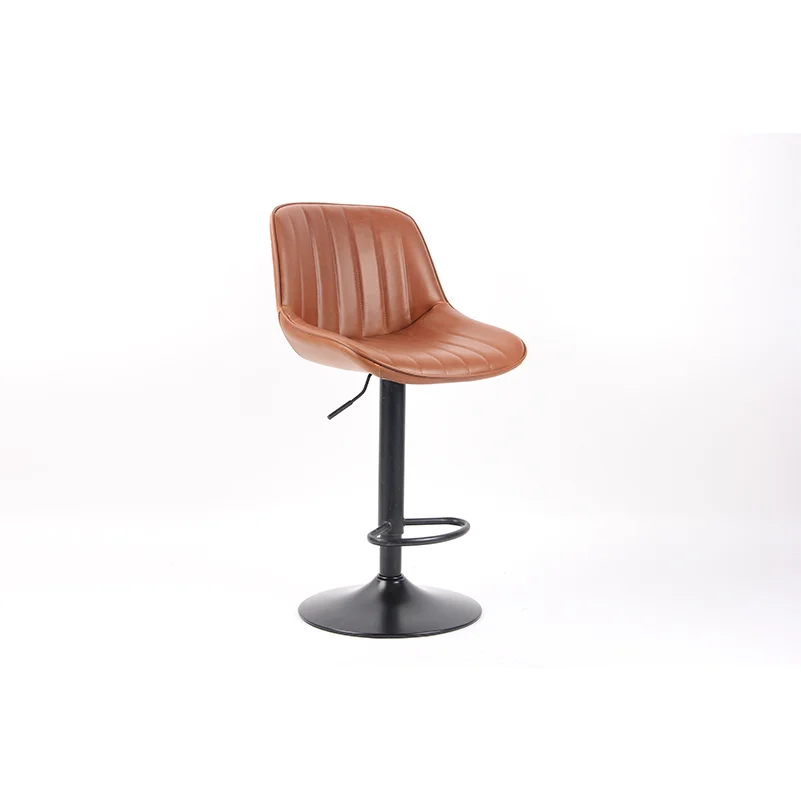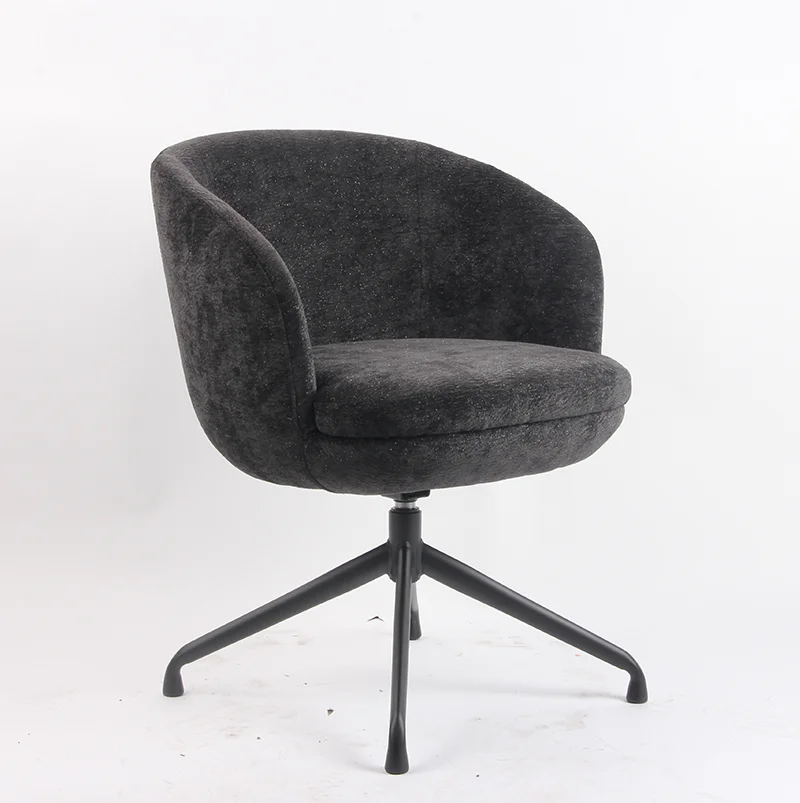
Creating a professional meeting environment starts with the right foundation. High-quality conference room chairs are not just about aesthetics; they are critical tools that influence focus, collaboration, and employee well-being. When participants are uncomfortable, their attention drifts from the agenda to their aching backs. In this guide, we will explore how to select seating that blends ergonomic support with modern design to transform your boardroom into a powerhouse of productivity. From breathable mesh to executive leather, the right choice reflects your company's brand and values.
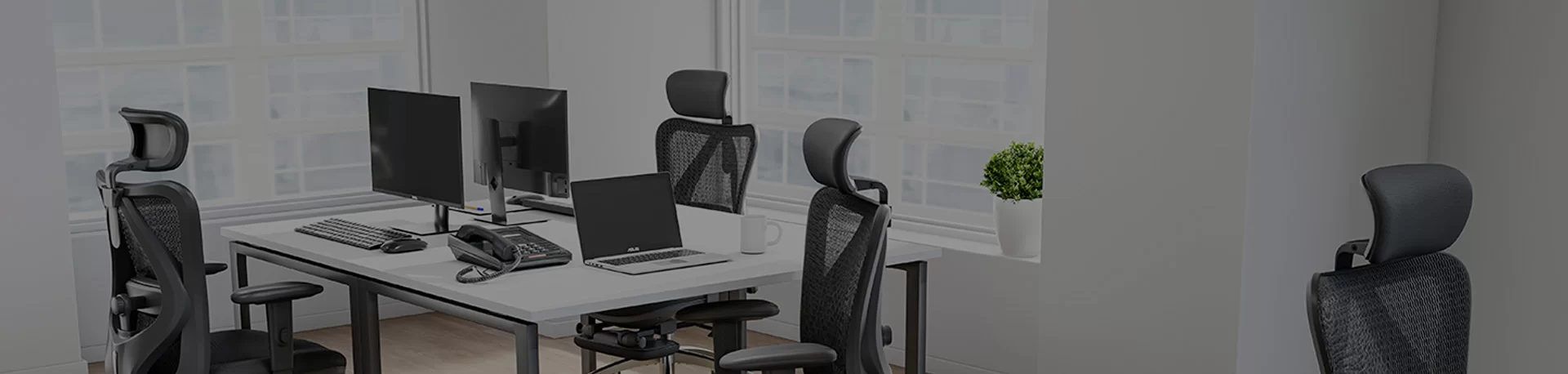
Ergonomics is the science of designing the workplace to fit the user. For conference room chairs, this means providing lumbar support that maintains the natural curve of the spine. A chair that lacks proper support leads to slouching, which reduces oxygen flow and causes premature fatigue during long strategy sessions. Look for features such as adjustable seat height, tilt tension, and waterfall seat edges that reduce pressure on the thighs. By prioritizing ergonomics, you ensure that your team remains energized and focused on the task at hand, rather than their physical discomfort.
Pro Tip: Always choose chairs with a breathable fabric or mesh back to prevent heat buildup during intense meetings, ensuring a fresh feeling for all attendees.
The material of your seating defines the "vibe" of your office. Leather evokes a sense of authority and luxury, making it ideal for executive boardrooms. Mesh, on the other hand, represents modernity and agility, perfect for creative agencies or tech startups. Fabric offers a middle ground, providing warmth and a wide array of color options to match your corporate identity. When evaluating conference room chairs, consider the frequency of use and the ease of maintenance. A high-traffic room may benefit more from durable, stain-resistant synthetic fabrics than from delicate top-grain leather.
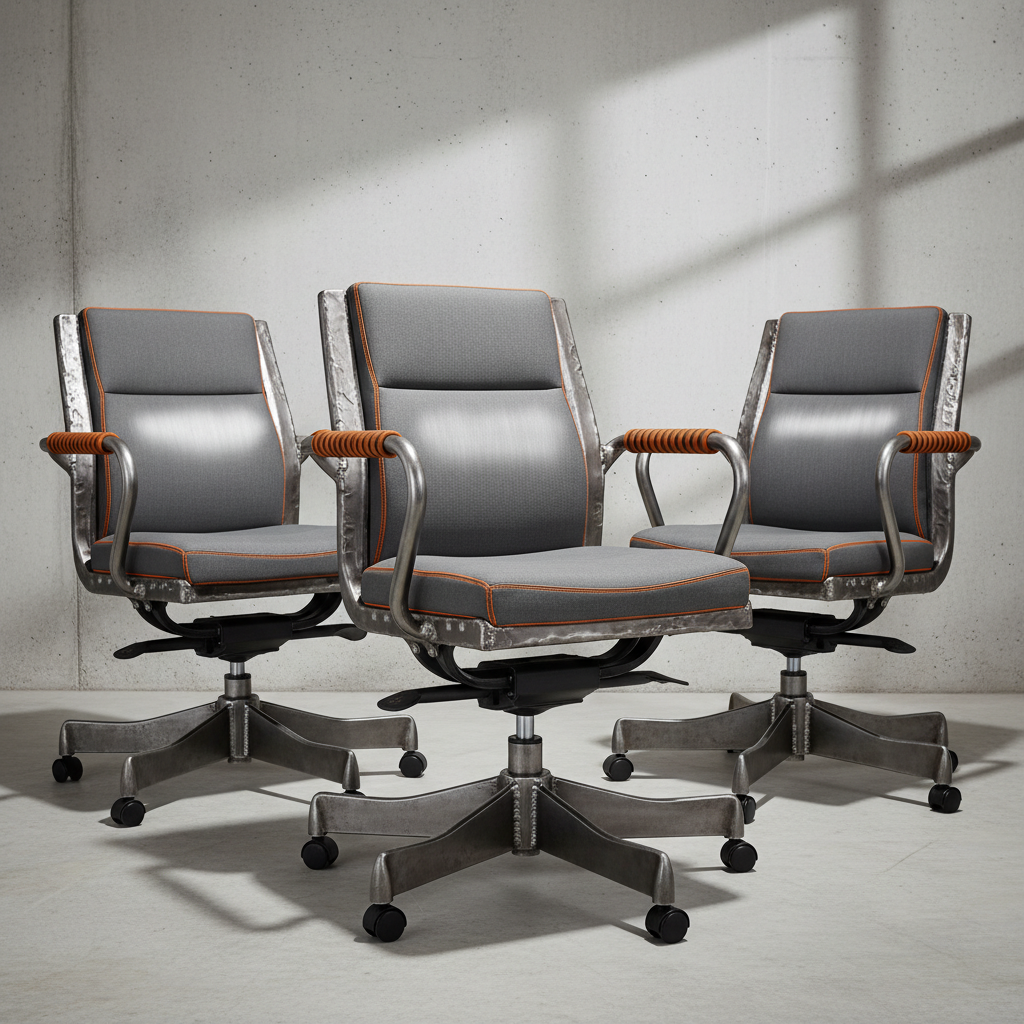
The physical layout of your room determines the type of conference room chairs you need. For small, agile "huddle" rooms, sleek armless chairs or compact swivel seats maximize space and allow for quick movement. In contrast, large formal boardrooms require imposing chairs with high backs and wheels for gliding along a massive table. Consider the "flow" of the room—can people exit their seats easily without bumping into others? Integrating a mix of stationary and mobile seating can create a dynamic environment that supports both formal presentations and casual brainstorming.
When shopping for professional-grade furniture, you must look beyond the surface. The base material, gas lift quality, and caster type all contribute to the longevity of your investment. A heavy-duty nylon or aluminum base ensures stability, while high-density molded foam prevents the seat from flattening over time. For those sourcing conference room chairs in bulk, checking the BIFMA or ISO certification is essential to guarantee safety and durability standards.
Modern businesses are increasingly focusing on sustainability. Choosing eco-friendly conference room chairs means looking for products made from recycled plastics, FSC-certified woods, or biodegradable fabrics. Not only does this reduce the environmental footprint of your office, but it also sends a powerful message to clients and employees about your corporate social responsibility. Opting for modular designs—where parts like the fabric or casters can be replaced instead of discarding the whole chair—further extends the product lifecycle and reduces landfill waste.
To ensure your seating lasts for years, a consistent maintenance schedule is key. Leather chairs require occasional conditioning to prevent cracking, while mesh chairs should be vacuumed to remove dust and debris that can wear down the fibers. Regularly check the bolts and screws of your conference room chairs to prevent wobbling and ensure stability. By investing a small amount of time in care, you avoid the high cost of premature replacement and keep your boardroom looking pristine and professional for every visitor.
Investing in premium conference room chairs is a strategic move that pays dividends in employee health and organizational efficiency. By balancing ergonomic support, high-quality materials, and aesthetic alignment with your brand, you create a space where ideas flourish and decisions are made with clarity. Whether you are furnishing a startup hub or a corporate headquarters, remember that comfort is the silent driver of productivity. Choose quality, choose ergonomics, and watch your team reach new heights of success.
To determine the ideal quantity, first measure the perimeter of your conference table. A general rule of thumb is to allow 30 to 36 inches of linear space per person to ensure they have enough elbow room to work and move. Additionally, consider the "buffer zone" around the table—there should be at least 3 to 4 feet of clearance between the edge of the table and the wall to allow people to push back their chairs and walk behind others without causing a bottleneck. For flexible spaces, adding a few extra guest chairs along the perimeter can accommodate unexpected attendees without cluttering the main table.
For meetings lasting several hours, mesh is generally superior due to its breathability. Mesh allows air to circulate, keeping the user cool and preventing the "sticky" feeling often associated with leather or vinyl in warm environments. However, leather provides a more substantial feel of luxury and can be more durable against certain types of wear. If your boardroom has a strong climate control system, leather is a great choice for a prestigious look. But for sheer physical endurance and temperature regulation, breathable mesh conference room chairs are the winner.
The most critical feature is adjustable lumbar support, which ensures the lower back is supported regardless of the user's height. Secondly, look for adjustable seat height and a tilt mechanism that allows the user to shift their weight throughout the meeting. Armrests should be at a height that allows shoulders to remain relaxed. Finally, a "waterfall" seat edge—where the front of the seat slopes downward—is essential for maintaining circulation in the legs. When these features are combined, they reduce the risk of musculoskeletal strain and keep participants mentally sharp.
Maintaining leather requires a proactive approach. First, avoid placing chairs in direct sunlight, as UV rays can fade the color and dry out the material. Use a soft, damp microfiber cloth to wipe away dust weekly. Every 6 to 12 months, apply a high-quality leather conditioner to keep the hide supple and prevent cracking. If a spill occurs, blot it immediately with a clean cloth—never rub, as this can push the liquid deeper into the pores. For heavy-use corporate environments, using a professional leather protector spray can provide an extra layer of defense against stains and oils.
If you are interested in our products, you can choose to leave your information here, and we will be in touch with you shortly.