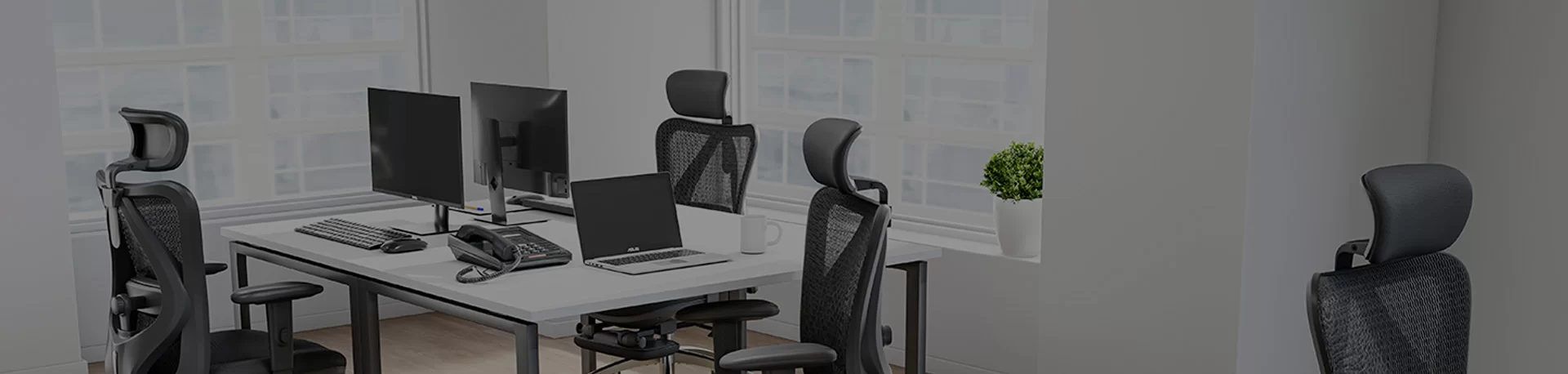
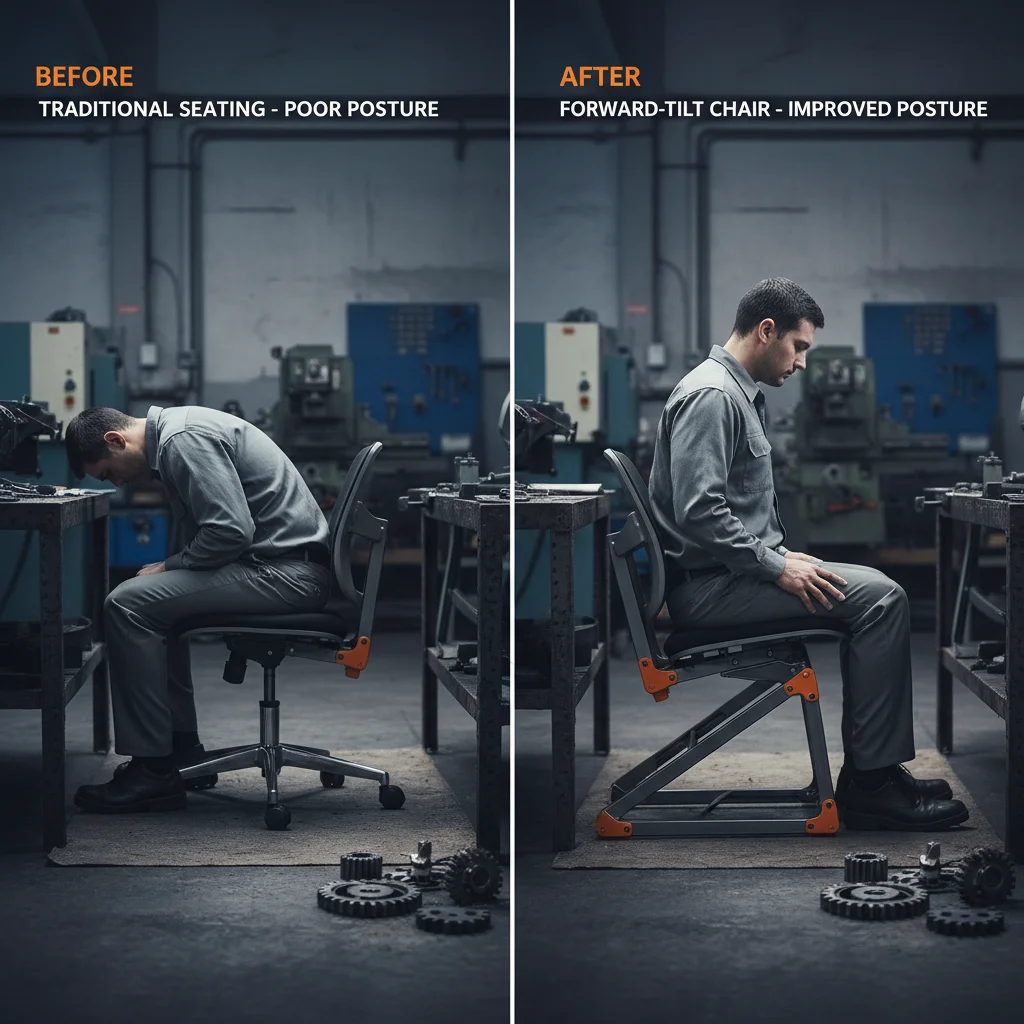
In the evolving landscape of ergonomic workspace design, the forward tilting chair has emerged as a critical tool for professionals and gamers who engage in high-intensity, focused tasks. Unlike traditional seating that encourages a reclined or static posture, a forward-tilt mechanism allows the user to lean into their work, reducing the strain on the lower back and promoting an active sitting posture. This shift in geometry is not merely a luxury but a biological necessity for those spending ten or more hours a day at a workstation.
Globally, the demand for specialized seating has surged as remote work and professional esports have normalized long-term sedentary behavior. According to ergonomic standards often cited in ISO workplace guidelines, maintaining a neutral spine is paramount to preventing musculoskeletal disorders (MSDs). The forward tilting chair addresses the "slump" phenomenon—where users naturally lean forward to see a monitor or reach a keyboard—by bringing the chair's support system with them, rather than leaving the lumbar unsupported.
Understanding the mechanics of forward tilt is essential for anyone looking to optimize their productivity and long-term health. By aligning the pelvis and opening the hip angle, these chairs facilitate better blood flow and respiratory efficiency. Whether you are integrating these into a corporate office or a high-end gaming setup, the adoption of a forward-tilt strategy represents a transition from passive sitting to proactive ergonomic management.
The Mechanical Foundation of Forward Tilting Chairs
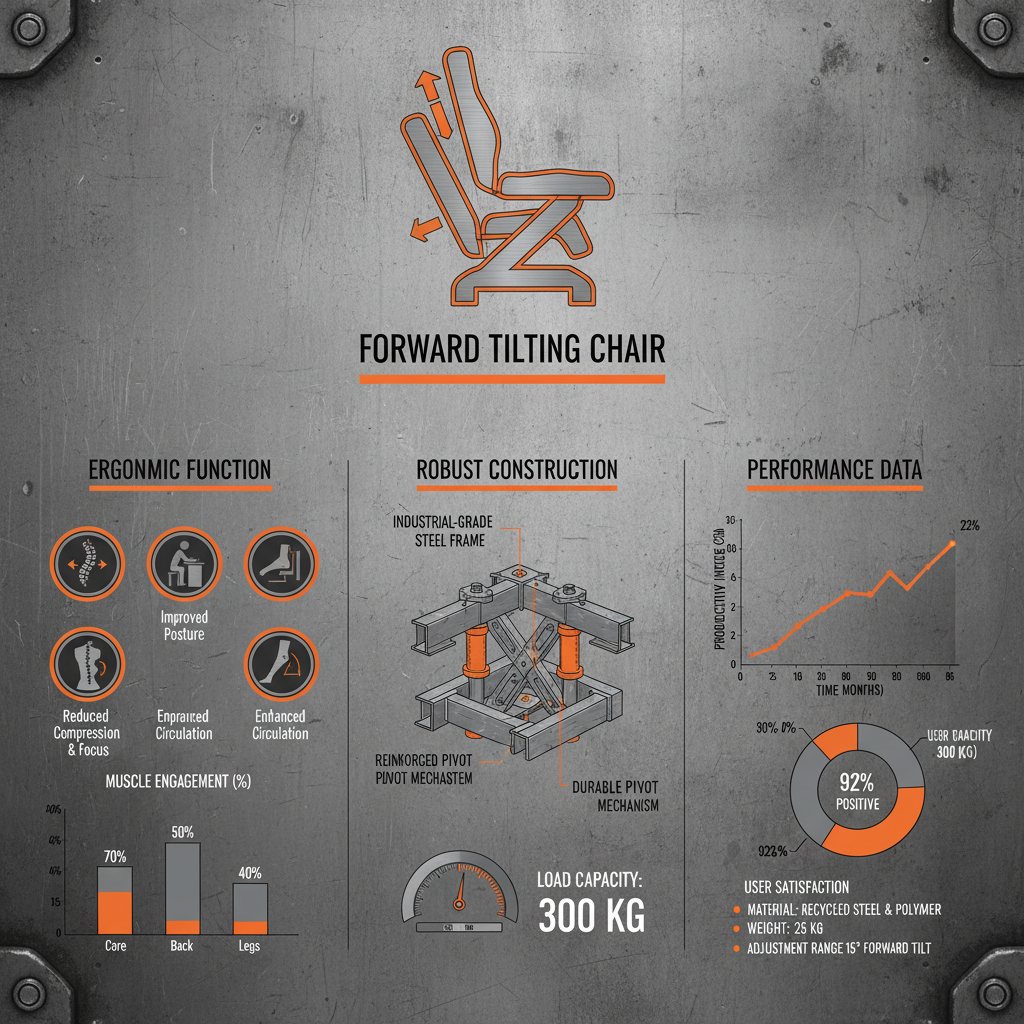
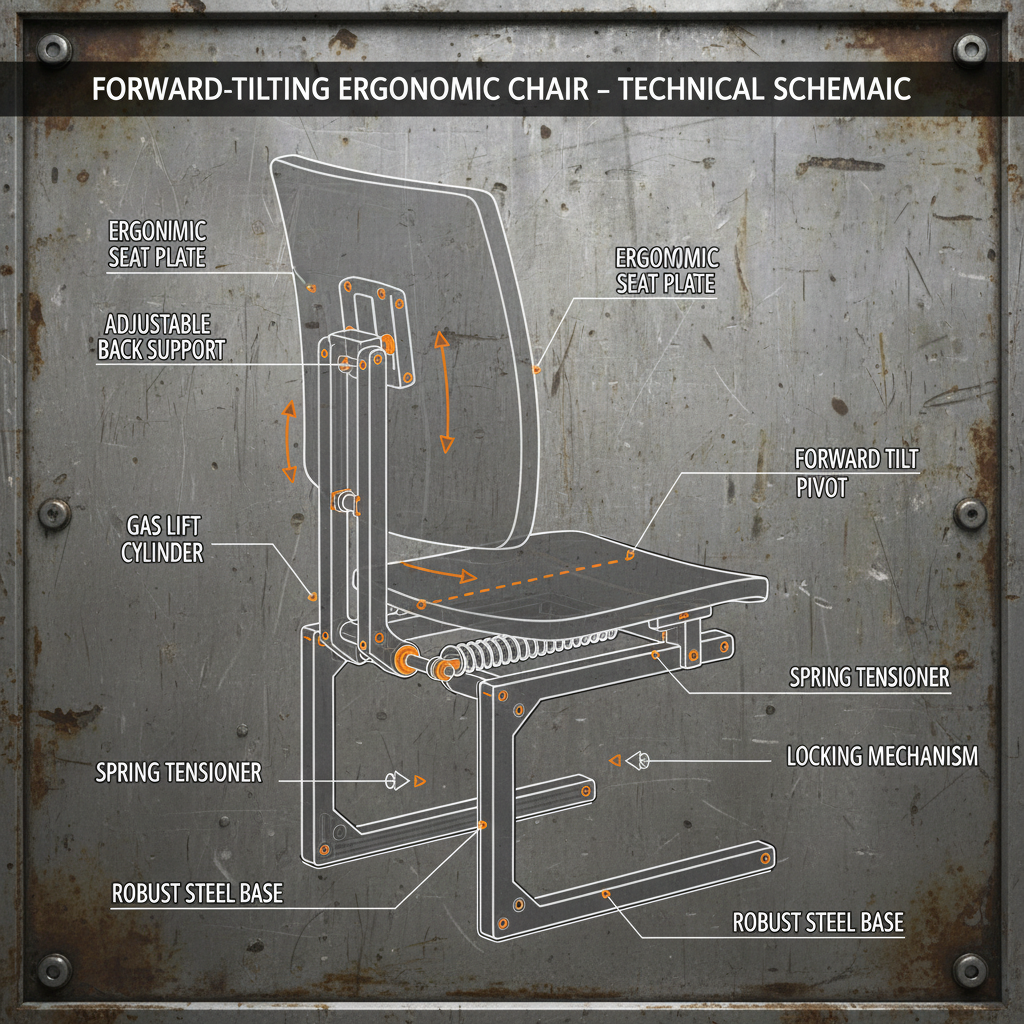
The core engineering of a forward tilting chair revolves around the pivot point of the seat pan. While standard office chairs pivot backward for relaxation, a forward-tilt mechanism allows the front of the seat to dip slightly (typically between 3 to 11 degrees). This modification shifts the center of gravity forward, mirroring the natural inclination of the human body when engaging in tasks like drafting, coding, or competitive gaming.
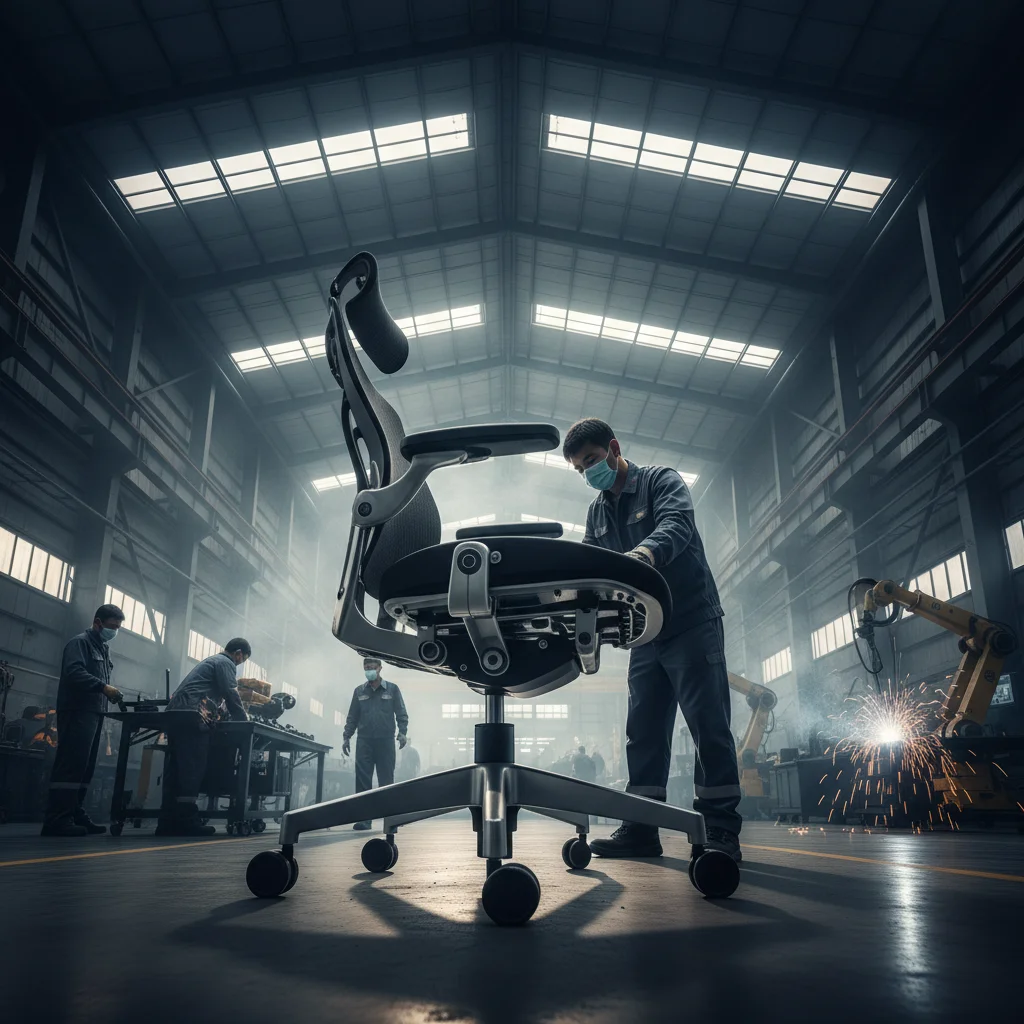
From a manufacturing perspective, this requires high-tensile steel components and precision-engineered gas lifts to ensure the chair remains stable and doesn't "slide" out from under the user. The synergy between the seat angle and the lumbar support ensures that even when leaning forward, the lower back remains in contact with the chair, preventing the dangerous gap that leads to chronic lower back pain.
Ergonomic Impact on Spinal Alignment
When a user leans forward in a traditional chair, the pelvis rotates backward, causing the lumbar spine to flatten or even reverse its natural curve. This puts immense pressure on the intervertebral discs. A forward tilting chair counteracts this by allowing the pelvis to tilt forward, maintaining the natural lordotic curve of the spine.
This alignment is crucial for reducing the load on the L4 and L5 vertebrae, which are the most common sites of injury in sedentary workers. By supporting the thighs and hips in a forward-leaning position, the chair distributes weight more evenly across the seat pan, preventing the "edge-of-the-seat" sitting habit that restricts circulation in the lower legs.
Furthermore, the psychological impact of this posture is noteworthy. An open hip angle is often associated with higher alertness and cognitive engagement. By reducing physical discomfort, the user can maintain a "flow state" for longer periods, making the forward tilt a productivity tool as much as a health tool.
Core Components of High-Performance Tilt Systems
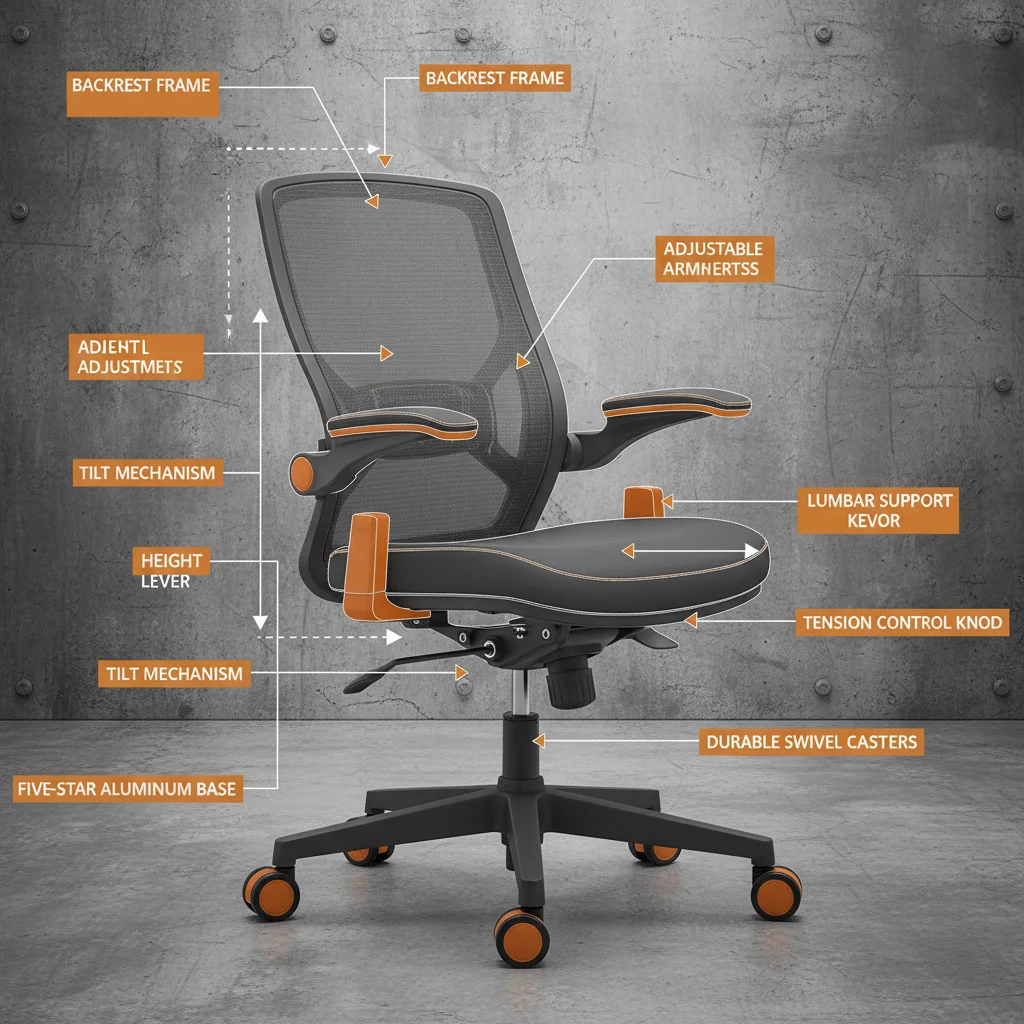
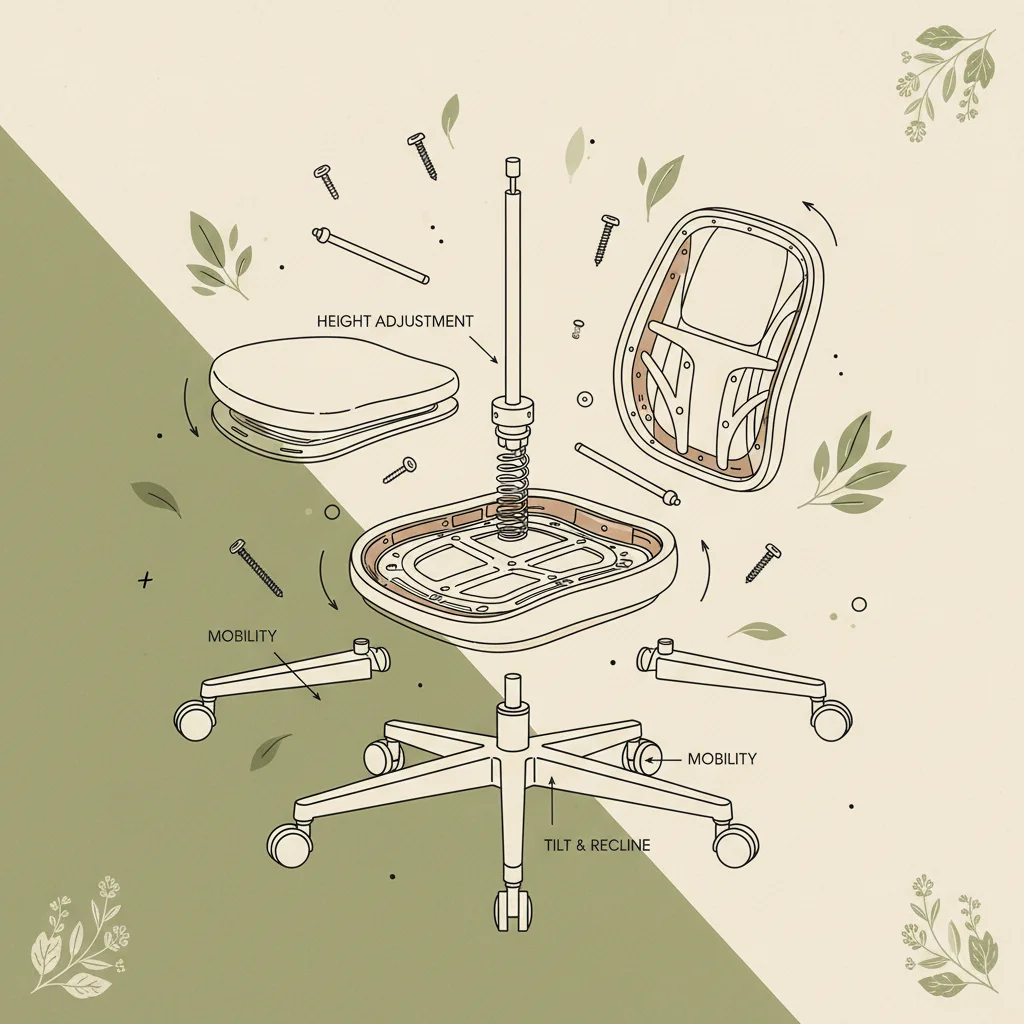
The efficacy of a forward tilting chair depends heavily on the quality of its tension control system. High-end models utilize a synchronized tilt mechanism that coordinates the movement of the backrest and the seat, ensuring the user's eye level remains constant relative to the screen even as the torso angles forward.
Crucial to this is the seat-pan depth adjustment and the high-density foam composition. Because a forward tilt increases the pressure on the front edge of the seat, manufacturers use specialized pressure-relieving foams to prevent "pressure points" on the underside of the thighs, which could otherwise impede blood flow to the lower extremities.
Finally, the stability of the base is non-negotiable. A reinforced aluminum alloy five-star base provides the necessary counter-balance to the forward shift in weight, ensuring that the forward tilting chair remains firmly planted on the floor regardless of the user's lean angle or intensity of movement.
Comparative Efficiency in Professional Workflows
In high-precision environments, such as medical imaging, architectural drafting, or professional gaming, the ability to shift posture dynamically is a competitive advantage. Users of a forward tilting chair report a significant decrease in "fidgeting"—the constant shifting of weight that occurs when a chair does not support the body's natural movement.
By integrating a forward-tilt option, companies can reduce the incidence of workplace fatigue. When the body is physically supported in its active state, the metabolic cost of maintaining that posture is lowered, leaving more mental energy for the task at hand.
Performance Impact of Forward Tilting Chair Configurations
Global Applications Across Specialized Industries
The adoption of the forward tilting chair is most visible in industries requiring "deep work." In North American and European tech hubs, software engineering firms are increasingly replacing standard task chairs with forward-tilt models to support the intense concentration required for complex coding sessions.
Beyond the office, these chairs are becoming standard in specialized industrial zones, such as control rooms for energy plants or air traffic control centers. In these high-stakes environments, where operators must remain vigilant and physically active while monitoring screens, the forward-tilt mechanism helps prevent the lethargy associated with traditional reclining seats.
Long-Term Health Value and Sustainability
Investing in a forward tilting chair is an investment in long-term musculoskeletal health. By reducing the cumulative strain on the lumbar region, users can avoid the chronic degeneration of spinal discs that often plagues long-term desk workers. This preventive approach to health reduces reliance on medical interventions and improves overall quality of life.
From a sustainability perspective, high-quality metal furniture construction ensures that these chairs have a lifespan of a decade or more. By using recyclable aluminum and high-grade steel, manufacturers are reducing the environmental impact compared to cheap, plastic-heavy alternatives that end up in landfills every two years.
The emotional value of such a tool cannot be overlooked. There is a profound sense of dignity and professional support when a workspace is designed around the human body's needs. This fosters a culture of care and innovation, where employees feel their physical well-being is a priority for the organization.
Future Innovations in Adaptive Seating Technology
The next generation of the forward tilting chair will likely integrate smart sensors and AI-driven adjustments. Imagine a chair that detects when you are leaning forward to focus and automatically adjusts the tilt angle and lumbar tension in real-time to provide optimal support without the need for manual levers.
We are also seeing a shift toward bio-based materials. The integration of carbon-fiber frames and breathable, ocean-recycled polymers will make these chairs lighter and more environmentally friendly while maintaining the structural rigidity required for a stable forward tilt.
As digital transformation continues to blur the line between gaming and professional work, we expect to see "hybrid" models that combine the aggressive support of a gaming chair with the refined aesthetics of an executive office chair, all centered around a perfected forward-tilt mechanism.
Analysis of Forward Tilting Chair Performance across User Profiles
| User Profile |
Primary Use Case |
Lumbar Support Gain |
Focus Endurance Score |
| Professional Gamer |
Competitive Matches |
Very High |
9.5/10 |
| Software Developer |
Deep Coding/Debugging |
High |
9.0/10 |
| Graphic Designer |
Detailed Tablet Work |
Medium-High |
8.5/10 |
| Financial Analyst |
Multi-monitor Review |
Medium |
8.0/10 |
| Medical Radiologist |
Image Analysis |
Very High |
9.2/10 |
| Student/Researcher |
Extended Reading/Writing |
High |
8.8/10 |
FAQS
A standard ergonomic chair primarily focuses on reclining and upright support. A forward tilting chair includes a mechanism that allows the seat pan to angle downward toward the front. This is specifically designed for "active sitting," supporting the body when the user naturally leans forward to focus on a task, which prevents the lower back from losing support during intense work.
No, professional-grade forward tilting chairs are engineered with specific tilt angles (usually under 11 degrees) and high-friction seat materials. When combined with a proper lumbar support system and adjustable armrests, the chair creates a "pocket" that keeps the user secure while providing the benefit of the forward angle.
For many, yes, because it maintains the natural lumbar curve. However, we always recommend consulting a physician or physical therapist. For those who suffer from "slumping" pain, the forward tilt can be a game-changer by providing the necessary support that traditional chairs lack when the user leans in.
Absolutely. The best models are designed for versatility. You can use the forward tilt for high-intensity tasks (like gaming or focused writing) and then switch back to a neutral or reclined position for meetings, reading, or relaxation, making it a comprehensive solution for a hybrid workspace.
If you find yourself constantly sitting on the edge of your chair, or if you feel a gap between your lower back and the backrest when you are focusing on your screen, you are a prime candidate for a forward tilting chair. It solves the problem of the chair "fighting" your natural movement.
Maintenance is minimal but important. Periodically check the tension knobs to ensure they are tightened to your preference and inspect the bolts under the seat pan. Using a high-quality chair made from metal components ensures the mechanism won't wear out quickly under daily use.
Conclusion
The forward tilting chair represents a fundamental shift in how we approach ergonomics, moving from static support to dynamic alignment. By addressing the biological reality of the "forward lean," these chairs protect the lumbar spine, enhance cognitive focus, and reduce the long-term risk of musculoskeletal disorders. From the precision of the tilt mechanism to the durability of the metal construction, every element is designed to support the human body in its most productive state.
As we move toward a future of hybrid work and high-performance digital environments, the integration of active seating will become a standard for health and efficiency. We encourage professionals, gamers, and organization leaders to prioritize seating that adapts to the user, rather than forcing the user to adapt to the furniture. To experience the pinnacle of ergonomic innovation, visit our website: www.cdgamingfurniture.com.