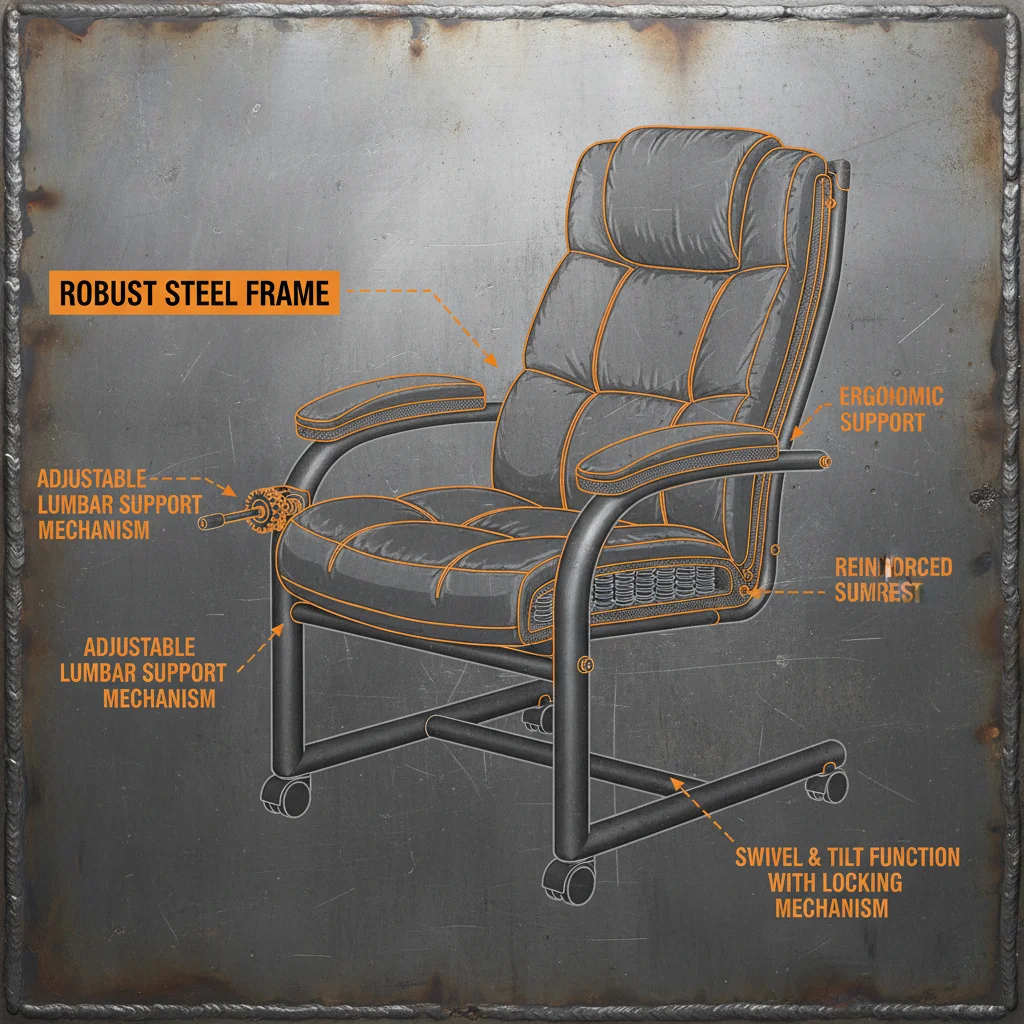
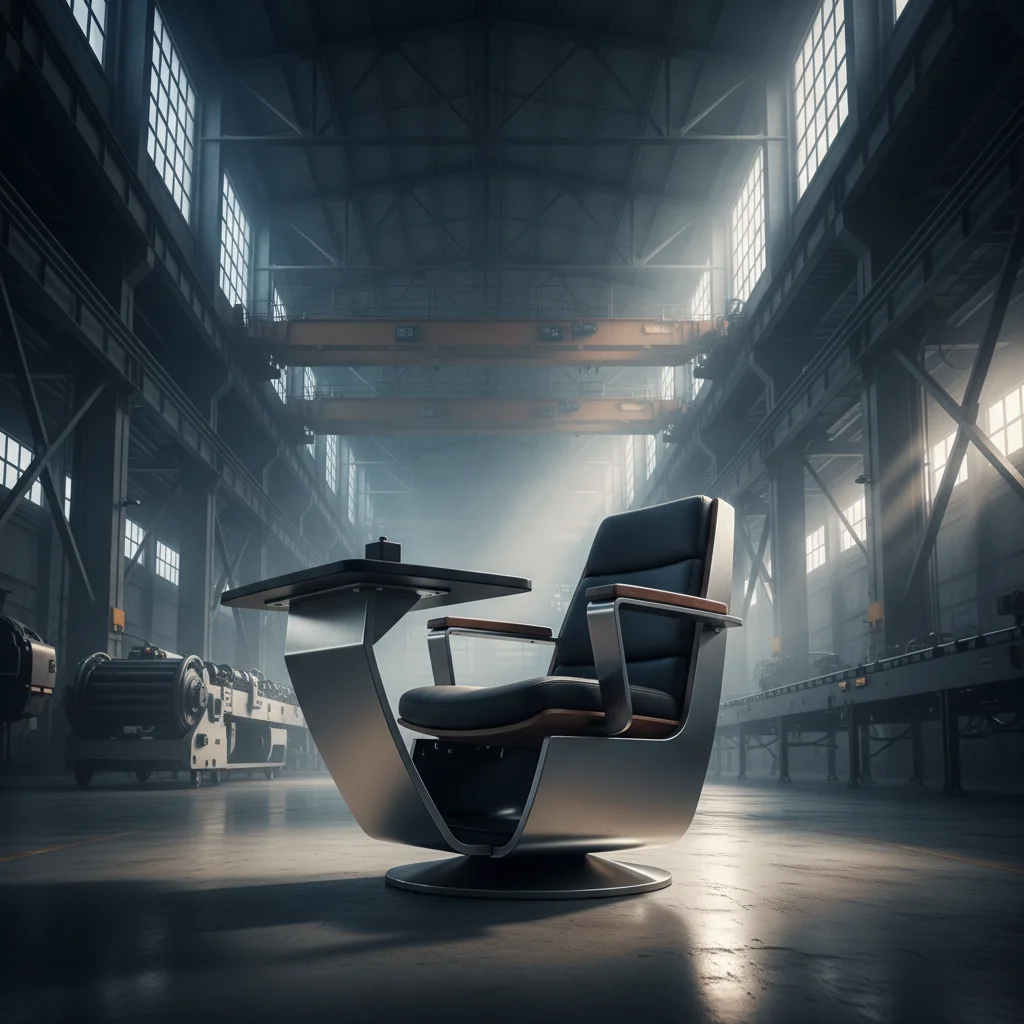
Integrating a forward seat tilt office chair into a modern workspace is no longer just a luxury; it is a strategic move toward long-term musculoskeletal health. Traditional seating often forces the pelvis into a posterior tilt, which flattens the lumbar curve and increases pressure on the spinal discs during intense focused work. By allowing the user to angle the seat pan forward, these chairs encourage a "neutral" pelvic position, reducing the tendency to slouch and significantly lowering the risk of chronic lower back pain.
Globally, the shift toward hybrid work and high-intensity digital roles has led to a surge in sedentary-related injuries. Ergonomic standards, such as those suggested by ISO, emphasize the importance of dynamic seating that supports various postures throughout the day. A forward seat tilt mechanism allows the user to transition from a relaxed reclining state to an active, task-oriented posture, mirroring the natural movements of the human body and improving circulation in the lower extremities.
Understanding the mechanics of a forward seat tilt office chair enables businesses and individuals to optimize productivity and wellness. Whether it is for a developer leaning into a screen or an artist working on a drafting table, the ability to adjust the seat angle transforms the chair from a static piece of furniture into a tool for performance. This comprehensive guide explores the technical specifications, global applications, and long-term value of adopting forward-tilt technology in professional environments.
The Ergonomic Mechanism of Forward Seat Tilt
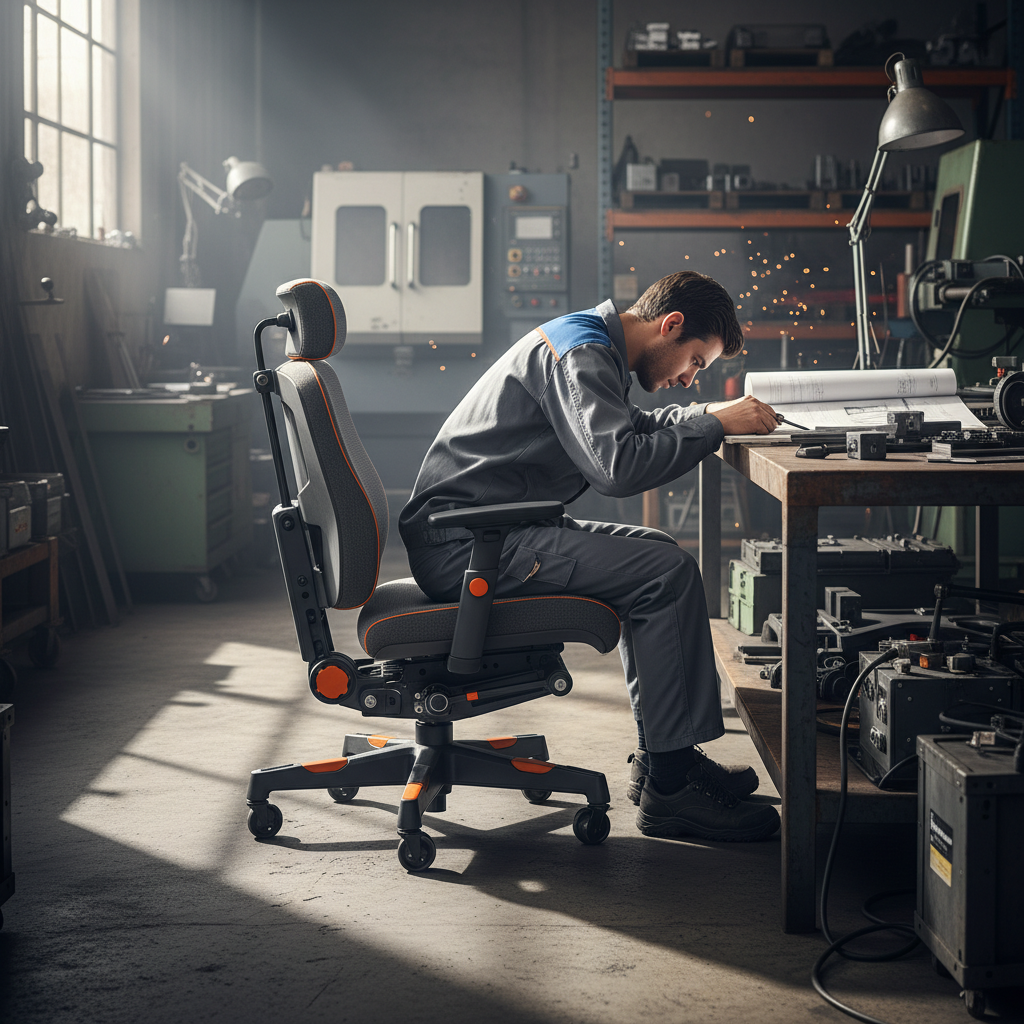
The primary function of a forward seat tilt office chair is to maintain the natural S-curve of the spine while the user leans forward. In a standard chair, leaning forward often leads to "slumping," where the hips rotate backward and the lower back rounds. The forward tilt mechanism solves this by angling the seat pan downward (usually between 3 to 5 degrees), which opens the hip angle and encourages the pelvis to rotate forward, preserving the lumbar lordosis.
This specific mechanical adjustment reduces the pressure on the intervertebral discs and prevents the compression of the abdominal cavity. By aligning the skeletal structure more naturally, the user experiences less muscle fatigue in the core and lower back, allowing for extended periods of concentration without the typical "mid-day ache" associated with traditional office furniture.
Global Demand and Industry Context
In the contemporary global labor market, the prevalence of sedentary work has reached an all-time high. Data from health organizations suggests that prolonged sitting without postural variation contributes significantly to musculoskeletal disorders (MSDs). As companies worldwide transition toward "Wellness-at-Work" certifications, the demand for advanced ergonomic tools like the forward seat tilt office chair has surged, particularly in North American and European corporate hubs.
The challenge lies in the "static load" placed on the body. When a professional spends 8-10 hours in a fixed position, blood flow to the lower limbs decreases and spinal stiffness increases. The industry has responded by moving away from static chairs toward dynamic seating solutions. This evolution is not merely about comfort but about mitigating the long-term healthcare costs associated with chronic back pain and repetitive strain injuries.
Furthermore, the rise of specialized workstations—such as those used by software engineers, traders, and medical professionals—requires seating that can adapt to high-intensity "lean-in" tasks. The integration of forward tilt capabilities allows these users to maintain an active posture, blending the benefits of standing desks with the support of a premium chair, thereby creating a more sustainable work ecosystem.
Core Components for Maximum Support
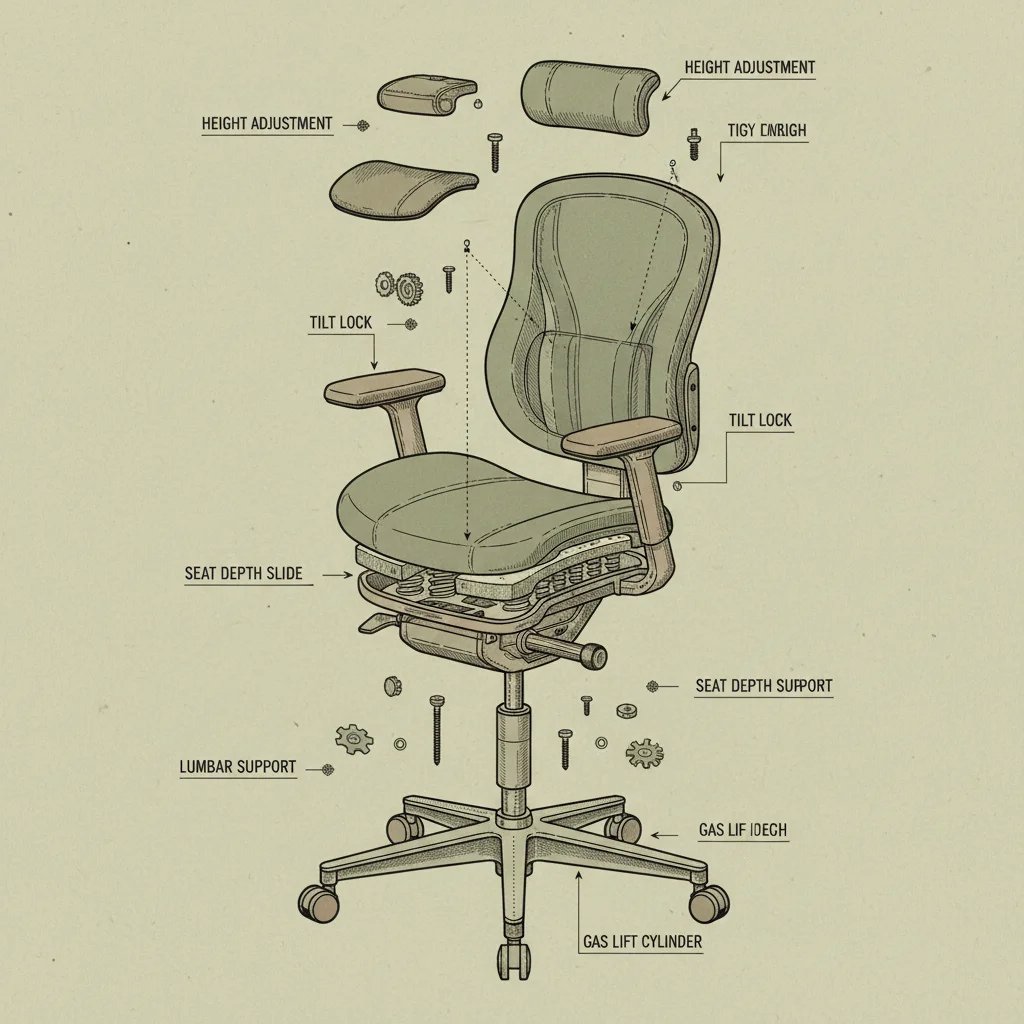
To achieve the desired ergonomic outcome, a forward seat tilt office chair must rely on high-precision engineering. The most critical component is the tilt tension mechanism, which ensures that the transition from a neutral to a forward position is smooth and stable, preventing the user from feeling as though they are sliding out of the seat.
Equally important is the waterfall seat edge design. Because the seat pan is tilted forward, there is an increased risk of pressure on the underside of the thighs. A curved, sloping front edge ensures that circulation to the lower legs remains unobstructed, which is essential for preventing numbness and fatigue during long sessions in a forward seat tilt office chair.
Finally, the synergy between the forward tilt and adjustable lumbar support is what defines a professional-grade chair. As the seat angles forward, the lumbar support must remain closely aligned with the lower back to provide constant stabilization. This combination of pelvic rotation and spinal bracing is what separates high-end metal-frame ergonomic chairs from basic office seating.
Performance Metrics and User Efficiency
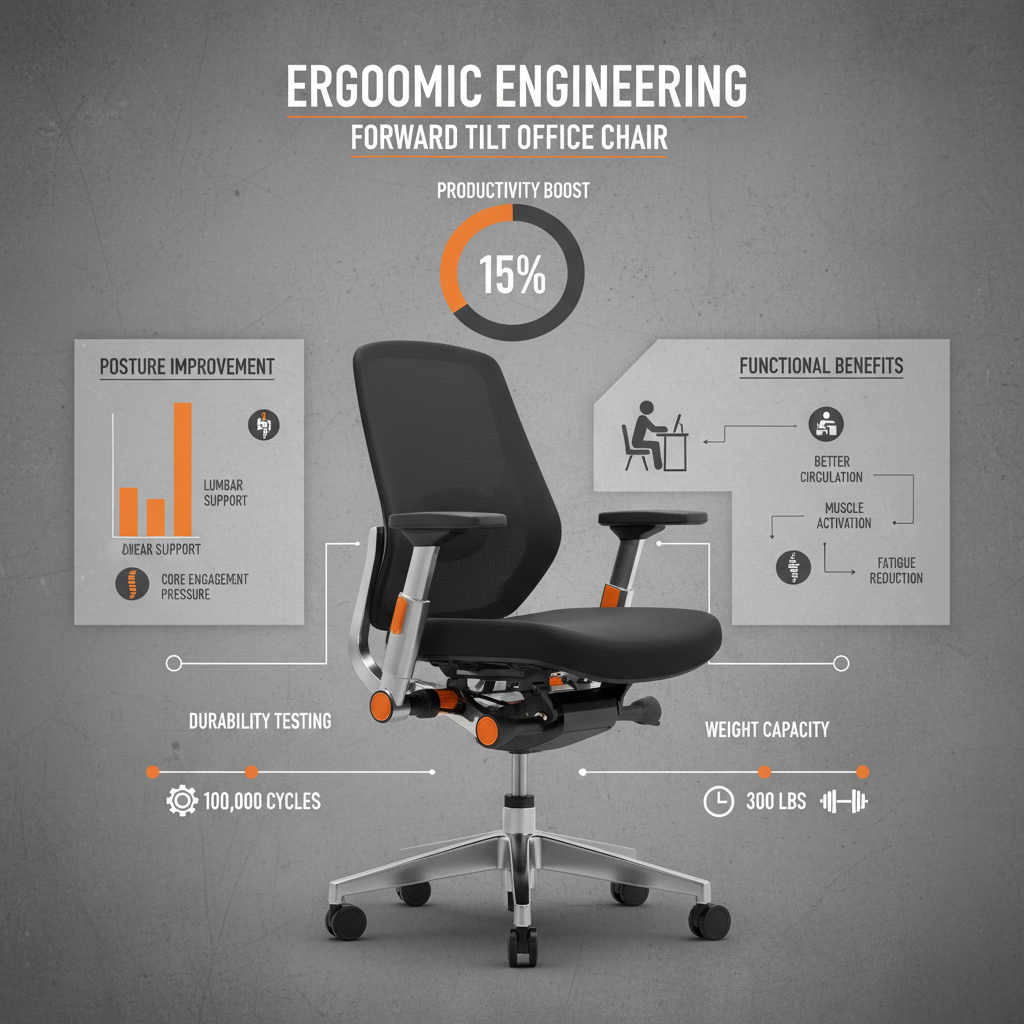
Measuring the efficacy of a forward seat tilt office chair involves analyzing the reduction in muscle activation in the erector spinae and the improvement in oxygenation to the lower limbs. When users shift to a forward tilt, there is a noticeable decrease in the "slump factor," leading to higher cognitive alertness and reduced physical restlessness.
From a productivity standpoint, the ability to quickly switch between a focused "active" mode and a relaxed "contemplative" mode reduces the need for frequent standing breaks, allowing for deeper "flow states" in complex tasks. This is particularly evident in high-precision industries where maintaining a specific visual angle to a monitor or workspace is critical.
Ergonomic Performance Rating by Chair Mechanism
Real-World Applications Across Industries
The application of the forward seat tilt office chair extends far beyond the standard cubicle. In medical diagnostic centers, radiologists often lean forward to analyze high-resolution scans; a forward-tilt chair allows them to do this without sacrificing lumbar support. Similarly, in the gaming industry, professional esports athletes utilize these chairs to maintain a "ready" posture, reducing the latency between their physical reaction and the on-screen action.
In industrial design studios and architectural firms, where professionals frequently switch between digital CAD work and physical drafting tables, the forward seat tilt is indispensable. It provides the necessary angle for precision sketching while ensuring the user doesn't develop the chronic shoulder tension typically associated with leaning over a desk. This versatility makes it a cornerstone of high-performance professional environments.
Long-term Health and Economic Value
Investing in a forward seat tilt office chair offers a tangible return on investment (ROI) through reduced absenteeism. Lower back pain is one of the leading causes of sick leave worldwide. By implementing seating that actively prevents the root causes of spinal compression, corporations can significantly decrease healthcare claims and improve overall employee morale.
Beyond the financial metrics, there is an emotional value to ergonomic safety. When an employee feels supported and physically comfortable, their stress levels decrease, and their confidence in the organization's commitment to their well-being increases. This creates a culture of trust and innovation, as workers are not distracted by physical discomfort.
From a sustainability perspective, high-quality metal-frame chairs with forward tilt mechanisms are built for longevity. Unlike cheap plastic alternatives, these industrial-grade components are durable and often repairable, reducing the furniture waste that ends up in landfills. The intersection of human health and environmental sustainability makes these chairs a logical choice for the modern green office.
Future Innovations in Dynamic Seating
The future of the forward seat tilt office chair lies in the integration of smart sensors and adaptive automation. We are seeing the emergence of "intelligent" seat pans that can detect when a user is leaning forward and automatically adjust the tilt angle and lumbar tension in real-time. This digital transformation will remove the need for manual levers, creating a seamless transition between postures.
Material science is also playing a pivotal role. The use of carbon-fiber reinforced polymers and 3D-knitted breathable fabrics is reducing the weight of the chairs while increasing the structural integrity of the tilt mechanism. These innovations ensure that the chair can withstand the stresses of constant angular shifting without losing its calibration over time.
As we move toward more flexible work environments, we expect to see "modular" forward-tilt systems that can be easily integrated into various seating styles, from gaming chairs to executive lounge seating. The goal is to democratize ergonomic health, ensuring that every professional, regardless of their role, has access to the benefits of dynamic pelvic support.
Comparative Analysis of Forward Seat Tilt Implementation
| Chair Category |
Tilt Range (Degrees) |
Lumbar Synergy |
Recommended Use Case |
| Entry-Level Mesh |
2° - 3° |
Moderate |
Light Office Work |
| Professional Gaming |
3° - 5° |
High |
Competitive Gaming |
| Executive Leather |
3° - 4° |
Moderate |
Management/Consulting |
| Industrial Ergonomic |
5° - 7° |
Very High |
Drafting/Laboratory |
| Adaptive Hybrid |
2° - 6° |
High |
Multi-tasking Roles |
| Medical Specialized |
4° - 8° |
Extreme |
Radiology/Surgery Planning |
FAQS
A regular tilt allows you to recline backward for relaxation. In contrast, a forward seat tilt allows the seat pan to angle downward towards the floor. This specifically targets the pelvic angle, encouraging a forward rotation of the hips which maintains the natural curve of your lower back while you lean into your work, unlike a standard chair where leaning forward causes you to slouch.
No, when designed correctly, the angle is subtle (usually between 3 and 7 degrees) and is complemented by high-friction seat materials and a supportive backrest. The mechanism is designed to stabilize your center of gravity, not to push you out. Premium models use a combination of tension control and contoured cushions to keep you securely positioned.
Yes, it is often highly recommended for those with lumbar issues because it reduces the pressure on the spinal discs. By preventing the "C-shape" slump, it alleviates strain on the lower vertebrae. However, we always suggest consulting a physical therapist to ensure the specific tilt angle aligns with your personal recovery needs.
Standing desks are great for movement, but standing for 8 hours also creates fatigue. A forward tilt chair is the middle ground. If your work requires intense focus and a specific visual distance from your screen (like coding or detailed drawing), a forward tilt chair provides the stability and support that standing cannot offer, while still maintaining an "active" posture.
Absolutely. Many professional gamers prefer a forward tilt as it brings them closer to the monitor and improves their reaction time by engaging the core muscles. It prevents the "gamer lean" that often leads to shoulder and neck pain during long tournament sessions.
A metal frame is essential for the stability of the tilt mechanism. For the surface, breathable mesh is excellent for temperature regulation, while high-density molded foam provides the necessary contouring to prevent sliding and ensure the weight is distributed evenly across the thighs.
Conclusion
The adoption of a forward seat tilt office chair represents a fundamental shift in how we perceive workplace wellness. By aligning furniture design with human anatomy, we can mitigate the risks of sedentary work and enhance the cognitive performance of professionals across various sectors. From the precision of the tilt mechanism to the strategic use of waterfall edges and lumbar support, every detail serves the goal of sustainable productivity.
As we look toward the future, the integration of smart materials and adaptive ergonomics will further refine the user experience. We encourage businesses and individuals to move beyond static seating and invest in dynamic solutions that support the body's natural need for movement. To explore our range of high-performance ergonomic solutions, visit our website: www.cdgamingfurniture.com