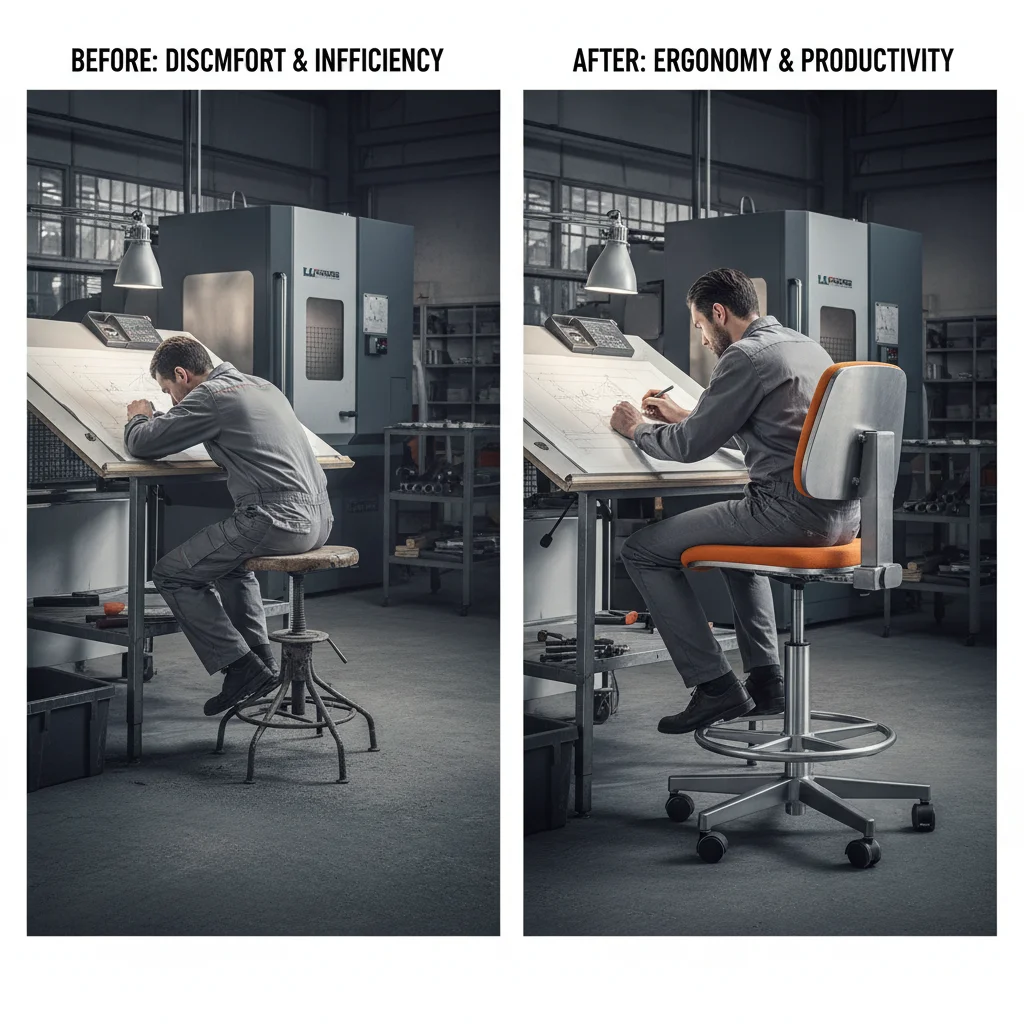
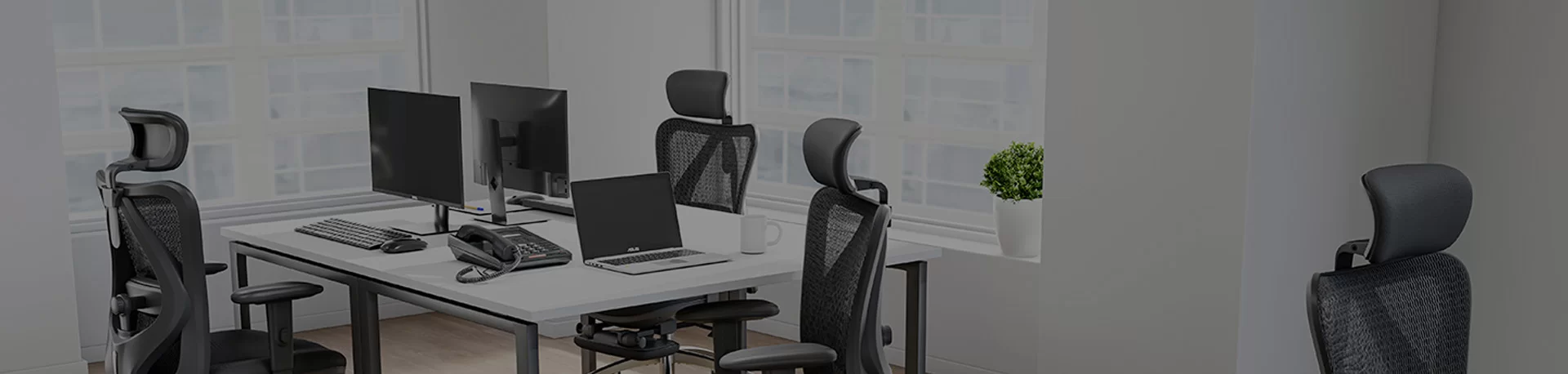
Selecting a seating solution often involves a difficult compromise between sculptural beauty and physical support. For many, the search to buy adjustable chair options usually leads to sterile office equipment that lacks character or decorative pieces that offer no ergonomic relief.
The modern interior landscape is shifting toward "hybrid functionality," where furniture must serve as a visual anchor for a room while simultaneously adhering to the physiological needs of the human spine. This evolution is particularly evident in the rise of high-end decorative accent chairs that incorporate industrial-grade stability with residential softness.
By examining the intersection of metal furniture manufacturing and ergonomic design, we can identify the critical markers of a chair that provides lasting value. This analysis explores how structural integrity and material selection dictate the long-term comfort and aesthetic viability of modern seating.


Historically, furniture was categorized strictly: "office" meant utility and "living room" meant style. However, the contemporary demand for versatile spaces has blurred these lines. A decorative chair is no longer just a visual ornament; it is now expected to function as a high-comfort hub for reading, lounging, or professional guest reception.
This shift requires a specialized approach to manufacturing. By leveraging heavy-duty metal frames, designers can create sleek, minimalist silhouettes that do not sacrifice the weight-bearing capacity required for daily, intensive use. The result is a piece of furniture that serves as a statement of style while providing a stable, reliable seating experience.
The foundation of any premium chair lies in its frame material. In professional metal furniture manufacturing, the use of cold-rolled steel or high-grade aluminum alloys is standard for ensuring structural integrity. These materials are typically treated with advanced powder coating or electroplating processes, which create a protective barrier against moisture and oxidation, effectively eliminating the risk of rust.
Beyond the raw material, the precision of the fabrication process determines the chair's stability. Utilizing advanced metal fabrication techniques allows for tighter tolerances and stronger joints, reducing the "sway" often found in budget furniture. This rigidity is essential for supporting the ergonomic padding and ensuring that the chair maintains its shape over years of use.
The choice of upholstery further complements the structural core. Whether using high-quality fabric for breathability or premium leather for a luxurious tactile experience, the attachment methods must be secure. Wear-resistant upholstery ensures that the aesthetic appeal remains intact even in high-traffic residential or commercial environments.
Ergonomics in a decorative context is about managing pressure distribution. Unlike a task chair that focuses on active posture, a luxury accent chair focuses on "supported relaxation." This involves designing contoured backrests and padded seats that align with the natural curve of the human spine.
True ergonomic success in residential seating is achieved when the furniture reduces muscle strain and improves circulation during extended periods of sitting, transforming a decorative piece into a wellness tool.
When users buy adjustable chair solutions or fixed luxury pieces, they are essentially investing in spinal health. The integration of high-density foam and adaptive support systems ensures that the lower back and legs are not subjected to excessive pressure, which is critical for those using the chair as a primary reading or lounging spot.
The investment value of a chair is best measured by its lifespan relative to its maintenance cost. Standard furniture often utilizes lower-grade materials that degrade within 2 to 3 years, leading to sagging cushions or unstable frames. In contrast, industrial-grade metal furniture is designed for a lifecycle exceeding a decade.
Evaluating these factors through a qualitative index reveals that the synergy of premium materials and precision manufacturing significantly lowers the total cost of ownership. While the initial acquisition cost may be higher, the reduction in replacement frequency and maintenance effort provides a superior long-term return.
The versatility of a premium decorative chair allows it to transition across multiple environments. In a residential living room, it functions as an accent piece that breaks the monotony of a sofa set. In a professional lounge or commercial waiting area, the same chair provides a level of comfort that signals quality and care to guests, while the metal frame ensures it can withstand the rigors of public use.
For homeowners creating a dedicated reading nook or a serene bedroom retreat, the priority shifts toward the tactile experience. The choice between fabric and leather becomes paramount here; fabric offers a cozy, breathable feel ideal for long hours of relaxation, while leather provides a sophisticated visual look and easier cleaning for high-activity zones.
The industry is moving toward "intelligent ergonomics," where the furniture adapts more intuitively to the user's weight and posture. We are seeing a trend where the rigidity of metal is being combined with adaptive memory foams and sustainable, bio-based upholstery materials.
Another significant shift is the demand for customization in commercial projects. Professional interior designers are increasingly seeking OEM/ODM solutions that allow for specific color palettes and material combinations to align with brand identities without sacrificing the structural standards of industrial manufacturing.
Ultimately, the future of seating lies in the balance of sustainability and durability. By utilizing recyclable metals and long-lasting fabrics, manufacturers are reducing the environmental impact of the "fast furniture" cycle, encouraging consumers to invest in pieces that last for decades rather than years.
When evaluating whether to invest in a premium decorative chair, buyers should move beyond surface aesthetics. The decision should be based on a matrix of structural longevity, ergonomic alignment, and maintenance requirements.
A common error is prioritizing a "modern look" over frame stability. A chair with a visually appealing silhouette but a weak internal frame will inevitably lead to postural discomfort and premature structural failure.
The following framework provides a relative comparison between generic market options and professional-grade manufactured seating, helping buyers make an informed decision based on their specific use case.
| Evaluation Factor | Standard Furniture | Premium Industrial Grade | Buyer Impact |
|---|---|---|---|
| Frame Lifespan | 2-3 Years | 5-10+ Years | Replacement Frequency |
| Support System | Basic / Rigid | Advanced Padded Contours | Spinal Health |
| Material Grade | Commercial Standard | Industrial Grade Metal | Structural Stability |
| Design Value | Generic / Trend-based | High-End Statement | Interior Aesthetics |
| Maintenance | Moderate Effort | Low (Wear-Resistant) | Time & Cost Savings |
| Customization | Limited / None | Full OEM/ODM Support | Project Integration |
High-quality metal furniture primarily utilizes cold-rolled steel or specialized aluminum alloys. These materials are selected for their high strength-to-weight ratio and durability. To prevent corrosion, the frames undergo professional powder coating or electroplating, which ensures a rust-resistant finish and extends the product's lifespan even in humid environments.
Maintenance depends on the material. For fabric upholstery, regular vacuuming with a soft brush attachment is recommended to remove dust and allergens. For leather, use a slightly damp cloth with a mild, leather-specific cleaner to maintain the material's natural sheen and prevent cracking over time. Avoid harsh chemicals that could strip the protective coating.
Yes. Professional manufacturers often provide OEM/ODM services for commercial clients. This includes the ability to customize colors, upholstery materials (such as fire-retardant fabrics for hotels), and bulk quantity production. This ensures that the furniture aligns with the corporate brand identity while meeting strict commercial durability standards.
Even in a leisure setting, the body requires support to prevent muscle fatigue. Ergonomic design ensures the chair supports the natural S-curve of the spine, reducing pressure on the lumbar region and improving circulation in the legs. Without this, extended relaxation can actually lead to stiffness and long-term postural issues.
The choice depends on the priority: comfort or luxury. Fabric is generally more breathable and offers a cozy, warm feel, making it ideal for bedrooms or reading nooks. Leather provides a more sophisticated, high-end aesthetic and is typically easier to wipe clean, making it a better choice for living rooms or professional guest areas.
Look for evidence of a professional coating process. High-end manufacturers use multi-stage powder coating or industrial electroplating, which creates a chemically bonded barrier. This is far superior to simple spray paint, as it resists chipping and prevents moisture from reaching the raw metal, ensuring long-term structural integrity.
The decision to buy adjustable chair options or invest in a luxury decorative piece should be guided by the pursuit of lasting quality. When structural stability is fused with ergonomic precision, furniture ceases to be a disposable commodity and becomes a long-term asset for both the home and the body.
By prioritizing industrial-grade materials and thoughtful engineering, you ensure that your interior space is not only visually striking but also physically supportive. Investing in professional craftsmanship is the only way to guarantee that a piece of furniture remains as functional in its tenth year as it was on its first day.

Ethan is the Marketing Director at Cangzhou Jiujiang, focusing on expanding the brand's presence in North America. With over a decade of experience in outdoor apparel marketing, Ethan leverages his knowledge to promote the company’s PU rainwear, emphasizing its BSCI and GRS certifications.
If you are interested in our products, you can choose to leave your information here, and we will be in touch with you shortly.