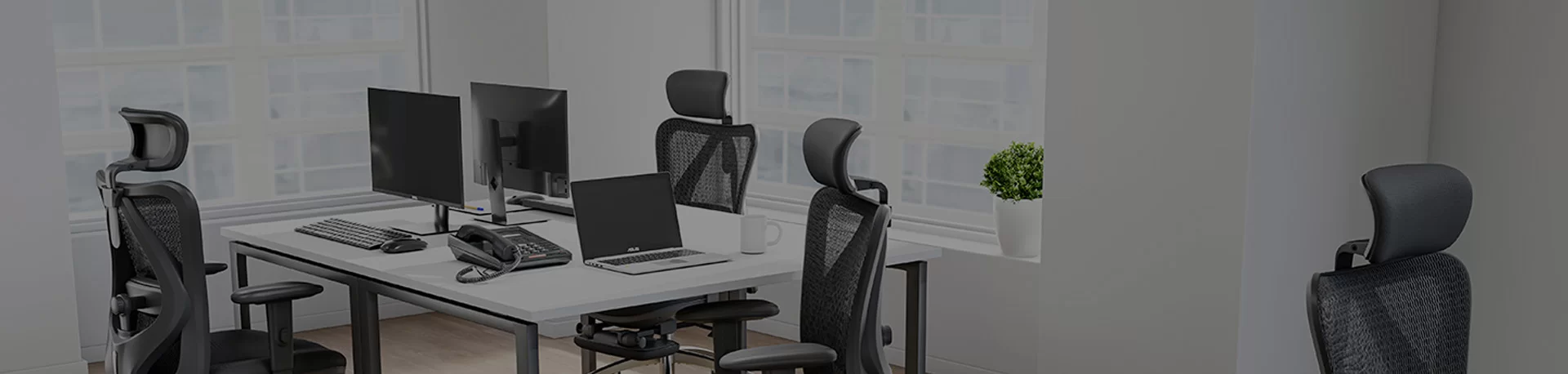
Finding the perfect seating solution often involves balancing ergonomics with stability, yet many users encounter a frustrating issue where an adjustable office chair won t stay up, leading to a decline in productivity and physical discomfort. This common pneumatic failure not only disrupts the workflow but also highlights the importance of investing in high-quality height-adjustment mechanisms that can withstand daily operational stress. Understanding why these failures occur is the first step toward selecting furniture that maintains its position and supports the user consistently throughout the day.
In the broader context of metal furniture manufacturing, the precision of the gas lift cylinder is paramount, as this component is responsible for the "staying power" of any adjustable seat. When a mechanism fails, resulting in an adjustable office chair won t stay up scenario, it usually indicates a seal leak or a loss of internal pressure within the pneumatic cylinder. For professional environments, this is more than a nuisance; it is an ergonomic hazard that can lead to poor posture and chronic back pain if not addressed through proper product selection or maintenance.
Our latest Adjustable Bar Stool is engineered to combat these common frustrations by utilizing a high-grade pneumatic height adjustment system designed for long-term reliability. By focusing on durable metal bases and premium-quality materials, we ensure that you don't have to worry about an adjustable office chair won t stay up experience, providing instead a seamless transition between heights for kitchens, bars, and modern living spaces.

Engineering Stability in Adjustable Seating
The foundation of any high-quality adjustable seat lies in its structural integrity, specifically the synergy between the metal base and the pneumatic cylinder. In the metal furniture industry, ensuring that a chair does not sink unexpectedly requires rigorous testing of the pressure seals and the thickness of the steel casing. By utilizing a sturdy metal base, our Adjustable Bar Stool provides a stable anchor that supports the pneumatic system, preventing the lateral shifts that often contribute to seal failure.
Furthermore, the integration of a 360-degree swivel feature allows for dynamic movement without compromising the vertical stability of the seat. This means that whether you are using the stool in a high-traffic commercial cafe or a home kitchen, the height remains locked in place. Engineering for stability ensures that the user experience is defined by comfort and reliability, rather than the frustration of a seat that fails to hold its height.
The Mechanics of Height Adjustment Failures
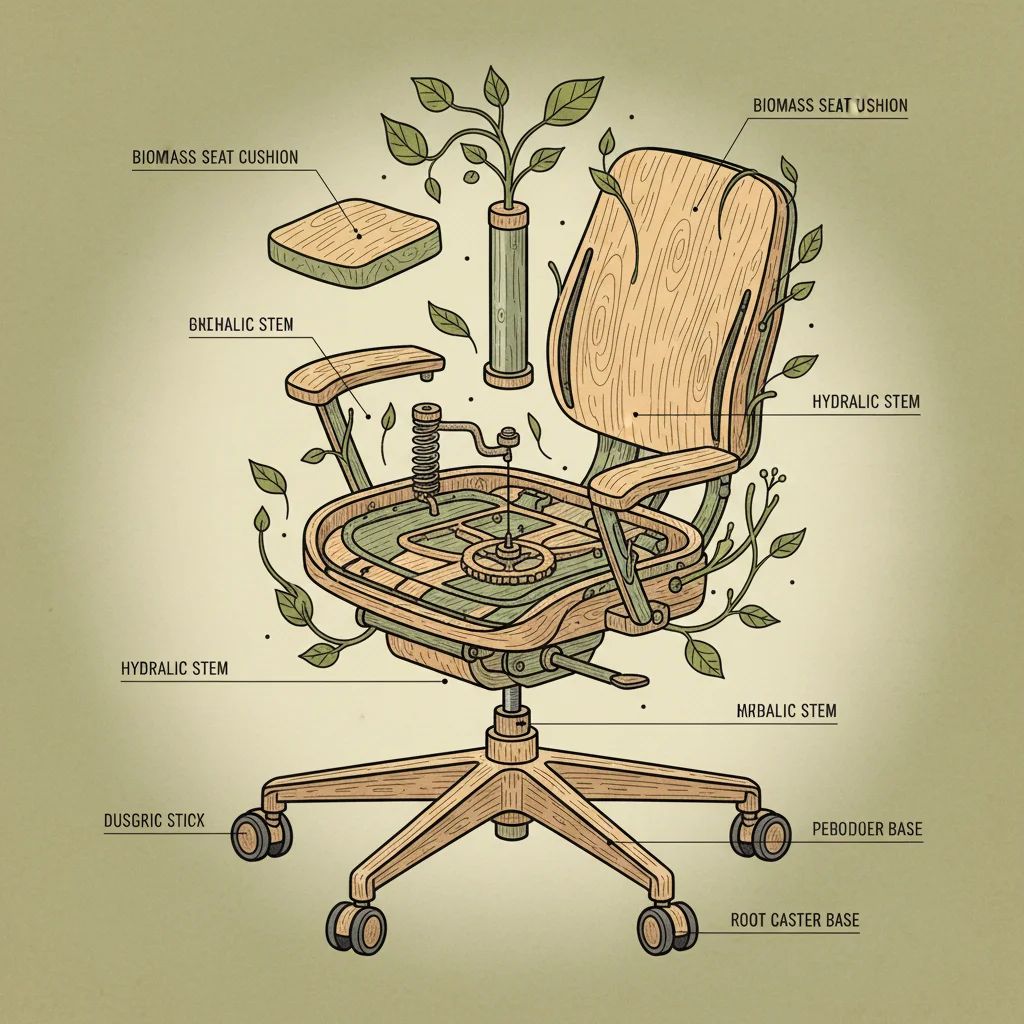
To understand why an adjustable office chair won t stay up, one must look at the physics of the gas lift. The pneumatic cylinder contains pressurized nitrogen gas which, when the lever is pulled, allows the user to adjust the height. Over time, low-quality seals can perish or leak, meaning the internal pressure can no longer support the weight of the user, causing the chair to sink slowly or drop suddenly.
In industrial manufacturing, the difference between a budget-grade cylinder and a premium one is the precision of the tolerances and the quality of the O-rings. When these components are poorly manufactured, they are susceptible to "creeping," where the gas escapes in tiny increments. This is the primary technical reason behind the common complaint that a chair will not maintain its set elevation.
By implementing a high-performance pneumatic height adjustment system, our products eliminate these vulnerabilities. We prioritize high-tensile steel and reinforced seals to ensure that once the desired height is set, it remains fixed, providing a dependable seating experience that avoids the common pitfalls of inferior furniture design.
Ergonomic Impact of Consistent Support
Proper ergonomics rely on the ability to align the user's body with their work surface. When a user experiences a situation where their adjustable office chair won t stay up, the resulting misalignment forces the spine into an unnatural curve, increasing pressure on the lumbar region and straining the neck.
Consistency in height is critical for health; if an adjustable office chair won t stay up, the user often compensates by leaning forward or slouching, which can lead to long-term musculoskeletal disorders. Our Adjustable Bar Stool addresses this by combining a reliable pneumatic lift with a curved backrest and footrest to provide comprehensive ergonomic support.
Beyond the physical support, the psychological frustration of a malfunctioning seat can decrease focus and productivity. By ensuring the adjustable office chair won t stay up issue is solved at the manufacturing level, we allow users to focus on their social interactions or professional tasks without the distraction of a sinking seat.
Performance Comparison of Pneumatic Systems
Evaluating the efficiency of different lift mechanisms reveals a clear gap between standard grade and industrial grade components. While standard systems may offer initial convenience, their failure rate increases significantly after 12 months of heavy use, often leading to the dreaded sinking effect where the seat no longer supports the user's weight.
In contrast, reinforced pneumatic systems used in our metal furniture line are tested for thousands of cycles to ensure the seal remains airtight. This commitment to quality ensures that the height remains customizable and stable, offering a far superior lifecycle compared to generic alternatives found in the mass market.
Pneumatic Stability Ratings: Industrial vs Standard
Global Applications in Commercial Spaces
The demand for versatile seating extends across various global sectors, from modern European cafes to high-end North American hotel bars. In these environments, furniture must be capable of handling diverse user weights and frequent height adjustments, making the reliability of the pneumatic system a critical business requirement. A chair that sinks mid-use not only damages the brand's image but also creates safety risks for customers.
Our Adjustable Bar Stools are specifically designed for these high-pressure commercial settings. By blending a minimalist aesthetic with heavy-duty metal construction, they provide a professional look that complements any interior design while offering the durability needed for 24/7 operation in restaurants and bars worldwide.
Sustainable Materials in Metal Furniture
Sustainability in the furniture industry is no longer optional; it is a requirement for modern consumers. By utilizing recyclable metals for the base and frame of our stools, we reduce the environmental footprint associated with furniture replacement. When a product is built to last—meaning it doesn't suffer from issues like an adjustable office chair won t stay up—it stays out of landfills for much longer.
Furthermore, the choice of premium padding and high-quality fabrics ensures that the aesthetic appeal of the stool does not fade over time. This longevity reduces the need for frequent upgrades, promoting a circular economy where quality and durability are prioritized over disposable, fast-furniture trends.
The synergy between high-grade metal and ergonomic design allows us to create products that are both lightweight for easy repositioning and robust enough for industrial use. This balance of efficiency and strength is what defines the modern approach to sustainable metal furniture manufacturing.
Maintenance Strategies for Long-Term Value
To prevent a scenario where your adjustable office chair won t stay up, regular maintenance is key. While our pneumatic systems are designed for minimal upkeep, ensuring that the adjustment lever is free of debris and the base is kept clean prevents premature wear on the cylinder's seals. Simple checks can extend the life of the furniture by years.
For commercial operators, implementing a quarterly inspection of all seating can identify early signs of "sinking" before they become a problem for the customer. Replacing a worn cylinder early is far more cost-effective than replacing the entire stool, emphasizing the value of a modular design where components can be serviced.
Investing in high-quality initial hardware is the best maintenance strategy. By choosing products with a proven track record of stability and support, you eliminate the guesswork and the stress associated with malfunctioning height mechanisms, ensuring a consistent and comfortable experience for every user.
Analysis of Stability Factors in Adjustable Seating
| Component |
Impact on Stability |
Failure Risk |
Quality Score (1-10) |
| Pneumatic Cylinder |
Primary height control |
Gas leak / Sinking |
9.5 |
| Metal Base |
Weight distribution |
Tipping / Warping |
9.0 |
| Adjustment Lever |
Activation mechanism |
Jamming / Stiffness |
8.5 |
| Seat Padding |
User comfort |
Compression / Wear |
8.0 |
| Swivel Bearing |
Rotation fluidity |
Noise / Friction |
9.0 |
| Backrest Support |
Postural alignment |
Structural flex |
8.8 |
FAQS
This usually happens due to a failure in the pneumatic gas lift cylinder. Over time, the internal seals can wear out or leak, allowing the pressurized nitrogen gas to escape. When the pressure drops, the cylinder can no longer support the weight of the user, causing the seat to sink. Replacing the gas cylinder is the most effective way to fix this issue.
While some users attempt temporary fixes like using PVC pipe clamps to lock the height, these are not recommended as they eliminate the adjustability of the seat and may pose safety risks. For a professional and lasting solution, especially in commercial settings, replacing the pneumatic lift with a high-quality industrial-grade cylinder is the only reliable method.
Look for furniture that specifies a high-grade pneumatic height adjustment system and a sturdy metal base. Check for weight capacity ratings and warranty information regarding the gas lift. Products manufactured with reinforced steel casings and premium O-ring seals are significantly less likely to experience sinking issues compared to budget plastic alternatives.
No, a swivel feature does not inherently cause the height mechanism to fail. In well-engineered products, the swivel bearing is a separate component from the pneumatic lift. As long as the stool is designed with a stable metal base to support both the rotation and the vertical pressure, the swivel will not affect the stability of the height adjustment.
A premium pneumatic cylinder used in professional metal furniture can last many years, often exceeding 5-10 years with normal use. Lifespan depends on the quality of the seals and the frequency of use. Industrial-grade cylinders are tested for thousands of cycles to ensure they maintain pressure and support consistently over the long term.
Yes, provided they are constructed with a durable metal frame and a professional-grade gas lift. Commercial environments require furniture that can withstand constant height changes and high user turnover. Our Adjustable Bar Stools are specifically engineered for this purpose, combining ergonomic comfort with the structural strength needed for cafes and restaurants.
Conclusion
In summary, the frustration of an adjustable office chair won t stay up is a technical failure rooted in pneumatic seal degradation, but it is entirely preventable through superior engineering and material selection. By prioritizing reinforced metal bases, high-tensile steel cylinders, and ergonomic designs, we provide seating solutions that maintain their height and support, ensuring productivity and physical well-being for users in both home and commercial environments.
Looking forward, the integration of even more durable, eco-friendly materials will continue to redefine the standards of the metal furniture industry. We encourage users and business owners to invest in quality over quantity, choosing furniture that offers long-term stability and ergonomic reliability. For a seating experience that blends modern style with unmatched performance, visit our website: www.cdgamingfurniture.com