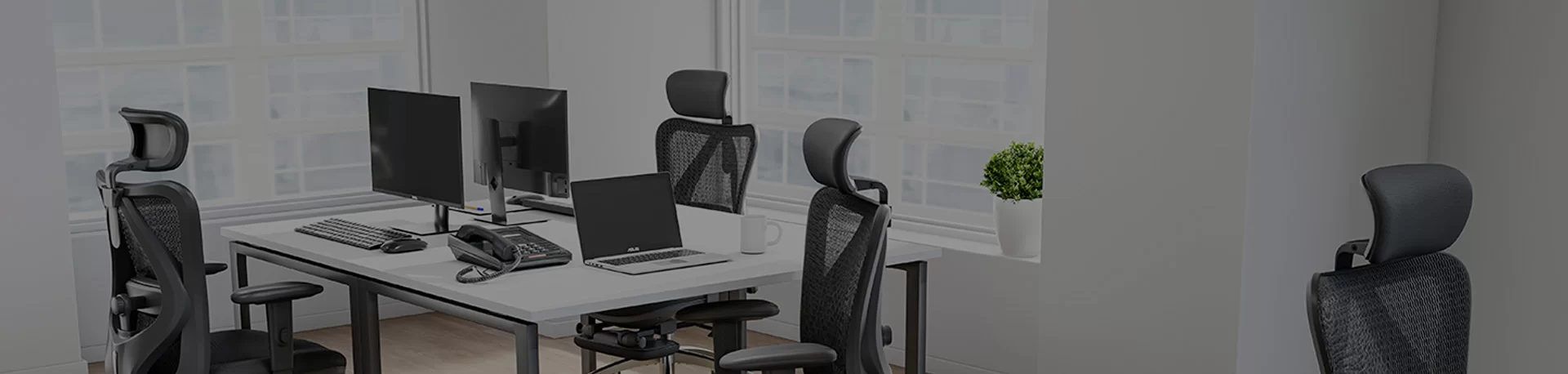
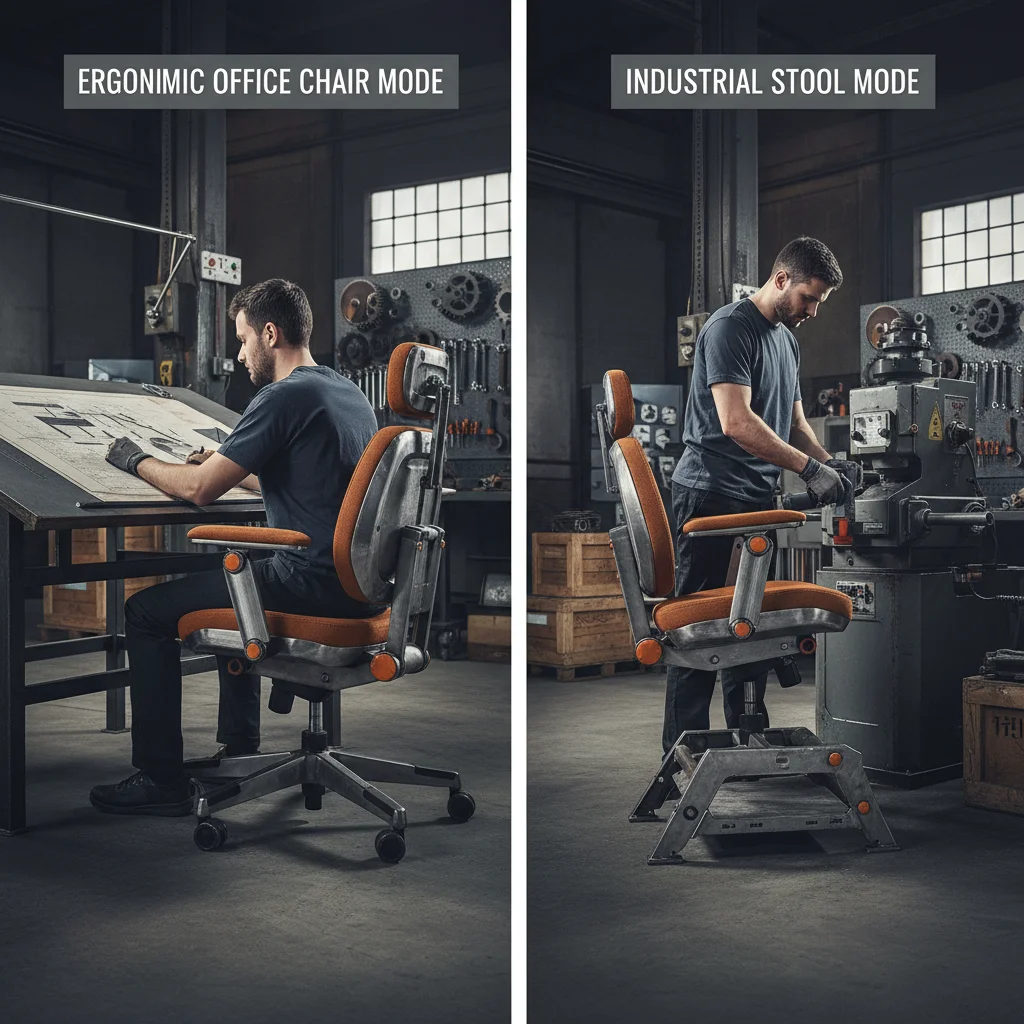
Look, I’ve been running around construction sites for fifteen years, and let me tell you, the biggest trend I’m seeing right now is this push for adjustable tilt chairs. Not just in offices, mind you, but even in workshops, control rooms… everywhere. Seems everyone's realizing hunching over a workbench all day isn’t doing anyone’s back any favors. It’s a simple thing, really, but it can make a huge difference.
Honestly, everyone’s jumping on the ergonomic bandwagon now. But have you noticed how a lot of these designs look good on paper, but completely fall apart when you actually *use* them? Too much fancy plastic, not enough real-world testing. They look sleek, but they’re brittle. I saw a guy lean back too hard on one last week and the whole thing just… gave way. Not pretty.
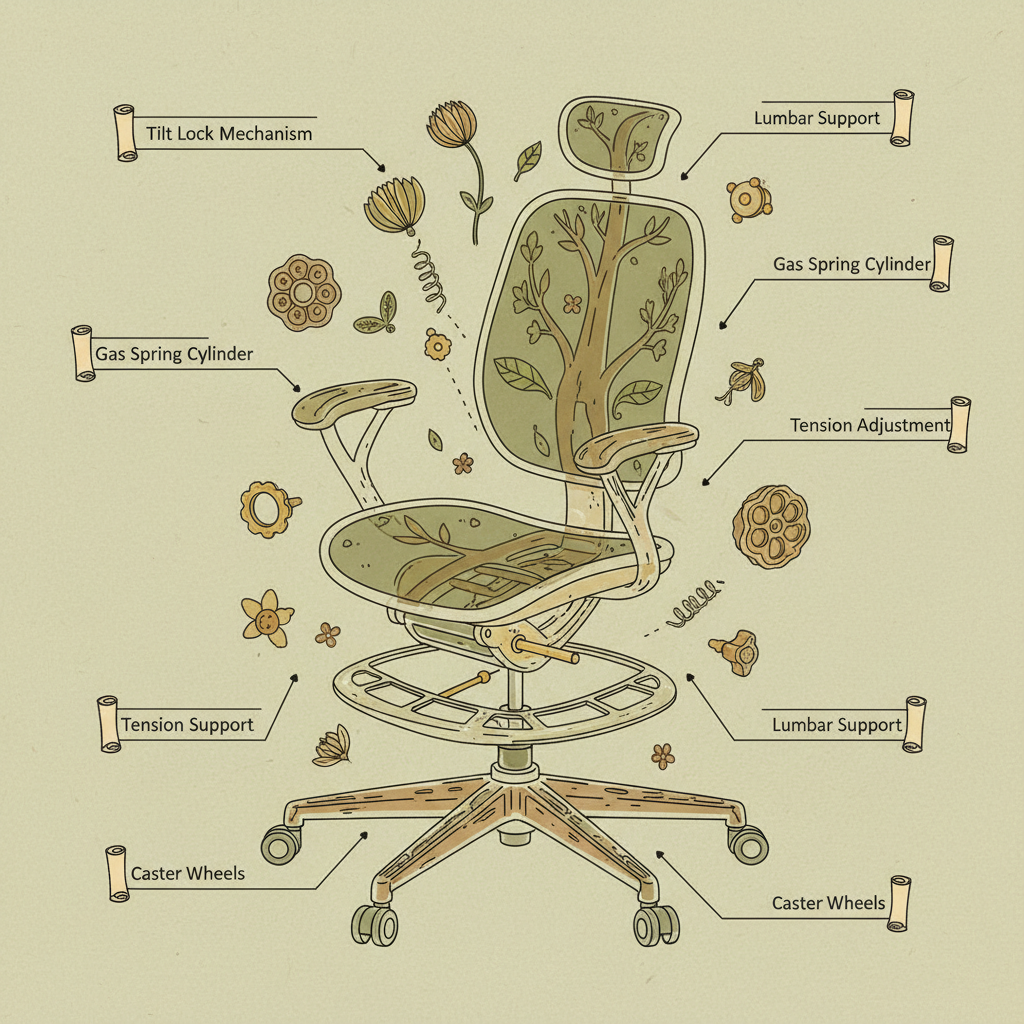
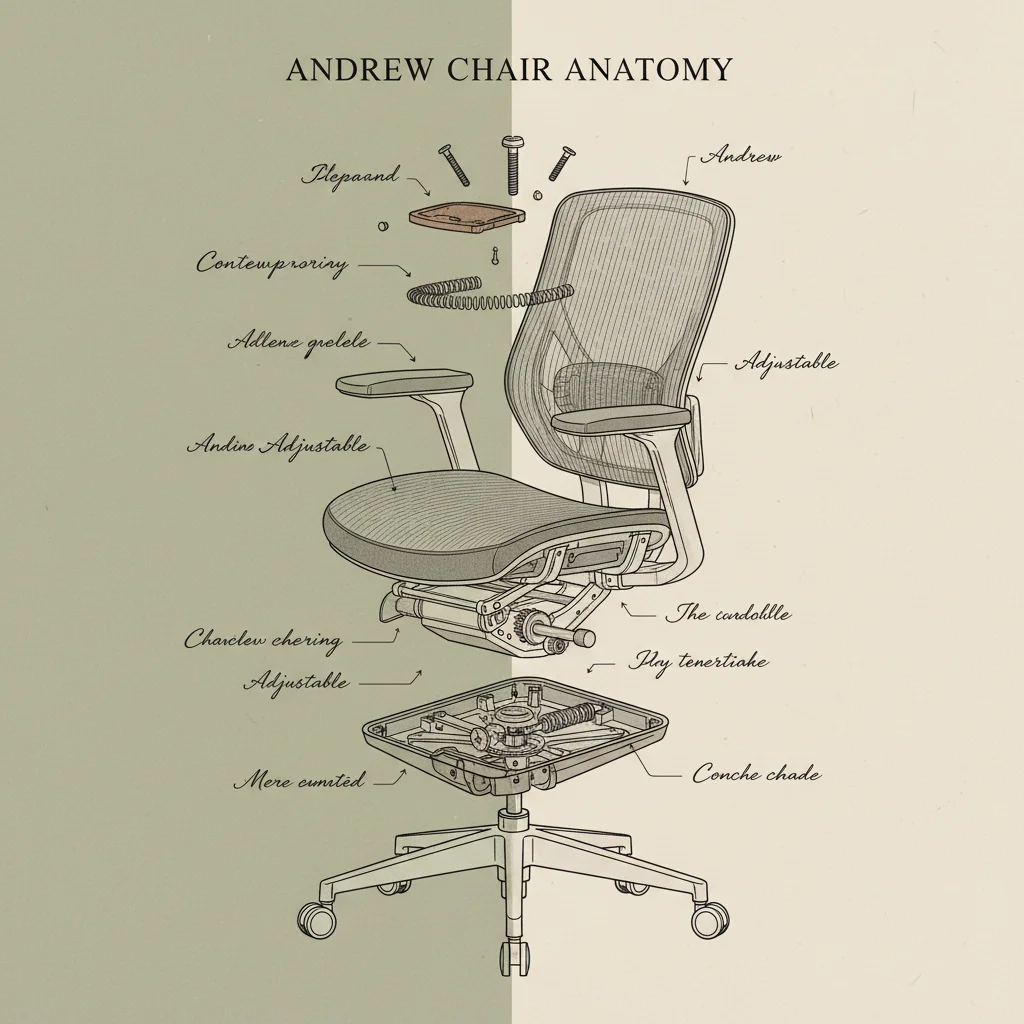
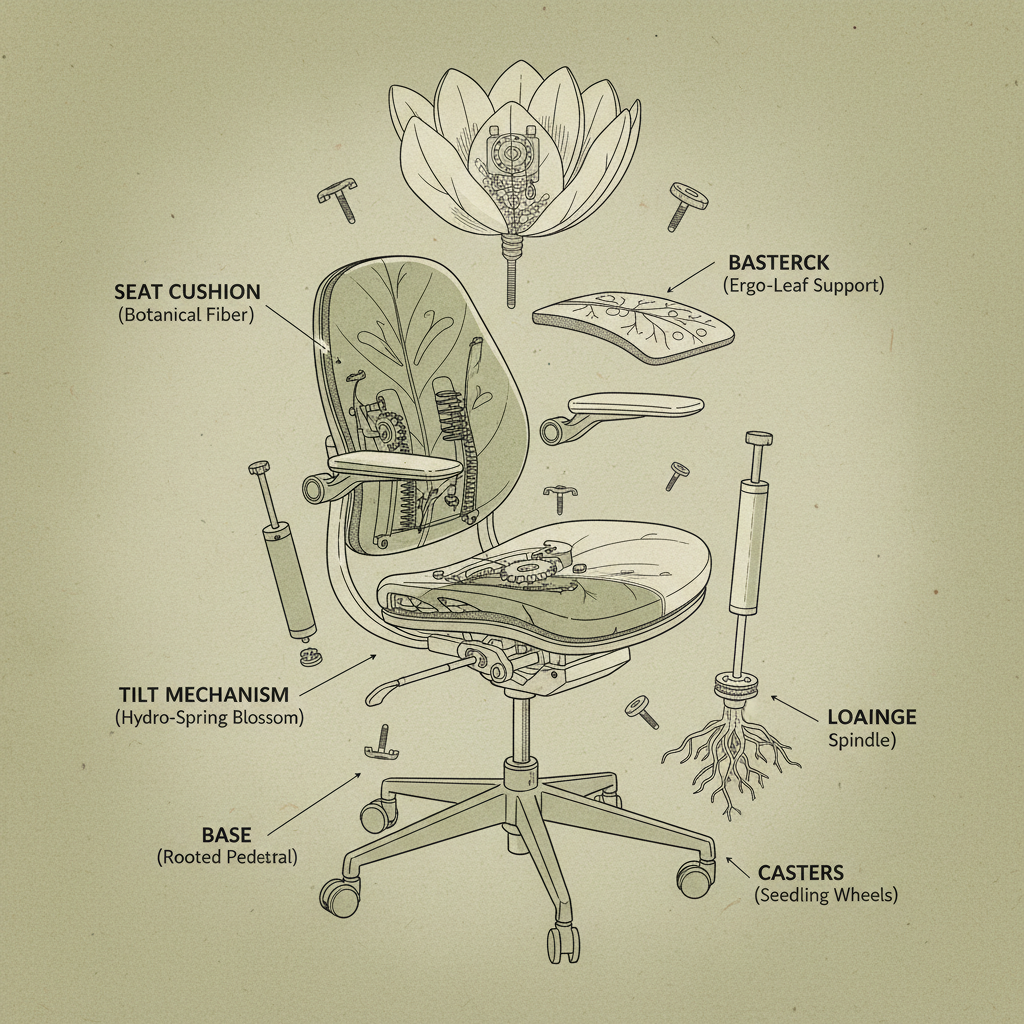
The core of a good adjustable tilt chair isn't about the bells and whistles; it's about the foundational materials. We’re mainly using a high-density molded foam for the seat – feels almost like memory foam, but a little firmer, holds its shape better. Smells a bit like… well, new car smell, actually. The frame itself is a powder-coated steel, gotta be steel, aluminum just doesn’t cut it for the kind of stress these chairs take. And the tilt mechanism… that’s the tricky part.
Industry Trends & Design Pitfalls
To be honest, the biggest pitfall I see is designers forgetting about the environment. These chairs end up in dusty workshops, greasy control rooms, sometimes even outdoors! You can’t design something that looks great in a showroom and expect it to survive. Strangel,y enough, I encountered a design team last time at a factory who had no idea that metal shavings are a constant hazard. Their intricate mesh backing was just a magnet for them. It was a disaster.
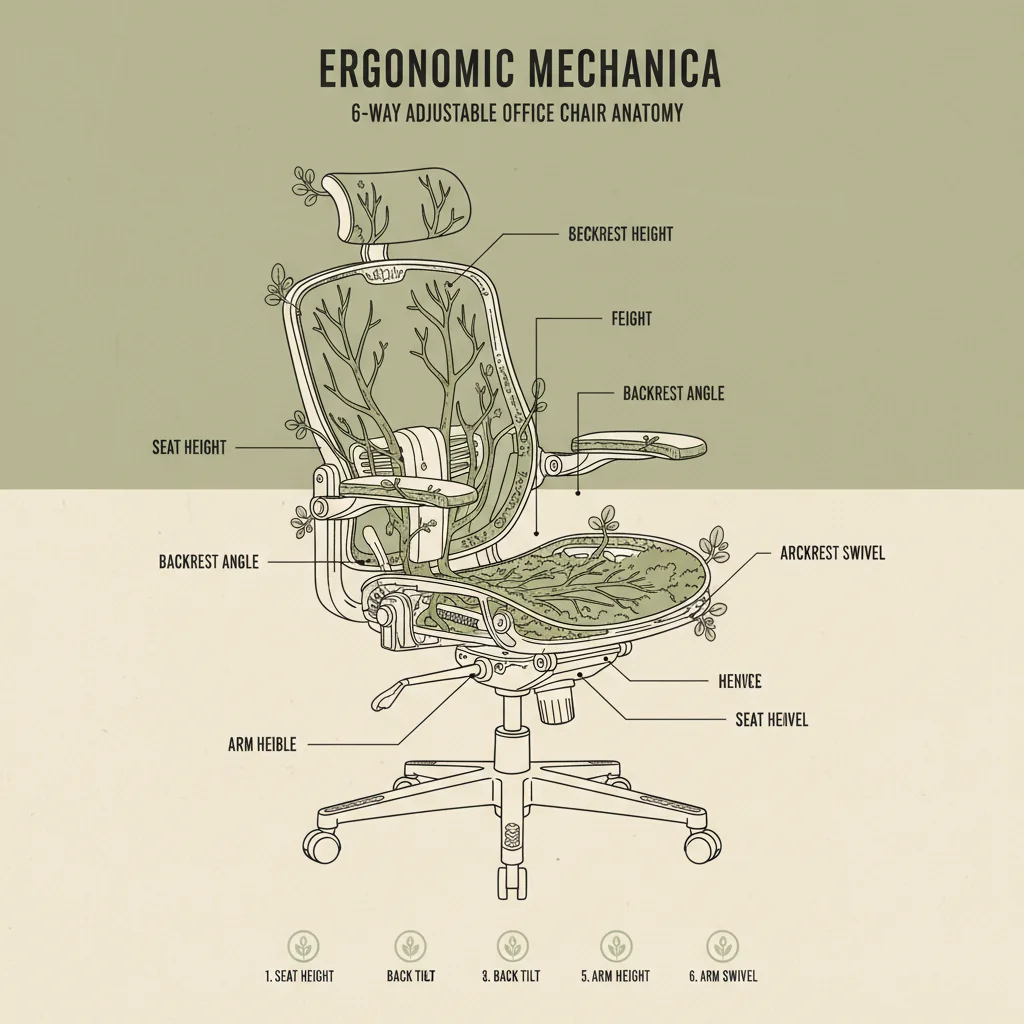
Another thing? They try to overcomplicate the tilt mechanism. The simpler, the better. More moving parts mean more things to break. I’ve seen some chairs with a dozen different adjustments – height, back angle, seat depth, lumbar support… It’s overkill. Most people just want a comfortable chair that lets them lean back a bit without falling over.
Material Selection & Handling
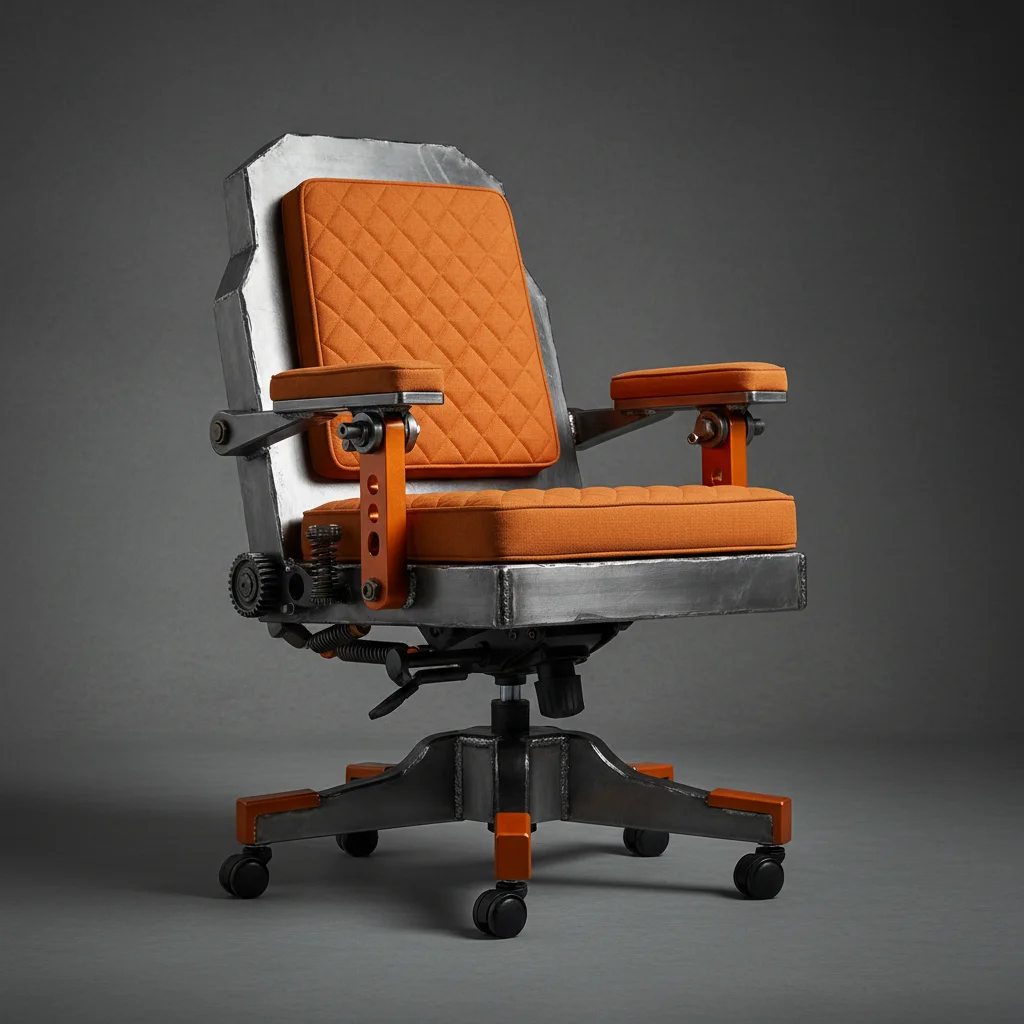
Now, about materials... the frame, as I said, *has* to be steel. But not just any steel. We use a 1.5mm thick carbon steel, it's got the right balance of strength and weldability. It’s got a bit of weight to it, but that adds stability. The powder coating is important too – we use an electrostatically applied epoxy polyester powder, it's tough and resists chipping and scratching. I've seen some manufacturers skimp on the coating, and those chairs start looking beat up after just a few months.
The upholstery… that's another story. We’ve been experimenting with different fabrics. Microfiber is good – durable, easy to clean, and relatively inexpensive. But vinyl is often a better choice for industrial environments. It's waterproof, resists oil and grease, and can be wiped down easily. The feel isn’t as nice, but practicality wins out in these situations. And the foam, we go with a high-resilience molded foam. It’s got that bounce-back quality, so it doesn’t flatten out after prolonged use.
Handling these materials on site is no joke, either. Steel can have sharp edges, so we always make sure the workers are wearing gloves. The foam off-gasses a bit when it's first unpacked, so good ventilation is crucial. We usually let the components air out for a day before assembly.
Real-World Testing Protocols
Forget the lab tests. They’re useful for basic standards, sure, but they don’t tell you how a chair will actually hold up. We do what we call “torture testing.” We have a dedicated team whose job is to *break* our chairs. Seriously. They’ll sit on them for eight hours straight, lean back and forth repeatedly, try to overload the tilt mechanism, even try to pry the upholstery apart.
I encountered this at a testing facility a while back. They had a pneumatic rig that simulates years of wear and tear in a matter of days. It’s pretty brutal. Basically, it cycles the chair through thousands of tilt motions, applying different weights and forces. We look for signs of fatigue, cracking, or deformation. If it fails, we go back to the drawing board.
We also send prototypes to actual workshops and factories for field testing. We get feedback from the workers who are actually using the chairs. That's the most valuable data we get. They don't care about fancy features; they care about comfort, durability, and how well the chair supports them during long shifts.
User Behavior & Unexpected Applications
You know what’s funny? How people *actually* use these chairs. We design them for ergonomic support, but I've seen guys use them as step stools, as makeshift workbenches, even as places to store their tools. I’m not saying it’s recommended, but it happens. You gotta design for the unexpected.
And their sitting styles are… varied. Some people lean all the way back, putting all their weight on the backrest. Others sit on the edge of the seat, with their feet on the floor. Some even stand on the chair while reaching for something. You never know. Anyway, I think that’s why durability is so important.
Adjustable Tilt Chair Performance Metrics
Advantages, Disadvantages & Customization
The big advantage, obviously, is the improved comfort and ergonomics. Less back pain, less fatigue, more productivity. It's a win-win. But, they’re not cheap. Good quality adjustable tilt chairs cost a pretty penny, and you get what you pay for. And they can be bulky. Some workshops have limited space, and a large chair can get in the way.
Customization? Absolutely. We can change the fabric, the color, the height, the tilt range, even add armrests or headrests. I had a client last year, a robotics manufacturer, who wanted a chair with a built-in conductive strip to prevent static discharge. It was a bit of a challenge, but we made it happen. It's more expensive, sure, but sometimes you need something specific.
Customer Story: The Debacle
Last month, this small boss in Shenzhen who makes smart home devices – real driven guy, always pushing the boundaries – insisted on changing the interface to for the power adapter on our chairs. "It's the future!" he said. We tried to explain that the standard barrel connector was more reliable, more readily available, and cheaper, but he wouldn't listen. He wanted to be different.
He ordered a batch of fifty chairs with the ports. A week later, he was calling us, furious. Turns out, the ports were failing left and right. The power supply wasn’t consistent enough, and the ports couldn’t handle the load. He’d lost a big contract because of it. I felt bad for him, but honestly, I saw it coming. Sometimes, simpler is better. He switched back to the barrel connector, of course.
It taught us a lesson too: listen to the engineers, even when the boss thinks he knows better.
Core Performance Metrics
We track a lot of different metrics on these chairs, but it all boils down to a few key things: how long they last, how well they support the user, and how easy they are to maintain. We track failure rates, customer satisfaction scores, and repair costs.
We also look at things like the amount of force required to adjust the tilt mechanism, the range of motion, and the stability of the chair when tilted. It’s all about finding that sweet spot between comfort, durability, and functionality.
Ultimately, though, it's all just data. The real test is out on the shop floor.
Key Performance Indicators for Adjustable Tilt Chair Assessment
| Component |
Metric |
Testing Method |
Acceptable Range |
| Tilt Mechanism |
Cycle Endurance |
Automated Tilt Cycle Test (10,000 cycles) |
No structural failure |
| Upholstery |
Abrasion Resistance |
Martindale Abrasion Test |
Minimum 25,000 cycles |
| Frame |
Weight Capacity |
Static Load Test |
Minimum 300 lbs |
| Foam Seat |
Compression Set |
Compressed for 72 hours, then measured for recovery |
Maximum 10% compression set |
| Casters |
Rollability |
Rolling distance test on various surfaces |
Minimum 10 ft roll on carpet and tile |
| Overall Stability |
Tilt Angle |
Manual Tilt Test with weighted dummy |
Stable at 15-degree tilt |
FAQS
Honestly, it's the build quality. The cheap ones use flimsy plastic, thin steel, and a weak tilt mechanism. They might look okay at first, but they won’t last. A good chair is built with durable materials and a robust design that can withstand years of use. You're paying for longevity and real ergonomic support, not just a pretty face. It's a lot like comparing a disposable wrench to a Snap-On.
We design them to be, absolutely. But it depends on the user and the environment. If someone is constantly leaning back and putting a lot of stress on the chair, it will wear out faster. Proper maintenance is key – regular cleaning and tightening of screws. And, of course, selecting the right upholstery for the environment. Vinyl is a good choice for high-traffic areas. It's about matching the chair to the needs of the user and the job.
Our standard weight limit is 300 pounds. We’ve tested them well beyond that, but we recommend staying within that limit for optimal safety and durability. We can also offer a heavy-duty version with a reinforced frame for higher weight capacities, but that will increase the cost. We did some testing with a 350lb test dummy, and the chair held up well, but it’s always best to err on the side of caution.
Pretty easy, actually. We ship them mostly pre-assembled. You just need to attach the base, the armrests (if you ordered them), and maybe adjust the tilt mechanism. We include clear instructions and all the necessary tools. I’ve seen guys put them together in under 10 minutes. But, I’ve also seen guys struggle with them for an hour, so it depends on your mechanical aptitude!
Yes, absolutely. We offer a wide range of colors for both the frame and the upholstery. We can also do custom color matching if you have a specific Pantone code. There's an extra charge for custom colors, but it's worth it if you want a chair that matches your company branding. We once did a batch in bright orange for a construction company – they wanted their chairs to be visible on the job site.
We offer a 2-year warranty on all of our adjustable tilt chairs. This covers defects in materials and workmanship. It doesn’t cover wear and tear or damage caused by misuse. But we stand behind our products and will work with you to resolve any issues. We’ve had very few warranty claims, which is a testament to the quality of our chairs.
Conclusion
So, that's the deal with adjustable tilt chairs. They're not just a trendy ergonomic accessory; they’re a worthwhile investment in worker comfort and productivity. From the materials we choose to the torture tests we put them through, everything is designed to create a chair that can withstand the rigors of real-world use. It’s about making a product that actually solves a problem, not just looks good in a catalog.
Ultimately, whether this thing works or not, the worker will know the moment he tightens the screw. If it feels solid, if it moves smoothly, if it supports his back properly… that’s when you know you’ve got a good chair. And that's what we strive for. If you're looking for a durable, comfortable, and reliable adjustable tilt chair, visit our website to learn more.