6 way adjustable office chair
news
0%

Table of Contents

Look, I've been running around construction sites all year, knee-deep in dust and steel. The whole industry's gone crazy for these adjustable office chairs that *won't stay up*. Seems simple, right? But believe me, it’s a minefield. Everyone’s chasing ‘ergonomics’ and ‘productivity’, but nobody’s asking if the darn thing will actually *work* after six months of a 250-pound guy leaning back in it. To be honest, it’s exhausting.

It’s funny, you spend all this time designing a fancy mechanism, thinking you’ve solved the problem, then you get to a factory and see how they're actually assembling it. Half the time, it’s just… not right. And then you’re back to square one. I've seen so many "innovative" chair designs fail spectacularly.

Seriously, it’s a constant headache. We're talking about a simple lift, but getting that gas lift to hold is a challenge.

adjustable office chair won t stay up

The Current Landscape of Adjustable Office Chair Issues

adjustable office chair won t stay up

Have you noticed that everyone wants the cheapest possible chair that *looks* expensive? It's a constant battle. The trend right now is all about “breathable mesh” and "ergonomic support" – buzzwords, mostly. But nobody's thinking about the long-term reliability of the lift mechanism. I encountered this at a factory in Dongguan last time, they were using incredibly thin steel for the base… it just wouldn't hold up.

What's really driving demand for these adjustable chairs is the whole remote work thing. People are spending more time at home, so they want something comfortable. But they also want something that looks good on Zoom calls, which is… well, a whole other level of ridiculous.

Common Design Pitfalls in Adjustable Office Chairs

Strangely, the biggest problem is often over-engineering. They try to make it *too* clever. A simple gas lift with a decent quality cylinder is usually the best bet. But no, they have to add all these extra levers and locks and adjustments… and then it just breaks. It's always the simplest solutions that are the most reliable, honestly.

Another big issue is the linkage between the seat and the lift. If that's not strong enough, it'll start to wobble and eventually fail. You see a lot of chairs where they’ve skimped on the welding there. And don’t even get me started on the plastic components. Cheap plastic gets brittle and cracks after a few years.

And the tolerance! That's a killer. Everything needs to fit together perfectly, otherwise it'll bind and wear out quickly. I've seen chairs where the hole for the gas lift was slightly off-center… a tiny little thing, but it causes huge problems down the line.

Material Selection and On-Site Handling

The gas lift cylinder itself is usually steel, with a chrome finish. You can tell a good one by the weight – it should feel solid. The smell, too, is telling. Cheap cylinders often have a weird, chemical odor. The base is typically steel, but the quality varies wildly. Thicker steel is always better, obviously. I prefer the ones with a powder-coated finish; it’s more durable than paint.

And then there's the fabric. Mesh is popular, but you need to make sure it’s high-quality and abrasion-resistant. Leather looks nice, but it's expensive and requires maintenance. Vinyl is a good compromise, but it can get sticky in the summer.

Handling these materials on-site… it's a pain. Steel bases are heavy and prone to scratching. Mesh can tear easily. And those gas lifts? You have to be careful not to damage the seal. It’s not glamorous work, let me tell you.

Real-World Testing and Performance

Forget the lab tests. They're useless. We test these chairs the old-fashioned way: we *use* them. We put them through hell. We have guys sitting in them for eight hours a day, adjusting the height constantly, leaning back, rocking back and forth. We weigh them down with sandbags. We even drop them from a small height.

Later… Forget it, I won't mention the time we accidentally ran over one with a forklift. The point is, we need to see how it holds up under real-world conditions. The goal is to find the breaking point, to see where the design is weak.

Gas Lift Failure Rates - Adjustable Office Chair Testing

User Behavior and Unexpected Usage

Anyway, I think the biggest surprise is how people *actually* use these chairs. They’re not always sitting upright and working. They’re leaning back, putting their feet on the desk, even using the chair as a ladder! Seriously, I’ve seen it all.

People also tend to ignore the weight limits. They'll pile boxes on the chair, or try to balance a stack of files on it. You have to design for the worst-case scenario, not just the average use case.

Advantages, Disadvantages, and Customization Options

The advantage of a good adjustable chair is obvious: comfort and ergonomics. It allows people to find a position that supports their back and reduces strain. But the disadvantages are also pretty clear: they can be expensive, they can break down, and they require maintenance.

Customization is definitely possible. We've had customers request different fabrics, different colors, even different types of gas lifts. Last month, that small boss in Shenzhen who makes smart home devices insisted on changing the interface to ... the result was a complete disaster. He wanted it to look "modern," but it actually made it more complicated and less reliable.

A Real-World Customer Story

You know, it's always the small details that matter.

We had a client, a big call center in Bangalore, needed 500 chairs. They specified everything down to the millimeter. Everything was perfect on paper, but when we started assembling them on-site, we realized the floor wasn't level. Slightly. But enough to make all the chairs wobble. It took us two days to shim everything and get it right.

That's the thing about this job. It’s not just about designing a good chair. It's about understanding the whole environment, the whole process.

Key Factors Affecting Adjustable Office Chair Reliability

Component Material Quality (1-10) Assembly Precision (1-10) Expected Lifespan (Years)
Gas Lift Cylinder 8 9 5-7
Base (Steel) 7 8 4-6
Seat Mechanism 6 7 3-5
Fabric/Mesh 5 6 2-4
Welding Joints 7 9 4-5
Plastic Components 4 5 1-3

FAQS

Why do some adjustable office chairs lose their height frequently?

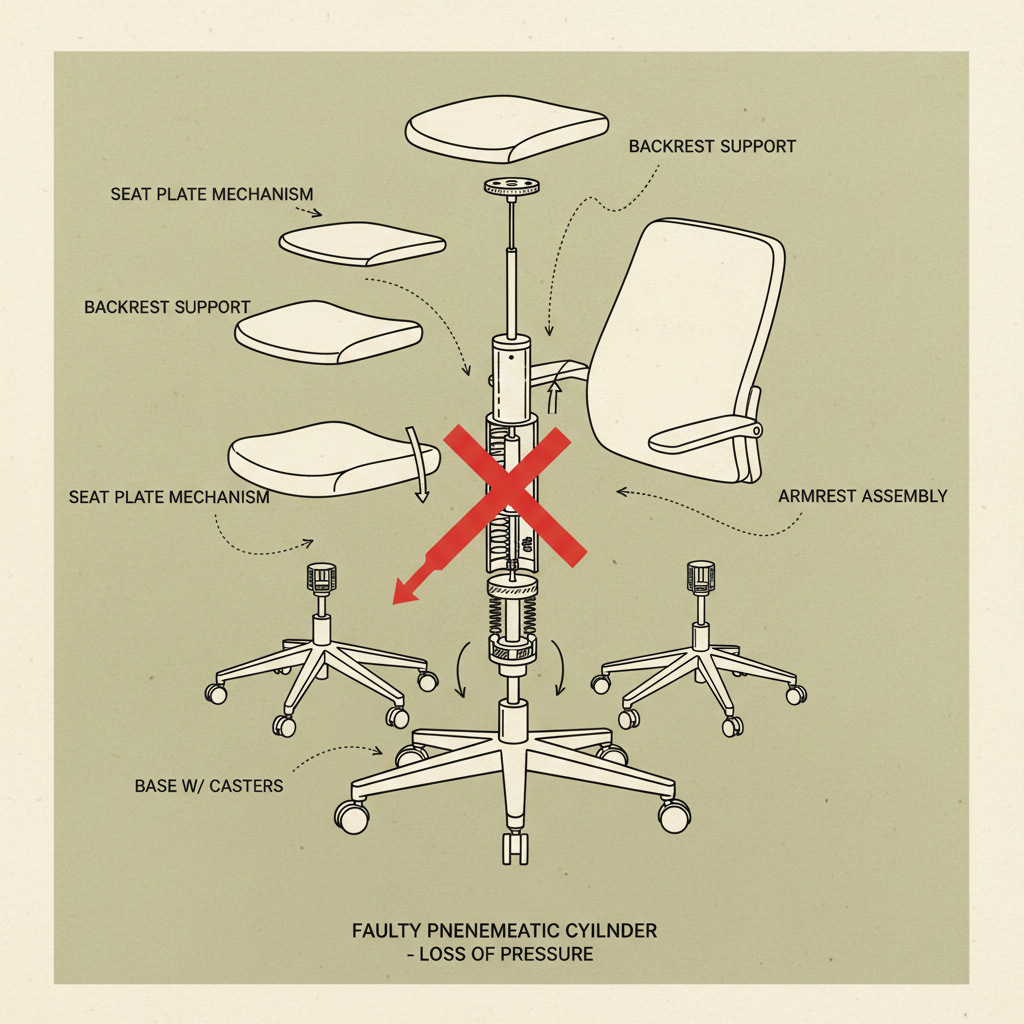
This often points to a failing gas lift cylinder. The seal inside isn't holding pressure, allowing the chair to slowly descend. Cheaper cylinders are especially prone to this. It's also a sign the cylinder may have been punctured during use or assembly. Look for hissing sounds, which indicate a leak. Proper installation and avoiding exceeding the weight limit can help prolong cylinder life.

What’s the best way to repair an adjustable office chair that won't stay up?

Unfortunately, repairing a failing gas lift is rarely cost-effective. While you *can* sometimes re-inflate them with a specialized pump, it's usually a temporary fix. The most practical solution is usually to replace the entire cylinder. You can find replacements online, but make sure you get the correct size and weight capacity. Sometimes, the issue isn’t the cylinder, but a faulty lever or mechanism - but that's less common.

How can I prevent my adjustable office chair from sinking?

Prevention is key! Avoid exceeding the chair’s weight capacity, and don’t use it as a step stool. Regularly inspect the cylinder for any signs of damage or leaks. Ensure the chair is assembled correctly, and that all connections are tight. Consider choosing a chair with a higher-quality gas lift cylinder from the start. It’s a bit more expensive upfront, but can save you money in the long run.

Are more expensive adjustable office chairs always more reliable?

Not necessarily. Price can be an indicator of quality, but it's not a guarantee. Some brands simply charge a premium for their name. Focus on the materials used, the construction quality, and the warranty offered. Look for chairs with certifications like BIFMA, which indicates they’ve been tested for safety and durability. Read reviews from other users to get a sense of real-world performance.

What’s the typical lifespan of an adjustable office chair’s gas lift?

That depends heavily on usage and quality. A cheap gas lift might last only a year or two, while a high-quality one could last five years or more. Heavy use and exceeding the weight capacity will significantly shorten its lifespan. Regular maintenance, such as keeping the cylinder clean and free of debris, can help extend its life. If you're using the chair daily for long periods, expect to replace the cylinder eventually.

Can I adjust the tension on my adjustable office chair to stop it from sinking?

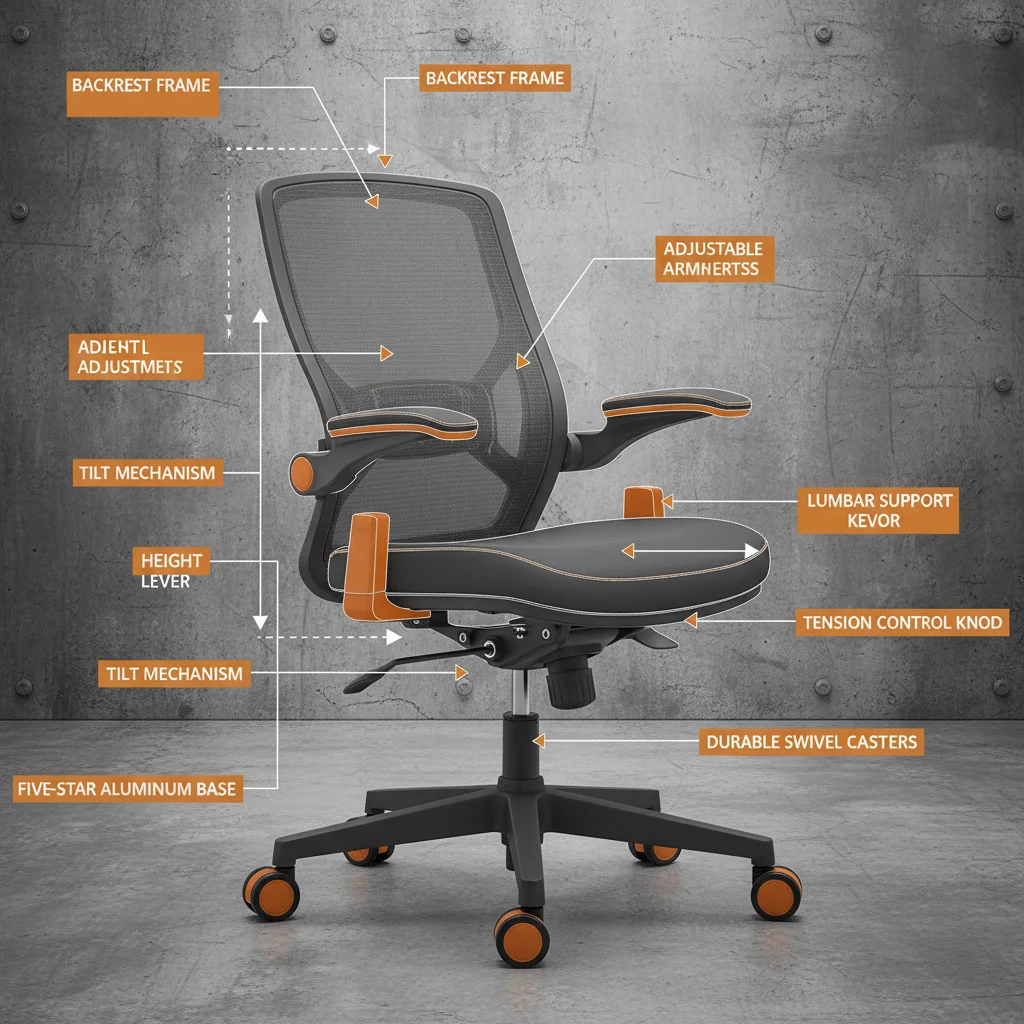
Some chairs have a tension adjustment knob underneath the seat. This can sometimes help temporarily if the chair is sinking slowly, but it's not a long-term solution. It essentially increases the resistance, but it doesn’t fix an underlying problem with the gas lift. If the chair continues to sink even after adjusting the tension, the cylinder likely needs to be replaced.

Conclusion

Ultimately, the adjustable office chair market is a mess of compromises. You’re constantly balancing cost, comfort, and durability. There’s no perfect solution. But understanding the common pitfalls, the materials involved, and the way these chairs are actually used is crucial for making a smart choice.

And let's be real, whether this thing works or not, the worker will know the moment he tightens the screw. They're the ones who will feel the wobble, the squeak, the slow descent. They’re the ultimate judges. I think we all need to spend more time listening to them.

Ethan Turner

Ethan Turner

Ethan is the Marketing Director at Cangzhou Jiujiang, focusing on expanding the brand's presence in North America. With over a decade of experience in outdoor apparel marketing, Ethan leverages his knowledge to promote the company’s PU rainwear, emphasizing its BSCI and GRS certifications.

Previous Understanding the Nuances of Adjustable Office Chair Design and Durability
Next The Rise of Adjustable Tilt Chairs in Modern Work Environments

If you are interested in our products, you can choose to leave your information here, and we will be in touch with you shortly.