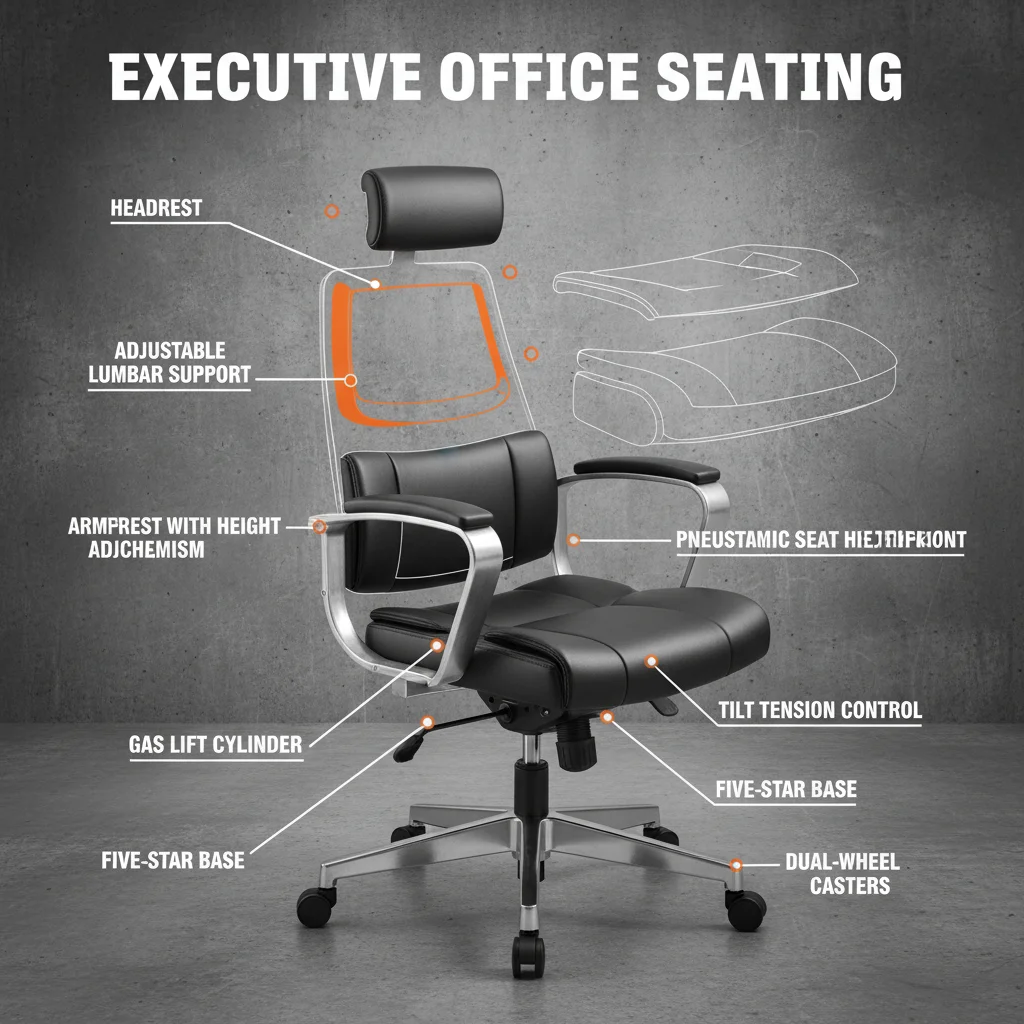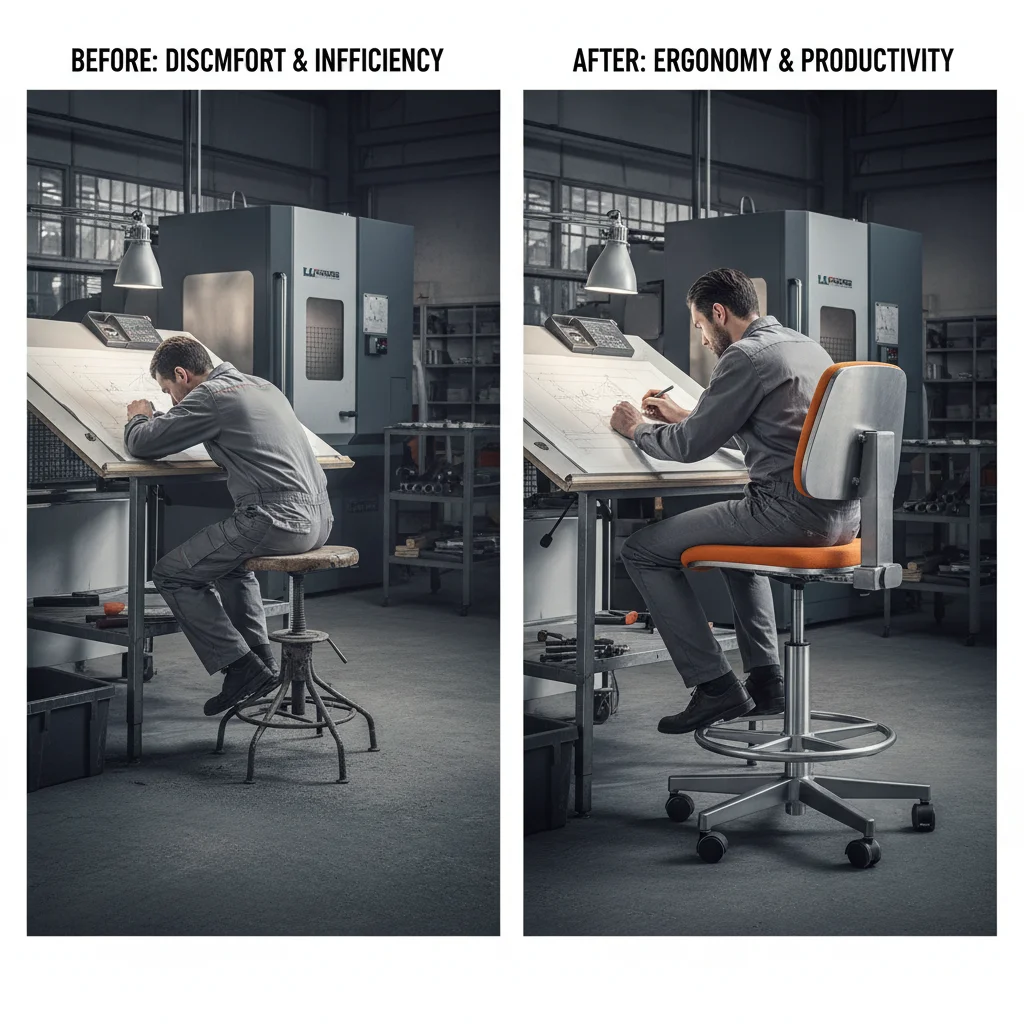
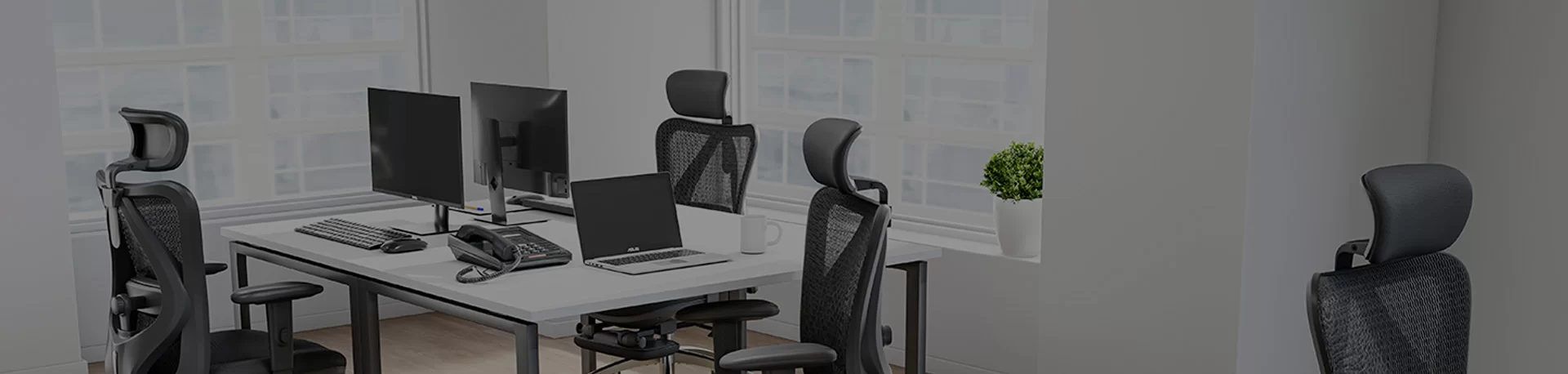
Look, adjustable office chairs... they’re everywhere, right? Seems simple enough. But after spending, honestly, too many years crawling around factories and construction sites, you realize there's way more to it than just slapping some mesh on a frame. It’s booming now, everyone wants a comfy chair that won't kill their back after eight hours. I mean, the numbers don’t lie. Post-pandemic, the demand just *shot* up. People realized working from home wasn't a temporary thing, and a decent chair isn’t a luxury, it's… well, it’s basic ergonomics. You see a lot of talk about ISO standards and lumbar support, and that's all good, but it's what happens *between* the standard and the user that gets tricky.
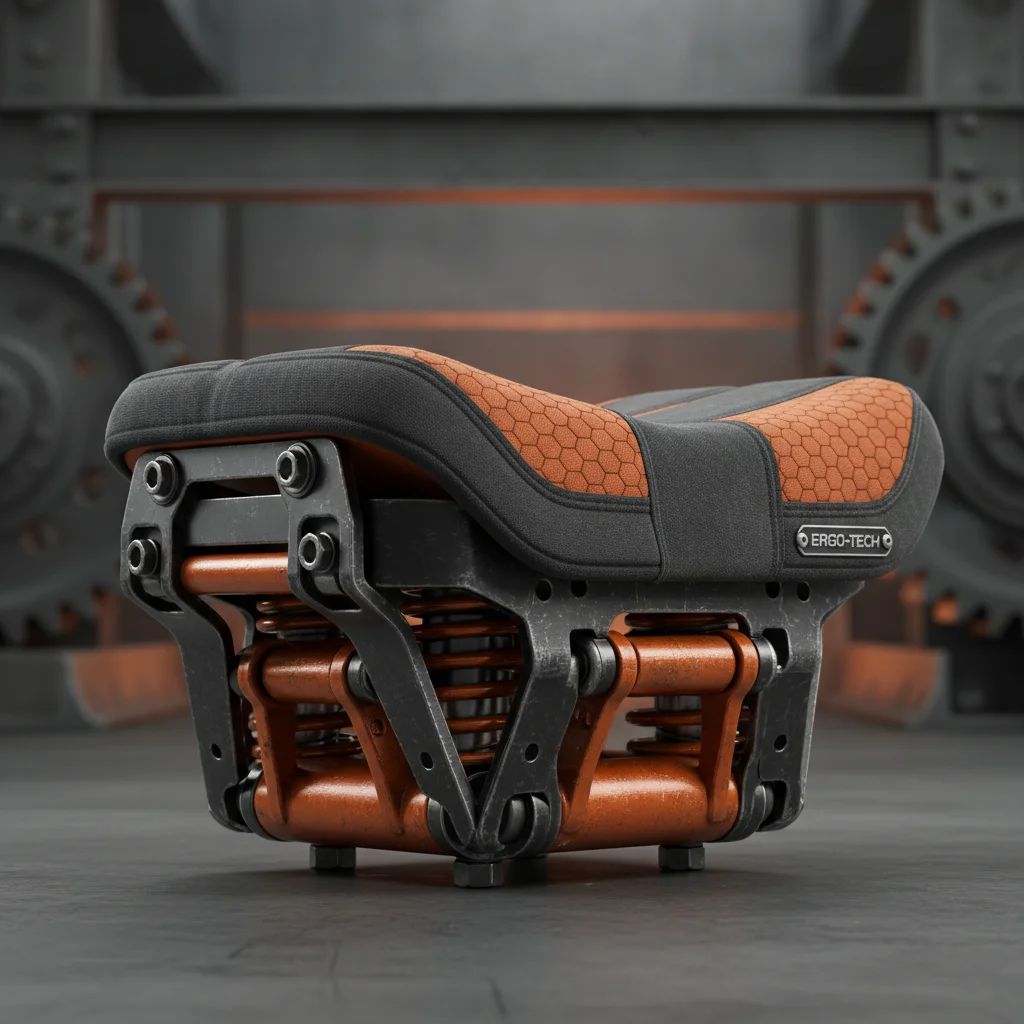
Have you noticed how many chairs just… fall apart after a year? It's not usually a catastrophic failure, just little things - a screw stripped here, a plastic bit cracking there. That’s a waste of money and a pain in the neck for everyone involved. It's also why a lot of companies are now focusing on durability, which is good. Really good. It’s about building something that can take a beating and still keep working.
The whole “ergonomic” thing is a minefield, though. You think you’re doing the right thing by adding a dozen different adjustments, but then you end up with a chair that’s so complicated nobody knows how to use it properly. Simplicity is key, but not at the cost of functionality. It’s a tightrope walk, believe me.
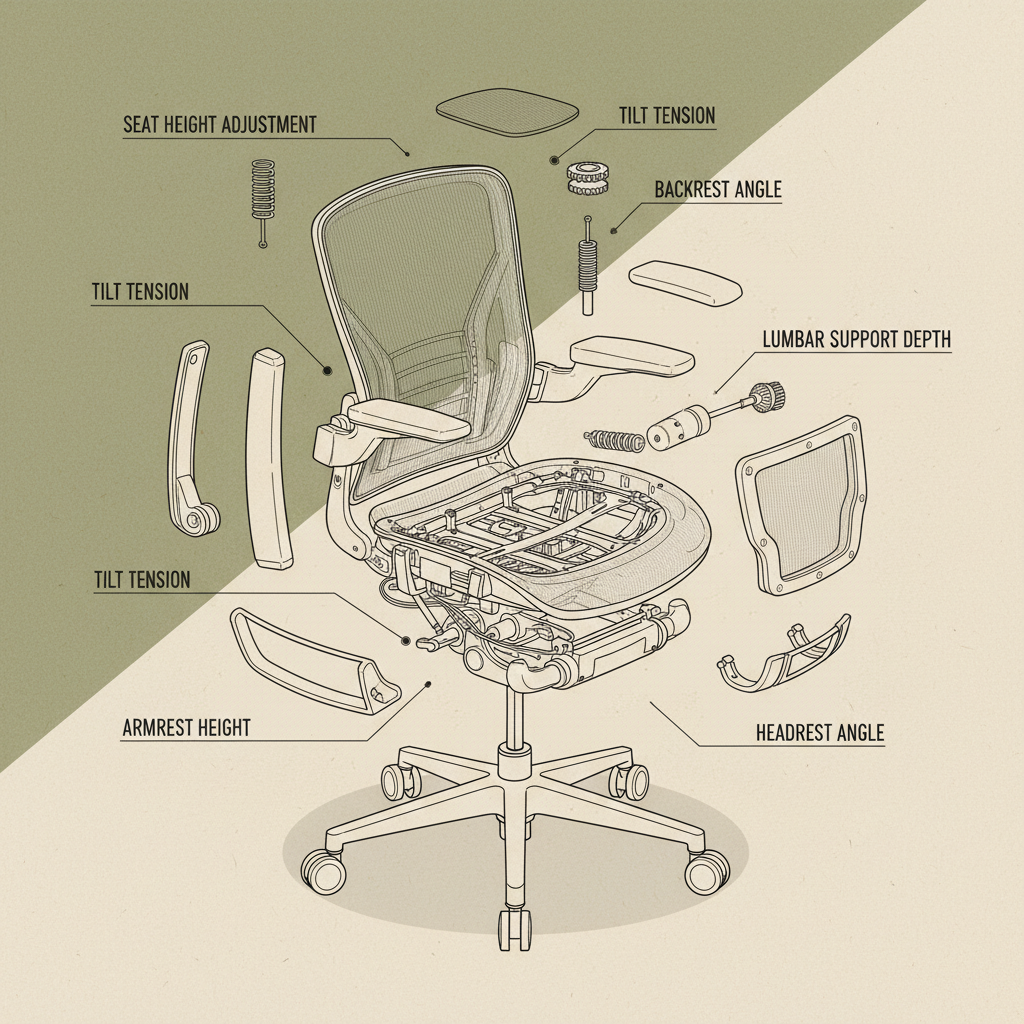

Honestly, the market’s flooded with options. You've got your budget chairs, your mid-range ergonomic chairs, and then the high-end ones that cost more than my first car. Strangely, the biggest trend right now isn’t about adding more features, it’s about sustainability. People want chairs made from recycled materials, with a smaller carbon footprint. That's putting a lot of pressure on manufacturers to rethink their supply chains and production processes.
But it’s not just about being "green." There's a huge push for customization, too. People want chairs that fit *their* bodies, *their* needs, and *their* workspace. Standard sizes just don’t cut it anymore. It's getting complicated, but it’s also opening up a lot of opportunities for innovation.
Honestly? Not considering their body type. People get caught up in the features, but if the chair doesn't *fit* you, it doesn't matter how many adjustments it has. Height, weight, torso length – all of that matters. And they rarely bother to read the weight limits. I've seen some chairs buckle under the strain. It’s about finding a chair that’s the right size and shape for *you*, not just the prettiest one in the showroom.
Super important. It's the one component that's constantly under stress, and a cheap gas lift will fail. You'll start to notice it sinking slowly over time, or getting stuck at certain heights. Look for a gas lift that’s certified to meet certain standards – BIFMA is a good one. And don't be afraid to spend a little extra on a higher-quality gas lift. It'll save you a headache in the long run.
They can be, but it depends on the mesh. Cheap mesh feels like plastic and doesn't breathe well. High-quality mesh, though, is a game-changer. It allows air to circulate, keeping you cool and comfortable, even during long work sessions. But remember, mesh isn’t always the most durable option. It can tear or sag over time, especially if it's exposed to sharp objects.
You should be adjusting it *constantly*. Seriously. Throughout the day, your body changes position, and your needs change. Re-adjust the lumbar support, the armrests, the seat height – whatever you need to do to stay comfortable and maintain good posture. Don't just set it and forget it. It's like tuning an instrument – you need to keep making adjustments to get the best sound.
If you spend a lot of time sitting, absolutely. A good ergonomic chair can prevent back pain, neck pain, and other musculoskeletal problems. It's an investment in your health and well-being. But don't just buy the most expensive chair you can find. Do your research, read reviews, and try it out before you buy it. A chair that fits well and provides adequate support is worth its weight in gold.
At least a 2-year warranty, but 5 years is even better. Make sure the warranty covers all the key components – the frame, the gas lift, the armrests, and the casters. And read the fine print! Some warranties are limited, and they may not cover certain types of damage or wear and tear. A good warranty is a sign that the manufacturer stands behind their product.
So, yeah, adjustable office chairs. It's more than just a seat, it’s about ergonomics, materials, durability, and, ultimately, understanding how people *actually* use them. It’s about finding that sweet spot between comfort, support, and price. We can talk about standards and certifications all day, but those are just guidelines.
Ultimately, whether this thing works or not, the worker will know the moment he tightens the screw. If it feels solid, if it supports his back, if it lets him work without pain, then it's a good chair. And if it doesn’t? Well, back to the drawing board. If you're looking for a reliable adjustable office chair, check out our selection at CD Gaming Furniture.

Ethan is the Marketing Director at Cangzhou Jiujiang, focusing on expanding the brand's presence in North America. With over a decade of experience in outdoor apparel marketing, Ethan leverages his knowledge to promote the company’s PU rainwear, emphasizing its BSCI and GRS certifications.
If you are interested in our products, you can choose to leave your information here, and we will be in touch with you shortly.