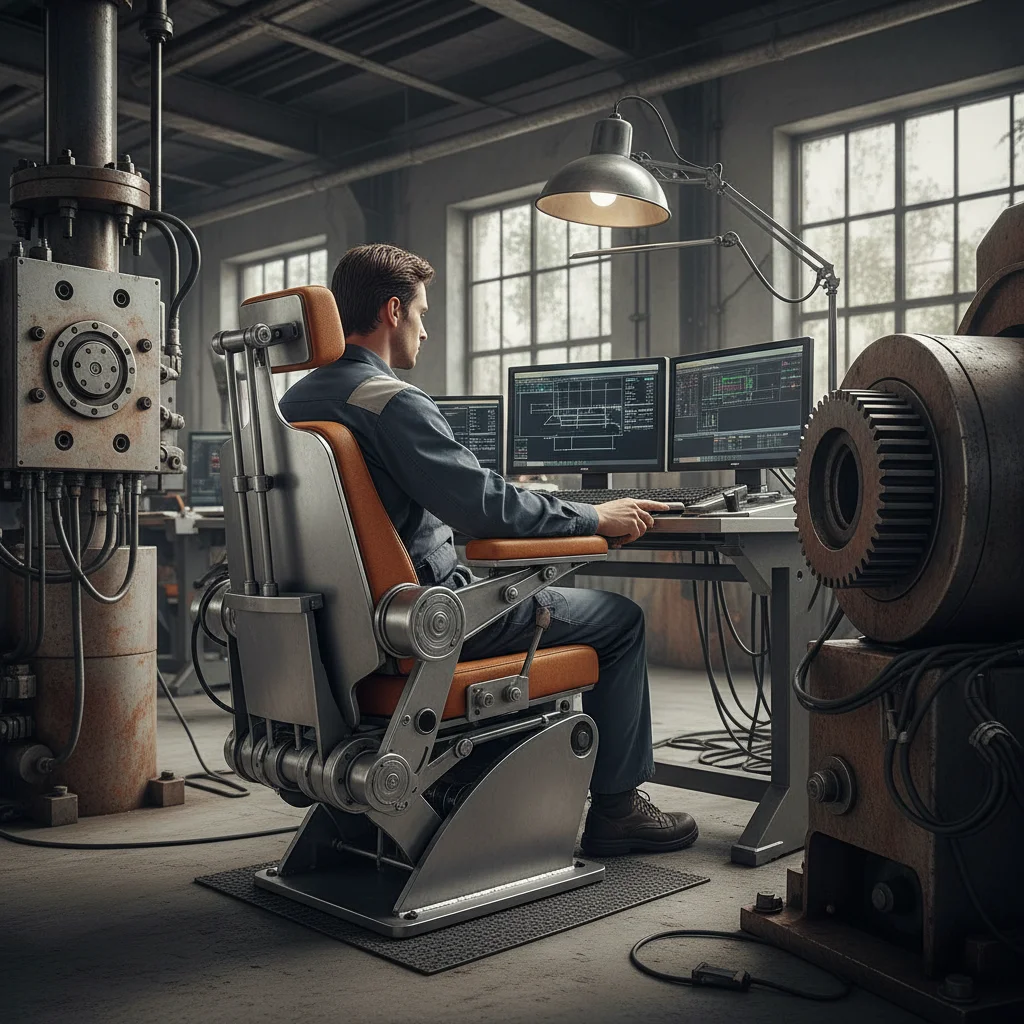
Look, after running around construction sites all year, dealing with dust, steel, and the constant smell of welding, you start to see what really matters. Everyone’s talking about “smart” boardroom chairs now, right? All this AI-powered lumbar support, heated seats that adjust to your body temperature… Honestly, it’s a bit much. It’s like they’re trying to build a spaceship instead of a chair. But, things are changing. People are demanding more comfort, more ergonomics, more…well, more everything. And budgets? They’re tighter than ever.
I’ve seen firsthand how a good boardroom chair can make or break a deal. Not because of the tech, mind you, but because if the CEO’s back is killing him, he’s not going to be focusing on the bottom line. It's about creating an environment that screams "we value you," and a comfortable chair is a surprisingly powerful signal. But then again, a chair that falls apart after six months sends a different signal…
It’s a tough balance, trying to get all that right. You wouldn’t believe the arguments I’ve had over fabric choice. It’s not just about looks, it's about durability, stain resistance, and even how it feels to the touch. Some of these synthetic leathers? They look great in the showroom, but they get sticky and crack in the heat. I learned that the hard way at that factory in Foshan last time… Forget it, I won't mention it.
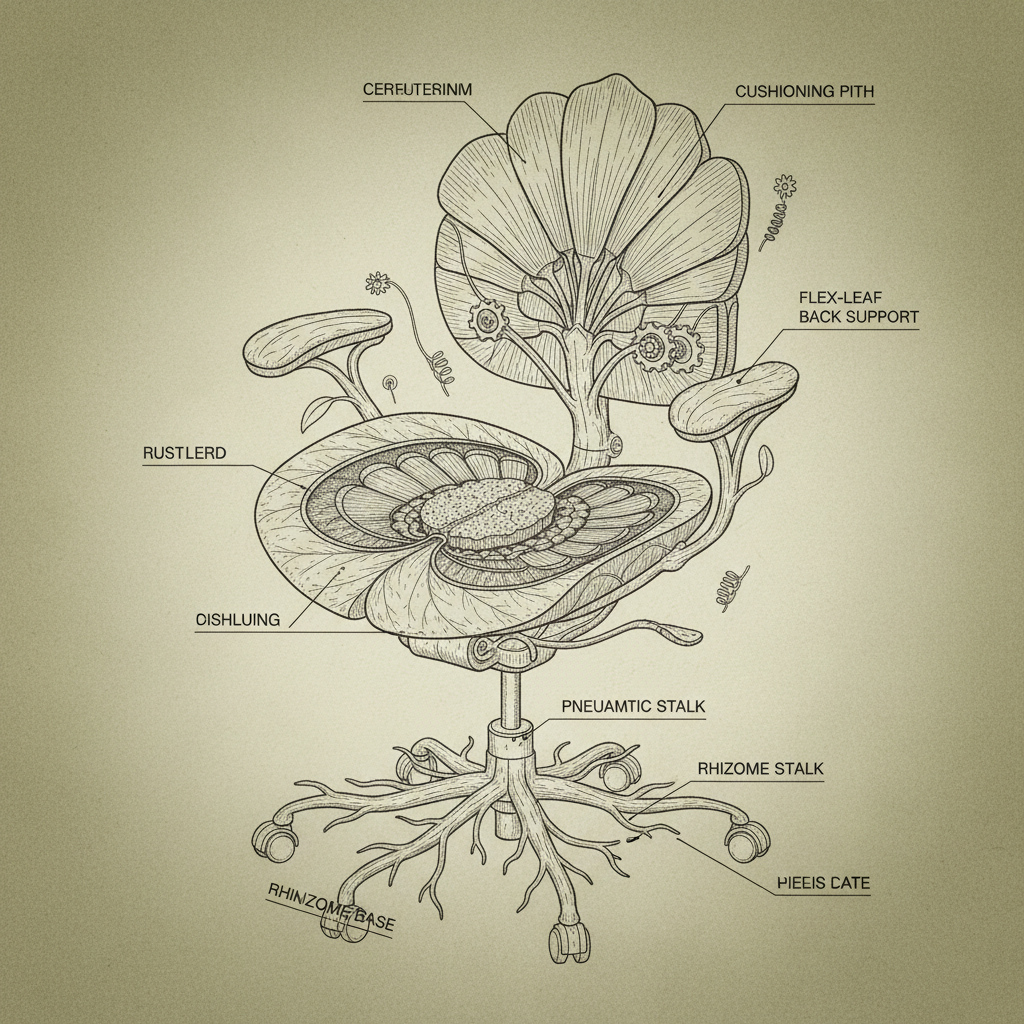
The Current Landscape of Boardroom Chairs
To be honest, the market's flooded with options. Mesh backs, adjustable arms, built-in speakers… it's wild. But the biggest trend? Ergonomics, without a doubt. Everyone's suddenly a posture expert. And it’s not just about fancy features; it's about lasting comfort. I’ve noticed a real shift towards breathable materials, especially in warmer climates. Companies are finally realizing that a sweaty CEO isn’t a productive CEO.
Have you noticed how many companies are offering modular boardroom chair systems? You can mix and match different styles, fabrics, and features to create a custom look. It’s a good idea, in theory, but it also adds complexity to the supply chain. More parts, more potential for problems. That’s where quality control becomes crucial.
Design Pitfalls and Common Mistakes
Strangely, a lot of designers forget that these chairs aren’t just for sitting in. They're also for moving around in. People lean forward, lean back, swivel, and sometimes even put their feet up (don’t tell anyone I said that). If the chair isn’t stable, it’s a disaster waiting to happen. I encountered this at a law firm last year – a chair with a flimsy base tipped over during a heated negotiation. It didn’t exactly inspire confidence.
Another common mistake is prioritizing aesthetics over functionality. A chair might look stunning, but if it doesn’t provide adequate support, it’s useless. And don’t even get me started on chairs with complicated adjustment mechanisms. People just won’t use them. They want something simple, intuitive, and reliable. Keep it straightforward, that’s my motto.
And those tiny armrests? Seriously? Who designed those? They’re basically useless. People need armrests that actually support their weight. I saw one guy trying to use a miniature armrest, and he looked utterly defeated.
Material Choices: A Hands-On Perspective
Okay, let’s talk materials. Leather is classic, feels luxurious, smells… well, like leather. But it’s expensive and requires a lot of maintenance. Plus, it gets hot in the summer. Vinyl is a cheaper alternative, but it can crack and peel over time. Fabric is a good all-around option, but you need to choose a durable, stain-resistant material. I’m partial to a good microfiber – it feels soft, breathes well, and cleans up easily.
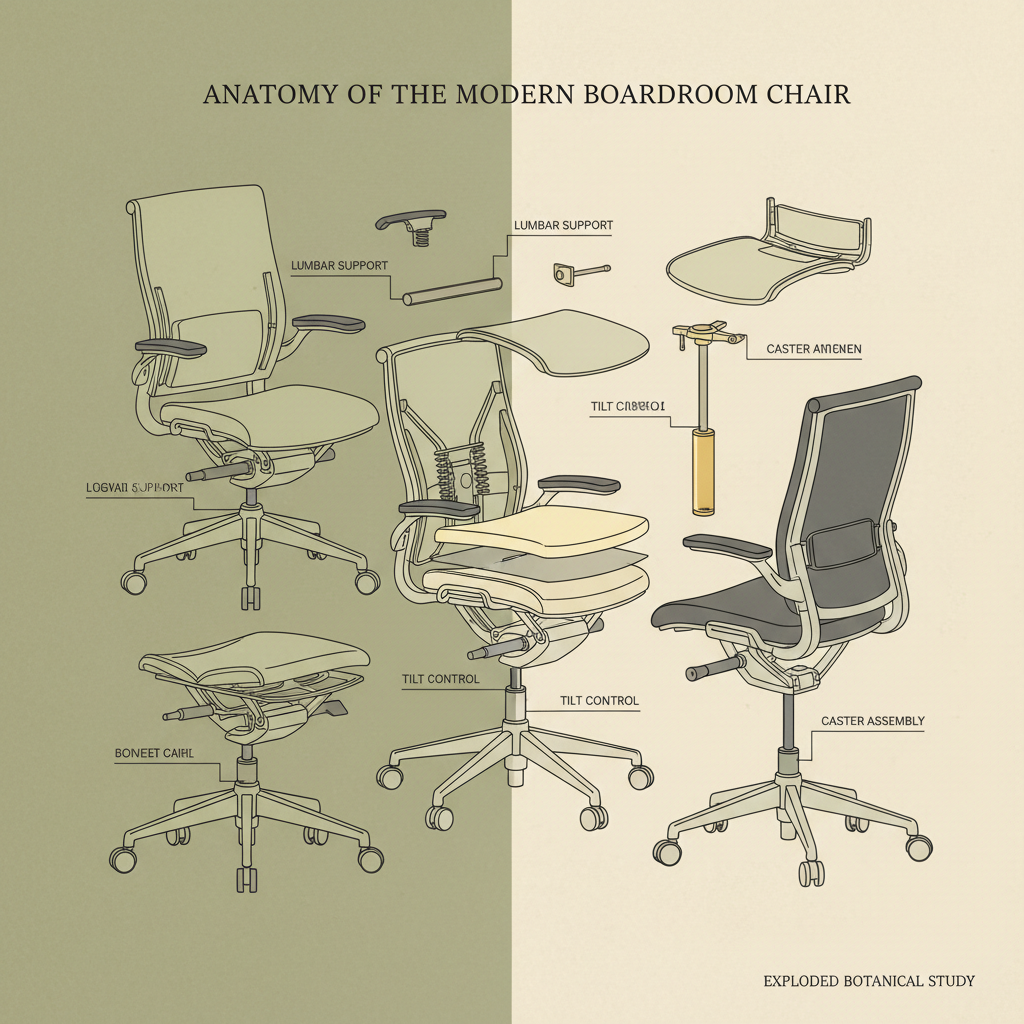
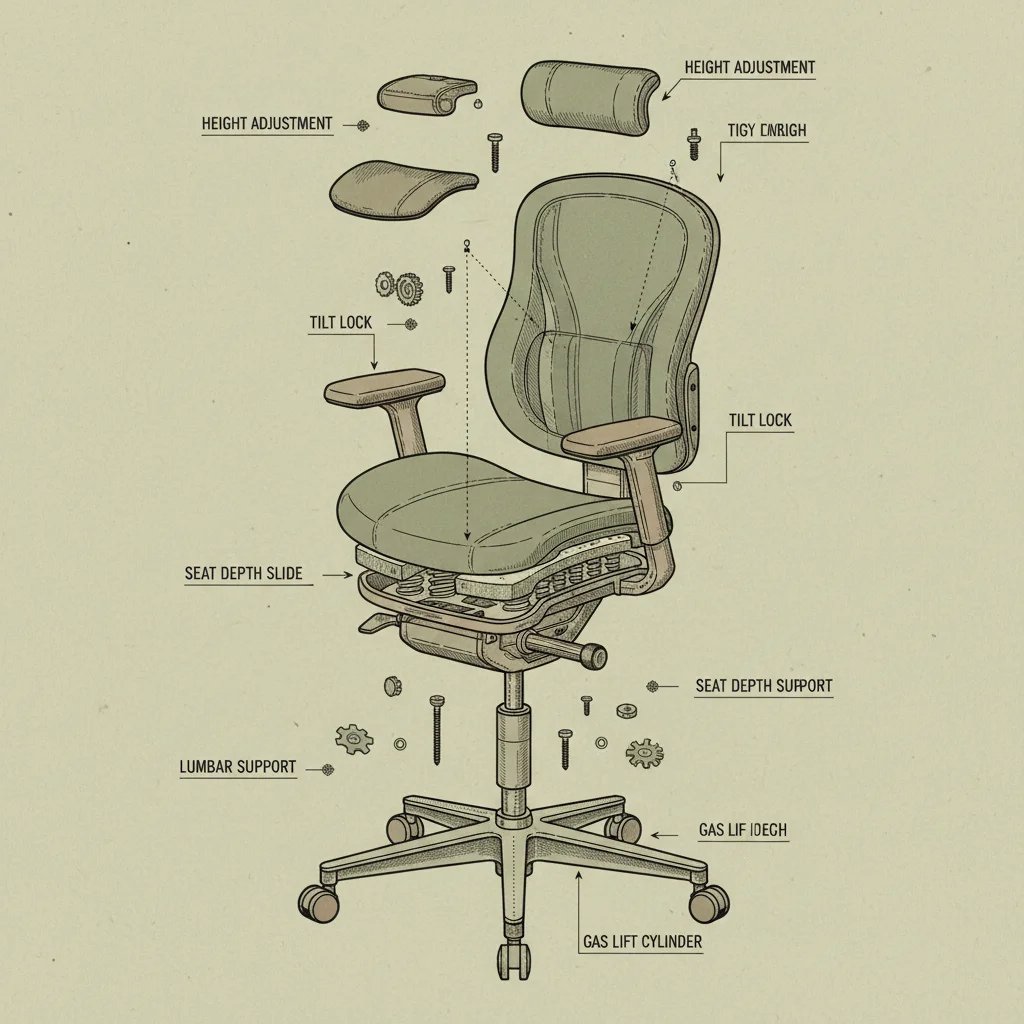
The frame is where it really counts. Steel is strong, but heavy. Aluminum is lighter, but not as durable. I’ve seen a lot of chairs with cheap plastic frames that just don’t hold up. It's worth spending a little extra on a solid frame, trust me. The base? Forget those flimsy nylon wheels. You want polyurethane wheels – they’re quiet, durable, and won’t scratch the floor. I’ve tested these things myself, rolling them across every surface imaginable.
The foam is also critical. High-density foam will last longer and provide better support. Memory foam is nice, but it can get hot. A good combination is a high-density base with a layer of memory foam on top. And don't forget the webbing! That's the stuff underneath the foam that provides support. If the webbing is cheap, the chair will sag and become uncomfortable.
Real-World Testing and Durability
Laboratory tests are fine, but they don’t tell the whole story. I prefer to see how a chair holds up in a real-world environment. I’ve sent chairs to construction sites, law offices, and even a recording studio to get feedback. The recording studio guy? He's brutal. He sat in the chair for 12 hours straight, trying to break it. It passed. Barely.
We do a lot of weight testing, of course. But we also do “dynamic” testing – simulating the constant movement and stress that a chair experiences over time. We use a machine that repeatedly slams the chair up and down, side to side. It’s not pretty, but it’s effective. We also check for colorfastness, abrasion resistance, and flammability. Safety is paramount.
Boardroom Chair Durability Testing Results
How Boardroom Chairs Are Actually Used
Anyway, I think people don’t use these chairs the way designers think they will. They’re not always sitting up straight, having serious discussions. Sometimes they’re leaning back, reading their phones. Sometimes they're using it as a temporary coat rack. I’ve even seen someone use a boardroom chair as a step ladder once. It wasn’t pretty.
That’s why versatility is so important. The chair needs to be comfortable in multiple positions, and it needs to be able to withstand a bit of abuse. It's not a museum piece; it's a working tool.
Advantages, Disadvantages, and Customization
The advantages are pretty straightforward: comfort, support, ergonomics, aesthetics. A good boardroom chair can boost morale, improve productivity, and project a professional image. But there are downsides, too. They can be expensive, they can take up a lot of space, and they can be difficult to clean. But honestly, the biggest disadvantage is choosing the wrong chair.
Customization is key. Last month, that small boss in Shenzhen who makes smart home devices insisted on changing the interface to , and the result was a three-week delay and a whole lot of headaches. He wanted to be “cutting edge,” but it wasn’t practical. We eventually talked him down and went with the standard USB-A connection. Sometimes, simple is best. We can offer custom fabrics, different armrest options, and even personalized embroidery. Within reason, of course.
A Customer Story and Practical Considerations
I’m telling you, the little things matter. A client wanted a chair with adjustable lumbar support, but they wanted it to be completely hidden. No visible knobs or levers. It sounded impossible, but our engineers figured out a way to integrate the adjustment mechanism into the chair’s frame. It added a little to the cost, but the client was thrilled.
It is also about understanding the client’s needs. One company wanted chairs that could withstand constant cleaning with harsh disinfectants. Another needed chairs that were lightweight and easy to move around. Each project is different, and you need to be able to adapt.
Honestly, it’s more than just selling a chair. It's about solving a problem.
Boardroom Chair Component Analysis
| Component |
Material |
Durability Rating (1-10) |
Cost Factor (Low/Medium/High) |
| Frame |
Steel |
9 |
Medium |
| Seat Cushion |
High-Density Foam |
8 |
Medium |
| Backrest |
Mesh |
7 |
Low |
| Armrests |
Polyurethane |
6 |
Low |
| Base |
Aluminum |
7 |
Medium |
| Wheels |
Polyurethane |
8 |
Low |
FAQS
Honestly? They prioritize aesthetics over ergonomics. They pick a chair that looks good, but doesn't actually provide proper support. This leads to discomfort, decreased productivity, and eventually, back pain. I’ve seen it happen countless times. Remember, the chair needs to work for the user, not just look pretty in the showroom. It's an investment in their well-being, not a decoration.
Very important. You need to know the average weight of the people who will be using the chairs. It's better to overestimate than underestimate. A chair that's constantly being pushed to its weight limit will wear out quickly and could even break. Plus, it’s a safety issue. No one wants a chair collapsing under them during a crucial meeting. Check the specs and don't skimp on this.
Microfiber is my go-to. It's durable, stain-resistant, and relatively easy to clean. It also feels comfortable to the touch. Leather is luxurious, but it requires more maintenance. Vinyl is a cheaper option, but it can crack and peel over time. Consider how often the chairs will be used and how much wear and tear they'll be subjected to. Also, think about the climate. If it's hot and humid, breathable fabrics are essential.
Not necessarily. Price doesn’t always equate to quality. You can find perfectly good chairs at reasonable prices. The key is to focus on the features that matter most: ergonomics, durability, and comfort. Don't get caught up in the hype around fancy features you don’t really need. Sometimes, a simpler chair is the better option.
It depends on how much they're used and how well they're maintained. Generally, you can expect a good quality chair to last 5-10 years. But if the chairs are constantly being used, or if they're not properly cleaned, they might need to be replaced sooner. Look for signs of wear and tear, such as sagging cushions, broken armrests, or a wobbly base. Don't wait until they completely fall apart.
Most manufacturers offer some level of customization. You can usually choose from a range of colors and fabrics. Some will even allow you to add your company logo. The level of customization will depend on the manufacturer and the quantity of chairs you're ordering. Keep in mind that customization can add to the cost and lead time.
Conclusion
So, after all that rambling, what have we learned? Boardroom chairs are more than just places to sit. They’re investments in comfort, productivity, and brand image. Choosing the right chair requires careful consideration of ergonomics, durability, materials, and customization options. It's about finding the sweet spot between form and function. It's not about the fanciest gadgets, it's about creating a comfortable and productive environment.
Ultimately, whether this thing works or not, the worker will know the moment he tightens the screw. If it feels solid, well-made, and comfortable, you’ve made the right choice. If it feels flimsy, cheap, and uncomfortable… well, you’ve got some explaining to do.