The modern work environment, and increasingly, home life, demands adaptability and comfort. A comfy adjustable chair isn’t just a luxury; it's an investment in wellbeing, productivity, and long-term health. This extends beyond individual benefits, impacting everything from workplace morale to the ability to focus on tasks for extended periods. The need for ergonomic solutions is growing exponentially, driven by a more mobile and remote workforce.
Globally, the prevalence of sedentary lifestyles and related health issues like back pain, carpal tunnel syndrome, and poor posture are on the rise. The World Health Organization estimates that physical inactivity is a leading risk factor for noncommunicable diseases. A comfy adjustable chair actively combats these issues by promoting correct posture and encouraging movement throughout the day.
The demand for ergonomic seating is no longer limited to corporate offices. From gaming enthusiasts to students, artists to remote workers, individuals across diverse sectors are recognizing the value of a chair that supports their specific needs and enhances their overall comfort. The evolution of chair design reflects this widespread awareness and the desire for personalized comfort solutions, especially in regards to a comfy adjustable chair.

The Core Principles of comfy adjustable chair
At the heart of every great comfy adjustable chair lies a commitment to ergonomic principles. These principles prioritize the human body, seeking to minimize strain and maximize support during prolonged periods of sitting. This isn't simply about aesthetics; it's about creating a seating experience that actively promotes health and wellbeing.
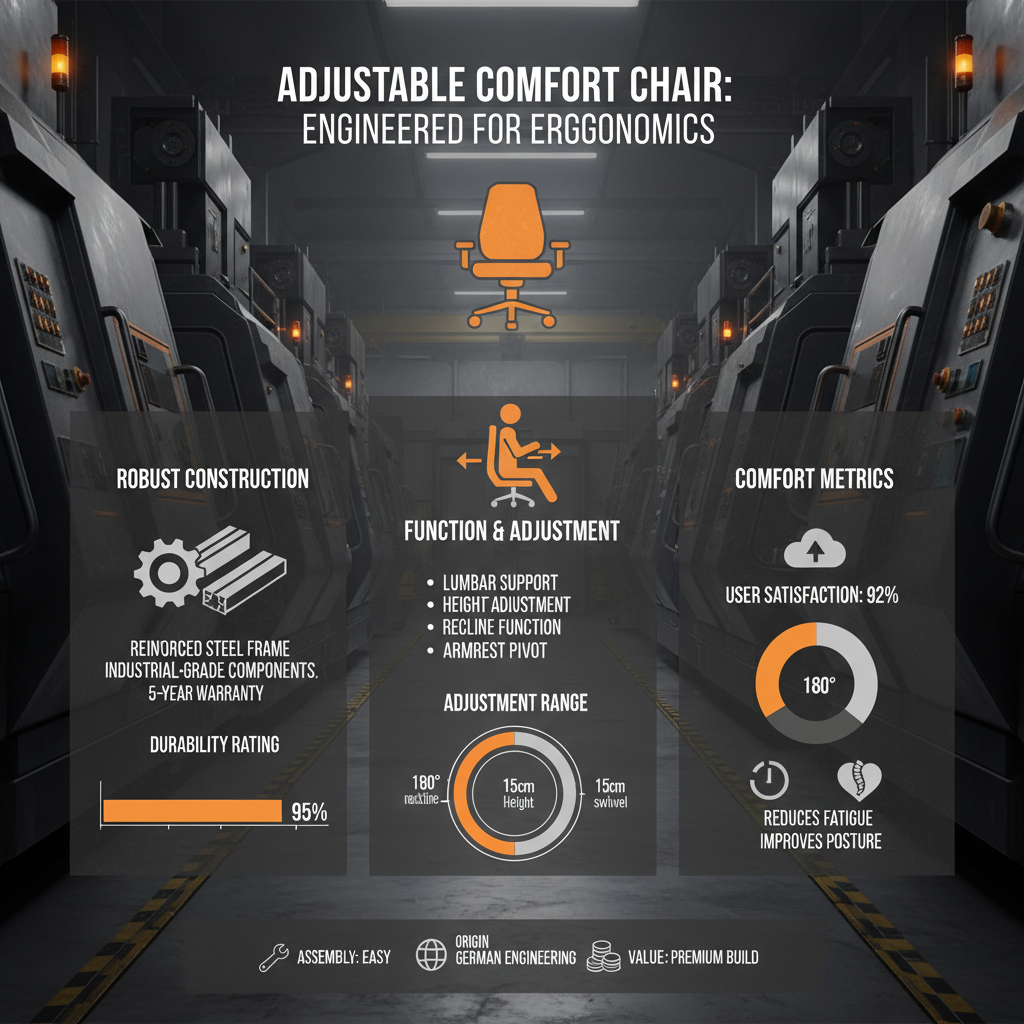
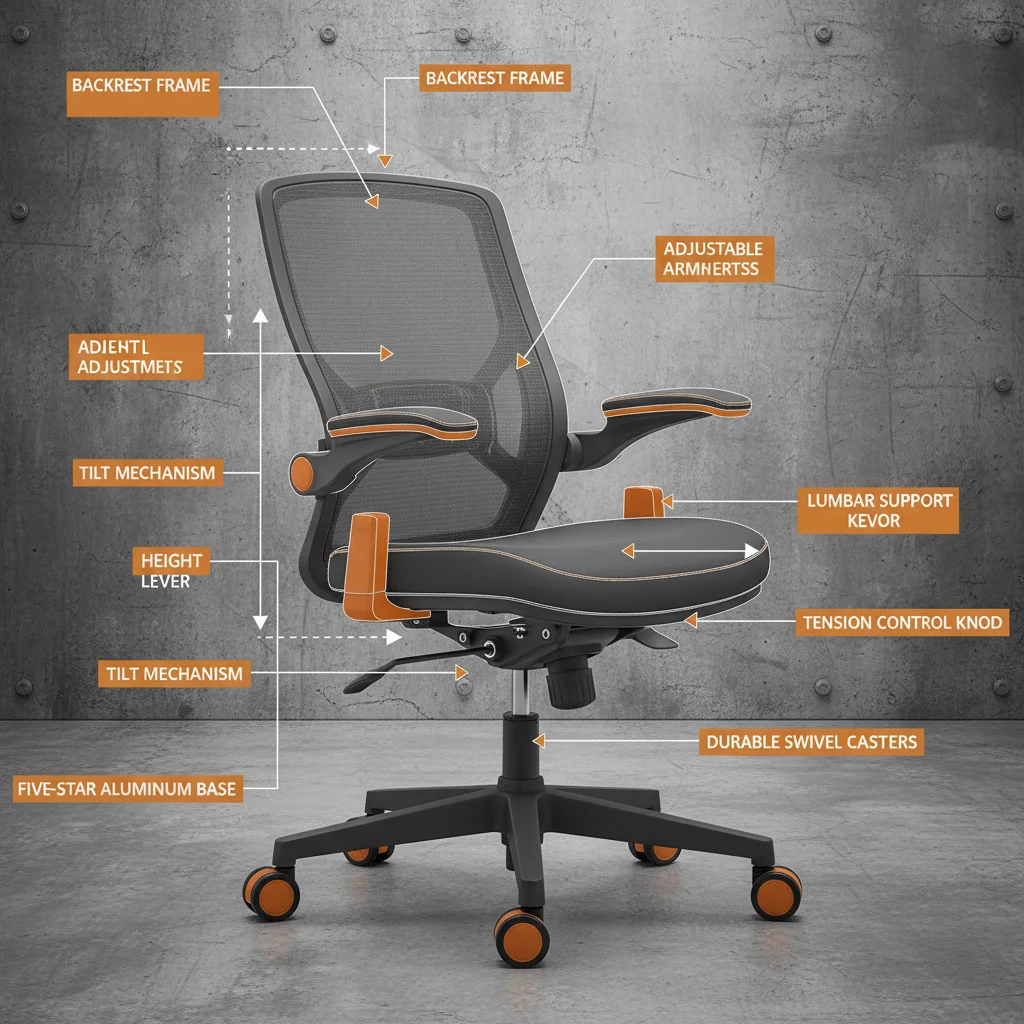
The most crucial element is adjustability. A truly comfortable chair adapts to you, not the other way around. Height, armrests, lumbar support, and seat depth all need to be customizable to ensure proper alignment and reduce pressure points. Without this adaptability, even the most seemingly luxurious chair can contribute to discomfort and long-term health issues.
The Global Impact of comfy adjustable chair
The need for comfy adjustable chair solutions is a global one, impacting diverse populations and work environments. The rising number of remote workers, accelerated by recent global events, has dramatically increased demand for home office ergonomics. This shift emphasizes the need for individuals to take control of their workspace and prioritize their physical health.
In developing nations, access to ergonomic seating is often limited, particularly in industries with physically demanding jobs. Investing in proper seating can significantly reduce work-related injuries and improve worker productivity. Organizations like the International Labour Organization (ILO) advocate for workplace safety standards that include ergonomic considerations, further highlighting the global importance of comfortable and adjustable seating.
Furthermore, the aging population worldwide necessitates seating solutions that address age-related physical limitations. Comfy adjustable chair designs that prioritize ease of use, lumbar support, and pressure relief are crucial for maintaining the independence and quality of life for older adults.
Defining a comfy adjustable chair
A comfy adjustable chair is more than just a seat; it's a dynamic support system designed to conform to the individual. It’s defined by its ability to be customized to various body types and work styles, actively promoting good posture and reducing the risk of musculoskeletal disorders. Key features include adjustable height, armrests, lumbar support, seat depth, and tilt tension.
Its connection to modern industry lies in its direct impact on productivity and employee wellbeing. Companies are increasingly recognizing that investing in ergonomic seating is a worthwhile investment, leading to fewer sick days, increased focus, and a more engaged workforce. The humanitarian aspect stems from its potential to improve the quality of life for individuals with physical limitations or chronic pain.
The evolution of the comfy adjustable chair is driven by advancements in materials science and a deeper understanding of biomechanics. From traditional mesh and fabric options to innovative foam technologies and breathable materials, the design constantly seeks to optimize comfort and support.
Key Factors in comfy adjustable chair Design
Several core aspects determine the quality and effectiveness of a comfy adjustable chair. These include durability, adjustability, material quality, ergonomic support, and breathability.
Durability refers to the chair's ability to withstand prolonged use and maintain its structural integrity. Adjustability is paramount, allowing users to personalize the chair to their unique needs. High-quality materials contribute to both durability and comfort, ensuring long-lasting support. Ergonomic support features, such as lumbar support and adjustable armrests, are essential for promoting good posture. Finally, breathability helps regulate temperature and prevent discomfort during extended periods of sitting.
Performance Metrics of comfy adjustable chair Features
Applications of comfy adjustable chair Across Industries
Comfy adjustable chair are invaluable across a wide spectrum of industries. In the corporate world, they contribute to employee wellbeing and productivity, reducing absenteeism and boosting morale. Gaming and esports rely heavily on ergonomic seating to support players during long training sessions and competitions.
Healthcare professionals, who spend extended hours on their feet or seated, benefit greatly from adjustable chairs that provide crucial lumbar support and reduce strain. In creative fields, such as graphic design and video editing, comfy adjustable chair support sustained focus and prevent discomfort during lengthy projects.
The Advantages of Investing in a comfy adjustable chair
The benefits of choosing a comfy adjustable chair extend far beyond initial comfort. Tangible advantages include reduced healthcare costs associated with musculoskeletal disorders, improved employee productivity, and enhanced overall wellbeing. Investing in quality seating demonstrates a commitment to employee health and creates a more positive work environment.
From a sustainability standpoint, a durable comfy adjustable chair reduces the need for frequent replacements, minimizing waste. The psychological benefits of feeling supported and comfortable contribute to increased job satisfaction and a stronger sense of value within the workplace.
Future Trends and Innovations in comfy adjustable chair
The future of comfy adjustable chair is poised for significant innovation. We’re seeing the integration of smart technologies, such as sensors that monitor posture and provide real-time feedback. Advanced materials, like self-adjusting foam and bio-based plastics, are also gaining traction.
Personalization will become even more sophisticated, with chairs that dynamically adapt to individual body movements and preferences. Sustainability will remain a key focus, driving the development of chairs made from recycled materials and designed for easy disassembly and component reuse.
The convergence of ergonomics and artificial intelligence promises to deliver seating solutions that proactively address individual needs, promoting optimal comfort and wellbeing throughout the workday.
Summary of Key Trends in comfy adjustable chair Development
| Trend Category |
Technological Advancement |
Impact on User Experience |
Sustainability Considerations |
| Smart Ergonomics |
Posture Sensors & AI Feedback |
Real-time adjustments, personalized support |
Reduced energy consumption with optimized adjustments |
| Advanced Materials |
Self-Adjusting Foam, Bio-Based Plastics |
Enhanced comfort, reduced pressure points |
Lower carbon footprint, renewable resources |
| Personalized Customization |
Dynamic Shape Adaptation |
Chairs that mold to individual body types |
Reduced waste through tailored design |
| Modular Design |
Interchangeable Components |
Easy repair and upgrades |
Extended product lifespan, reduced landfill waste |
| Integrated Wellness Features |
Heat & Massage Functions |
Enhanced relaxation and stress relief |
Potential for energy-efficient operation |
| Connectivity & Data Analytics |
Bluetooth & App Integration |
Tracking sitting habits and personalized recommendations |
Insights for optimizing ergonomic setups |
FAQS
The most effective comfy adjustable chair offers a comprehensive range of adjustments, including seat height, seat depth, backrest angle, lumbar support height and depth, and armrest height, width, and pivot. These adjustments allow users to fine-tune the chair to their specific body dimensions and postural needs, minimizing strain and maximizing comfort. The goal is to achieve proper alignment and support throughout the entire spine.
Determining the correct chair size involves considering your height, weight, and body proportions. Seat height should be adjustable so your feet can rest flat on the floor with your knees at a 90-degree angle. Seat depth should allow for 2-4 inches of space between the back of your knees and the seat edge. Backrest height should support the natural curve of your spine. Manufacturers often provide sizing guides to help you choose the appropriate chair.
Common materials include mesh, fabric, leather, and polyurethane foam. Mesh offers excellent breathability but may not provide as much cushioning as fabric. Fabric is comfortable and affordable but can be prone to staining. Leather is durable and luxurious but can be expensive and less breathable. Polyurethane foam provides good cushioning and support but can vary in density and quality. The ideal material depends on your preferences and budget.
Adjustments should be made whenever you feel discomfort or notice changes in your posture. It's recommended to make small adjustments throughout the day to maintain optimal support and prevent fatigue. Experiment with different settings to find what works best for you. Regular micro-adjustments are more beneficial than infrequent, large adjustments.
A high-quality comfy adjustable chair, with proper care, can last for 5-10 years or even longer. Factors that affect lifespan include the quality of materials, the frequency of use, and the weight capacity of the chair. Regular maintenance, such as cleaning and tightening screws, can help extend its lifespan.
Prioritize features like adjustable lumbar support, which provides crucial support for the lower back, and adjustable armrests, which help reduce strain on your shoulders and neck. A synchro-tilt mechanism, which allows the seat and backrest to move in a coordinated manner, can also enhance comfort. Look for chairs with a high backrest that supports the entire spine and a waterfall seat edge to reduce pressure on your legs.
Conclusion
In conclusion, a comfy adjustable chair represents more than just a seating solution; it’s an investment in health, productivity, and overall wellbeing. From its core ergonomic principles to its diverse applications across industries and its potential for future innovation, the importance of adaptable and supportive seating is undeniable. Embracing these principles can lead to reduced healthcare costs, improved employee morale, and a higher quality of life.
Looking ahead, the continued development of smart technologies and sustainable materials promises even more advanced and personalized comfy adjustable chair options. By prioritizing ergonomic design and investing in quality seating, individuals and organizations can create workspaces that promote comfort, health, and optimal performance. Visit our website today to find the perfect chair for your needs: www.cdgamingfurniture.com.