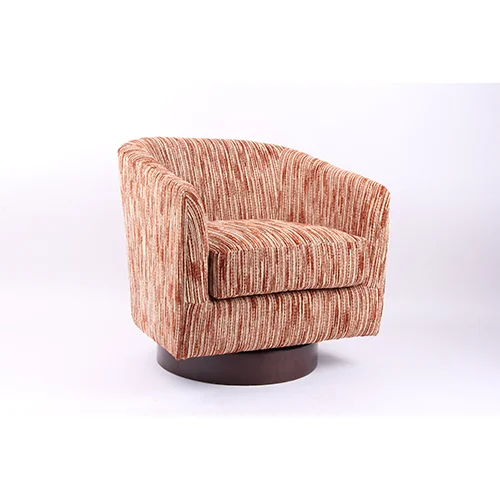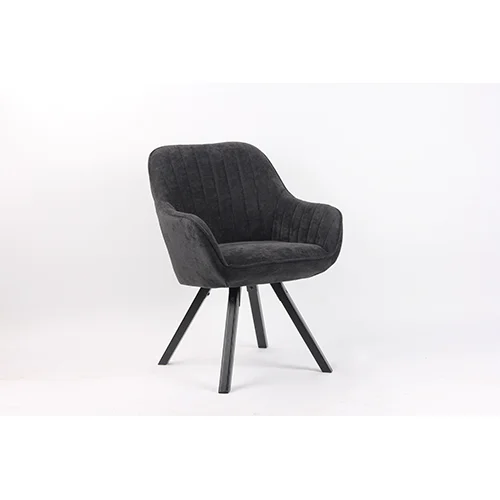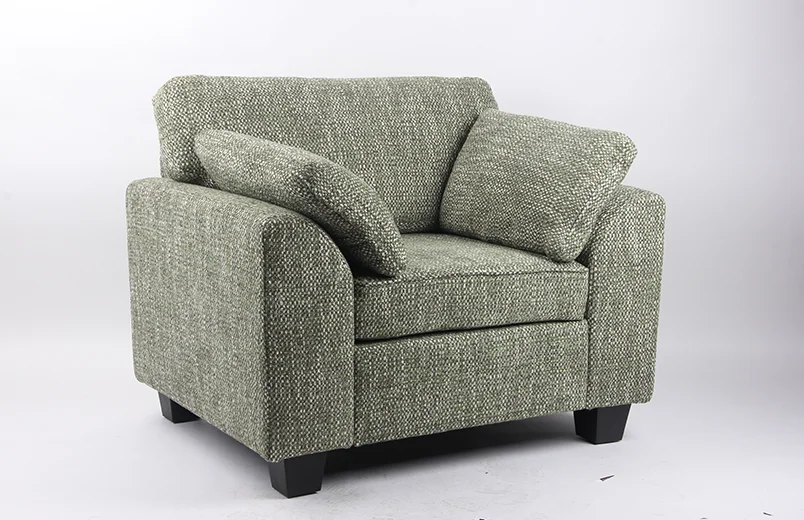
In today’s professional environments, seating is no longer a secondary consideration. A well-designed office chair directly impacts posture, productivity, and long-term health. Whether employees spend hours at individual desks or collaborate in shared spaces, the chair they use shapes how they feel and perform throughout the workday.
From daily desk tasks to formal meetings, understanding how different chair features function helps organizations and individuals create more supportive work environments. Choosing the right office chair at work is not just about style—it’s about ergonomics, adaptability, and smart design.
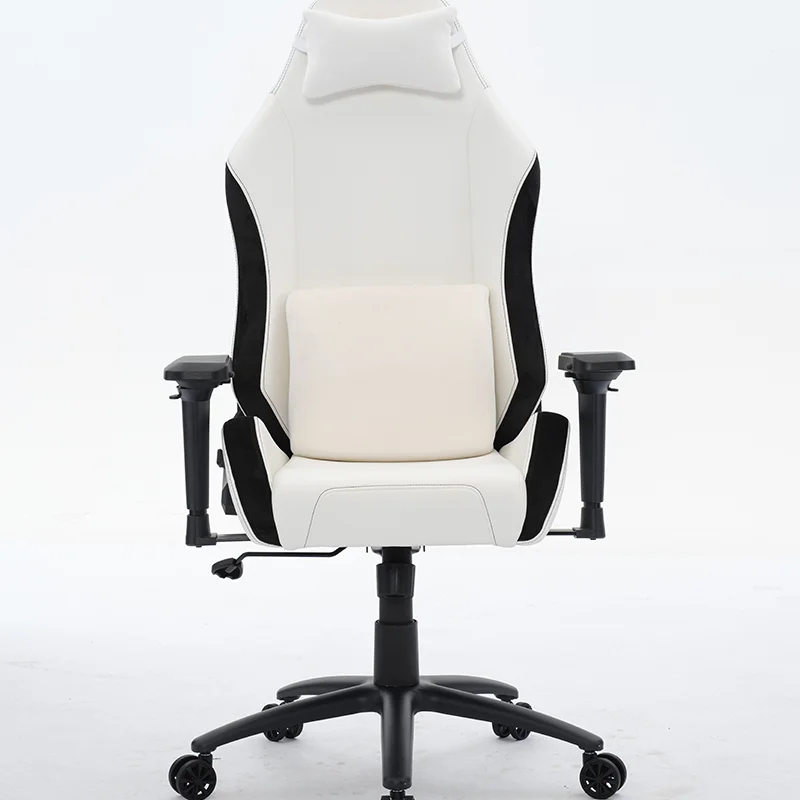
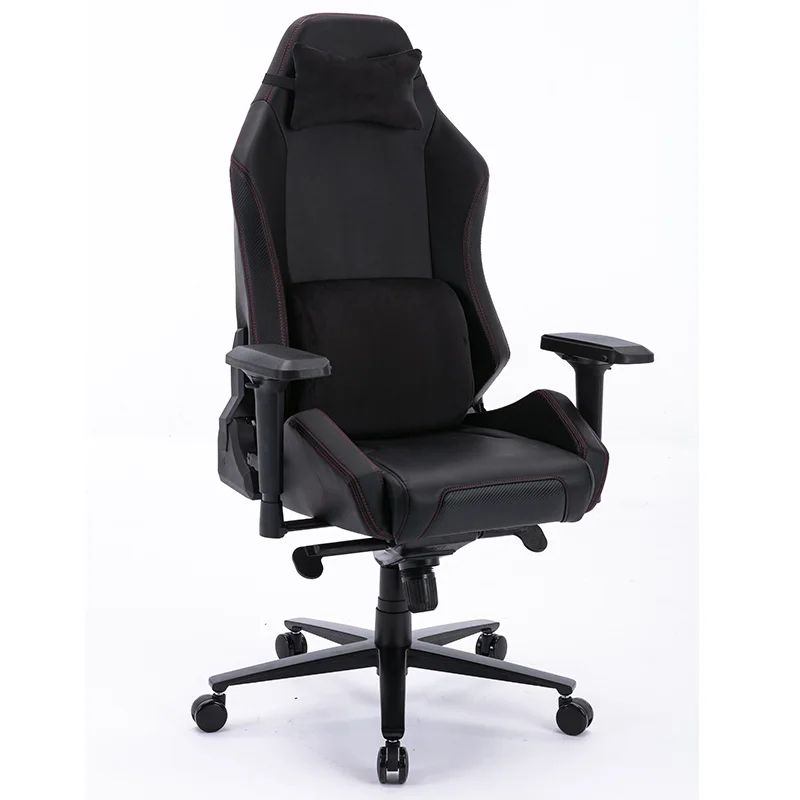
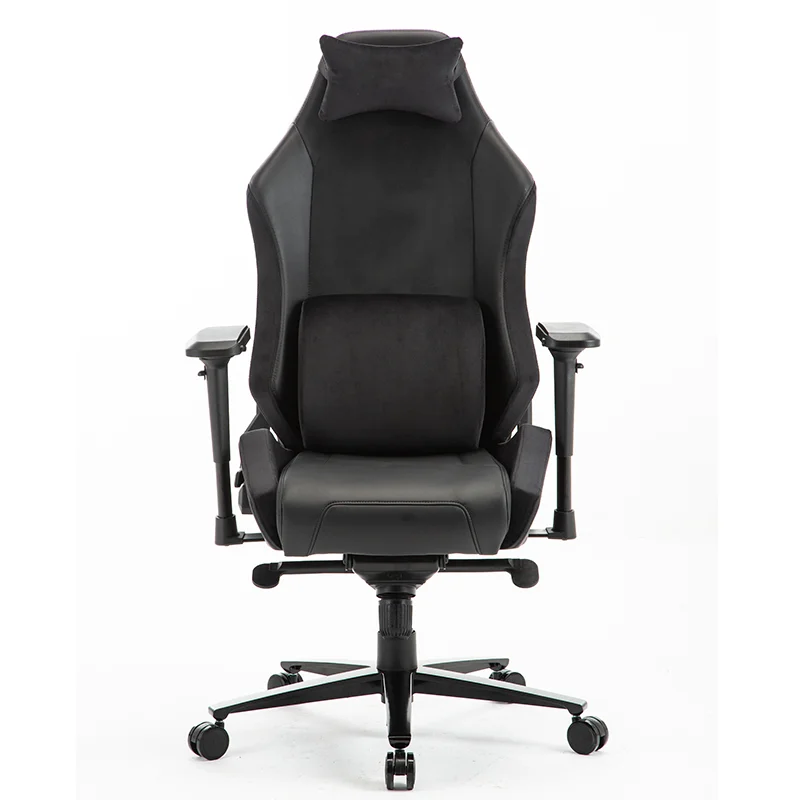
A high-quality office chair is built to support the body’s natural movement and alignment. One of the most important elements is the seat structure. The office chair seat pan forms the foundation of sitting comfort, supporting the hips and thighs while promoting proper circulation. A well-designed seat pan should distribute weight evenly and allow the user’s feet to rest flat on the floor.
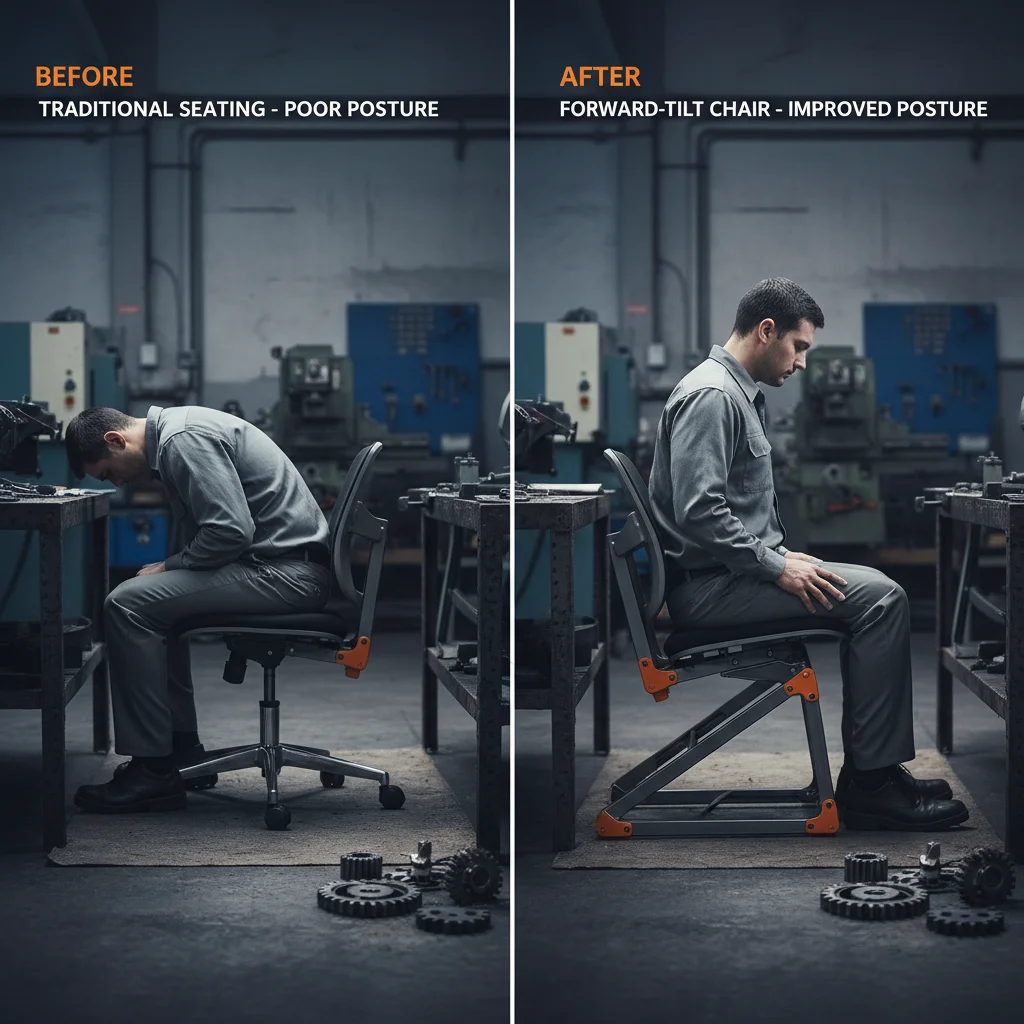
Closely related is the office chair seat angle, which determines how the pelvis tilts while seated. When adjustable, this feature helps reduce pressure on the lower back and encourages a more upright posture. Small adjustments to seat angle can make a significant difference during long working hours.
Reclining functionality also plays a major role in comfort. An office chair recline lock allows users to secure the backrest at a preferred angle, providing stability while still supporting natural movement. This feature is especially valuable for tasks that require focused concentration or extended screen time.
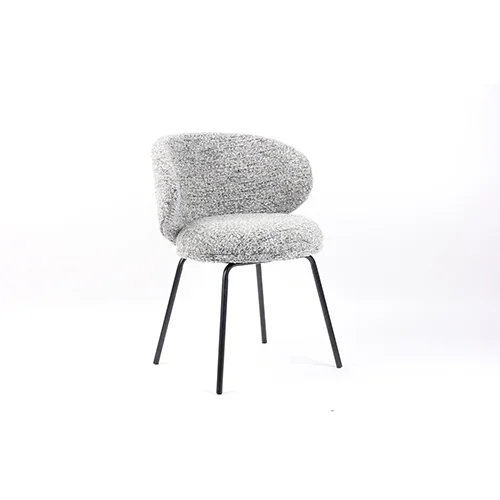
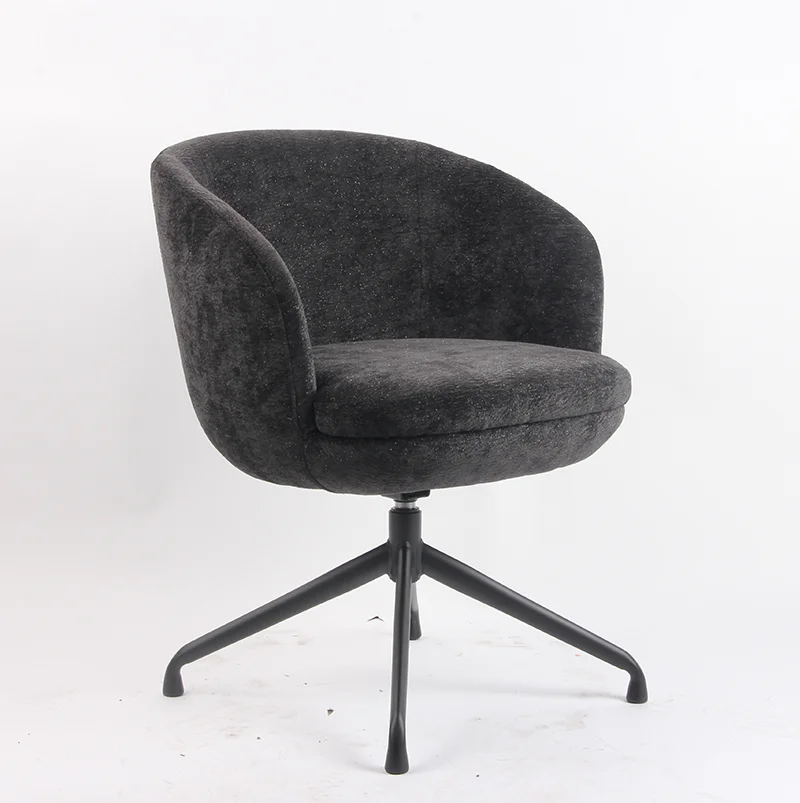
Material choice is another factor shaping the sitting experience. The office chair boucle style has gained popularity in modern offices for its soft texture and refined appearance. While boucle fabric adds visual warmth and comfort, it must be paired with proper ergonomic support to remain suitable for professional use.
It is equally important to choose a chair that fits the user’s body size and workspace. An office chair too big can cause just as many issues as one that is too small, leading to improper posture, limited mobility, and discomfort. Proper proportions ensure that armrests, seat depth, and back height work together harmoniously.
By focusing on these ergonomic elements, businesses can ensure that their office chair at work supports both physical well-being and productivity.
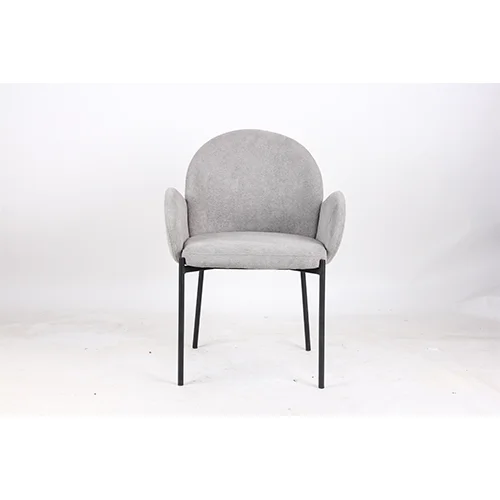
Different work environments require different seating solutions. While task chairs support individual focus, collaborative spaces rely on thoughtfully designed office meeting chairs that balance comfort, mobility, and professionalism.
In meeting rooms, chairs are often used for shorter periods, but comfort still matters. Poor seating can distract participants and reduce engagement. High-quality office meeting chairs should provide adequate back support, stable seat pans, and appropriate seat height to accommodate various users.
At individual workstations, adjustability becomes even more critical. Employees often spend several consecutive hours seated, making features like office chair seat angle adjustment and recline mechanisms essential. An ergonomic office chair helps reduce fatigue and supports sustained focus throughout the day.
Aesthetic considerations also play a growing role in modern offices. Designs such as the office chair boucle blend functionality with contemporary style, making them suitable for executive offices, creative studios, or client-facing areas. However, visual appeal should never compromise ergonomic integrity.
Another common challenge is selecting chairs that suit a wide range of users. When a chair is perceived as an office chair too big, it may overwhelm smaller users and limit proper support. Adjustable components and scalable designs help ensure inclusivity in shared workspaces.
Ultimately, whether selecting chairs for desks or conference rooms, aligning comfort, function, and design ensures that seating enhances the overall workplace experience rather than detracting from it.
A well-chosen office chair is a foundational element of any productive workspace. From ergonomic features like the office chair seat pan and office chair seat angle to functional elements such as an office chair recline lock, every detail contributes to comfort and performance.
Understanding how seating affects posture and focus helps prevent common problems, including discomfort caused by an office chair too big or poorly adjusted components. Whether used as an office chair at work for daily tasks or as part of a set of office meeting chairs, the right seating solution supports efficiency, engagement, and well-being.
By investing in thoughtfully designed office chairs, organizations and individuals alike can create healthier, more comfortable, and more effective working environments.
An office chair suitable for long hours should include adjustable seat height, supportive backrest, a well-designed office chair seat pan, and flexible recline options.
The office chair seat angle helps control pelvic positioning, which reduces lower back strain and improves overall sitting posture.
An office chair recline lock allows users to fix the backrest at a comfortable angle, providing stability and reducing muscle fatigue during focused tasks.
An office chair boucle can be practical if it combines soft upholstery with proper ergonomic support and durable construction.
An office chair too big may cause your feet to lift off the floor, limit arm movement, or prevent proper back support, indicating that a smaller or adjustable model would be more suitable.


If you are interested in our products, you can choose to leave your information here, and we will be in touch with you shortly.