
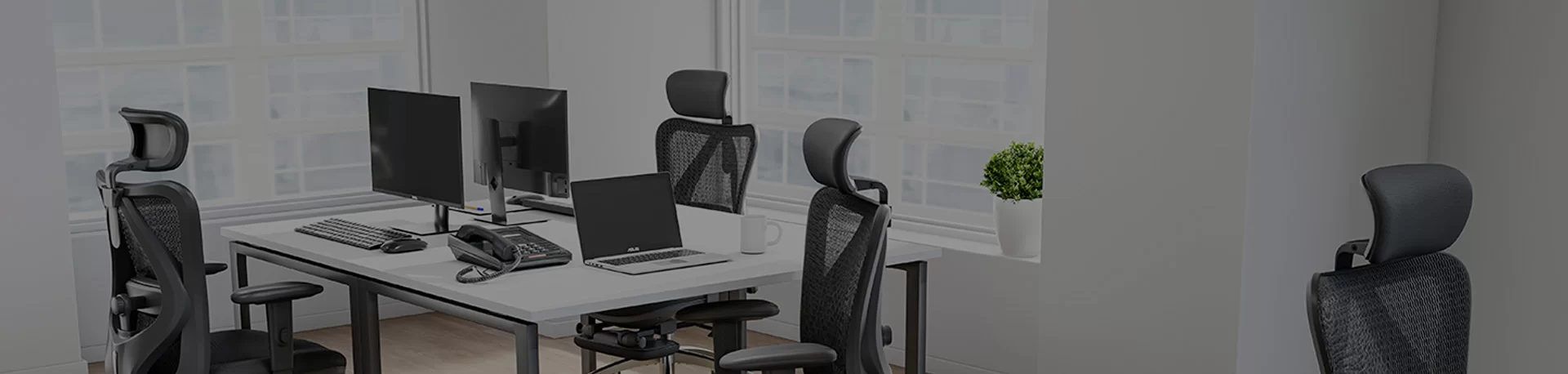
The modern workplace is evolving, and with it, the demand for ergonomic and health-conscious furniture solutions is surging. An active office chair isn't merely a seat; it’s an investment in employee well-being, productivity, and long-term health. This proactive approach to office design is becoming increasingly vital as companies recognize the detrimental effects of sedentary lifestyles and seek to create dynamic work environments.
Globally, prolonged sitting is linked to a host of health issues, including cardiovascular disease, obesity, and musculoskeletal disorders. This has prompted a shift towards more movement-focused office setups. The World Health Organization estimates that physical inactivity contributes to over 3.2 million deaths annually. Therefore, incorporating an active office chair into the workspace represents a significant step towards addressing this public health concern.
These chairs are designed to encourage micro-movements and maintain postural engagement, mitigating the risks associated with static seating. They’re not just about comfort, but about fostering a healthier, more engaged, and ultimately, more productive workforce. Adoption rates are growing, fueled by awareness and a commitment to employee wellness programs.

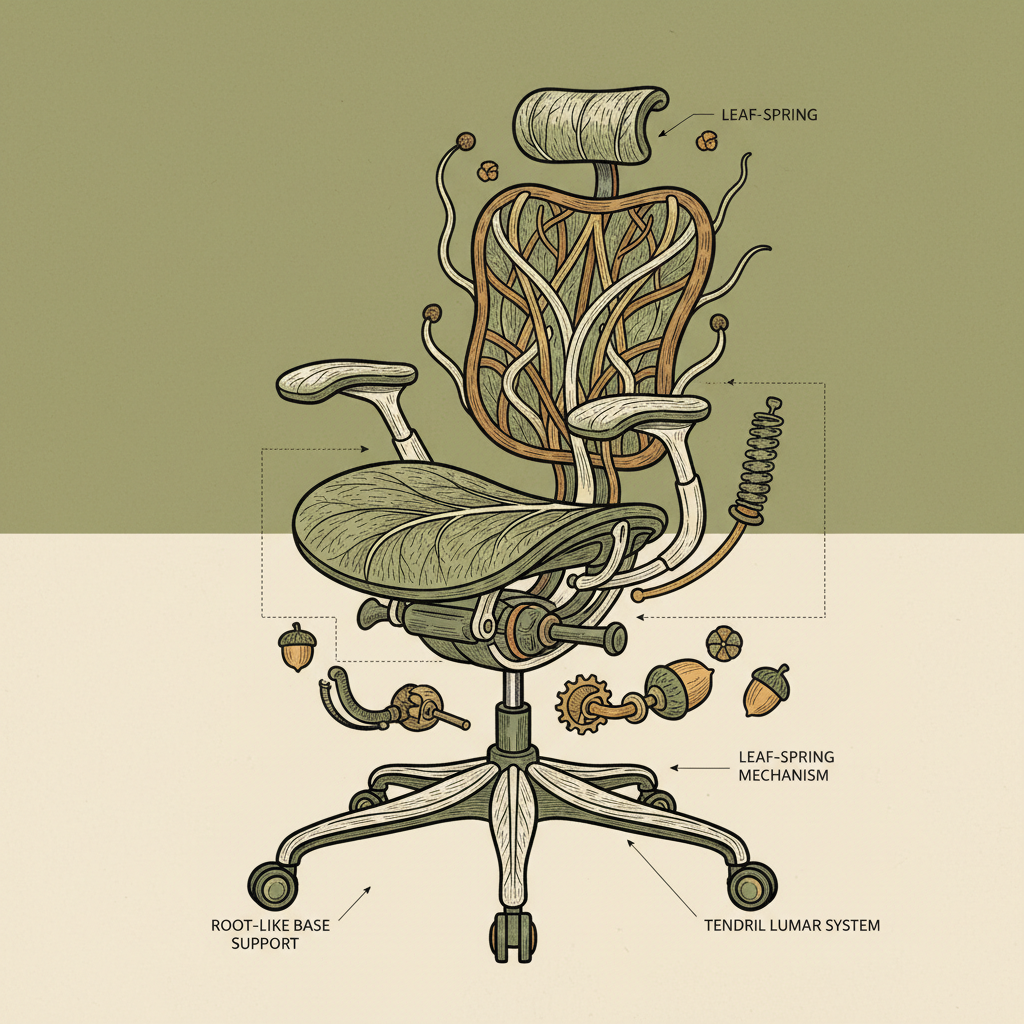
The rise of the active office chair isn’t simply a trend; it’s a response to mounting evidence about the health risks associated with prolonged sitting. Modern workplaces often require long hours spent at desks, which can lead to decreased energy levels, reduced focus, and an increased risk of chronic health conditions.
Investing in these chairs is a proactive step companies can take to support employee well-being and create a more dynamic and productive work environment. They represent a paradigm shift from traditional static seating towards a more fluid and engaging experience.
While both prioritize ergonomics, traditional chairs focus on static support, aiming to maintain a fixed posture. Active office chairs encourage micro-movements and dynamic sitting, promoting engagement of core muscles and improved circulation. They offer features like wobble or tilt mechanisms, and dynamic backrests, that aren’t typically found in standard ergonomic chairs, leading to a more engaging and healthy seating experience.
Active office chairs *can* be beneficial for some individuals with back pain, but it's crucial to consult with a healthcare professional before switching. The dynamic support can help strengthen core muscles and improve posture, but it's essential to choose a chair with appropriate adjustments and ensure proper usage. A poorly adjusted chair could exacerbate existing issues.
The beauty of these chairs is they subtly encourage movement throughout the day. It’s not about constant, vigorous activity, but about avoiding prolonged static postures. Aim for small adjustments every 20-30 minutes. The chair’s design naturally promotes these micro-movements, fostering engagement without requiring conscious effort.
A well-built active office chair, constructed with durable materials and a robust mechanism, should last between 5-10 years with regular use. Factors like the chair's initial quality, the intensity of use, and the frequency of maintenance will all influence its lifespan. Investing in a chair from a reputable manufacturer is a key factor in ensuring longevity.
Regular cleaning with a damp cloth and mild detergent is typically sufficient. Avoid abrasive cleaners, as they can damage the upholstery. Periodically check and tighten any loose screws or bolts. For mesh chairs, use a vacuum cleaner with a brush attachment to remove dust and debris. Following the manufacturer's care instructions is always recommended.
Generally, active office chairs tend to be more expensive than standard office chairs due to their more complex mechanisms and advanced ergonomic features. However, considering the long-term benefits to employee health, productivity, and reduced healthcare costs, the investment can be justified. Many companies also find the increased employee satisfaction and engagement to be a significant return on investment.
In conclusion, the active office chair represents a fundamental shift in how we approach workplace wellness. It’s no longer enough to simply provide a comfortable seat; companies must prioritize movement and engagement to support the health and productivity of their employees. By incorporating these chairs into the workspace, organizations can create a more dynamic, healthy, and engaging work environment.
Looking ahead, continued innovation in materials and technology promises to further enhance the benefits of active seating. By embracing these advancements, companies can solidify their commitment to employee well-being and foster a culture of health and vitality. Visit our website at www.cdgamingfurniture.com to explore our range of active office chair solutions and learn how we can help you create a healthier, more productive workplace.

Ethan is the Marketing Director at Cangzhou Jiujiang, focusing on expanding the brand's presence in North America. With over a decade of experience in outdoor apparel marketing, Ethan leverages his knowledge to promote the company’s PU rainwear, emphasizing its BSCI and GRS certifications.
If you are interested in our products, you can choose to leave your information here, and we will be in touch with you shortly.


