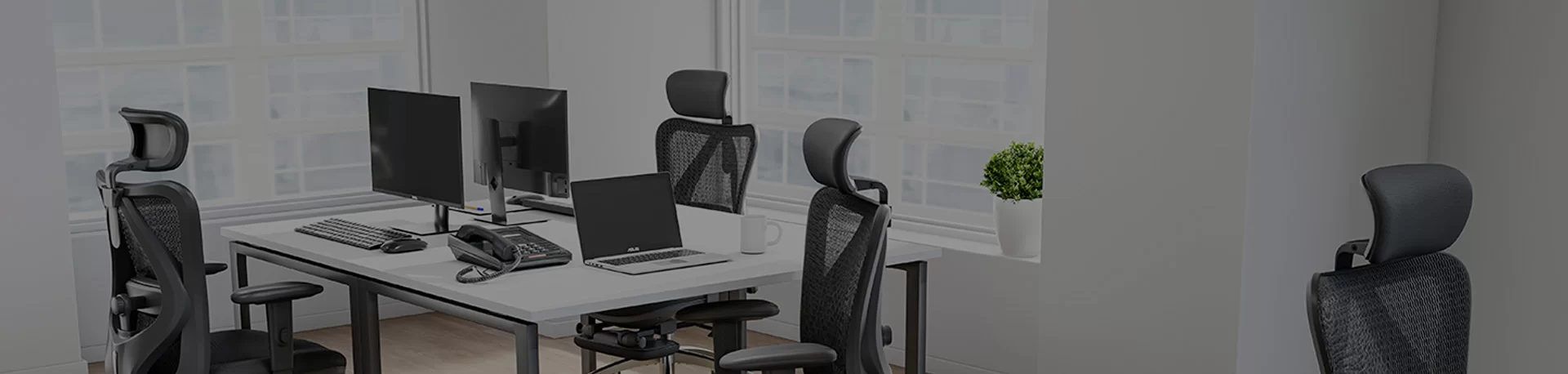
The humble chair with seat tilt, often overlooked, plays a crucial role in ergonomics and comfort across a multitude of settings. From enhancing productivity in office environments to providing customizable support for individuals with specific needs, a chair with seat tilt is a fundamental element in promoting well-being. Its importance transcends simple convenience; a properly adjusted seat tilt can mitigate health risks associated with prolonged sitting, such as back pain and poor posture. Understanding the nuances of chair with seat tilt is therefore vital for businesses, healthcare providers, and individuals alike.
Globally, the demand for ergonomic seating solutions, including those incorporating seat tilt mechanisms, is steadily increasing. This trend is fueled by a growing awareness of workplace health and safety, coupled with the rising prevalence of sedentary lifestyles. The International Ergonomics Association (IEA) consistently highlights the benefits of adjustable seating, and standards like ISO 9241-5 emphasize the importance of chair adjustability to accommodate diverse user needs. This demand is particularly strong in developed economies, but is also expanding rapidly in emerging markets as awareness increases.
The increasing incidence of musculoskeletal disorders (MSDs) linked to poor posture and inadequate seating is a significant driver for the adoption of chairs with seat tilt. These disorders contribute to lost workdays and increased healthcare costs, prompting companies and individuals to invest in preventative measures like ergonomic furniture. The market for ergonomic seating is projected to continue its upward trajectory, highlighting the enduring relevance and practical importance of chair with seat tilt features.
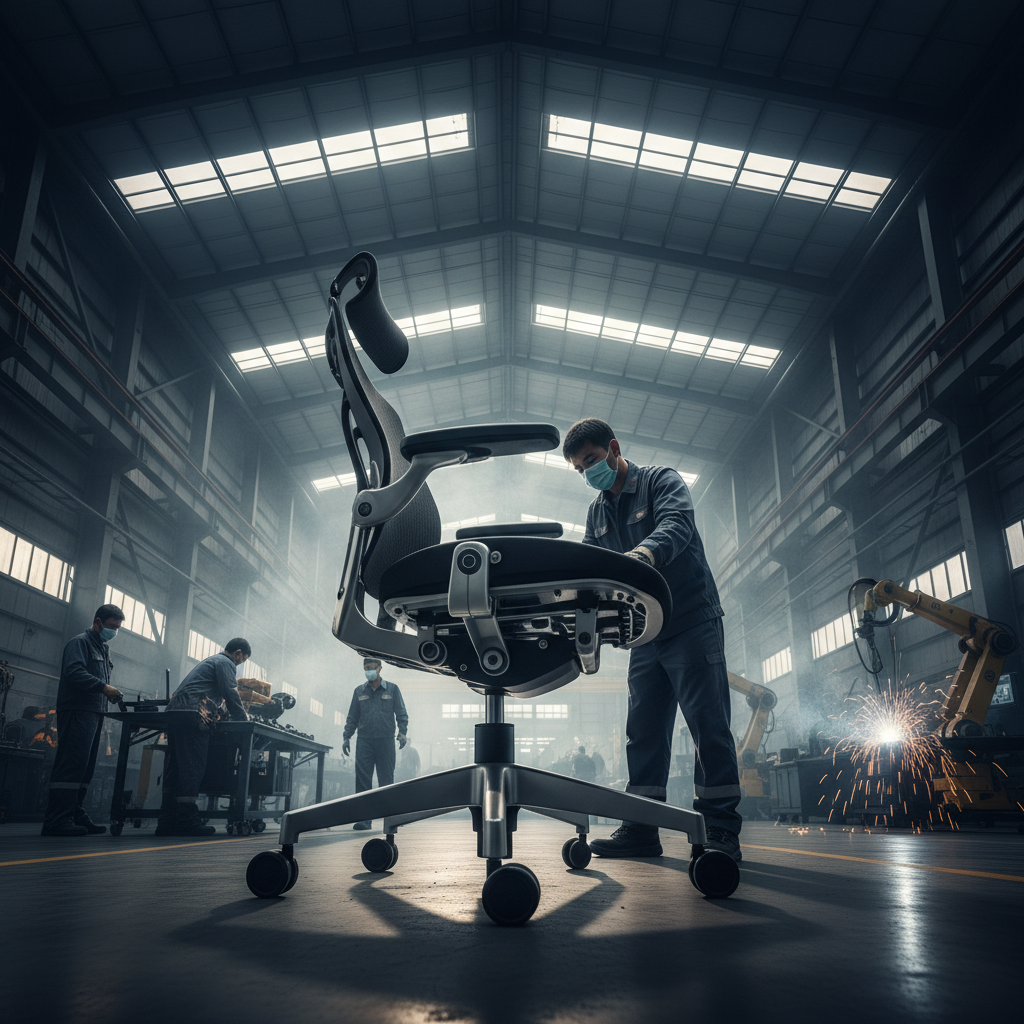

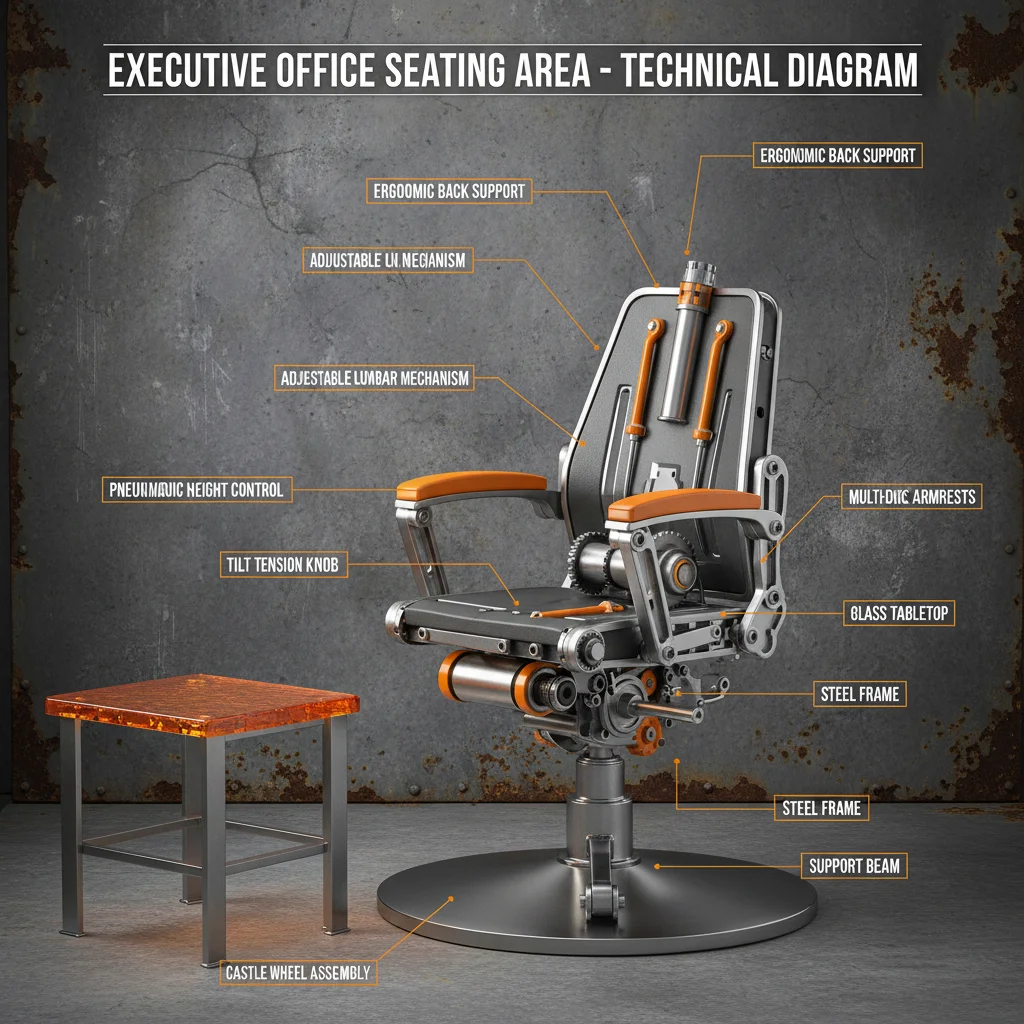
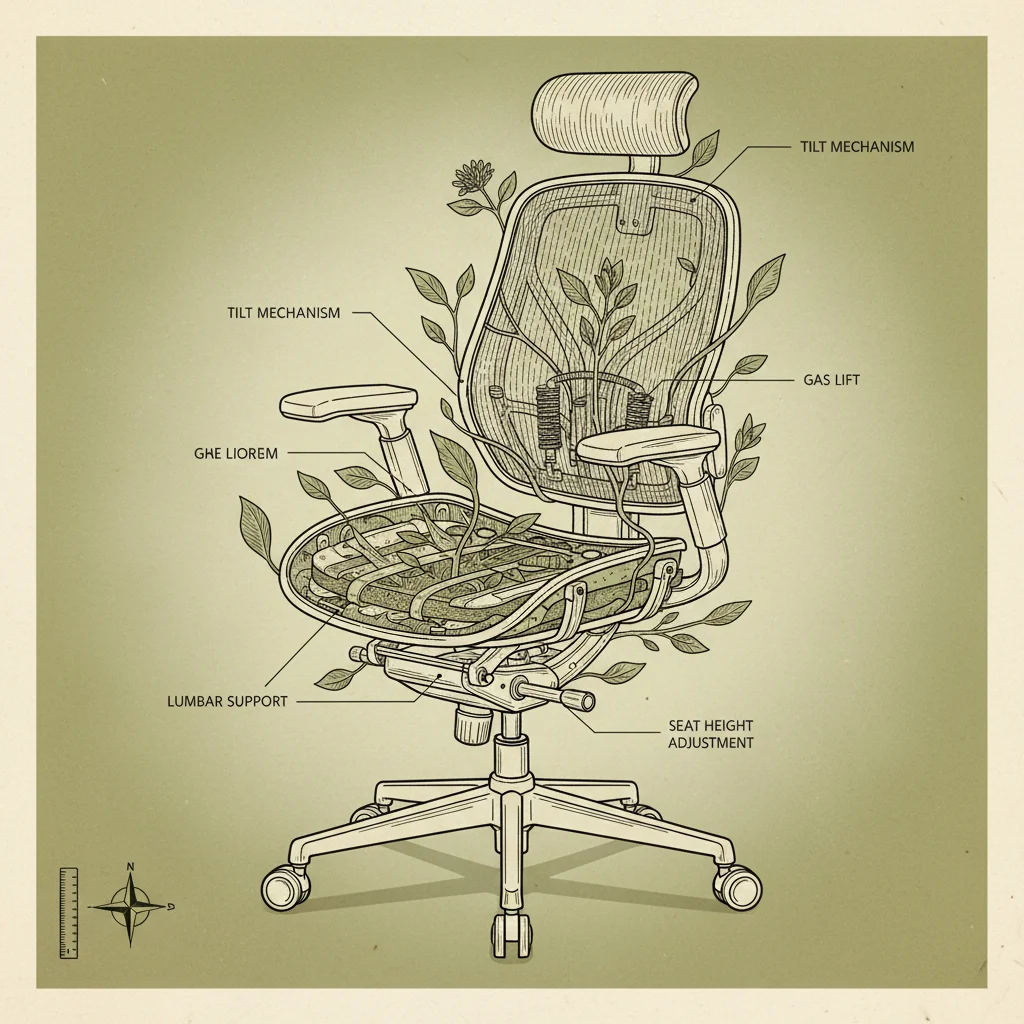
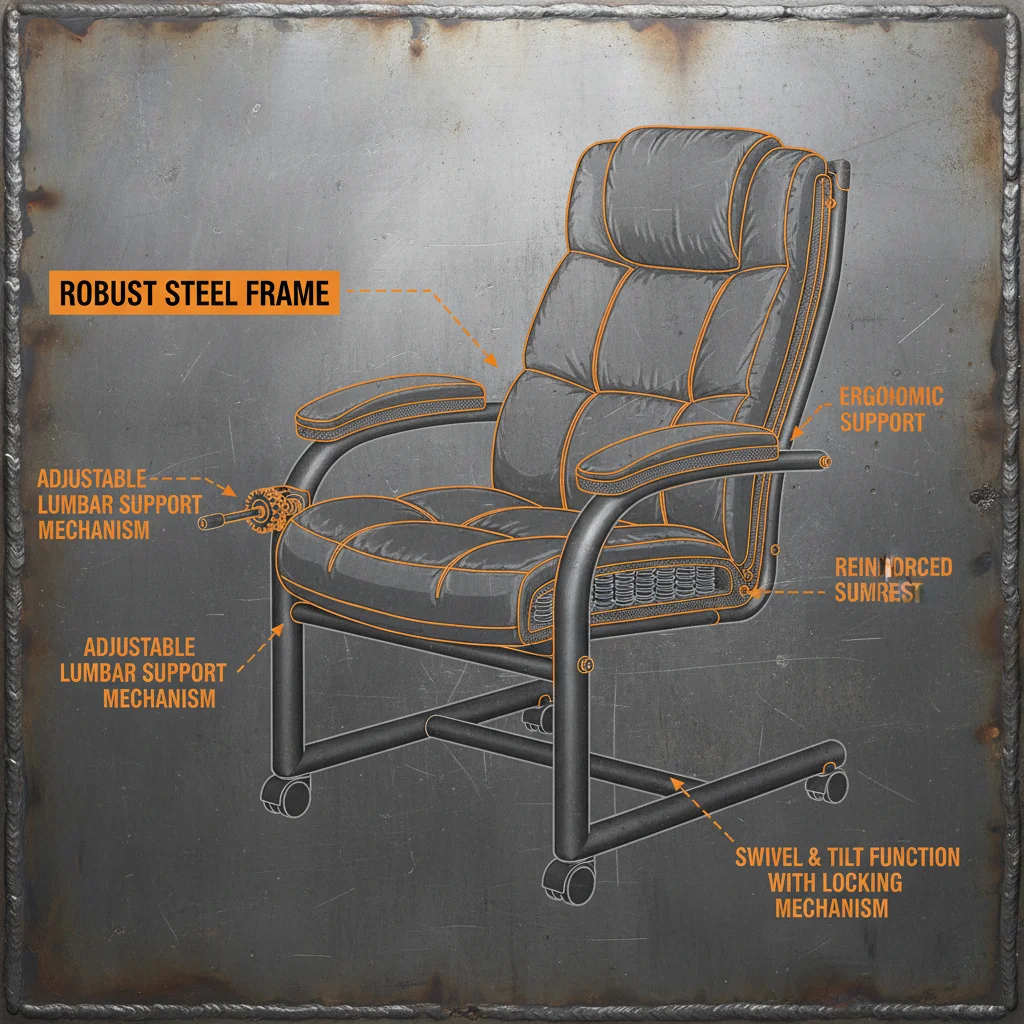
A chair with seat tilt refers to a seating solution that allows the seat pan to be adjusted forward or backward, relative to the backrest. This adjustability allows users to customize their seating position, promoting better posture and reducing strain on the lower back. Unlike static chairs, a chair with seat tilt accommodates the natural curvature of the spine and encourages dynamic sitting – subtle movements that prevent stiffness and fatigue.
This functionality is increasingly crucial in modern workplaces and home offices where prolonged sitting is common. The ability to fine-tune the seat angle directly impacts comfort, blood circulation, and overall ergonomic support. A well-designed chair with seat tilt isn't just about comfort; it's about preventative healthcare and maximizing productivity by minimizing physical discomfort.
A chair with seat tilt offers significantly improved ergonomic support by allowing users to adjust their seating position, reducing strain on the lower back and promoting better posture. Unlike standard chairs, it encourages dynamic sitting, preventing stiffness and fatigue. This leads to increased comfort, improved blood circulation, and a reduced risk of musculoskeletal disorders. Adjustable seat tilt enables a more personalized experience accommodating diverse body types and preferences.
Begin by adjusting the seat height so your feet are flat on the floor and your knees are at a 90-degree angle. Next, adjust the tilt tension to provide comfortable resistance when you lean back. The seat tilt angle should allow your thighs to be slightly lower than your hips, promoting a natural spinal curve. Experiment with different settings to find what feels most comfortable and supportive for your body. Remember to periodically readjust as needed throughout the day.
Chairs with seat tilt can be beneficial for individuals with back pain, but it's essential to consult with a healthcare professional before making any changes to your seating arrangement. Properly adjusted seat tilt can help alleviate pressure on the spine and promote better posture, potentially reducing pain. However, individuals with specific conditions may require additional support or specialized seating solutions.
A high-quality chair with seat tilt, constructed with durable materials and robust mechanisms, typically has a lifespan of 5-10 years with regular use. Factors such as the quality of the components, the frequency of use, and the user's weight can all influence longevity. Proper maintenance, such as cleaning and occasional tightening of screws, can also extend the lifespan of the chair.
The price of a chair with seat tilt can vary widely depending on the features, materials, and brand. Entry-level ergonomic chairs with basic seat tilt adjustments typically range from $200-$500. Mid-range chairs with more advanced features and higher-quality materials can cost $500-$1000. High-end chairs with premium materials, advanced adjustability, and smart features can exceed $1000.
Look for chairs that meet industry standards such as BIFMA (Business and Institutional Furniture Manufacturers Association) certification, which ensures the chair has been tested for safety, durability, and performance. Ergonomic certifications, such as those from the Ergonomics Evaluation Initiative, can also indicate that the chair has been designed with ergonomic principles in mind.
In conclusion, a chair with seat tilt is far more than just a seating solution; it's an investment in well-being, productivity, and long-term health. From its ability to personalize ergonomic support to its global relevance in promoting healthier workplaces, the benefits are undeniable. Understanding the mechanics, components, and future innovations surrounding chair with seat tilt empowers individuals and organizations to make informed decisions that prioritize comfort and functionality.
Looking ahead, the integration of smart technologies and sustainable materials will further elevate the value of chair with seat tilt. By embracing these advancements and prioritizing ergonomic principles, we can create seating environments that support a healthier, more productive, and more comfortable future. For a wide selection of chairs with seat tilt tailored to your needs, visit our website: chair with seat tilt.

If you are interested in our products, you can choose to leave your information here, and we will be in touch with you shortly.