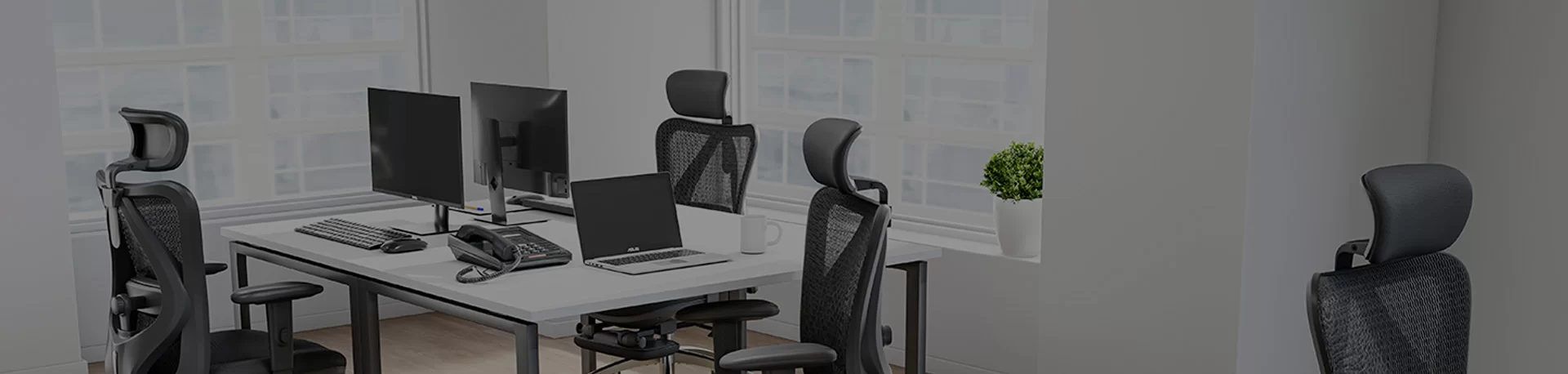
The modern workplace demands ergonomic and supportive seating, and the clerical chair is a cornerstone of employee well-being and productivity. These chairs aren't merely about comfort; they represent a commitment to a healthier and more efficient work environment, impacting everything from posture and focus to long-term physical health. Understanding the nuances of clerical chairs—from materials and adjustability to design and cost—is critical for organizations aiming to optimize their workspace.
Globally, the demand for ergonomic office furniture, including the clerical chair, is surging, driven by increased awareness of workplace health and safety. According to the International Ergonomics Association, musculoskeletal disorders (MSDs) are a leading cause of lost workdays and significant healthcare costs. Proper seating plays a vital role in prevention, and organizations are increasingly investing in quality chairs to mitigate these risks.
The increasing prevalence of remote work further amplifies the need for properly equipped home offices, bolstering the demand for comfortable and supportive clerical chair solutions for employees working outside of traditional office settings. This shift highlights the importance of accessibility and affordability in the clerical chair market.
The Importance of Clerical Chair Ergonomics
Ergonomics, the study of people's efficiency in their working environment, is paramount when considering a clerical chair. A well-designed chair supports the natural curvature of the spine, reduces pressure points, and promotes healthy posture. This directly translates to decreased fatigue, improved concentration, and a reduction in the risk of musculoskeletal disorders.
Investing in ergonomic clerical chairs isn't simply a matter of comfort; it’s a strategic investment in human capital. By prioritizing employee well-being, organizations demonstrate a commitment to their workforce, leading to increased job satisfaction, reduced absenteeism, and enhanced overall productivity.
Defining the Clerical Chair
A clerical chair is specifically designed for use in office environments, providing sustained support for individuals engaged in primarily sedentary tasks such as data entry, phone calls, or administrative work. They differ from executive chairs in their focus on task-oriented comfort and typically feature more streamlined designs, prioritizing functionality over lavish aesthetics.
While often categorized simply as ‘office chairs’, the term “clerical chair” denotes a specific emphasis on features that support prolonged periods of focused work. This includes adjustable height, lumbar support, and armrests to accommodate a wide range of body types and working styles.
The modern clerical chair is a direct result of evolving understandings of biomechanics and workplace ergonomics. It reflects a move away from purely aesthetic considerations towards a science-backed approach to seating design, aimed at optimizing employee health and performance.
Core Components of a Quality Clerical Chair
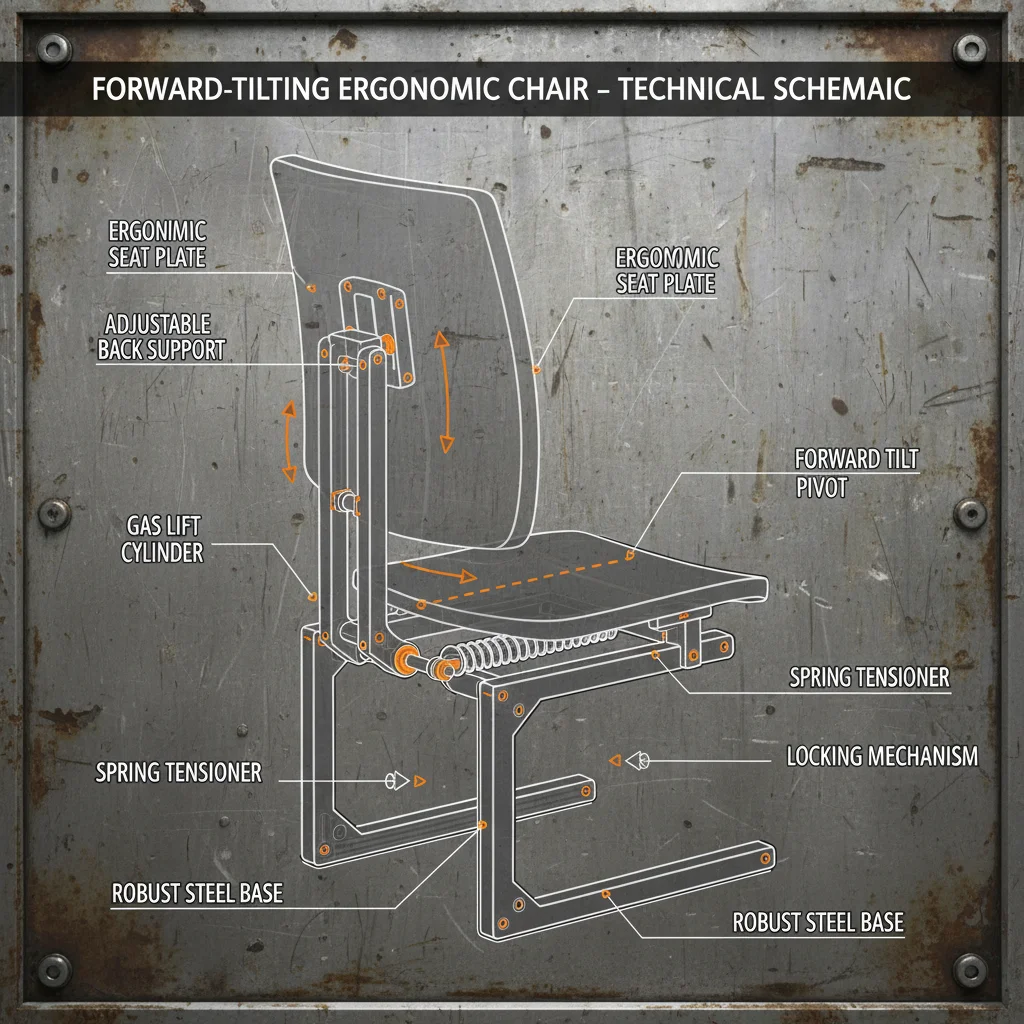
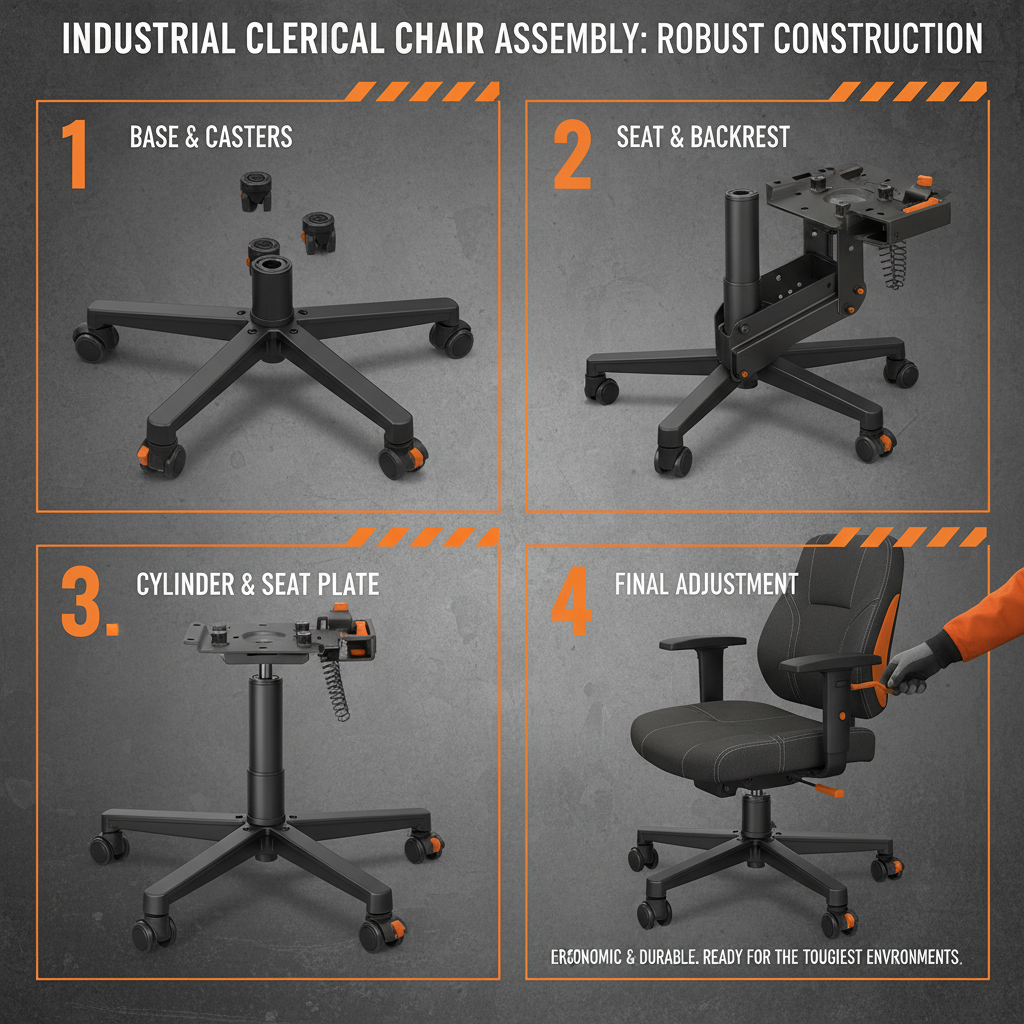
Several key components define a quality clerical chair. Adjustable lumbar support is crucial, allowing users to customize the chair to the natural curve of their spine. Height adjustability ensures proper leg positioning, minimizing strain on the hips and knees.
Armrests are another vital element, reducing shoulder and neck tension by providing support for the arms and upper body. Breathable mesh backrests promote airflow, preventing overheating and discomfort during long working hours. A five-star base with durable casters provides stability and ease of movement.
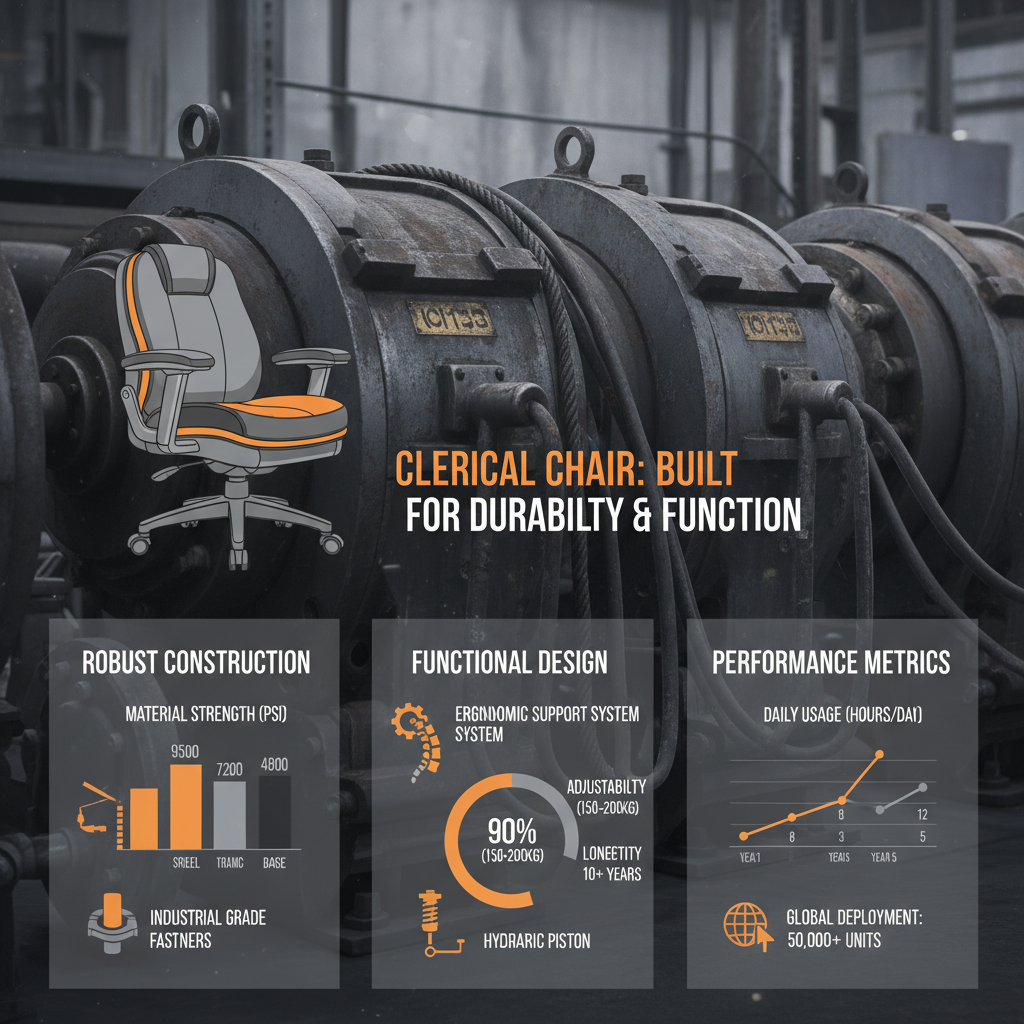
The chair's material also plays a significant role. High-density foam cushioning provides long-lasting support, while durable fabric coverings resist wear and tear. The quality of the frame and mechanism contribute to the chair's overall longevity and reliability.
Clerical Chair Applications Across Industries
Clerical chairs find widespread application across a diverse range of industries. In administrative offices, they are essential for supporting staff engaged in data entry, customer service, and other clerical tasks. Financial institutions rely heavily on ergonomic seating to ensure employee comfort and focus during long hours of analysis and reporting.
Healthcare facilities utilize clerical chairs in reception areas, administrative departments, and even at nurses' stations, where prolonged sitting is common. Educational institutions incorporate them into libraries, administrative offices, and computer labs to create comfortable and productive learning environments.
Clerical Chair Feature Importance Ratings
Long-Term Advantages of Investing in Clerical Chairs
The long-term benefits of investing in high-quality clerical chairs extend far beyond initial comfort. Reduced healthcare costs associated with musculoskeletal disorders represent a significant financial saving for organizations. Improved employee morale and productivity contribute to increased profitability and efficiency.
Moreover, a commitment to ergonomic seating demonstrates a company's value for its employees, enhancing its reputation and attracting top talent. A well-equipped workspace fosters a positive work environment, boosting employee engagement and reducing turnover rates.
Future Trends in Clerical Chair Design & Technology
The future of clerical chair design is increasingly focused on dynamic ergonomics and personalized comfort. Expect to see chairs with advanced sensors that automatically adjust to the user's posture and movements, providing optimal support throughout the workday.
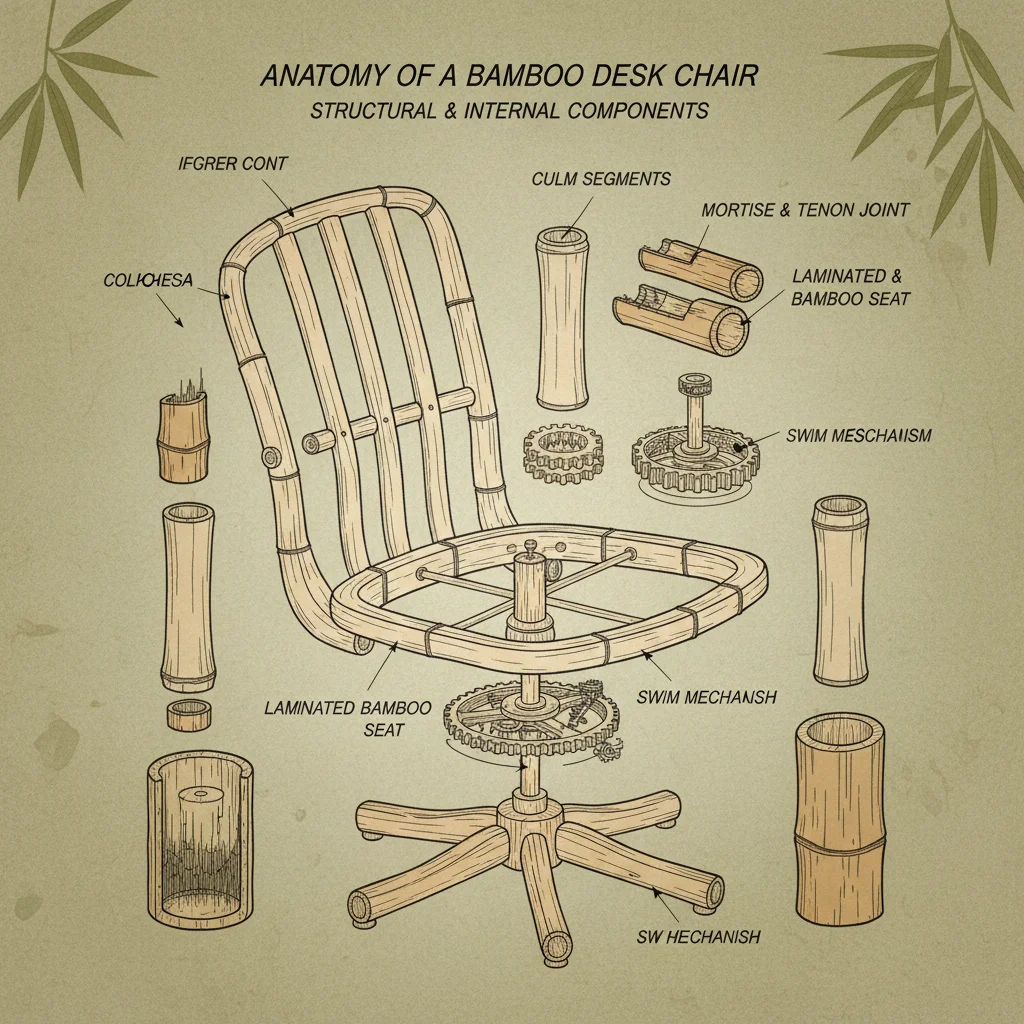
Sustainable materials and manufacturing processes are also gaining prominence, reflecting a growing awareness of environmental responsibility. Integration with smart office technology, such as posture monitoring apps and activity trackers, will provide valuable insights into employee well-being and further optimize seating solutions.
Biometric integration allowing chairs to adjust based on user stress levels and physiological data is another emerging trend, promising a truly personalized and proactive approach to ergonomic support.
Addressing Challenges in Clerical Chair Selection & Implementation
One common challenge is selecting the right clerical chair for a diverse workforce. Different body types and job functions require different levels of support and adjustability. Providing a range of chair options, coupled with ergonomic assessments, is crucial.
Another challenge lies in ensuring proper chair adjustment and usage. Employee training on ergonomic principles and chair features is essential to maximize the benefits of the investment. Regular ergonomic check-ups can help identify and address any issues that arise.
Budget constraints can also be a barrier. However, prioritizing quality and long-term durability over upfront cost can result in significant savings in the long run, through reduced healthcare expenses and increased productivity.
Summary of Clerical Chair Selection Considerations
| Body Type & Size |
Job Task Requirements |
Budget Allocation |
Long-Term Value |
| Small frame requires smaller seat depth and lower back support. |
Data entry demands adjustable lumbar support and armrests. |
Prioritize quality and durability over lowest price. |
Reduced healthcare costs and increased productivity. |
| Larger frame requires wider seat and higher backrest. |
Call center work benefits from breathable mesh back. |
Consider lifecycle costs: repairs, replacements. |
Enhanced employee morale and reduced turnover. |
| Adjustability crucial for accommodating varying heights. |
Management roles may prefer more refined aesthetics. |
Explore financing options and bulk discounts. |
Improved company reputation and brand image. |
| Ensure chair meets ANSI/BIFMA standards for safety. |
Frequent position changes require smooth casters. |
Factor in warranty coverage and customer support. |
Stronger commitment to employee well-being. |
| Consider ergonomic assessments for individual needs. |
Task lighting integration impacts posture and comfort. |
Compare features and materials across vendors. |
Reduced risk of workplace injuries. |
| Provide training on proper chair adjustment techniques. |
Ergonomic accessories (footrests, monitor arms). |
Negotiate favorable payment terms with suppliers. |
Long-term cost savings outweigh initial investment. |
FAQS
The ideal height adjustment range for a clerical chair typically falls between 16 to 21 inches. This range accommodates most users, ensuring their feet can rest flat on the floor and their knees are at a 90-degree angle. Adjustability is critical because individual leg lengths vary significantly. A chair with a limited height range won't provide proper support for everyone, potentially leading to discomfort and strain. Prioritize a chair that allows for precise adjustments to find the optimal ergonomic position.
Lumbar support is arguably the most critical feature of a clerical chair. It directly impacts the natural curvature of the spine and helps prevent lower back pain, a common ailment among office workers. Adjustable lumbar support allows users to customize the level of support based on their individual needs and preferences. Without adequate lumbar support, the spine can become misaligned, leading to discomfort, fatigue, and potentially long-term health issues.
The best upholstery materials for a clerical chair balance comfort, durability, and breathability. Mesh is a popular choice due to its excellent airflow, preventing overheating during long work hours. Fabric offers a wider range of colors and textures, providing a more aesthetic appeal, and can be quite durable. Leather provides a luxurious feel but is typically more expensive and requires more maintenance.
To properly adjust a clerical chair, start by setting the height so your feet are flat on the floor and your knees are at a 90-degree angle. Adjust the lumbar support to fit the natural curve of your lower back. Ensure the armrests are positioned so your shoulders are relaxed and your elbows are bent at a 90-degree angle. Finally, check that the chair allows you to maintain good posture without straining.
A good-quality clerical chair, with proper care, can last anywhere from 5 to 10 years. The lifespan depends on factors such as usage frequency, the quality of materials, and the chair's construction. Investing in a chair with a robust warranty and durable components is a wise choice, ensuring long-term value and minimizing the need for frequent replacements.
Yes, many manufacturers now offer clerical chairs designed for specific body types. These chairs may feature larger or smaller seats, higher or lower backrests, and more robust frames to accommodate a wider range of users. Look for chairs specifically marketed as "big and tall" or "petite" to find options that provide optimal support and comfort for individuals with unique physical characteristics.
Conclusion
Investing in a properly designed clerical chair is not merely about providing comfortable seating; it's a strategic investment in employee well-being, productivity, and long-term cost savings. By prioritizing ergonomic principles, choosing quality materials, and ensuring proper adjustments, organizations can create healthier and more efficient work environments.
The future of clerical chair design points toward increasingly personalized and technologically advanced solutions. Embracing these innovations will be crucial for organizations seeking to attract and retain top talent, reduce healthcare costs, and foster a thriving workplace culture. Visit our website at www.cdgamingfurniture.com to explore our comprehensive selection of clerical chairs and ergonomic solutions.