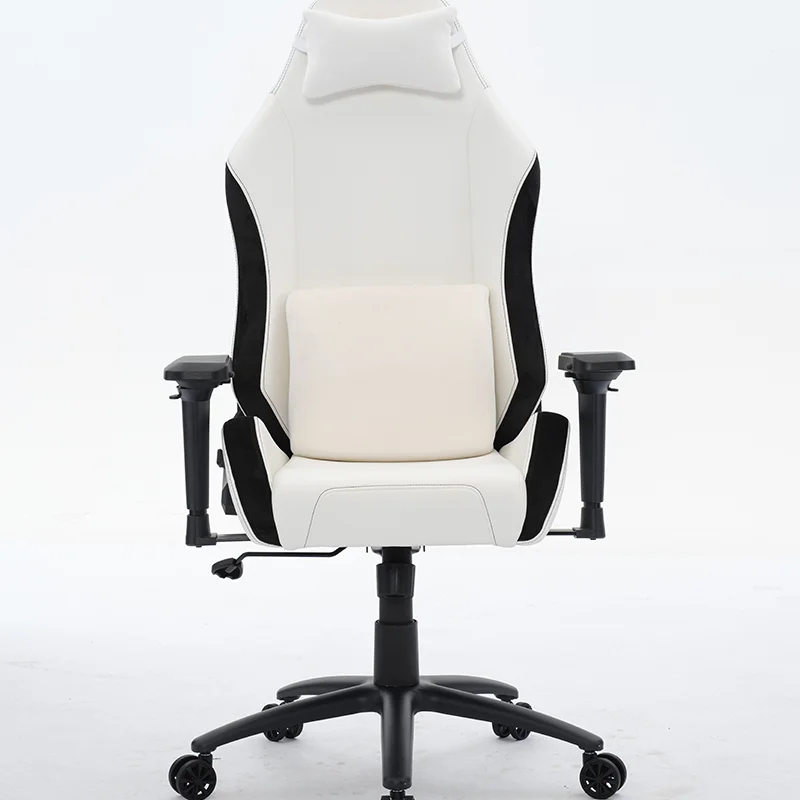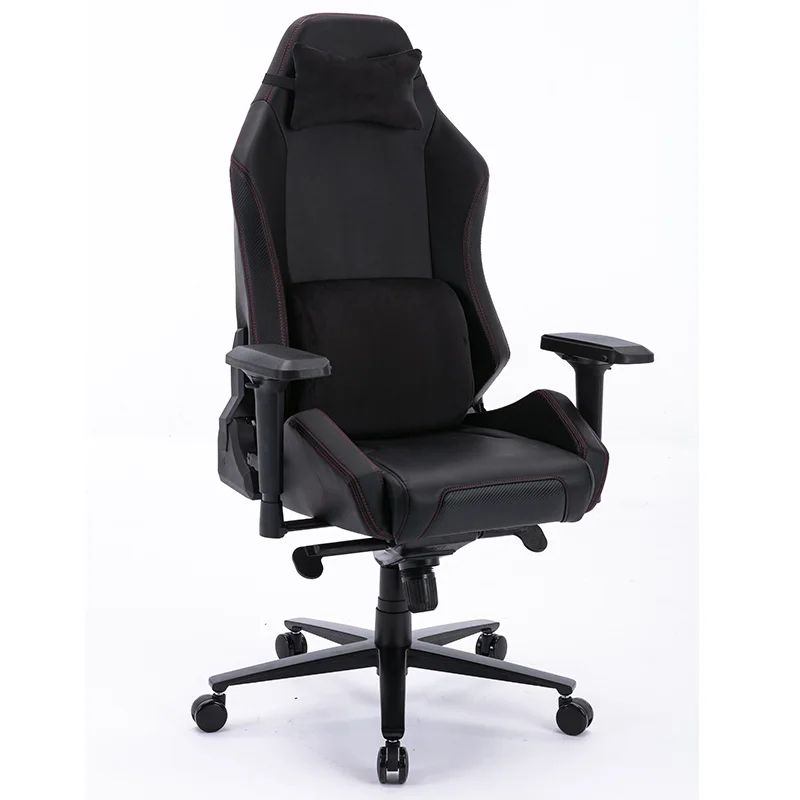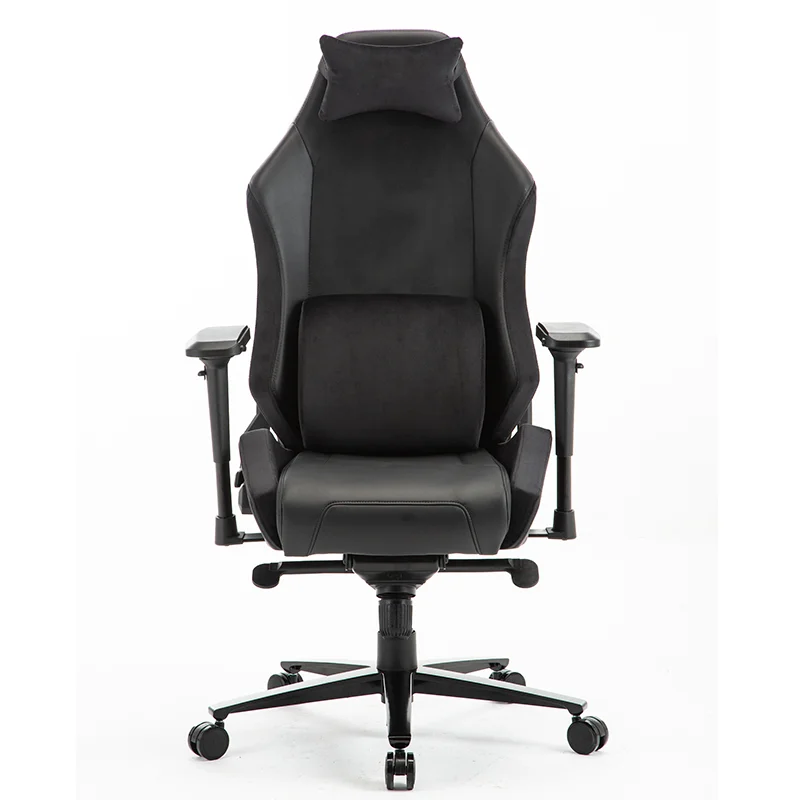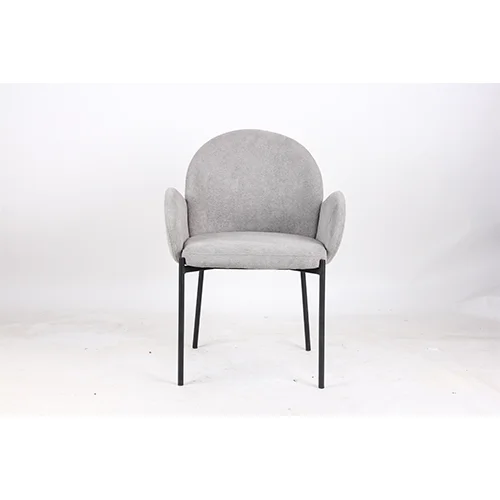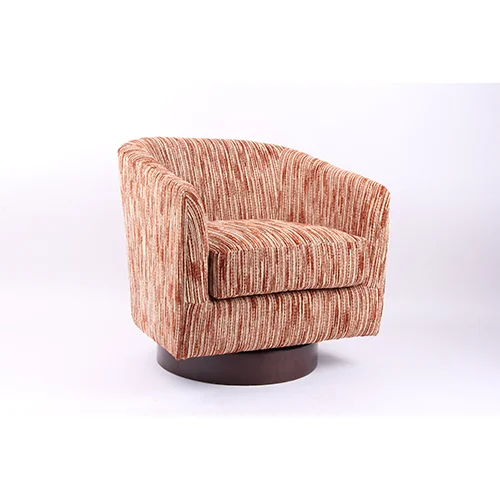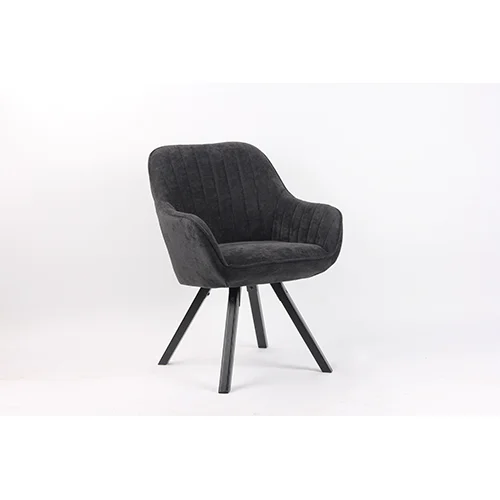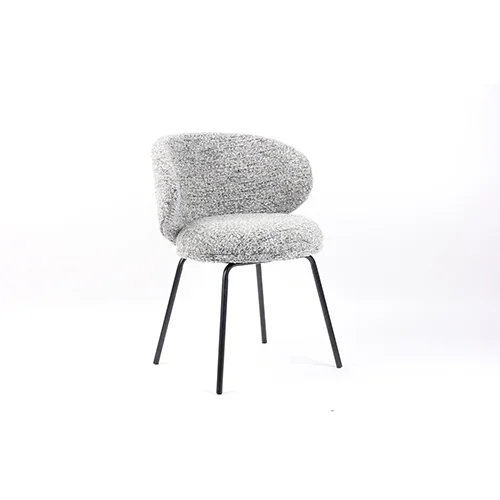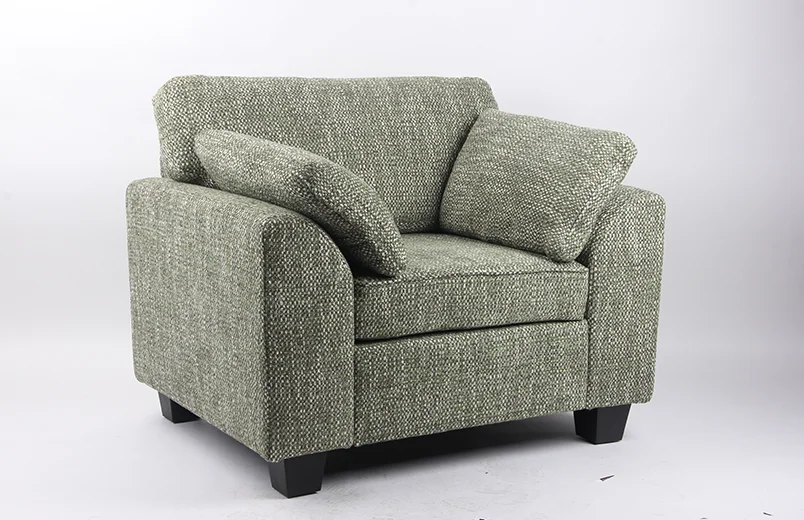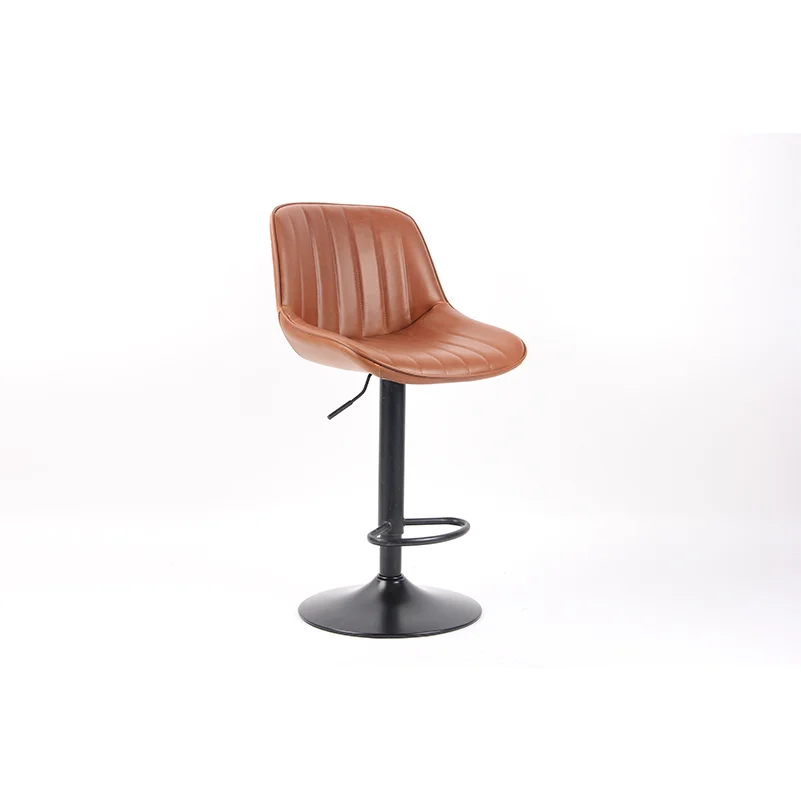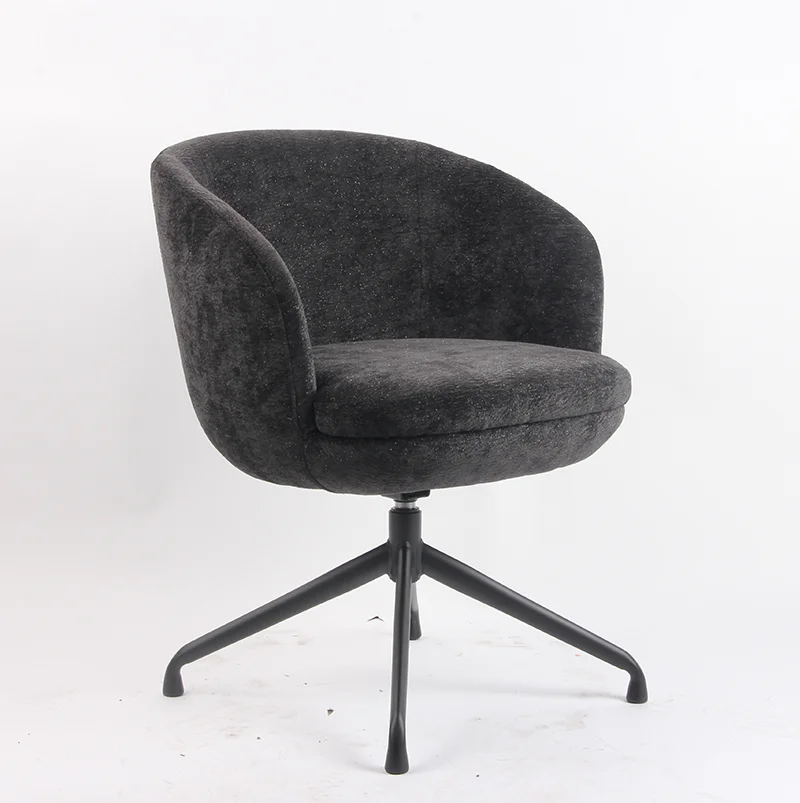
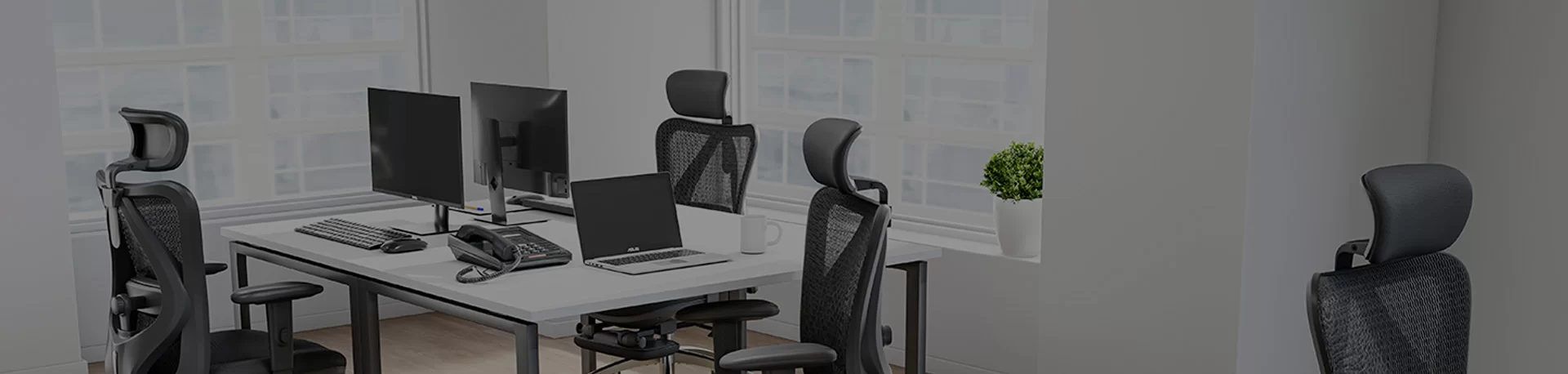
Creating a comfortable and inviting canteen or breakroom is essential for employee morale and productivity. Selecting the appropriate canteen chairs is a crucial aspect of this. These chairs need to be durable, comfortable, and aesthetically pleasing to encourage employees to utilize the space. This article will explore the key considerations when purchasing canteen chairs, different types available, and factors impacting your decision. We’ll also cover how to choose chairs that align with your budget and brand image.
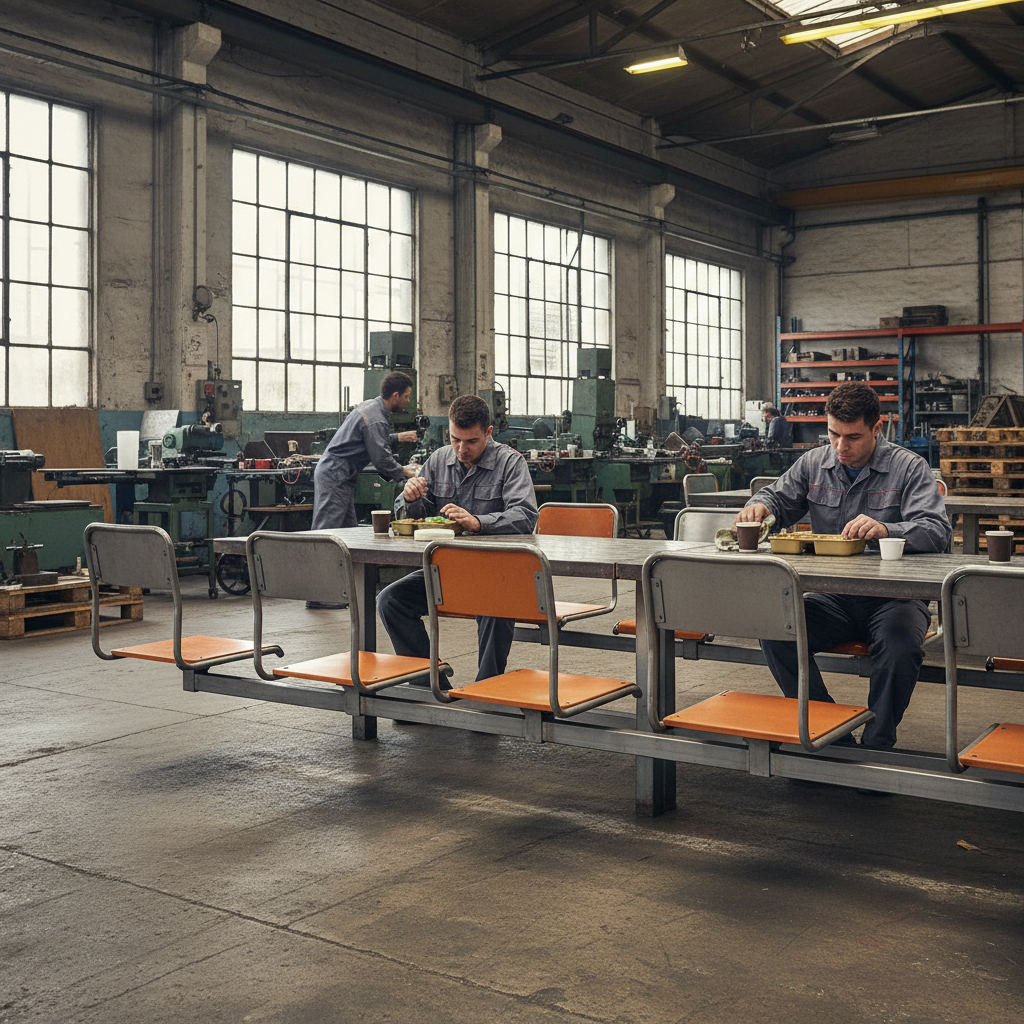
Before diving into the different types of canteen chairs, it’s vital to consider several key factors. Durability is paramount, as these chairs will experience frequent use. The material should be resistant to stains, scratches, and general wear and tear. Comfort is equally important – employees will spend considerable time seated, so ergonomic design and adequate cushioning are essential. Stackability is a practical feature for easy storage and space-saving when not in use. Finally, consider the aesthetic – the chairs should complement the overall design of your canteen or breakroom. Investing in quality canteen chairs is an investment in your employees' wellbeing and productivity.
Key Considerations: Durability, comfort, stackability, aesthetic appeal, and budget are all crucial factors to evaluate when choosing canteen chairs.
The market offers a variety of canteen chair options, each with its own advantages and disadvantages. Polypropylene chairs are a popular choice due to their affordability, durability, and ease of cleaning. Metal chairs, often with padded seats, offer a more industrial look and are exceptionally sturdy. Upholstered chairs provide superior comfort but may require more maintenance. Wooden chairs can add a touch of warmth and sophistication but might be less durable in high-traffic environments. Finally, molded plastic chairs offer a modern aesthetic and are generally lightweight and easy to move. Carefully consider the specific needs of your workspace when making your selection.
Chair Type Overview:
• Polypropylene: Affordable, durable, easy to clean.
• Metal: Sturdy, industrial aesthetic.
• Upholstered: Comfortable, requires more maintenance.
• Wooden: Warm aesthetic, potentially less durable.
Different materials offer varying levels of durability, comfort, and cost. Here’s a comparison of some popular choices:
Establishing a budget is essential before beginning your search. The cost of canteen chairs can vary significantly depending on the material, features, and quantity purchased. Polypropylene chairs are generally the most affordable option, while upholstered chairs tend to be the most expensive. Consider the long-term value – investing in durable chairs may cost more initially but could save you money in the long run by reducing the need for frequent replacements. Don’t forget to factor in shipping costs and potential assembly fees.
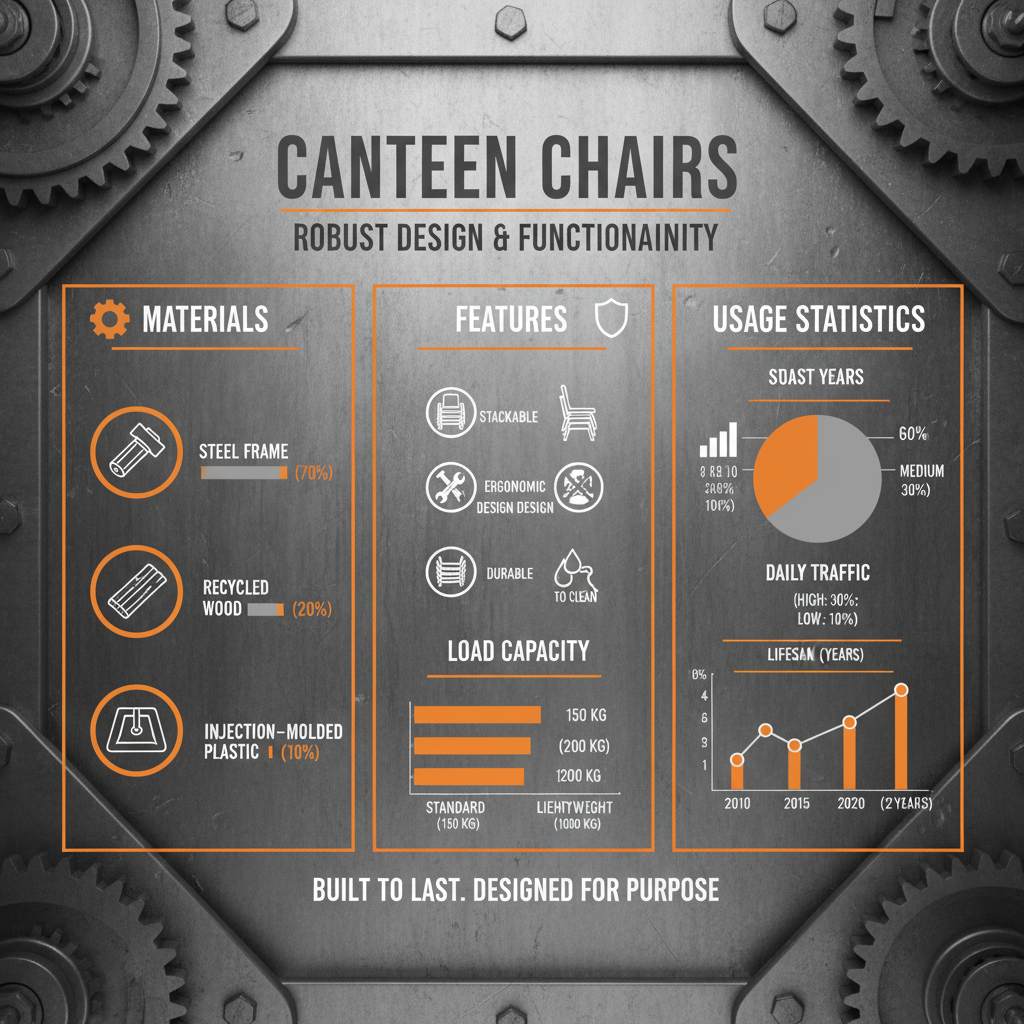
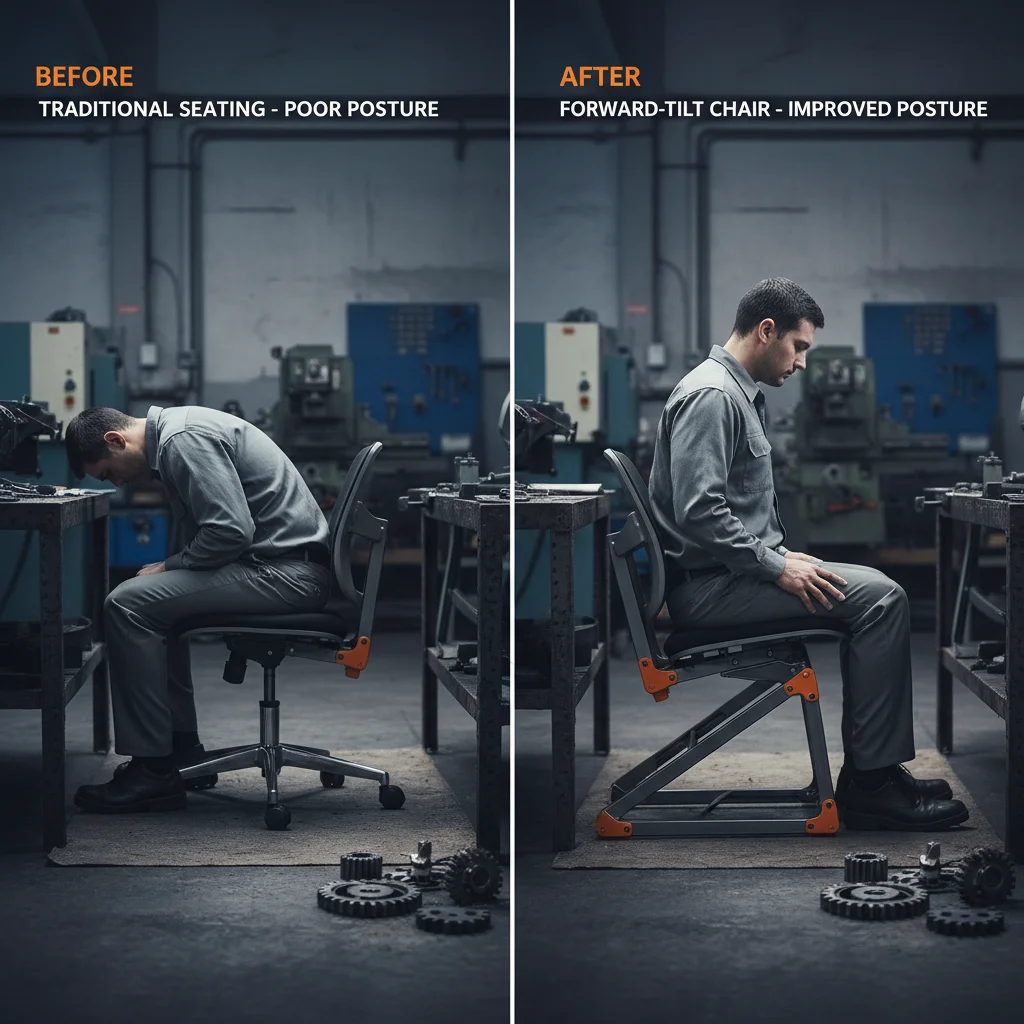
Ergonomic design is crucial for employee comfort and well-being. Look for chairs that provide adequate lumbar support, adjustable seat height, and a comfortable seat depth. Proper ergonomics can help prevent back pain, fatigue, and other musculoskeletal issues. Consider chairs with contoured seats and backs to promote good posture. Offering ergonomic canteen chairs demonstrates a commitment to your employees' health and safety.
Choosing the right canteen chairs is a vital investment in your workplace. By carefully considering factors such as durability, comfort, budget, and ergonomic design, you can create a welcoming and productive breakroom environment. Prioritizing employee wellbeing through thoughtful furniture selection will undoubtedly contribute to a more positive and engaged workforce.
The lifespan of canteen chairs depends on usage and material quality. Generally, chairs should be inspected annually for wear and tear. Polypropylene chairs may last 5-7 years with proper care, while upholstered chairs might require replacement every 3-5 years due to fabric wear. If chairs become unstable, damaged, or uncomfortable, they should be replaced immediately to prevent accidents and maintain employee comfort. Regular maintenance, such as cleaning and tightening screws, can extend their lifespan.
For high-traffic canteens, polypropylene or metal chairs with durable padding are the best choices. These materials are highly resistant to scratches, stains, and general wear and tear. Polypropylene is lightweight and easy to clean, while metal provides superior strength and stability. Avoid materials like wood or delicate fabrics that are more prone to damage.
Stackability is highly important in most canteen settings. It allows for efficient storage when chairs are not in use, maximizing space in the breakroom. Stackable chairs also make it easier to clean and rearrange the space as needed. Look for chairs specifically designed for stackability, as some materials and designs may not stack securely.
If you are interested in our products, you can choose to leave your information here, and we will be in touch with you shortly.