6 way adjustable office chair
news
0%

Table of Contents

Executive office seating is more than just a comfortable place to sit; it’s a vital component of workplace well-being, productivity, and even brand image. In today’s dynamic work environment, the demand for ergonomic, adaptable, and aesthetically pleasing executive office seating is consistently growing. This isn’t limited to traditional corporate offices either; the rise of remote work and hybrid models further amplifies the need for high-quality seating solutions that support prolonged periods of focus and collaboration.

Globally, the market for office furniture, including executive seating, is a multi-billion dollar industry, projected to continue its expansion. Factors driving this growth include increasing corporate investment in employee wellness, the adoption of flexible workspace designs, and a heightened awareness of the link between ergonomics and employee performance. According to the ISO standards, proper seating plays a critical role in reducing musculoskeletal disorders, a leading cause of workplace absenteeism.

Understanding the nuances of executive office seating – from materials and adjustability to design and sustainability – is paramount for businesses seeking to create thriving work environments. Investing in the right seating is an investment in your workforce, impacting not only their physical health but also their overall job satisfaction and contribution to organizational success.
executive office seating

The Global Significance of Executive Office Seating

executive office seating

Executive office seating isn’t merely a furnishing; it’s a reflection of a company’s commitment to its employees and a cornerstone of a productive work environment. The United Nations Sustainable Development Goal 8 (Decent Work and Economic Growth) emphasizes the importance of safe and secure working environments, where ergonomic seating plays a crucial role. Globally, businesses are recognizing that investing in quality executive office seating directly correlates with increased employee satisfaction, reduced healthcare costs related to musculoskeletal issues, and enhanced overall performance.

The demand for well-designed and ergonomically sound executive seating is escalating across all continents, driven by a growing awareness of the long-term health benefits. Furthermore, the rise of flexible work arrangements has increased the need for adjustable and supportive seating options that can accommodate diverse body types and work styles, both in the office and at home.

Defining Executive Office Seating

Executive office seating encompasses a range of chairs designed specifically for individuals in leadership or managerial roles, often used for extended periods of focused work. These chairs distinguish themselves from standard office chairs through enhanced features such as superior ergonomic support, premium materials (leather, high-grade fabrics), and adjustable components tailored to individual preferences. The primary goal of executive office seating is to provide sustained comfort and promote good posture, thereby mitigating the risks associated with prolonged sitting.

In the context of modern industry, executive seating isn't simply about luxury; it’s about optimizing cognitive function and decision-making capabilities. A comfortable and supportive chair allows executives to maintain focus and energy throughout the day, leading to improved strategic thinking and more effective leadership. The concept directly aligns with the principles of human-centered design, prioritizing the needs and well-being of the end-user.

This level of seating is a key element in creating a professional and inviting office atmosphere, projecting an image of stability, success, and attention to detail – all critical aspects of building trust with clients and partners.

Core Components of Premium Executive Seating

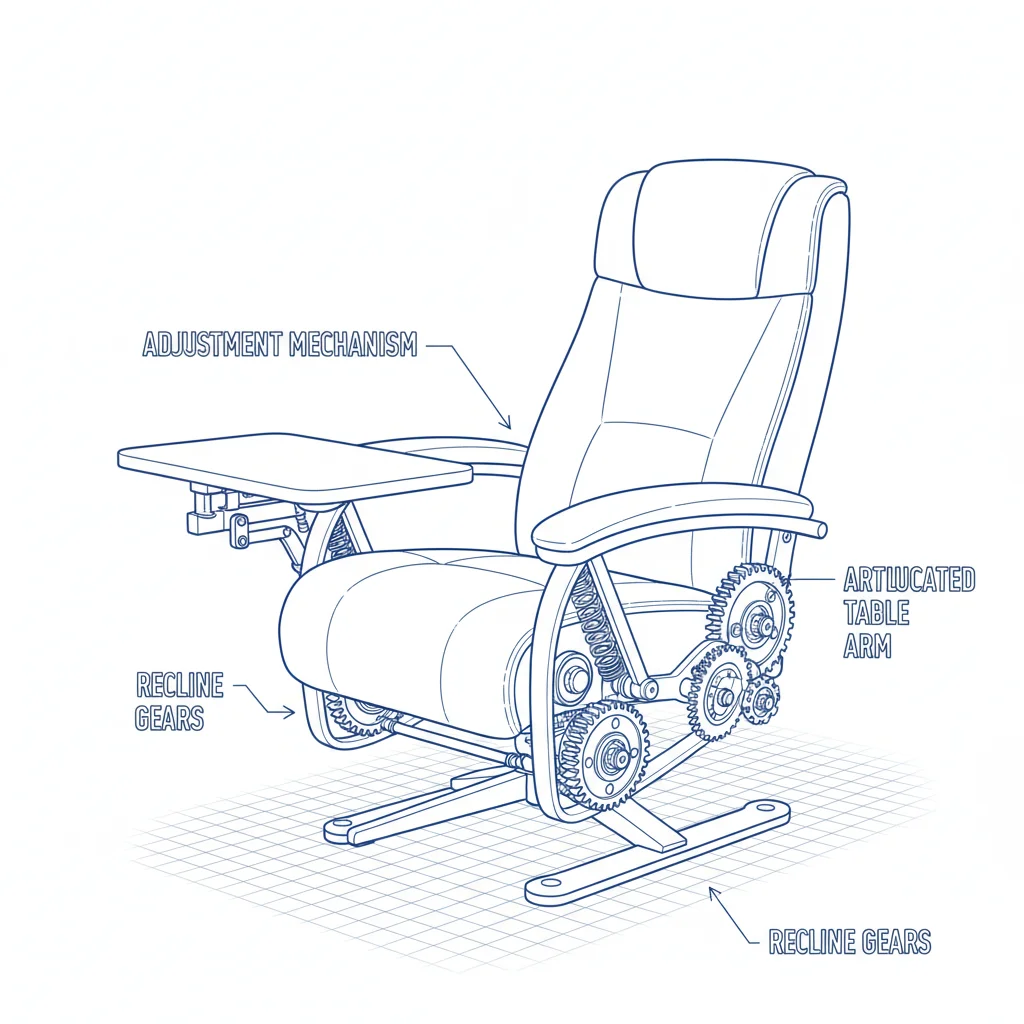
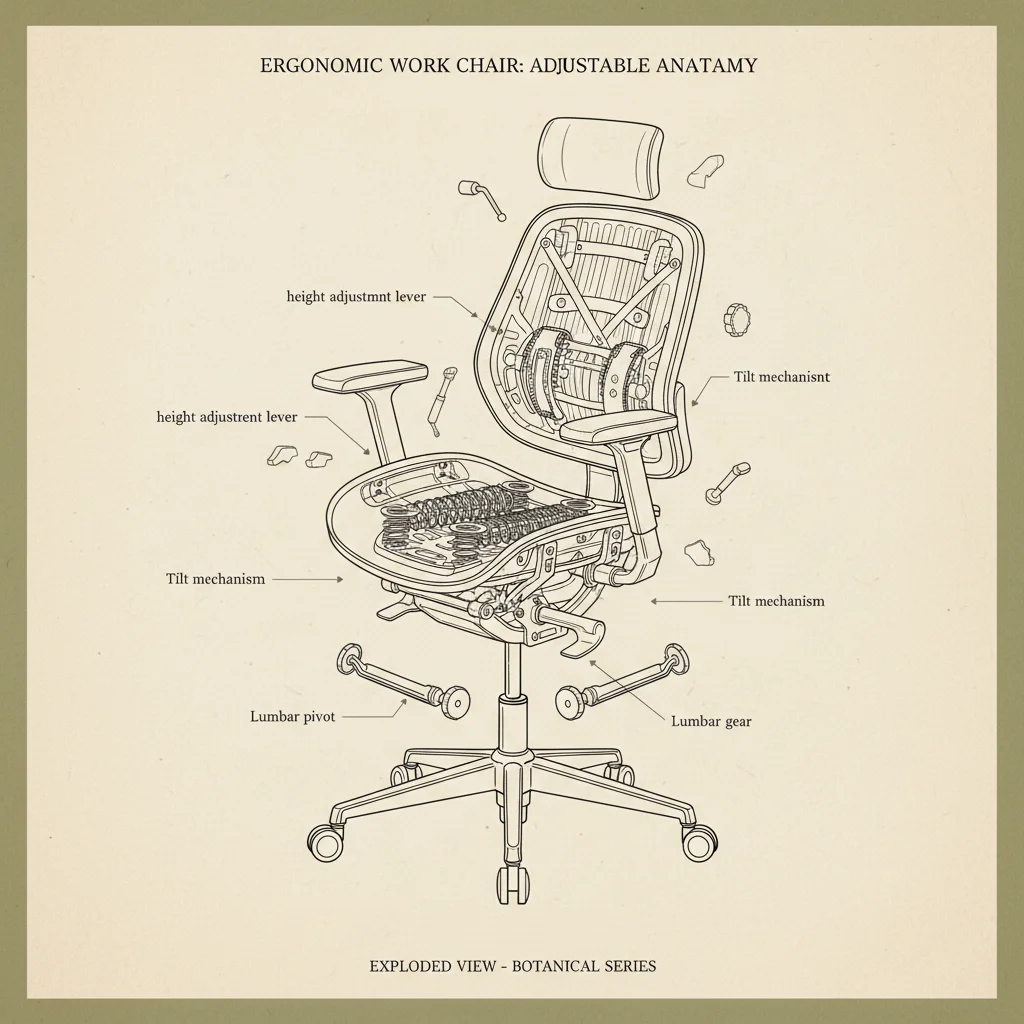
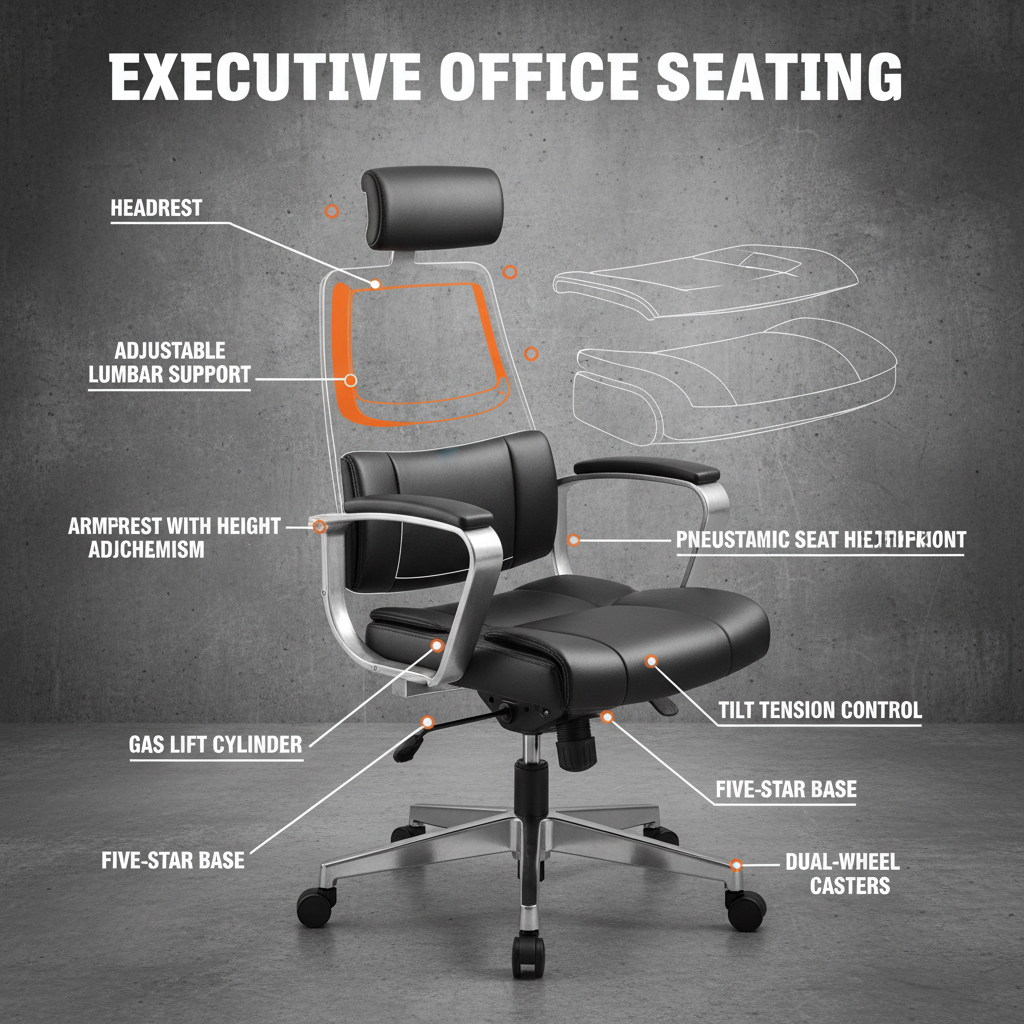
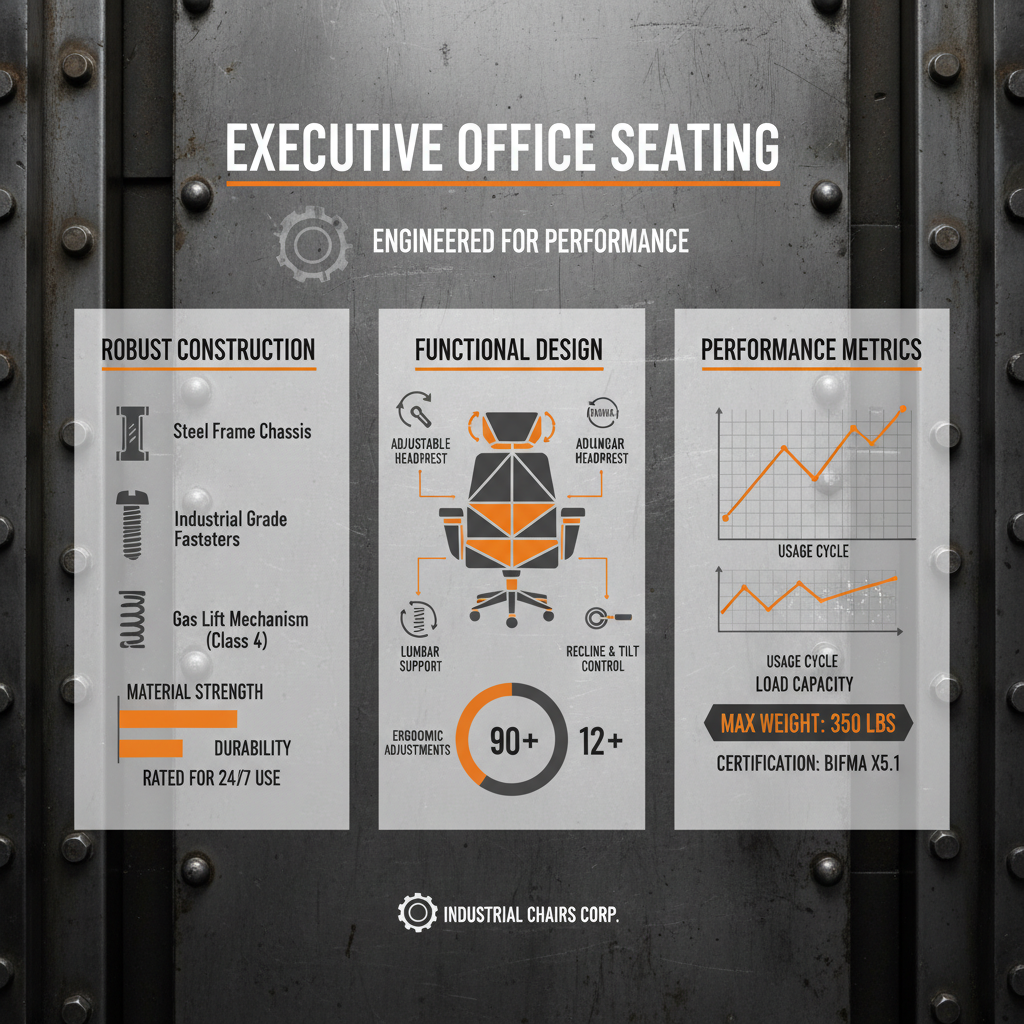
Several key components define the quality and functionality of premium executive office seating. Firstly, the ergonomic design is paramount, incorporating features such as adjustable lumbar support, seat depth adjustment, and armrest customization. These adjustments allow users to personalize the chair to their unique body shape and work habits, minimizing strain and maximizing comfort.

Secondly, the materials used in construction play a crucial role. High-density foam cushioning provides long-lasting support and resists compression, while durable fabrics or genuine leather contribute to both comfort and aesthetic appeal. The chair's base, typically constructed from robust steel or aluminum, ensures stability and longevity. Finally, the quality of the tilt mechanism and swivel function contribute to the chair’s overall usability and user experience.

Beyond these core elements, features like headrests, built-in massage functions, and breathable mesh backs further enhance the comfort and functionality of executive seating. These additions cater to a wider range of preferences and provide additional support for extended periods of use.

Practical Applications Across Industries

The application of executive office seating extends far beyond traditional corporate environments. In the financial sector, for example, traders and analysts require chairs that provide unwavering support during long, high-pressure workdays. Law firms prioritize seating that promotes good posture and reduces the risk of back pain among lawyers who spend countless hours reviewing documents.

In the healthcare industry, administrative staff and executives benefit from ergonomic seating that minimizes fatigue and promotes focus. Furthermore, in the technology sector, where innovation and creativity are paramount, comfortable and supportive seating can contribute to a more relaxed and productive work environment.

Executive Office Seating Preference by Industry

The Long-Term Value Proposition

Investing in high-quality executive office seating offers substantial long-term value, extending beyond immediate comfort. Reduced healthcare costs associated with musculoskeletal disorders represent a significant financial benefit. Improved employee morale and productivity translate into increased efficiency and profitability. Furthermore, a commitment to ergonomic design demonstrates a company’s dedication to its employees’ well-being, fostering a positive and engaged work culture.

From a sustainability perspective, durable and well-maintained executive seating reduces the need for frequent replacements, minimizing waste and environmental impact. The emotional benefits of providing comfortable and supportive seating – a sense of value, respect, and care – should not be underestimated.

Future Trends and Innovations

The future of executive office seating is poised for significant innovation. We’re seeing a growing trend towards incorporating smart technology, such as sensors that monitor posture and provide real-time feedback. Adaptive seating systems, which automatically adjust to the user’s body and movements, are also gaining traction.

Sustainable materials and manufacturing processes are becoming increasingly important, with manufacturers exploring the use of recycled plastics, bio-based foams, and carbon-neutral production methods. The integration of AI and machine learning could lead to personalized seating solutions tailored to individual needs and preferences, optimizing both comfort and performance.

Common Challenges and Innovative Solutions

One common challenge is the cost of premium executive seating, which can be prohibitive for some businesses. Innovative financing options, such as leasing programs or subscription models, can help to overcome this barrier. Another challenge is ensuring inclusivity, catering to a diverse range of body types and physical needs. Manufacturers are addressing this by offering a wider range of sizes and adjustable features.

Maintaining the longevity of executive seating is also a concern. Regular maintenance and repair services, coupled with the use of durable materials, can extend the lifespan of chairs and reduce the need for replacements. Furthermore, the industry is exploring circular economy models, where chairs are designed for disassembly and component reuse.

The key is to proactively address these challenges through thoughtful design, sustainable practices, and innovative business models, ensuring that all employees have access to comfortable, supportive, and ergonomically sound executive seating.

Executive Office Seating: Key Features and Performance Metrics

Feature Category Performance Metric Rating (1-10) Improvement Potential
Ergonomic Support Lumbar Adjustment Range 9 Minor tweaks to fine-tune precision.
Material Quality Durability of Fabric/Leather 8 Explore more abrasion-resistant materials.
Adjustability Range of Armrest Adjustments 7 Increase flexibility in armrest height & rotation.
Build Quality Base Stability & Weight Capacity 9.5 Continue rigorous testing for long-term durability.
Aesthetic Design Overall Visual Appeal 8.5 Offer wider variety of color/style options.
Sustainability Percentage of Recycled Materials 6 Increase use of recycled and renewable materials.

FAQS

What is the ideal height adjustment range for executive office seating?

The ideal height adjustment range for executive office seating should be at least 4-6 inches, allowing users to position their feet flat on the floor with their knees at a 90-degree angle. This promotes proper circulation and reduces strain on the lower back. A wider range accommodates a broader spectrum of user heights and ensures optimal ergonomic support, leading to increased comfort and productivity throughout the workday. Consider chairs with pneumatic height adjustment for smooth and precise control.

How often should I replace my executive office chair?

The lifespan of an executive office chair depends on its build quality, usage frequency, and maintenance. However, as a general guideline, a high-quality chair should last between 5-10 years. Signs that indicate it’s time for a replacement include significant wear and tear, broken or malfunctioning adjustments, and a noticeable loss of support or cushioning. Prioritizing regular maintenance, such as cleaning and tightening screws, can extend its lifespan.

Are mesh-backed executive chairs as supportive as those with upholstered backs?

Mesh-backed executive chairs can be just as supportive as those with upholstered backs, provided they are made with high-quality mesh and feature a well-designed ergonomic framework. The key is the tension and weave of the mesh – it should provide firm support without being restrictive. Mesh also offers excellent breathability, keeping users cool and comfortable during extended periods of sitting, making it a great option for warmer climates.

What is the importance of lumbar support in executive office seating?

Lumbar support is crucial in executive office seating because it helps maintain the natural curvature of the spine, preventing lower back pain and promoting good posture. Adjustable lumbar support is even more beneficial, allowing users to customize the level of support to their individual needs. Insufficient lumbar support can lead to fatigue, discomfort, and long-term spinal issues.

How does chair material affect comfort and durability?

Chair material significantly impacts both comfort and durability. Leather offers a luxurious feel and is highly durable but can be more expensive. High-grade fabrics are a more affordable option and can provide excellent comfort and breathability. The density of the foam cushioning also plays a crucial role, with higher-density foam providing better support and longevity. Consider the overall environment and usage when selecting the appropriate material.

What are the benefits of adjustable armrests in executive chairs?

Adjustable armrests offer numerous benefits in executive office seating. They allow users to support their arms and shoulders, reducing strain on the neck and upper back. Adjustable height, width, and depth customize support to individual preferences and work styles. Properly adjusted armrests promote good posture and can improve typing comfort and reduce the risk of repetitive strain injuries.

Conclusion

In conclusion, investing in quality executive office seating is far more than just a purchase—it’s an investment in employee well-being, productivity, and long-term organizational success. By understanding the core components, practical applications, and future trends associated with executive seating, businesses can make informed decisions that create thriving work environments. Prioritizing ergonomics, sustainability, and individual comfort will yield significant returns in terms of reduced healthcare costs, increased employee engagement, and enhanced performance.

Looking ahead, the integration of smart technology and sustainable materials will continue to shape the future of executive seating. We encourage businesses to stay informed about these innovations and adopt solutions that align with their values and goals. Visit our website at www.cdgamingfurniture.com to explore our extensive range of executive office seating options and discover how we can help you create a workplace that supports both your employees and your bottom line.

Jasper Holloway

Jasper Holloway

Jasper Holloway is a Senior Quality Control Engineer at Chengda Gaming Furniture. He ensures that every chair and desk leaving our facility meets our rigorous standards for durability and safety. Jasper has a background in Mechanical Engineering from Georgia Tech and five years experience in furniture manufacturing. He oversees the testing of raw materials, monitors the production process, and implements continuous improvement initiatives to maintain our high quality. He’s dedicated to providing customers with furniture that lasts.
Previous The Essential Guide to Choosing the Right Executive Office Chair
Next Modern Design Guide for Professional Executive Office Seating Area

If you are interested in our products, you can choose to leave your information here, and we will be in touch with you shortly.