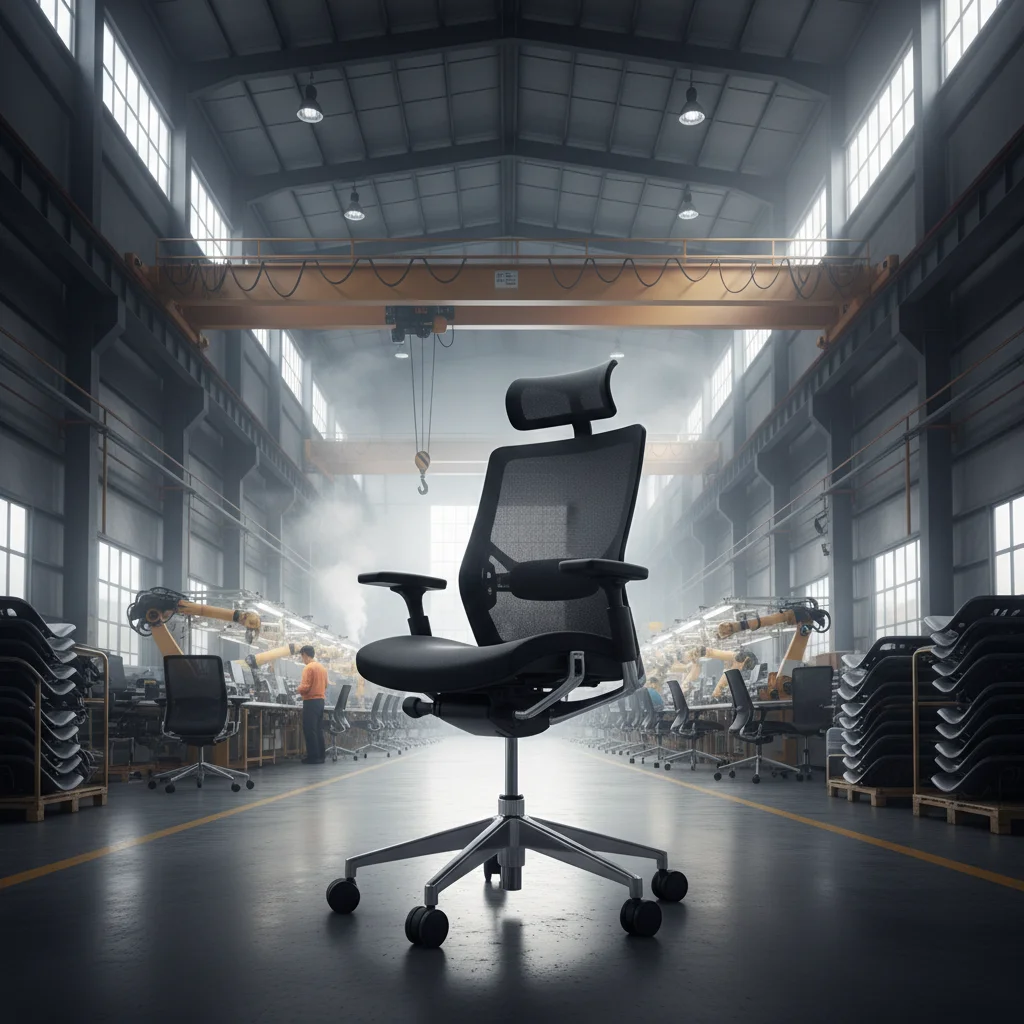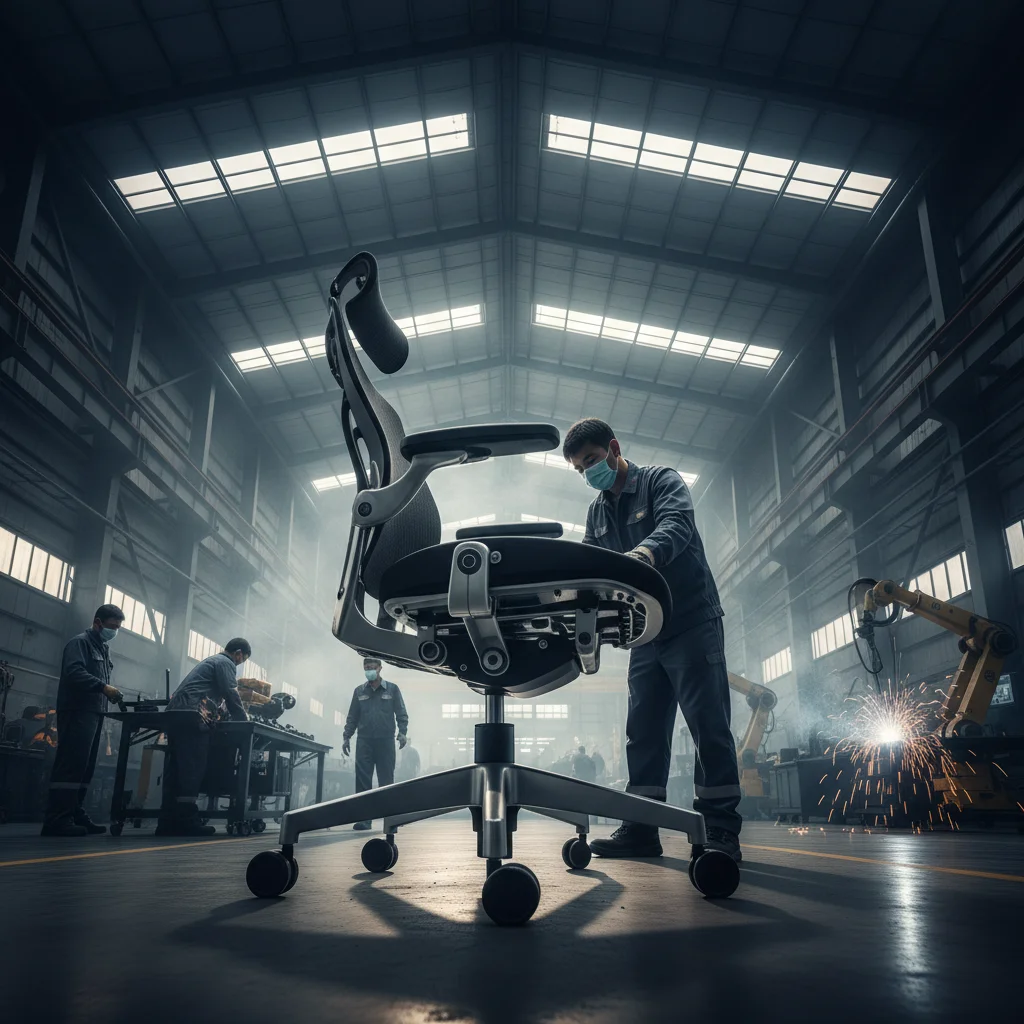
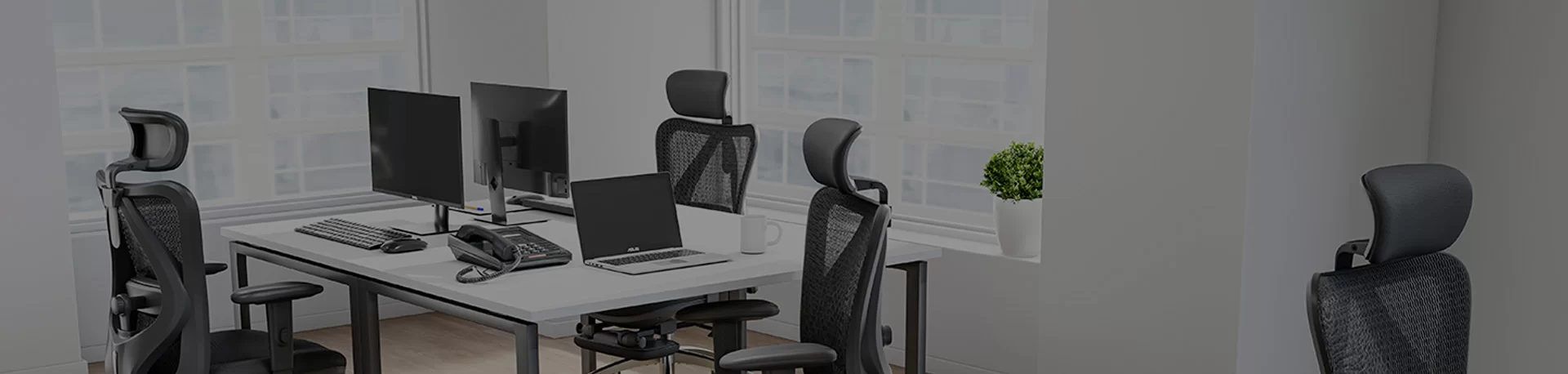
The modern workplace is evolving, demanding flexibility and efficient use of space. This has led to a significant rise in the popularity of the compact office chair, a seating solution designed for smaller offices, home workspaces, and dynamic work environments. These chairs prioritize ergonomics, comfort, and functionality within a reduced footprint, making them an increasingly vital component of the contemporary work setup. They address the need for productive workspaces even when square footage is limited, contributing to employee well-being and optimizing office layouts.
Globally, the demand for space-saving office furniture is driven by factors like urbanization, the gig economy, and the growing trend of remote work. According to a 2023 report by Statista, the global office furniture market is projected to reach $38.88 billion by 2028, with a substantial portion attributed to compact and adaptable solutions. This trend isn't limited to developed nations; emerging economies also face similar challenges in creating efficient workspaces. The compact office chair plays a critical role in enabling businesses to maximize productivity regardless of physical space constraints.
Ultimately, the importance of the compact office chair lies in its ability to bridge the gap between space limitations and the necessity for comfortable, ergonomic, and productive work environments. It represents a pragmatic response to evolving workplace needs and contributes to a more sustainable and efficient utilization of resources.
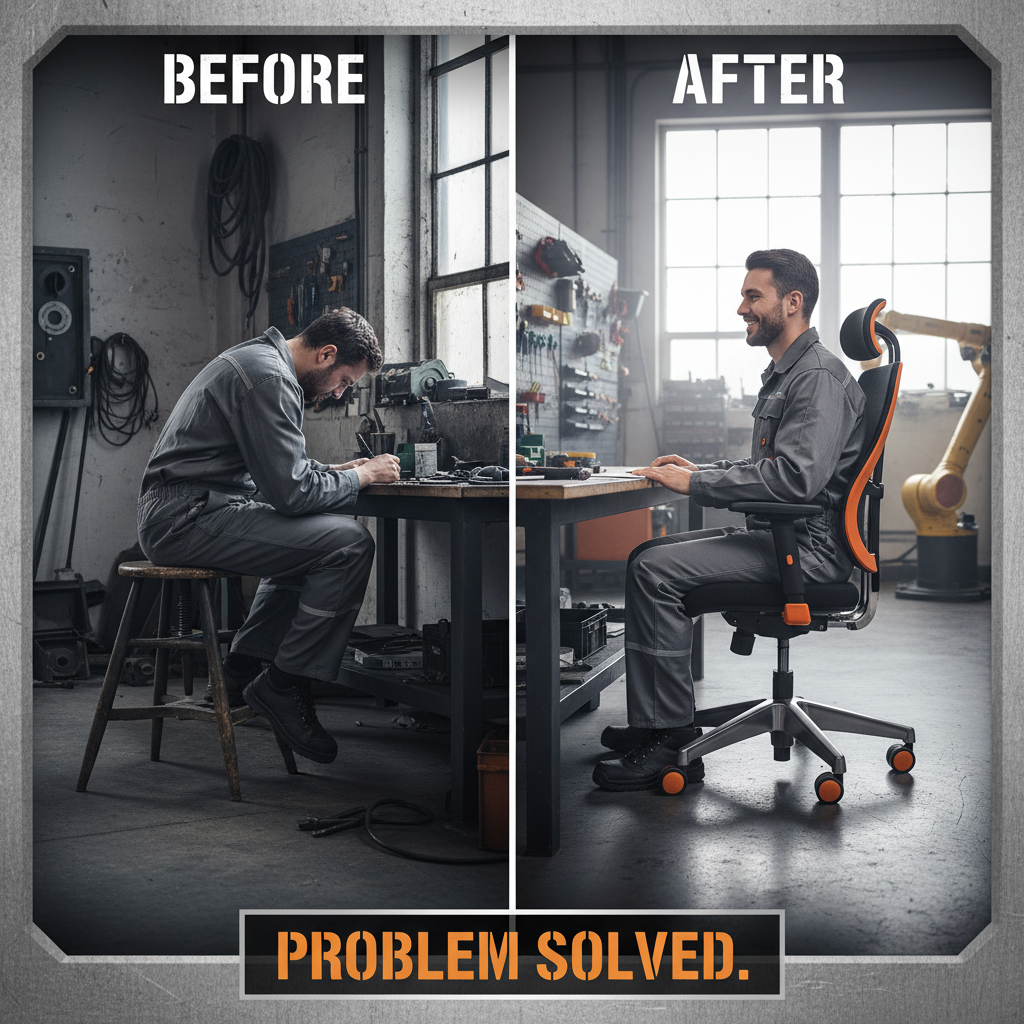
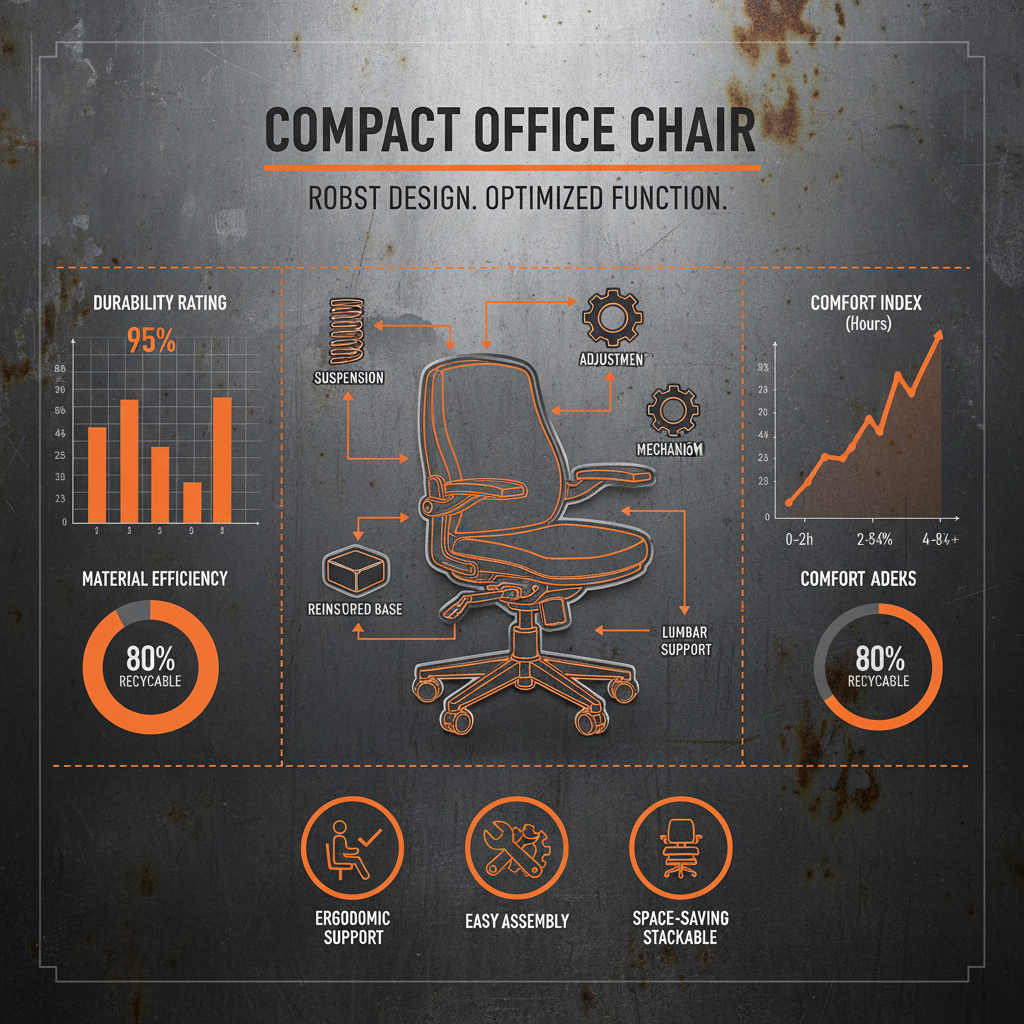
The core concept behind a compact office chair isn’t simply about size reduction; it’s about intelligent design that maximizes functionality within minimal space. These chairs are engineered to provide the same level of ergonomic support and comfort as their full-sized counterparts, but with a smaller overall footprint. This is achieved through innovative folding mechanisms, streamlined designs, and the use of lightweight, durable materials.
The proliferation of compact office chairs is driven by a confluence of factors including increasing urbanization, the rise of flexible work arrangements, and the growing awareness of the importance of ergonomic office setups even in confined spaces. They represent a practical solution for businesses and individuals looking to optimize their workspace without sacrificing comfort or productivity.
When selecting a compact office chair, prioritize adjustable lumbar support, seat height adjustment, and armrests. These features are vital for maintaining proper posture and reducing strain during prolonged sitting. A breathable mesh back is also beneficial for temperature regulation. Look for chairs that meet industry ergonomic standards and offer a good range of adjustments to personalize the fit to your body type and workspace requirements. Ensure the chair supports your lower back and allows your feet to rest flat on the floor.
Durability varies depending on the materials and construction quality. High-quality compact office chairs can be just as durable as standard chairs. Look for chairs with a sturdy frame (steel is preferable), a high weight capacity, and durable upholstery (such as mesh or high-grade fabric). Regular maintenance, such as tightening screws and cleaning the upholstery, will further extend the lifespan of any chair. It’s crucial to check the manufacturer’s warranty and read customer reviews to gauge the long-term reliability.
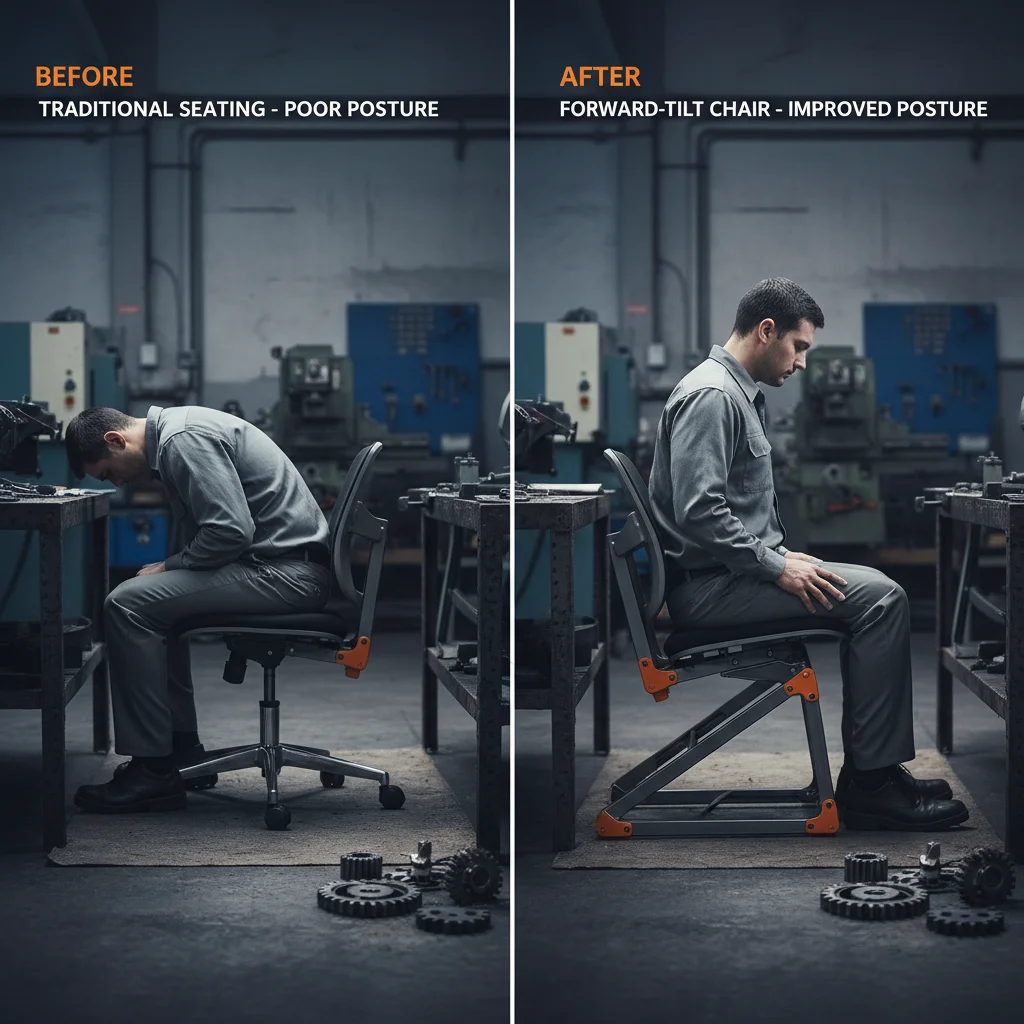
A well-designed compact office chair can be beneficial for individuals with back pain, but it's not a guaranteed solution. Adjustable lumbar support is crucial for providing proper spinal alignment. The chair should allow you to maintain a neutral posture with your feet flat on the floor and your knees at a 90-degree angle. Consulting with a healthcare professional or ergonomist is recommended to determine the best chair for your specific needs. It's important to remember that a chair is only one component of a comprehensive back pain management strategy.
The price of a good quality compact office chair can vary widely depending on features, materials, and brand. Generally, you can expect to pay between $150 and $500 for a chair with essential ergonomic features and decent durability. Higher-end models with advanced adjustments, premium materials, and smart technology can cost upwards of $600. It’s important to balance your budget with your needs and prioritize features that are most important for your comfort and well-being.
Most compact office chairs are designed for relatively easy self-assembly. They typically come with clear instructions and all the necessary tools. The assembly process usually involves attaching the wheels, backrest, armrests, and seat to the base. However, assembly time can vary depending on the complexity of the chair. Some retailers offer assembly services for an additional fee if you prefer not to assemble the chair yourself.
Yes, many manufacturers offer compact office chairs with higher weight capacities and wider seat widths to accommodate larger individuals. Look for chairs specifically marketed as “big and tall” or check the manufacturer’s specifications to ensure the chair can comfortably support your weight and body type. Features like reinforced frames and wider armrests are particularly important for larger users.
In conclusion, the compact office chair has emerged as an essential component of the modern workspace, offering a versatile and efficient solution for individuals and businesses alike. Their ability to provide ergonomic support, maximize space utilization, and adapt to various work environments makes them a compelling choice for a wide range of applications. As workstyles continue to evolve, the demand for these chairs is expected to grow, driven by the need for flexible, comfortable, and productive work solutions.
Looking ahead, continued innovation in materials, design, and technology will further enhance the functionality and appeal of compact office chairs. By prioritizing sustainability, personalized comfort, and intelligent features, manufacturers can create chairs that not only meet the current needs of the workforce but also anticipate and address the challenges of the future. Visit our website at www.cdgamingfurniture.com to explore our range of compact office chairs and find the perfect solution for your workspace!

If you are interested in our products, you can choose to leave your information here, and we will be in touch with you shortly.