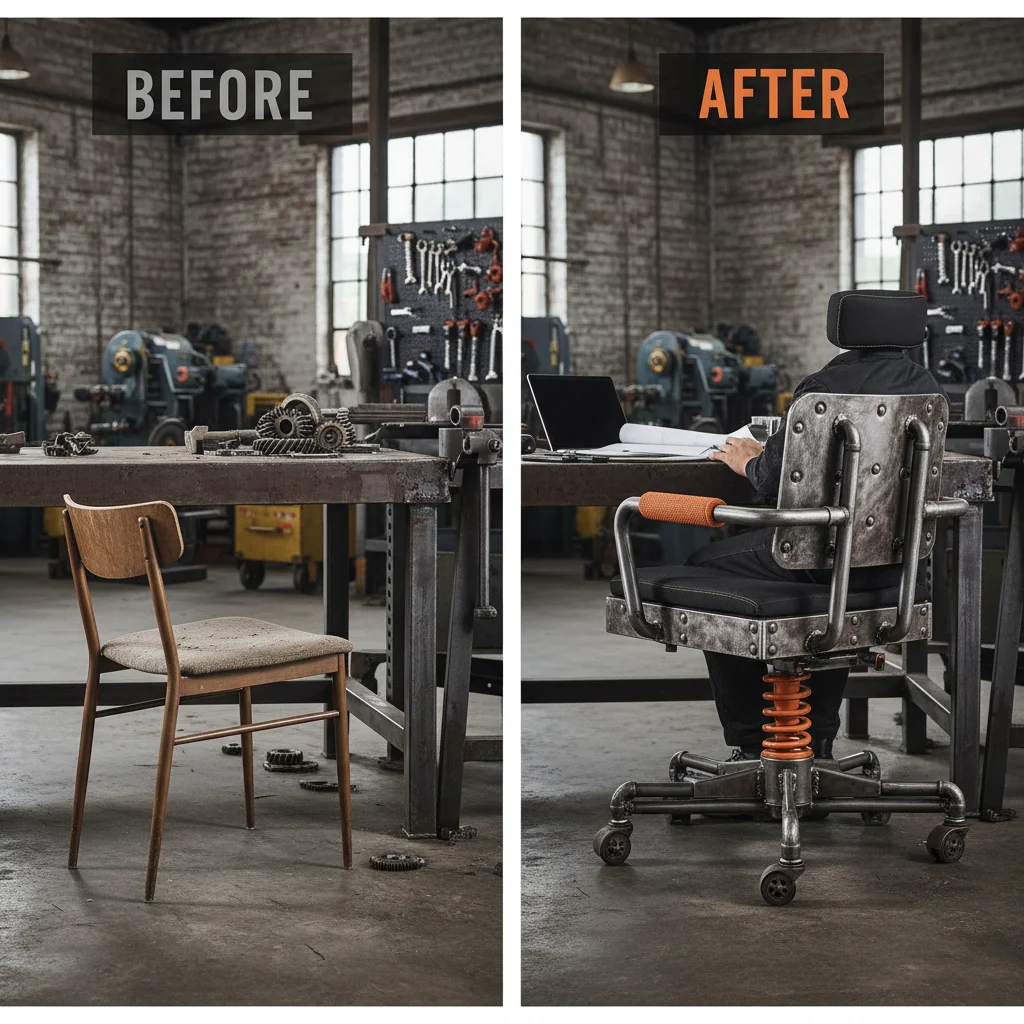
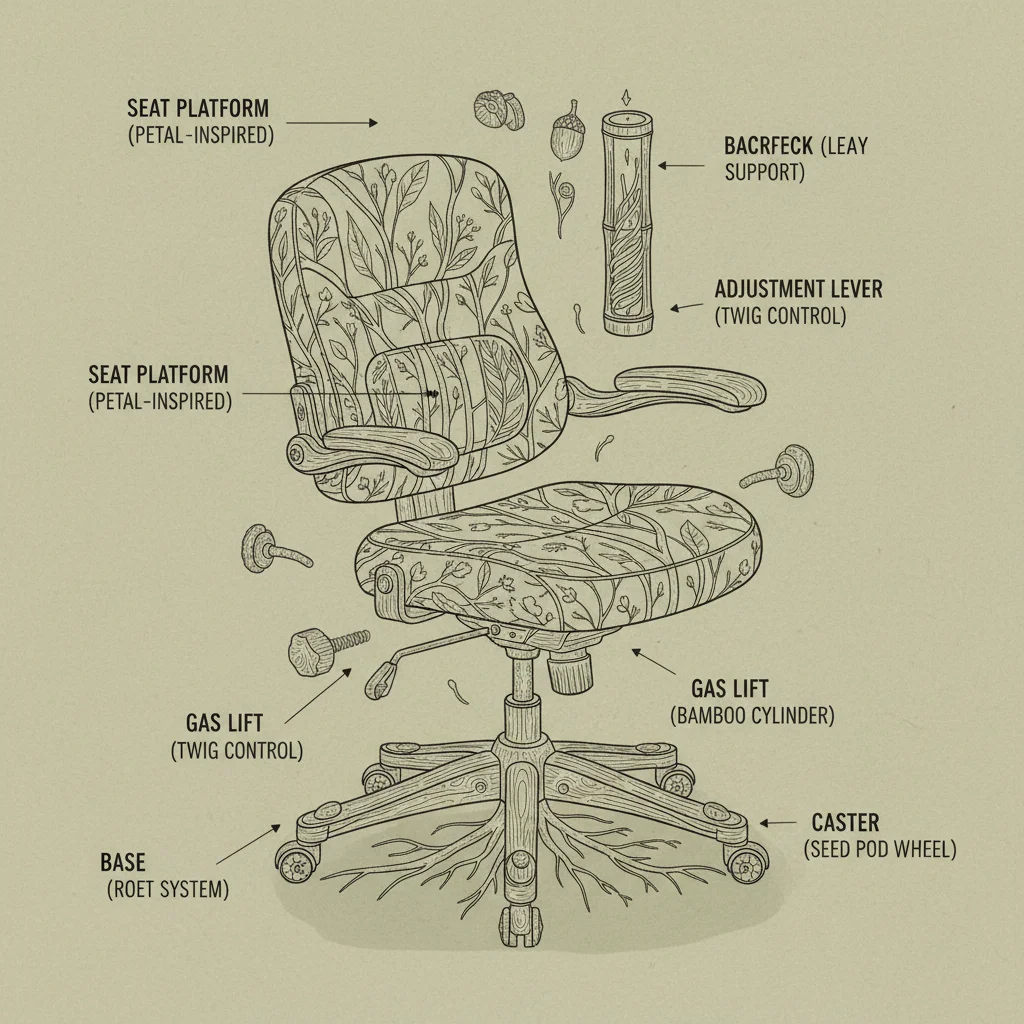
In the modern corporate landscape, the intersection of productivity and wellness has given rise to a new standard of office luxury: executive recliners. These high-performance seating solutions are no longer just symbols of status but essential tools for maintaining physical health during grueling workdays. By blending ergonomic precision with the comfort of a lounge chair, they address the critical need for dynamic positioning in the workplace.
Globally, the shift toward hybrid work and extended screen time has exacerbated issues related to sedentary behavior and spinal misalignment. According to workplace health statistics and ISO ergonomic standards, prolonged sitting without postural variation can lead to a significant decrease in cognitive function and an increase in chronic musculoskeletal disorders. This is where the versatility of a reclining mechanism becomes a strategic asset for the modern professional.
Understanding the engineering behind executive recliners allows businesses and individuals to make informed investments in their long-term health. From advanced lumbar support to premium metallic frames, these chairs are designed to reduce pressure on the lower back and improve blood circulation, ultimately fostering a more focused and energized professional environment.
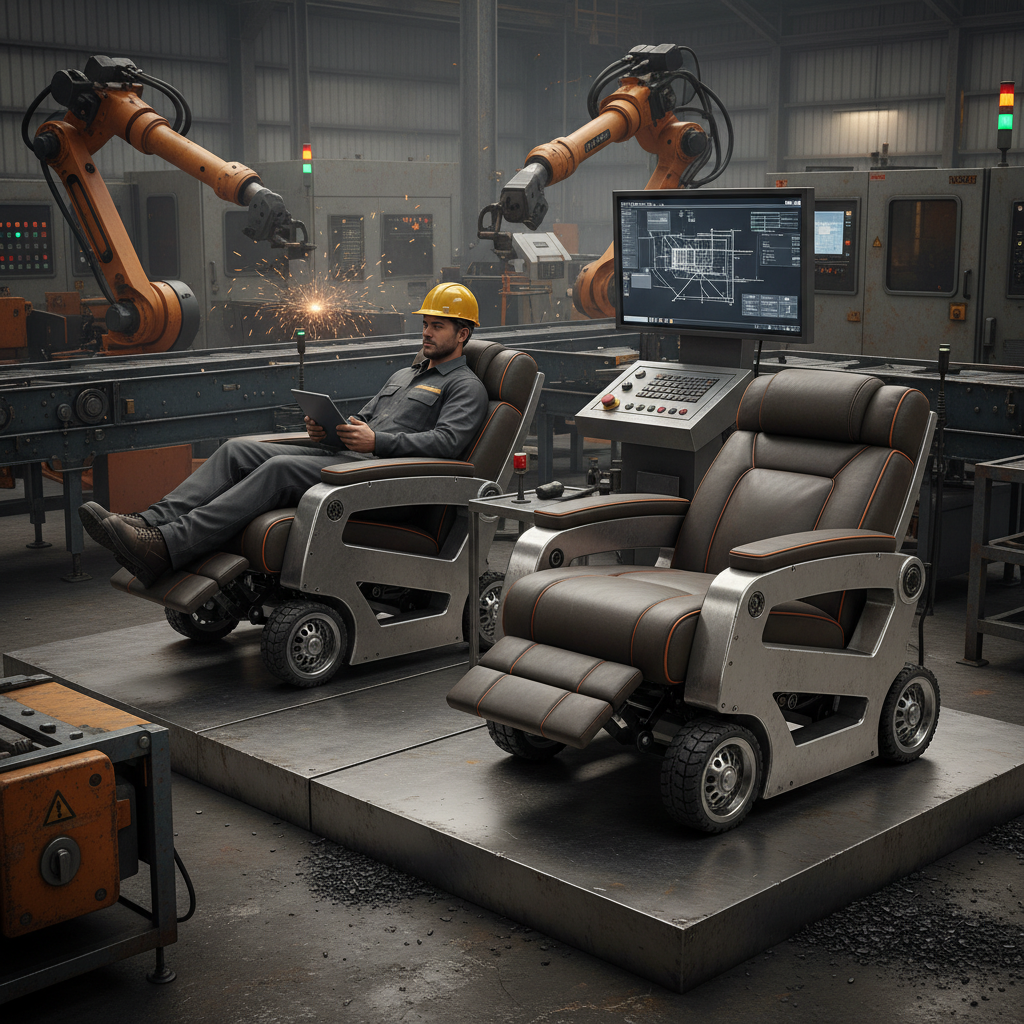
Global Industry Context of Executive Recliners
The global furniture market has witnessed a paradigm shift as the boundary between "office" and "home" blurs. executive recliners have evolved from niche luxury items to mainstream requirements for C-suite executives and remote power-users. This trend is driven by a global increase in sedentary professional roles and a growing awareness of the "sitting disease" that affects millions of workers worldwide.
Industry data suggests that integrating adjustable recline angles into office seating can reduce spinal disc pressure by up to 30% compared to static upright chairs. As companies strive to meet ESG (Environmental, Social, and Governance) goals, investing in high-quality ergonomic hardware is seen as a direct investment in employee retention and health, reducing the long-term cost of medical leaves.
Defining the Modern Executive Recliner
At its core, executive recliners are specialized seating systems that combine the professional aesthetic of an office chair with the physiological benefits of a recliner. Unlike standard task chairs, these units feature a sophisticated tilt-and-lock mechanism that allows the user to transition seamlessly from a focused upright position to a relaxed angle for reflection or brief respite.
From a manufacturing perspective, these chairs are a marvel of metal furniture engineering. They utilize heavy-duty steel frames and reinforced gas lifts to support higher weight capacities while maintaining a smooth, silent transition between angles. This structural integrity is what separates a professional-grade executive recliner from a residential lounge chair.
In the context of modern humanitarian and professional needs, these chairs address the "mental fatigue" aspect of high-pressure jobs. By allowing a user to change their physical state without leaving their workstation, they promote a "micro-break" culture that is essential for maintaining high cognitive performance over a twelve-hour workday.
Core Components of High-End Seating
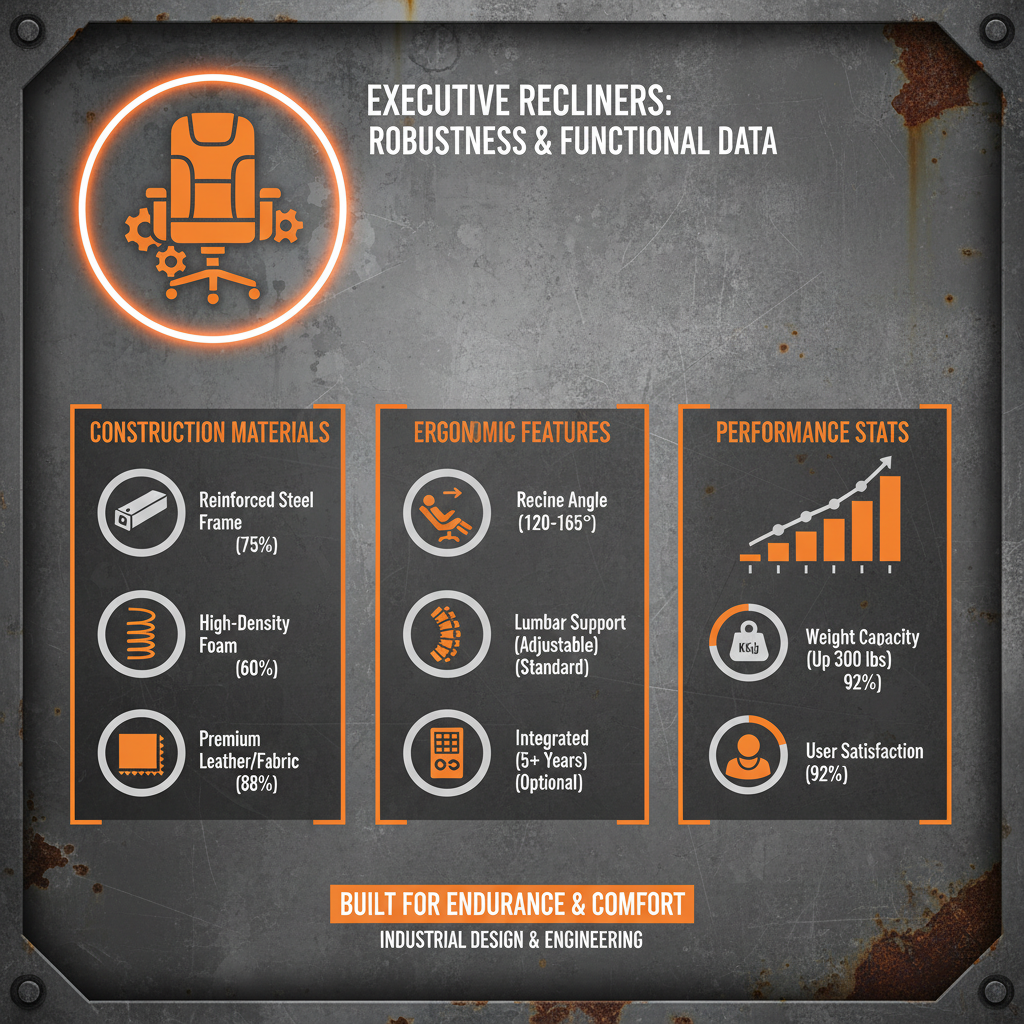
The durability of executive recliners depends heavily on the quality of the chassis. A reinforced metal frame is non-negotiable, ensuring that the chair does not warp or squeak under the stress of frequent reclining. This industrial-grade foundation provides the scalability needed for diverse body types and long-term daily usage.
Scalability in comfort is achieved through multi-density foam layering. High-resilience (HR) foam is typically used in the seat base to prevent sagging, while softer, memory-foam layers are integrated into the headrest and lumbar regions. This strategic layering ensures that executive recliners provide immediate comfort without sacrificing long-term support.
Finally, the cost-efficiency of these chairs is realized in their longevity. By utilizing wear-resistant materials such as top-grain leather or high-breathability mesh, manufacturers reduce the need for frequent replacements. When paired with a precision-engineered reclining mechanism, the total cost of ownership over a decade is significantly lower than purchasing multiple budget-tier office chairs.
Practical Applications and Performance Metrics
In real-world settings, executive recliners serve different functions depending on the user's workflow. For a CEO, the chair is a tool for both intense decision-making and strategic contemplation. For a software architect or a high-end gamer, it is a sanctuary that prevents fatigue during deep-work sessions that can last for several hours.
The efficacy of these chairs can be measured through specific performance metrics, including the angle of recline, the responsiveness of the lumbar support, and the distribution of weight across the seat pan. When compared to traditional mesh chairs or gaming chairs, the executive recliner consistently scores higher in "long-duration comfort" and "postural versatility."
Ergonomic Performance Comparison of Executive Recliners
Global Use Cases Across Industries
Beyond the traditional corporate office, executive recliners are finding critical use cases in high-stress environments. For instance, in air traffic control centers or security monitoring hubs, operators must remain alert for long shifts. The ability to recline slightly helps in reducing physical fatigue and maintaining cognitive vigilance.
In the luxury residential sector, particularly in home offices in North America and Europe, these chairs bridge the gap between professional utility and domestic comfort. They are often integrated into "executive suites" where the user needs to switch between video conferencing and deep reading or relaxing, making the chair a multifunctional piece of furniture.
Long-Term Value and Psychological Impact
The value of investing in premium executive recliners extends far beyond the physical. There is a strong psychological correlation between the quality of one's workspace and their sense of professional dignity. A chair that supports the body and exudes quality reinforces a sense of authority and self-worth, which can lead to increased confidence and productivity.
Furthermore, from a sustainability angle, choosing a high-quality metal-frame recliner is an eco-friendly decision. Cheaper plastic chairs end up in landfills every two to three years. In contrast, a well-engineered executive recliner can last a decade or more, significantly reducing the environmental footprint of a company's procurement cycle.
Reliability and trust are the ultimate currencies in the furniture industry. When a user knows their chair will consistently support them without mechanical failure, they can focus entirely on their work. This peace of mind is an intangible but vital benefit of high-end ergonomic engineering.
Future Trends in Ergonomic Innovation
The future of executive recliners is leaning heavily toward "smart" integration. We are seeing the emergence of sensors that monitor posture in real-time and gently vibrate to alert the user when they have been in one position for too long. This fusion of IoT and furniture transforms the chair from a passive tool into an active health coach.
Materials science is also evolving. We expect to see more biodegradable high-performance polymers and recycled ocean plastics integrated into the frames, combined with vegan leathers that offer the same breathability and luxury as animal hides. This shift ensures that luxury does not come at the expense of the planet.
Automation in the reclining mechanism—such as voice-controlled or app-integrated tilting—will further personalize the experience. Imagine a chair that automatically adjusts to a "focus mode" for meetings and a "recovery mode" for breaks, based on your digital calendar.
Comparative Analysis of Executive Recliner Material and Design Specifications
|
Design Series
|
Primary Material
|
Ergonomic Score
|
Expected Lifespan
|
| Classic Executive |
Genuine Leather / Steel |
8/10 |
10-12 Years |
| Modern Mesh Pro |
Breathable Polymer / Alu |
9/10 |
7-9 Years |
| Hyper-Comfort Hybrid |
Memory Foam / Steel |
10/10 |
8-10 Years |
| Eco-Friendly Line |
Recycled Fabric / Alu |
7/10 |
6-8 Years |
| Power-Tilt Deluxe |
Nappa Leather / Steel |
9/10 |
12-15 Years |
| Compact Exec |
PU Leather / Steel |
6/10 |
4-6 Years |
FAQS
The primary advantage lies in postural flexibility. While standard chairs keep you in a fixed upright position, executive recliners allow you to shift your center of gravity, reducing pressure on the lumbar discs and promoting better circulation. This versatility is critical for those spending more than 8 hours a day at a desk, as it prevents the stiffness and fatigue associated with static sitting.
It depends on your environment and preference. Genuine leather offers unmatched luxury and durability but can be warm in summer. Breathable mesh is ideal for warmer climates and promotes airflow. High-density memory foam is best for those prioritizing maximum cushioning. We recommend considering the local climate and your daily usage duration when selecting a material.
Yes, provided they have adjustable lumbar support and a reliable reclining mechanism. By allowing the user to recline, the chair redistributes body weight more evenly across the backrest, which can alleviate pressure on the lower spine. However, we always suggest consulting with a healthcare professional to ensure the specific ergonomic features match your medical needs.
A professional-grade executive recliner with a reinforced steel or aluminum frame typically lasts between 8 to 15 years. The lifespan depends on the quality of the gas lift and the wear-resistance of the upholstery. Regular maintenance, such as tightening bolts and conditioning leather, can extend the life of the chair significantly compared to budget plastic alternatives.
Power mechanisms offer precise, effortless adjustments and are ideal for users who change positions frequently throughout the day. Manual mechanisms are generally more durable due to fewer electronic parts and are preferred by those who want a simpler, maintenance-free experience. Both provide the same ergonomic benefits; the choice depends on your preference for convenience versus simplicity.
Absolutely. Many high-end users are switching from "gaming chairs" to executive recliners because they offer a more sophisticated look and superior ergonomic support for long-term use. The ability to recline makes them perfect for watching streams or relaxing between intense gaming sessions, blending the best of both professional and leisure worlds.
Conclusion
In summary, executive recliners represent the pinnacle of modern office seating, bridging the gap between industrial-strength durability and high-end ergonomic comfort. By integrating reinforced metal frames, adaptive foam layering, and versatile reclining mechanisms, these chairs effectively combat the physical and mental tolls of the modern professional workday. The investment in such hardware is not merely about luxury, but about safeguarding long-term health and enhancing sustainable productivity.
As we look toward a future of smart furniture and sustainable materials, the role of the executive recliner will only grow in importance. Whether you are furnishing a corporate headquarters or a private home office, prioritizing ergonomic flexibility is the most effective way to ensure a healthy, focused, and dignified working life. To explore the best in professional seating, visit our website: www.cdgamingfurniture.com.