In the modern era of fluid workspaces and compact living, the demand for versatile furniture has skyrocketed. A foldable rolling chair represents the pinnacle of this evolution, combining the mobility of a standard office chair with the space-saving capabilities of foldable designs. As more professionals transition to hybrid work models, the ability to quickly clear a room or move a workstation across a floor has become a critical requirement for productivity.
Globally, the furniture industry is shifting toward "modular efficiency," where every piece of equipment must serve multiple purposes. The integration of heavy-duty casters with a collapsible frame allows the foldable rolling chair to bridge the gap between a professional gaming setup and a minimalist home environment. This innovation is not merely about convenience; it is about optimizing the psychological and physical space we occupy during long hours of labor.
Understanding the mechanics and material science behind these chairs is essential for buyers and businesses alike. By prioritizing ergonomics without sacrificing portability, the foldable rolling chair addresses the challenge of urban overcrowding and the need for flexible industrial seating. Whether used in a high-tech gaming hub or a medical clinic, these tools are redefining how we interact with our immediate surroundings.
The Engineering Fundamentals of Foldable Rolling Chairs
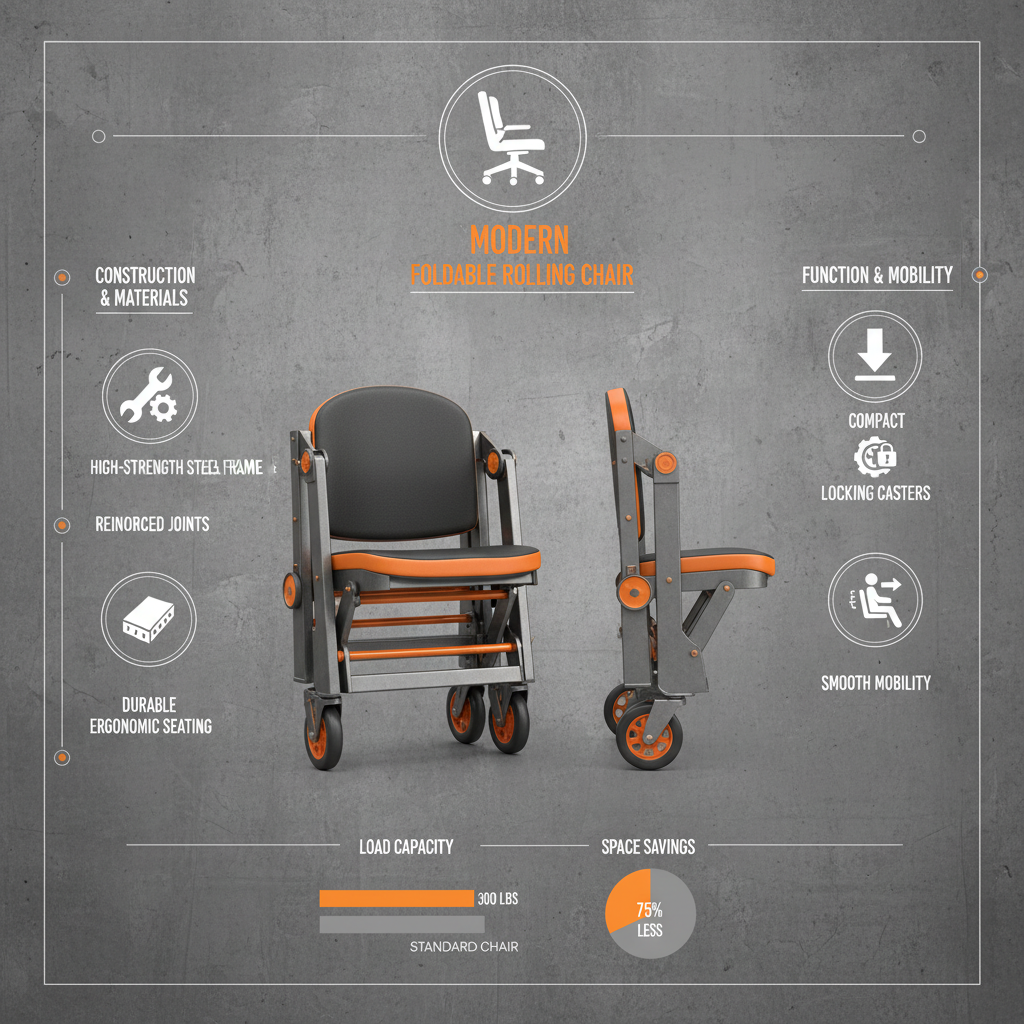
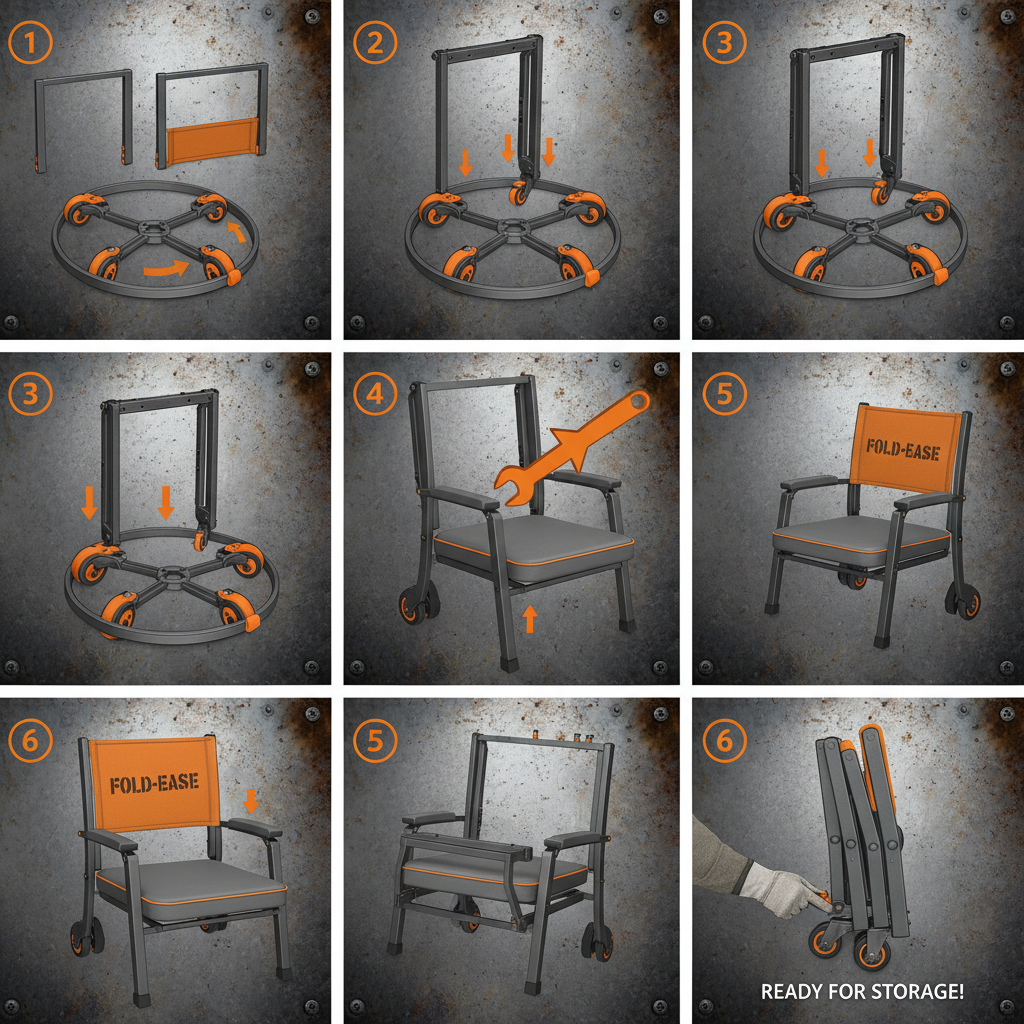
The primary engineering challenge of a foldable rolling chair is balancing structural rigidity with ease of collapse. Unlike static chairs, these units employ complex pivot points and locking mechanisms that must withstand hundreds of kilograms of pressure without failing. High-grade tubular steel or reinforced aluminum alloys are typically used to ensure that the frame does not warp over time, maintaining a precise alignment for the folding joints.
Furthermore, the integration of a rolling base requires a specific center of gravity calculation. Designers must ensure that when the chair is unfolded, the weight is distributed evenly across the casters to prevent tipping. This synergy between the folding geometry and the wheel placement is what allows the foldable rolling chair to provide a stable seating experience that rivals traditional, non-folding office furniture.
Global Market Demand and Spatial Logistics
In the contemporary global economy, the "micro-apartment" trend in cities like Tokyo, New York, and London has created a massive surge in demand for multi-functional furniture. According to urban planning data, living spaces in metropolitan hubs have decreased in average square footage over the last decade, making the foldable rolling chair a necessity rather than a luxury. Consumers now prioritize items that can be tucked away in a closet or slid under a bed when not in use.
Beyond residential use, the corporate sector is adopting "hot-desking" and agile office layouts. ISO standards for workplace ergonomics are increasingly being integrated into portable designs to ensure that mobility does not come at the cost of spinal health. The foldable rolling chair enables companies to reconfigure entire office floors in minutes, supporting a dynamic workflow that adapts to project-based team needs.
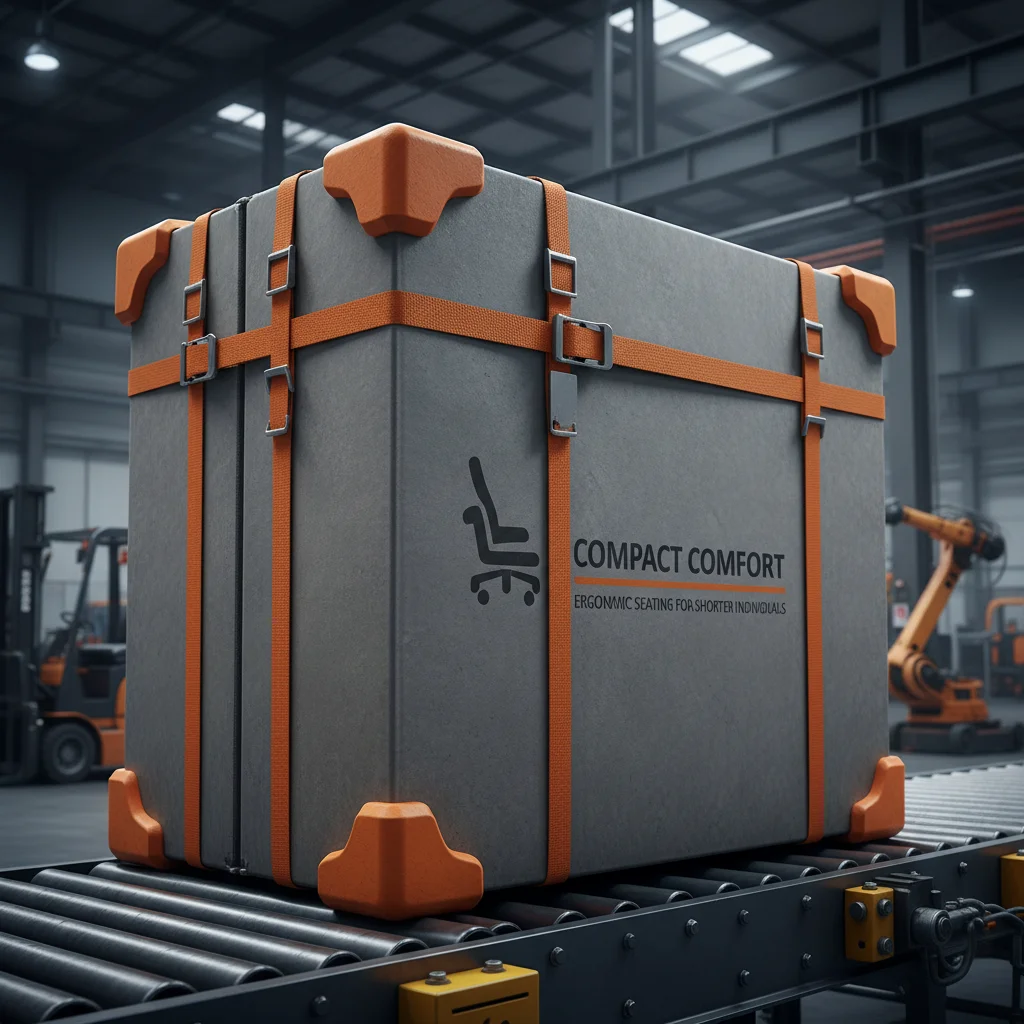
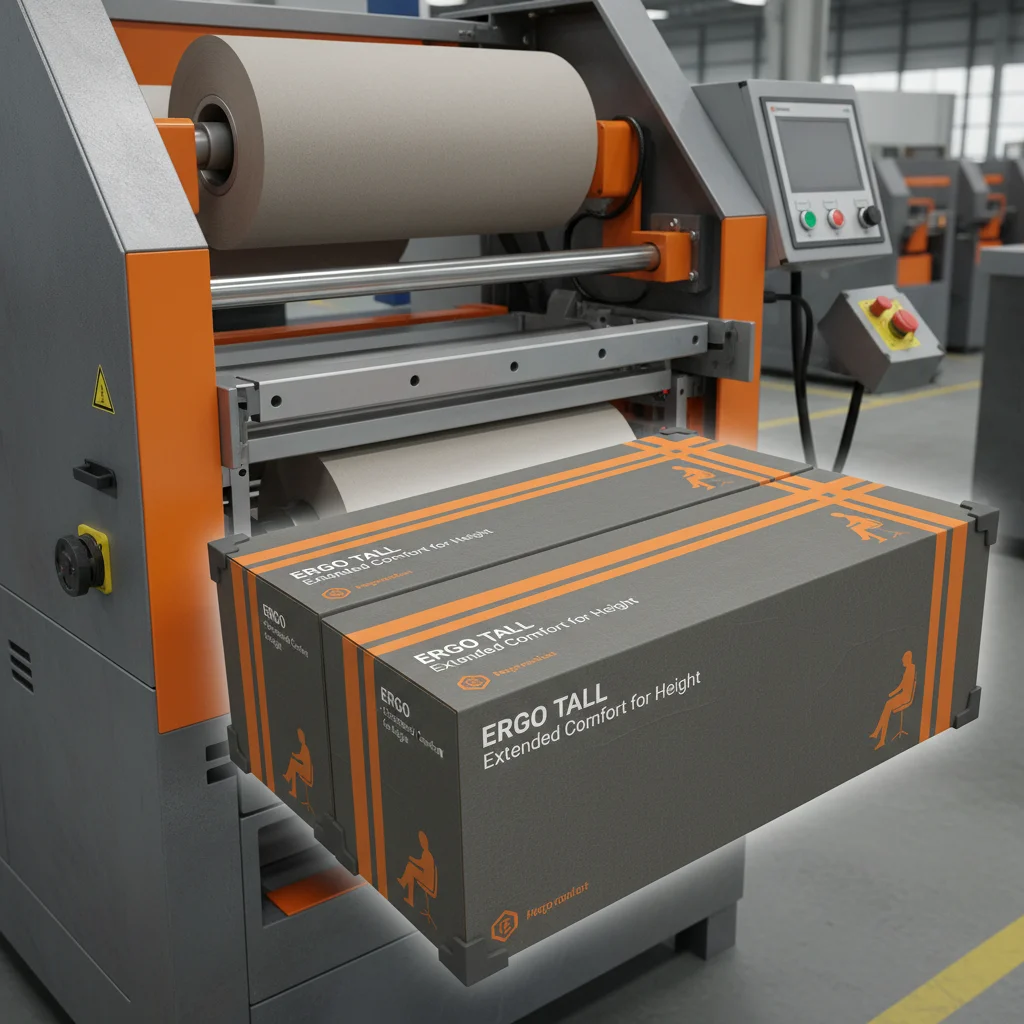
Moreover, the logistics of shipping and warehousing have been revolutionized by foldable designs. By reducing the packaged volume of the product, manufacturers can significantly lower the carbon footprint associated with transportation. This efficiency makes the foldable rolling chair an eco-friendly alternative, reducing the number of shipping containers required to move large volumes of furniture across international borders.
Core Components for Maximum Stability
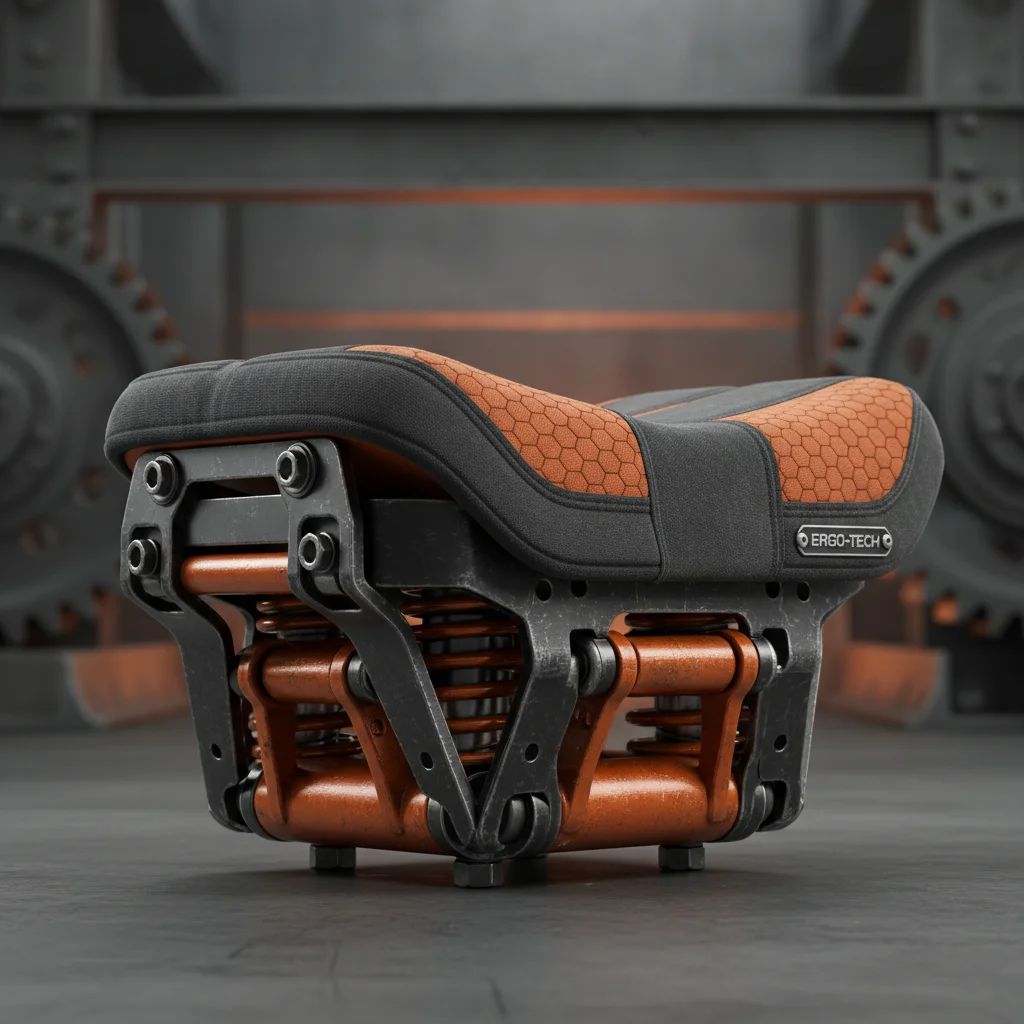
The durability of a foldable rolling chair begins with its chassis. The use of cold-rolled steel provides the necessary tensile strength to prevent the frame from bending under heavy loads, while powder coating protects the metal from oxidation and wear in high-traffic environments.
Crucial to the operation is the locking hinge system. A high-quality foldable rolling chair utilizes reinforced steel pins and spring-loaded locks that click into place, ensuring that the chair cannot accidentally fold while a user is seated, which is a critical safety requirement.
Finally, the wheel assembly—specifically the use of polyurethane (PU) casters—ensures a smooth glide across various surfaces without leaving scuff marks. This combination of a rigid frame, secure locks, and premium rollers makes the foldable rolling chair suitable for everything from hardwood floors to industrial carpets.
Comparative Performance Analysis of Folding Mechanisms
When evaluating the efficiency of a foldable rolling chair, it is important to compare different folding architectures. Some models utilize a "flat-fold" design, which is ideal for storage in narrow gaps, while others use a "compact-cube" method that minimizes the overall footprint. The choice between these mechanisms often depends on the intended use case, whether it be for a gaming room or a professional studio.
From a technical perspective, the speed of deployment and the stability of the lock are the two most important metrics. A chair that takes too long to set up loses its primary advantage, while one that feels "wobbly" fails the ergonomic test. The following data illustrates how different foldable rolling chair configurations perform across key industry benchmarks.
Foldable Rolling Chair Performance Metrics by Design
Real-World Applications Across Diverse Sectors
The versatility of the foldable rolling chair extends far beyond the home office. In healthcare settings, these chairs are indispensable for medical staff who need to move quickly between patients but require a place to sit during charting or consultations. Their ability to be folded and pushed aside ensures that hallways remain clear, adhering to strict safety and fire regulations in hospitals.
In the gaming and e-sports industry, temporary tournament setups benefit immensely from these chairs. Organizers can deploy hundreds of foldable rolling chair units in a few hours and remove them just as quickly once the event concludes. This scalability allows for rapid transformation of convention centers into high-tech gaming arenas without the need for permanent, bulky furniture installations.
Long-Term Economic and Ergonomic Value
Investing in a high-quality foldable rolling chair provides a significant return on investment through longevity and multipurpose use. By reducing the need for multiple specialized chairs in a small space, users save on initial procurement costs and future replacement expenses. The use of wear-resistant fabrics and high-tensile metals ensures that the chair remains functional for years, even with daily folding and unfolding.
From an ergonomic standpoint, the long-term value lies in the prevention of musculoskeletal disorders. Modern designs incorporate lumbar support and breathable mesh, ensuring that the "foldable" nature of the chair does not compromise the "supportive" nature of the seat. This ensures that users can maintain a healthy posture during extended periods of work, reducing the risk of chronic back pain.
Moreover, the emotional value of a clutter-free environment cannot be overstated. A foldable rolling chair allows users to "switch off" from work by physically removing the work tool from their sight. This psychological separation between work and leisure is vital for mental well-being in the era of remote work, adding a layer of value that transcends simple utility.
Future Innovations in Smart Foldable Seating
The future of the foldable rolling chair is trending toward the integration of "smart" materials. We are seeing the emergence of shape-memory alloys that could allow chairs to unfold automatically via a simple trigger, and carbon-fiber composites that reduce the weight of the frame by 40% while increasing load capacity. This digital transformation in furniture manufacturing focuses on creating a "seamless" user experience.
Sustainability is also driving innovation. Future iterations of the foldable rolling chair will likely utilize recycled ocean plastics for the casters and bio-based polymers for the seat shells. As global policies on "circular economy" tighten, manufacturers are designing chairs that are not only foldable for the user but also easily disassembled for 100% recyclability at the end of their life cycle.
Additionally, the integration of IoT sensors could allow a foldable rolling chair to track the user's posture in real-time, sending alerts to a smartphone when it's time to stand up or adjust the seat. This convergence of furniture and health-tech will turn the simple act of sitting into a data-driven wellness experience.
Comparative Analysis of Future Foldable Rolling Chair Technologies
|
Material Tech
|
Weight Reduction
|
Durability Score (1-10)
|
Eco-Impact
|
| Carbon Fiber Frame |
High (40%) |
9 |
Moderate |
| Recycled Aluminum |
Medium (20%) |
8 |
Very Low |
| Bio-Polymer Shells |
Low (10%) |
7 |
Very Low |
| Shape-Memory Alloy |
Medium (15%) |
10 |
Moderate |
| Ocean Plastic Casters |
Low (5%) |
8 |
Positive |
| Teflon-Coated Steel |
None (0%) |
9 |
High |
FAQS
Yes, provided it is engineered with high-quality locking mechanisms. Professional-grade foldable rolling chair models use reinforced steel pins that lock the frame into a rigid position, ensuring no wobbling occurs during use. Always check for the "locking click" to ensure maximum safety.
To maintain the rolling efficiency, regularly clear debris from the caster axles using compressed air. For PU wheels, a damp cloth is sufficient. If the rolling becomes stiff, ensure the swivel mechanism is free of hair or carpet fibers, which are common culprits in home office environments.
Absolutely, as long as you choose a model with ergonomic lumbar support and high-density foam or breathable mesh. The foldable rolling chair is designed to meet the same ergonomic standards as fixed chairs, focusing on spinal alignment and pressure distribution.
It depends on your priority. For maximum durability and heavy-duty use, powder-coated steel is best. For those who need to transport the chair frequently, reinforced aluminum offers the best weight-to-strength ratio, making it easier to carry without sacrificing stability.
Yes, provided the chair is equipped with soft-tread PU (Polyurethane) wheels. These wheels are designed to glide smoothly without scratching the surface. We recommend avoiding hard plastic casters on hardwood or laminate floors to prevent permanent damage.
Always ensure the locking pins are fully disengaged before attempting to fold the foldable rolling chair. Apply gentle, even pressure to the designated fold points. Forcing the frame can lead to misalignment of the pivot points over time.
Conclusion
The foldable rolling chair represents a critical intersection of industrial design, ergonomics, and spatial efficiency. By solving the conflict between the need for professional-grade support and the reality of limited urban space, it provides a scalable solution for the modern workforce. From the precision of its locking hinges to the sustainability of its future materials, this piece of furniture is more than just a seat—it is a tool for productivity in an agile world.
As we move toward an increasingly flexible future, the adoption of modular and portable furniture will only accelerate. We recommend investing in high-tensile materials and verified ergonomic designs to ensure long-term health and value. Embrace the freedom of a flexible workspace and optimize your environment today. Visit our website for premium solutions: www.cdgamingfurniture.com