
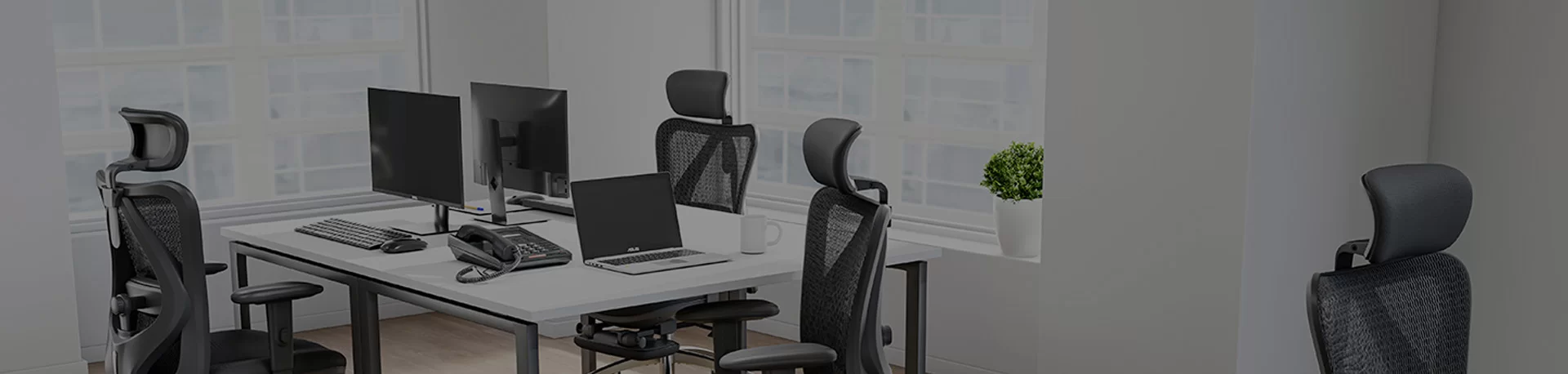

Achieving optimal spinal alignment during extended work sessions requires more than a standard seat; it necessitates a system of precise mechanical adjustments. The concept of a 6-way adjustable system refers to the ability to modify various axes of the chair to fit the unique anthropometric data of the user. This article explores the technical requirements of high-adjustability seating and how these features translate into reduced musculoskeletal strain in professional environments.
In the B2B procurement landscape, sourcing a china 6 way adjustable office chair involves evaluating the synergy between structural durability and ergonomic flexibility. As workplaces shift toward hybrid models, the demand for furniture that supports diverse body types—from the 5th percentile female to the 95th percentile male—has increased, making multi-axis adjustment a critical specification rather than a luxury feature.
Readers will gain a technical understanding of which adjustment points actually impact health, how to evaluate the build quality of adjustable mechanisms, and the criteria for selecting a manufacturing partner capable of delivering consistent OEM standards. We will analyze the transition from basic pneumatic lifts to complex synchronized tilt and lumbar depth systems.
The Mechanics of Multi-Axis Ergonomics
Ergonomic seating is engineered to distribute body weight evenly and maintain the natural S-curve of the spine. A "6-way" system typically integrates adjustments across several key vectors: seat height, seat depth, lumbar height, lumbar depth, armrest height, and tilt tension. The primary goal is to eliminate pressure points in the popliteal fossa (behind the knees) and reduce the load on the L4-L5 lumbar vertebrae. When these mechanisms are synchronized, the chair moves with the user, preventing the "static loading" that leads to chronic fatigue. From a manufacturing perspective, this requires high-precision CNC cutting for the frame and reinforced metal components to ensure that the adjustment points do not loosen over thousands of cycles. The integration of these six dimensions ensures that the user's center of gravity remains supported regardless of their reclining angle or task-based posture.
Evaluating High-Adjustability Seating
Selecting professional-grade adjustable furniture requires a shift from aesthetic evaluation to technical specification analysis. The effectiveness of an adjustable chair depends on the range of motion allowed by its mechanisms and the stability of the locked positions.
Key Adjustment Dimensions
The value of a multi-adjustable chair lies in the specific range of its movement. For instance, seat depth adjustment is critical for users of different leg lengths to ensure thigh support without compressing the calves. Below is a technical breakdown of essential adjustment metrics.
| Adjustment Axis | Primary Purpose | Critical Checkpoint | Ergonomic Impact |
|---|---|---|---|
| Seat Height | Foot Flatness | Pneumatic Class 4 Gas Lift | Reduced Lower Back Pressure |
| Seat Depth | Thigh Support | Sliding Track Stability | Prevention of Leg Numbness |
| Lumbar Height | Spinal Curve Fit | Vertical Adjustment Range | Correct Lordosis Support |
| Lumbar Depth | Pressure Intensity | Tension Knob Precision | Reduced Disc Compression |
| Armrest Height | Shoulder Relief | Locking Mechanism Durability | Prevents Trapezius Tension |
| Tilt Tension | Recline Effort | Spring Resistance Quality | Dynamic Posture Shift |
Structural Stability Requirements
Increased adjustability inherently introduces more potential points of failure. To counter this, industrial-grade seating must utilize reinforced metal frames. The stability of the chair during a full recline depends on the center of gravity and the strength of the base. High-strength metal alloys prevent "wobble," which is a common failure in low-end adjustable chairs. Ensuring the chassis can handle high-load stability is essential for maintaining the integrity of the 6-way mechanisms over a decade of use.
Material Impact on Long-term Support
The interaction between the adjustment mechanism and the surface material defines the user experience. High-density molded foam is preferred over standard cut foam because it retains its shape under the shifting pressures of an adjustable seat. Additionally, scratch-resistant and water-resistant coatings on the frame and tabletop components (in combined desk-chair setups) ensure that the furniture withstands the wear and tear of a high-traffic corporate environment without degrading the aesthetic or structural quality.
Anthropometric Fitting Logic
A truly ergonomic chair follows anthropometric data—the study of human body measurements. The 6-way adjustment logic allows the chair to be "tuned" to the user. For example, a taller user will slide the seat depth forward and raise the lumbar support, while a shorter user will do the opposite. This customization prevents the user from slouching or leaning forward to reach the desk, which are the primary causes of neck and shoulder strain in office settings.
OEM Customization for B2B Bulk
For enterprises procuring in volume, OEM/ODM solutions are vital. Manufacturing partners like Anji Chengda Home Furnishing Co., Ltd. utilize state-of-the-art facilities spanning 30,000 square meters to tailor these adjustment features. Customization may include modifying the tension of the recline or selecting specific materials for the armrests to suit a particular brand's identity or a specific regional ergonomic standard, ensuring the product meets the exact requirements of the end-user population.
Operational Maintenance for Office Hubs
Maintaining a fleet of adjustable chairs requires a focus on the mechanical joints. Lubrication of the tilt mechanism and checking the tightness of the armrest bolts are periodic necessities. Because professional seating often utilizes advanced powder coating and reinforced metal, the external maintenance is low-effort, typically requiring only damp-cloth cleaning. However, the internal pneumatic systems should be audited for pressure loss every few years to ensure safety and functionality.
Lifecycle Value Assessment
The total cost of ownership for a high-adjustability chair is lower than that of generic furniture. While the initial investment is higher, the industrial-grade construction—featuring reinforced frames and precision engineering—extends the service life to 10+ years compared to the 2-3 year lifespan of standard office chairs. The reduction in employee health-related absenteeism and the decreased frequency of furniture replacement provide a significant return on investment for the organization.
FAQ
What exactly constitutes a 6-way adjustment in an office chair?
A 6-way adjustment typically refers to the ability to independently modify six key ergonomic parameters: seat height (up/down), seat depth (forward/backward), lumbar support height, lumbar support depth/tension, armrest height, and the tilt tension/angle of the backrest. This combination allows the chair to be precisely tailored to the user's specific body proportions.
How does seat depth adjustment affect posture?
Seat depth adjustment ensures that there is a small gap (about 2-3 fingers) between the edge of the seat and the back of the user's knees. If the seat is too deep, it puts pressure on the popliteal artery, restricting blood flow; if it is too shallow, it fails to provide adequate thigh support, increasing the load on the sit-bones and lower back.
Is a reinforced metal frame necessary for adjustable chairs?
Yes, because each adjustment point is a potential source of instability. A reinforced high-strength metal frame provides the necessary rigidity to ensure that once a setting is locked, it does not shift under the user's weight. This is critical for preventing the "wobble" effect and ensuring the chair's lifespan exceeds standard furniture expectations.
What should B2B buyers check when sourcing these chairs from China?
Buyers should evaluate the manufacturer's quality control processes, specifically the grade of the gas lift (Class 4 is recommended), the precision of the CNC cutting for the frame, and the durability of the powder coating. Additionally, verifying the manufacturer's capacity for OEM customization ensures the product can be adapted to specific regional ergonomic standards.
Can these chairs be used for both gaming and professional office work?
Absolutely. The core requirements for both gaming and office work are long-term lumbar support and posture optimization. While gaming chairs often have a more aggressive aesthetic, the technical 6-way adjustment mechanisms are virtually identical, focusing on reducing strain during extended periods of sitting.
How do I know if my lumbar support is correctly adjusted?
The lumbar support should fit snugly into the natural inward curve of your lower back (the lordotic curve). It should feel like a firm push that keeps you from slouching, but it should not be so aggressive that it pushes your upper back away from the backrest. Adjust the height first to find the curve, then the depth to find the right pressure.
References and further reading
- International Standards for Office Furniture - Ergonomic Requirements and Testing.
- Journal of Occupational Health: Impact of Adjustable Seating on Musculoskeletal Disorders.
- Anthropometric Design Guidelines for Global Workspaces.


