The modern workspace demands not only ergonomic functionality but also aesthetic appeal. Enter the acrylic rolling chair, a seating solution rapidly gaining prominence across diverse industries. These chairs, constructed from durable acrylic materials, offer a unique blend of contemporary design and practical benefits, redefining expectations for office and task seating. The increasing focus on flexible work arrangements and dynamic office environments is driving the demand for adaptable and visually striking furniture, making acrylic rolling chairs a particularly relevant innovation.
Globally, the market for office furniture is experiencing a significant shift towards more transparent and lightweight designs. This trend aligns with broader architectural movements favoring open spaces and minimalist aesthetics. According to a 2023 report by Statista, the global office furniture market is projected to reach $39.4 billion by 2027. Acrylic rolling chairs, positioned as a premium offering within this market, address the growing need for furniture that’s both functional and visually captivating, reflecting a company’s brand identity and employee wellbeing.
Furthermore, the rise of e-commerce and remote work has led to a greater emphasis on home office setups. Individuals are increasingly investing in comfortable and stylish furniture for their workspaces, boosting the accessibility and demand for items like the acrylic rolling chair beyond traditional commercial settings.

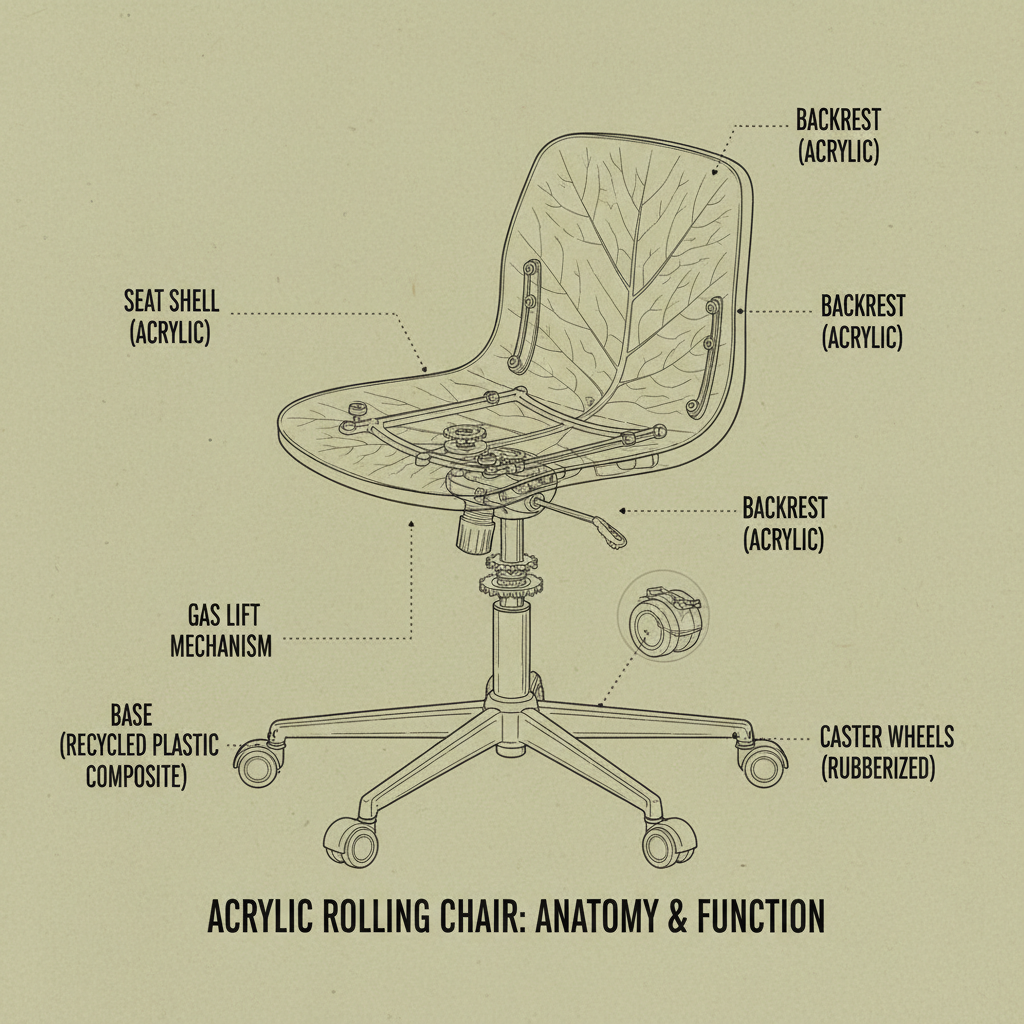
Historically, office chairs were primarily focused on functionality, often sacrificing aesthetics for ergonomics. The introduction of acrylic materials in furniture design marked a turning point, allowing for a more visually appealing and modern aesthetic. Acrylic rolling chair designs initially emerged as niche items, catering to contemporary spaces like studios and boutiques.
Over time, improvements in acrylic manufacturing technology have made these chairs more durable, affordable, and versatile, leading to their wider adoption across various sectors, including corporate offices, educational institutions, and healthcare facilities. The evolution represents a shift toward prioritizing not only comfort and support but also a visually stimulating and modern work environment.
Acrylic rolling chairs are surprisingly durable. High-quality acrylic is impact-resistant and less prone to cracking than many traditional materials. However, their durability also depends on the quality of the base and casters. A well-made chair should withstand regular use for many years, often matching or exceeding the lifespan of comparable traditional chairs. Regular cleaning with a mild soap and water solution will help maintain the acrylic's clarity and prevent scratches.
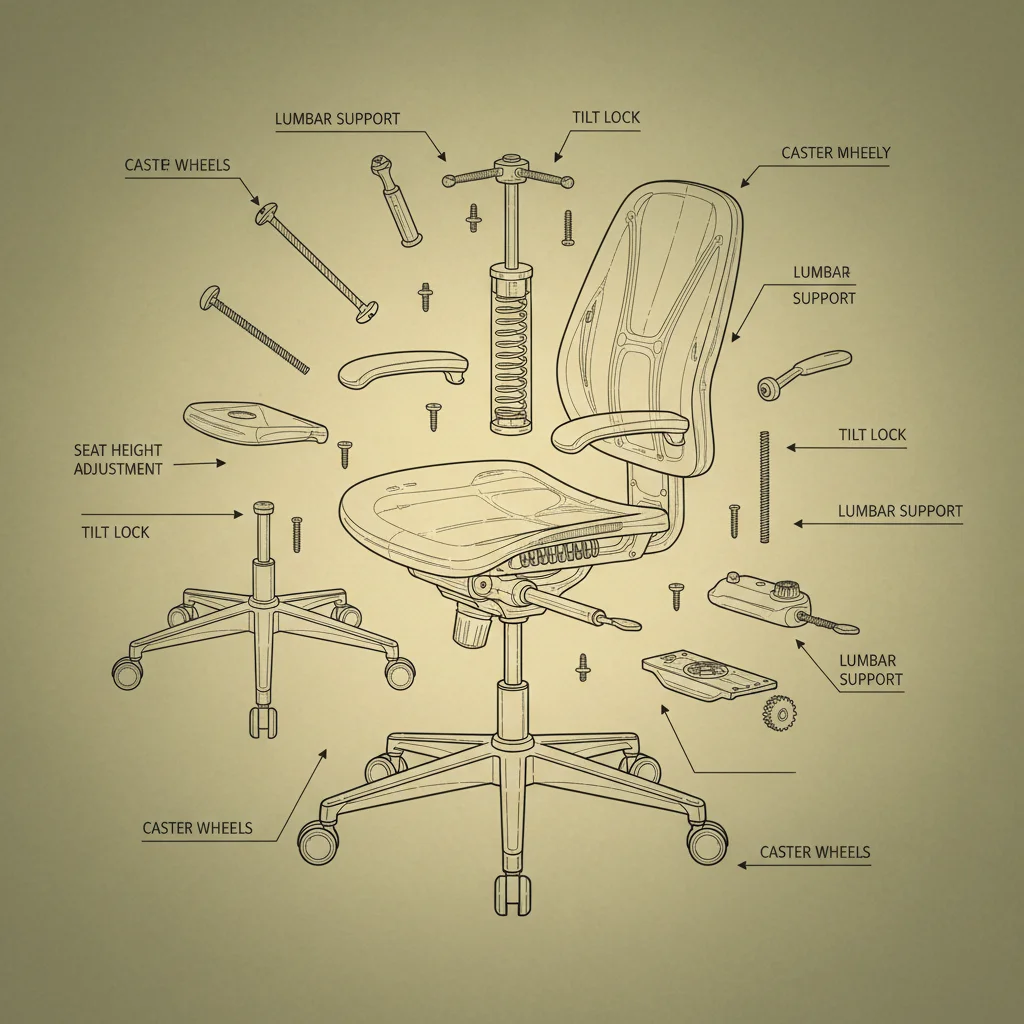
Comfort is a key consideration. While acrylic itself doesn’t offer inherent cushioning, well-designed acrylic rolling chair typically incorporate ergonomic shaping and often include padded seats and backrests. The adjustability of height and tilt features also contributes to comfort. It's essential to choose a chair with adequate support and consider adding an additional seat cushion for prolonged use.
One of the biggest advantages of acrylic is its ease of cleaning. A simple wipe-down with a mild soap and water solution is usually sufficient to remove dust and grime. Avoid using abrasive cleaners or harsh chemicals, as these can scratch or damage the acrylic. The transparent nature of the material also makes it easy to spot any dirt or stains, allowing for prompt cleaning.
The environmental impact of acrylic rolling chairs depends on the manufacturing process and materials used. Traditional acrylic production isn't inherently sustainable, however, the increasing availability of recycled acrylic and bio-based alternatives is improving the eco-friendliness of these chairs. Choosing chairs made from sustainable materials and produced using responsible manufacturing practices can minimize their environmental footprint.
The price of an acrylic rolling chair can vary significantly depending on the quality of materials, design complexity, and features included. Basic models typically range from $150 to $300, while high-end chairs with advanced ergonomic features and premium materials can cost $500 or more. Investing in a higher-quality chair often ensures greater durability and comfort in the long run.
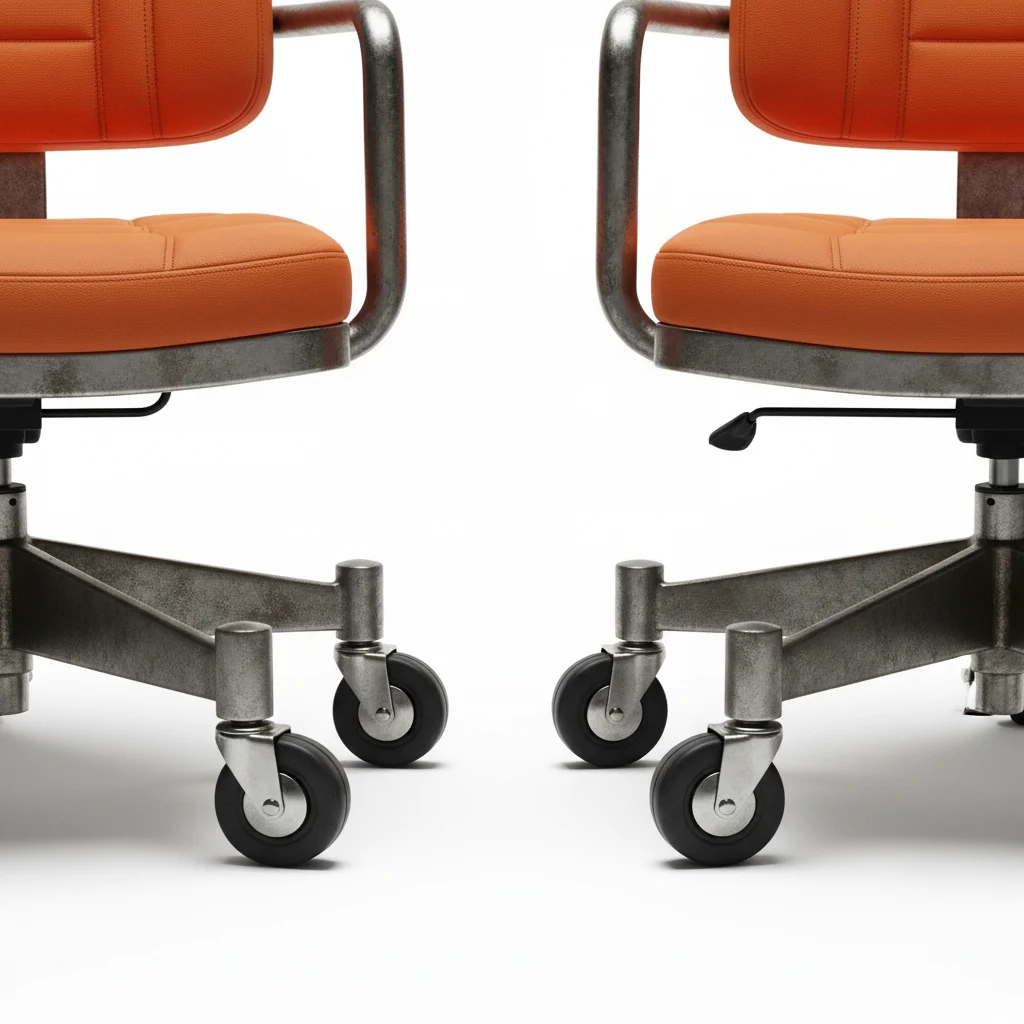
Most acrylic rolling chairs are equipped with casters designed for use on hard flooring surfaces like tile, wood, and laminate. However, it's important to check the caster type, as some may not be suitable for carpeted floors. Using the wrong type of casters can damage the flooring or make the chair difficult to move. Consider using carpet casters for carpeted surfaces to protect both the chair and the floor.
In conclusion, acrylic rolling chair represent a compelling blend of modern aesthetics, ergonomic design, and durable construction. Their versatility makes them suitable for a wide range of applications, from office environments to educational institutions and healthcare facilities. The ongoing advancements in materials and manufacturing techniques promise even more innovative and sustainable acrylic seating solutions in the future.
Investing in an acrylic rolling chair is not merely acquiring a piece of furniture; it’s making a statement about embracing contemporary design, prioritizing user comfort, and valuing long-term durability. To explore our extensive collection and find the perfect acrylic rolling chair to elevate your workspace, visit our website: www.cdgamingfurniture.com.

Ethan is the Marketing Director at Cangzhou Jiujiang, focusing on expanding the brand's presence in North America. With over a decade of experience in outdoor apparel marketing, Ethan leverages his knowledge to promote the company’s PU rainwear, emphasizing its BSCI and GRS certifications.
If you are interested in our products, you can choose to leave your information here, and we will be in touch with you shortly.