6 way adjustable office chair
news
0%

Table of Contents

The humble chair with wheels, often taken for granted, plays a pivotal role in modern life, impacting productivity, accessibility, and overall well-being. From bustling office environments to specialized industrial settings and even within the comfort of our homes, the chair with wheels facilitates movement and adaptability. Understanding its design principles, applications, and future trends is crucial for professionals across various sectors, impacting everything from ergonomic design to logistical planning and inclusive design strategies. This exploration will delve into the world of the chair with wheels, examining its core components, diverse applications, and potential for continued innovation.

Globally, the demand for efficient and adaptable seating solutions, particularly chairs with wheels, is steadily increasing. According to market research reports, the global office chair market, a significant segment for chairs with wheels, is projected to reach billions of dollars in the coming years. This growth is fueled by factors like rising office spaces in emerging economies, increased awareness of ergonomic benefits, and the growing trend of remote work. Moreover, specialized chair with wheels solutions are becoming essential in healthcare, manufacturing, and logistics, addressing the need for mobility and efficiency within these sectors.

The proliferation of the chair with wheels is not merely a matter of convenience; it’s a response to a fundamental human need for efficient movement and task completion. The design aims to overcome limitations of stationary seating, offering enhanced flexibility in dynamic work environments. Its impact extends beyond professional spaces, influencing accessibility for individuals with mobility challenges and contributing to more adaptable and inclusive living spaces.
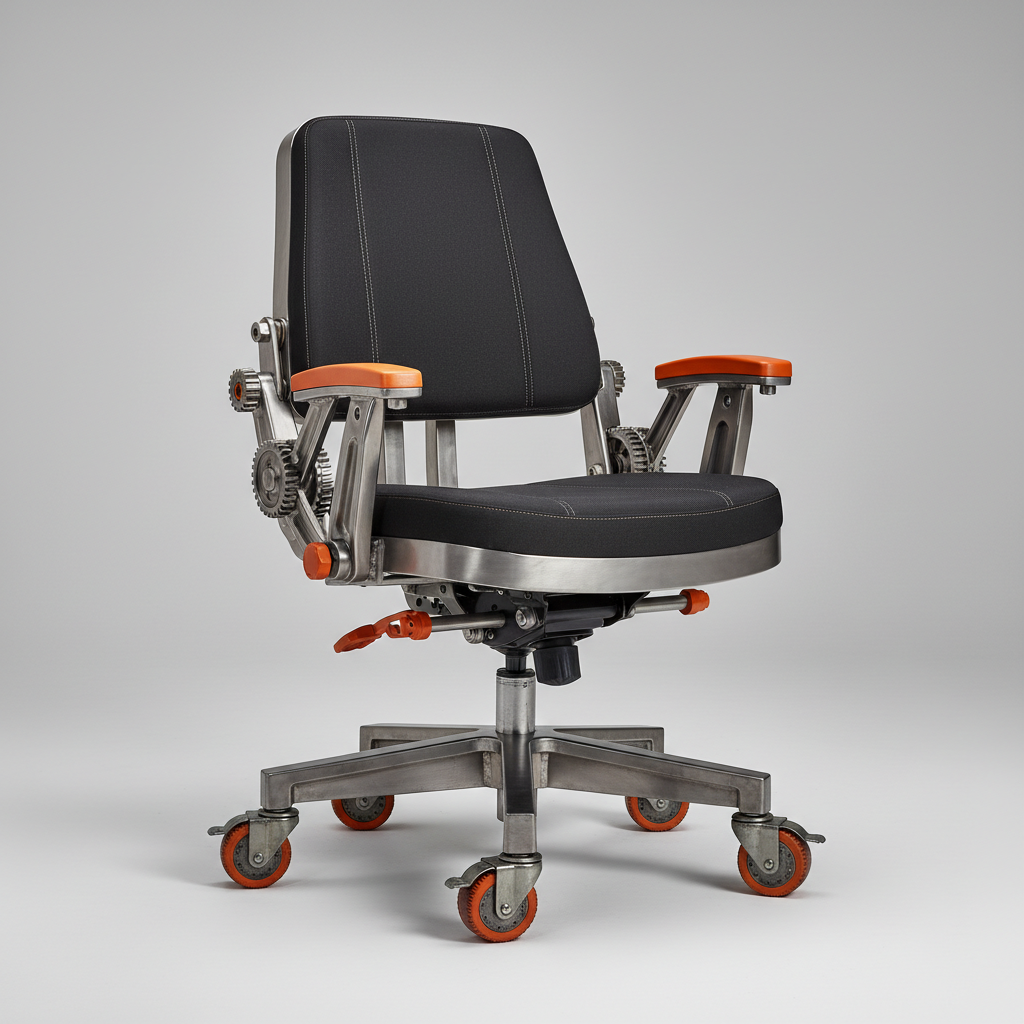
chair with wheels

Introduction: Global or Industry Context

chair with wheels

The widespread adoption of the chair with wheels isn't a recent phenomenon. Its roots trace back to the mid-19th century with Charles Darwin’s design for a better office chair, focusing on mobility. However, it wasn't until the 20th century, with advancements in materials and ergonomic understanding, that the chair with wheels truly became a staple in offices worldwide. Today, the chair with wheels is fundamental to modern workplaces, enhancing employee productivity and comfort.

The demand for ergonomic chairs, including those featuring wheels, is directly correlated with increasing awareness of workplace health and safety. Organizations are now prioritizing the well-being of their employees, leading to investment in ergonomic furniture. ISO standards and guidelines play a crucial role in defining the ergonomic requirements for office furniture, driving the design and manufacturing of chairs with wheels that promote proper posture and reduce the risk of musculoskeletal disorders. The UN Sustainable Development Goals also indirectly influence this trend, promoting inclusive and sustainable workplaces.

Definition & Meaning

A chair with wheels is simply a seating device equipped with casters, enabling easy and fluid movement across various surfaces. Unlike stationary chairs, a chair with wheels allows users to effortlessly reposition themselves without strain, increasing efficiency and accessibility. This simple addition transforms a static piece of furniture into a dynamic tool.

The chair with wheels’ connection to modern industry is profound. In manufacturing, chairs with wheels allow workers to quickly navigate assembly lines or workstations. In healthcare, they aid nurses and doctors in attending to patients efficiently. Even in education, students utilize chairs with wheels to collaborate effectively in group settings. The chair with wheels represents a solution for the need for adaptable workspaces and streamlined workflows.

Beyond practical utility, the chair with wheels embodies accessibility and inclusion. Providing mobility for individuals with physical limitations within a work or learning environment, these chairs foster a more equitable and supportive atmosphere, enhancing the quality of life for those who rely on them.

Key Factors or Core Components

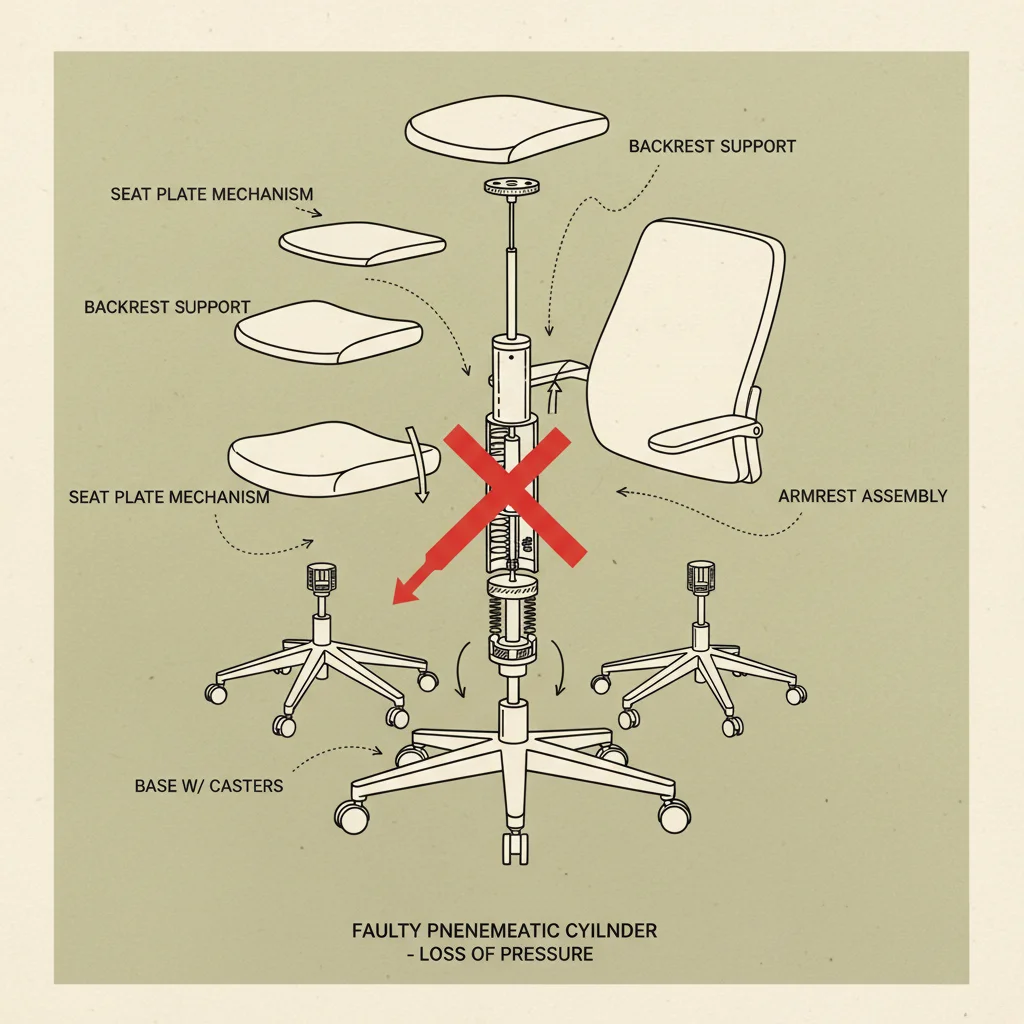
Durability is paramount. A quality chair with wheels needs to withstand constant use and movement. Factors like the frame material (steel, aluminum), caster quality, and overall construction contribute to its longevity. Choosing a chair with a robust build ensures a longer lifespan and reduces the need for frequent replacements.

Ergonomic Design centers around supporting the user’s body correctly. Adjustable height, lumbar support, armrests, and seat depth are essential features. Proper ergonomics minimize strain, reduce the risk of injury, and boost overall comfort, leading to improved productivity.

Caster Quality determines how smoothly the chair rolls and how well it protects flooring. Different caster types are suitable for various surfaces—hardwood, carpet, tile, etc. Investing in high-quality casters ensures silent, effortless movement and prevents damage to floors.

Weight Capacity is critical for safety and performance. Each chair with wheels has a maximum weight limit. Exceeding this limit can compromise the chair’s structural integrity and lead to failure. Selecting a chair with an appropriate weight capacity is vital for user safety.

Adjustability is key to catering to individual needs. Height adjustments, backrest angles, and armrest positioning allow users to customize the chair for optimal comfort and support. This customization ensures the chair meets the unique requirements of each user.

Global Applications & Use Cases

In corporate offices across the globe, chairs with wheels are indispensable for fostering dynamic and collaborative work environments. They allow employees to move freely between desks, meeting rooms, and collaborative spaces. Large corporations frequently implement standardized chair with wheels policies to ensure ergonomic consistency throughout their offices.

Within healthcare facilities, chairs with wheels are essential for medical professionals. Nurses and doctors utilize them for quick access to patients and equipment, enabling efficient patient care. Specialized chairs with wheels designed for healthcare settings often feature antimicrobial surfaces and enhanced hygiene features.

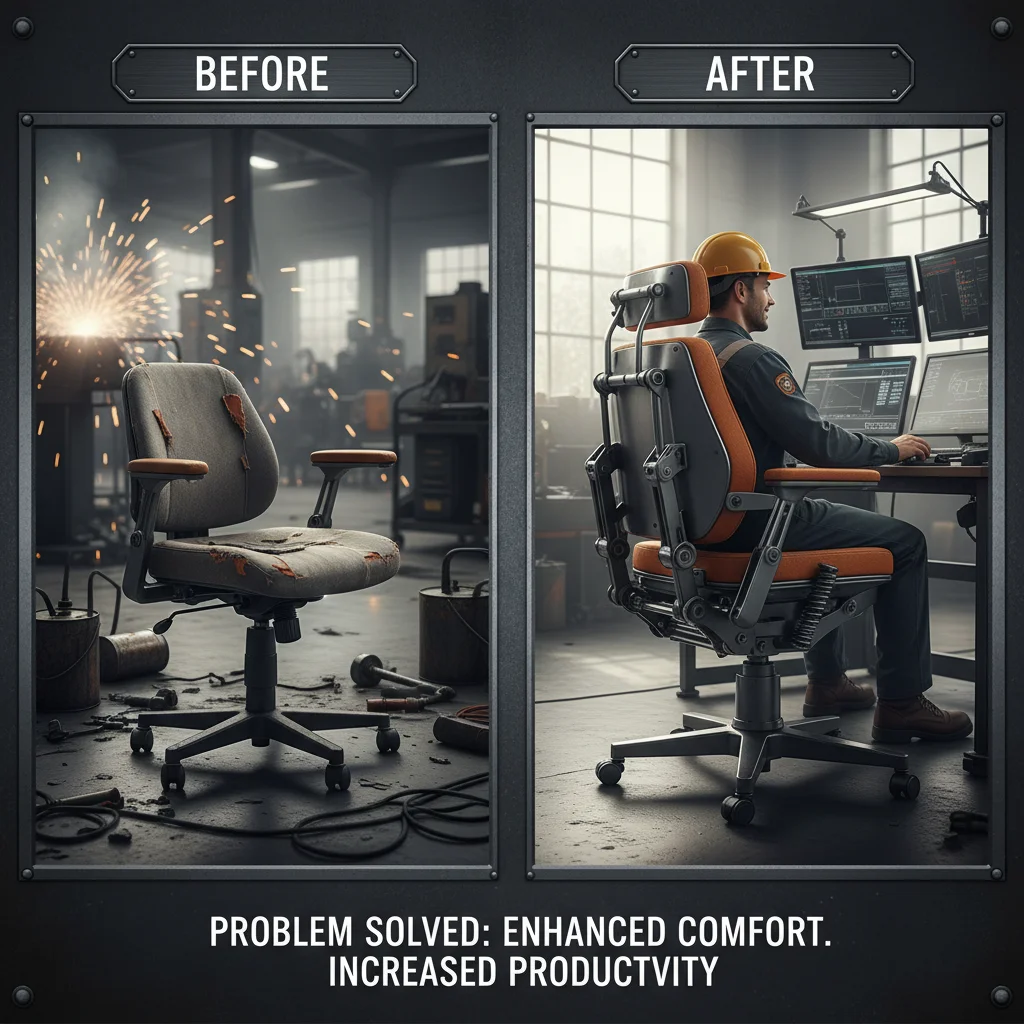
In remote industrial zones, chairs with wheels are crucial for workers in manufacturing and assembly plants. They facilitate quick movement along production lines, enabling increased efficiency and reduced fatigue. These chairs often incorporate robust designs and durable materials to withstand harsh industrial environments. Furthermore, in post-disaster relief operations, lightweight, portable chairs with wheels can provide essential seating for aid workers and affected populations.

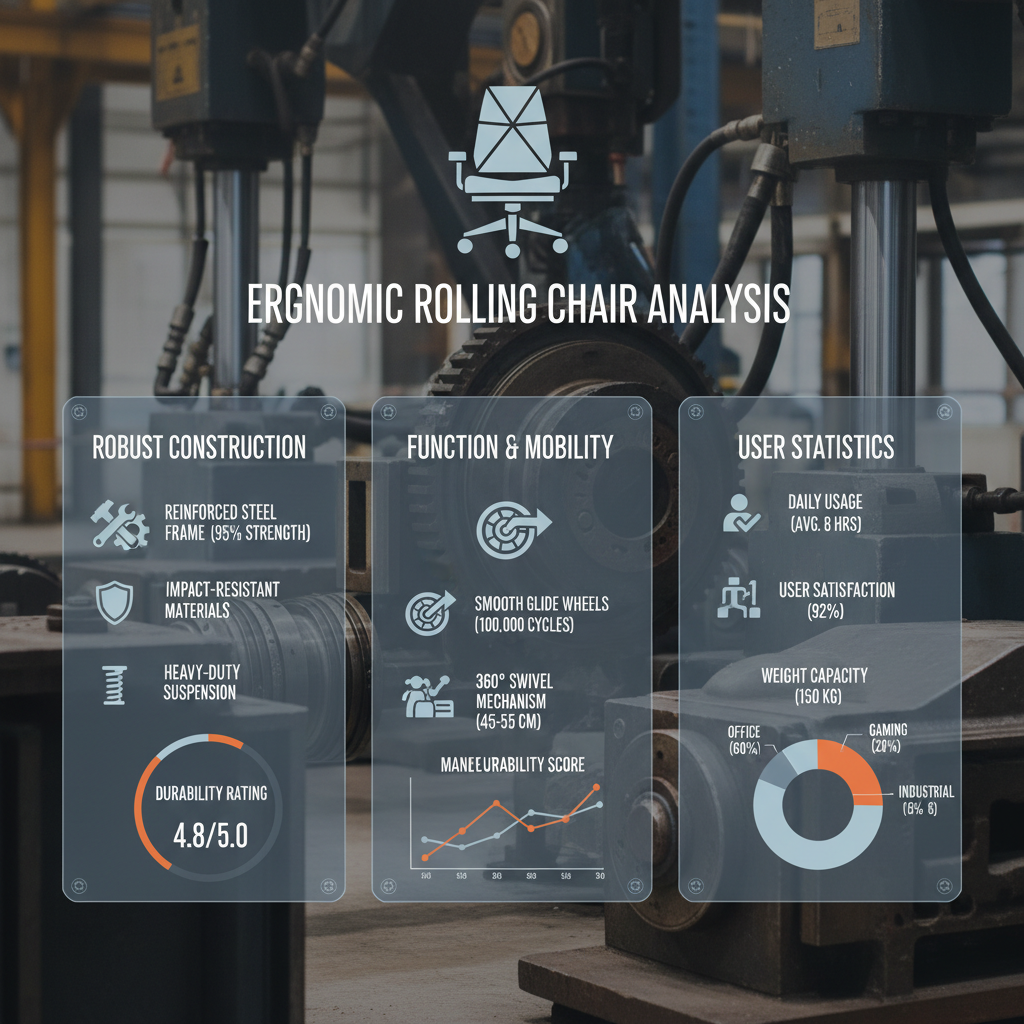
chair with wheels Performance Metrics

Advantages & Long-Term Value

The most tangible benefit of a well-designed chair with wheels is cost efficiency. Investing in durable, ergonomic chairs reduces the likelihood of needing frequent replacements due to wear and tear or user discomfort. This lowers long-term expenses related to furniture upkeep and potential employee health costs.

From a sustainability perspective, durable chairs with wheels contribute to reduced waste. Fewer replacements mean less material ending up in landfills. Furthermore, manufacturers are increasingly utilizing recycled materials in chair construction, minimizing environmental impact. The chair with wheels’ contribution to a more sustainable workplace is significant.

Future Trends & Innovations

The future of chair with wheels design is leaning heavily towards smart ergonomics. Integration of sensors to monitor posture and provide real-time feedback is becoming increasingly common. These "smart chairs" can adjust automatically to optimize support and prevent discomfort.

Another emerging trend is the use of advanced materials – bio-based plastics, recycled fabrics, and lightweight alloys – to create more sustainable and environmentally friendly chairs with wheels. This aligns with growing consumer demand for eco-conscious products and supports circular economy principles.

Challenges & Solutions

One common challenge is the noise generated by chair with wheels on hard flooring. This can be disruptive in quiet office environments. Solutions include utilizing softer, polyurethane casters specifically designed for hard surfaces and implementing floor mats to dampen vibrations.

Another challenge lies in ensuring accessibility for all users. Chairs with wheels need to be adaptable to accommodate varying body types and physical abilities. Manufacturers are addressing this by offering a wider range of adjustable features and designing chairs that comply with accessibility standards.

Maintaining consistent quality across different manufacturing locations and price points is also a hurdle. Implementing robust quality control measures and sourcing materials from reliable suppliers are essential for overcoming this challenge and delivering consistently high-performing chairs with wheels.

Summary of Challenges and Solutions for chair with wheels

Challenge Impact on chair with wheels Performance Proposed Solution Implementation Cost (1-10)
Noise on Hard Floors Disruptive to work environments Utilize softer casters & floor mats 3
Accessibility for Diverse Users Exclusion of individuals with mobility limitations Increase adjustability & adhere to accessibility standards 6
Material Sustainability Environmental impact of manufacturing Use recycled materials & bio-based plastics 7
Caster Durability Frequent caster replacements Invest in high-quality caster materials 5
Ergonomic Consistency Varied user experience and potential discomfort Implement ergonomic guidelines in design 4
Quality Control Variations Inconsistent chair performance Implement rigorous quality control procedures 8

FAQS

What are the key ergonomic features to look for in a chair with wheels?

When selecting a chair with wheels, prioritize features like adjustable height, lumbar support, armrest adjustability, and seat depth. These elements allow for customization to fit individual body types and promote proper posture. A supportive backrest and adjustable armrests can significantly reduce strain on your back, shoulders, and neck, leading to enhanced comfort and productivity. Investing in a chair with these ergonomic features can prevent musculoskeletal disorders and improve your overall well-being.

How do I choose the right casters for my flooring type?

Selecting the appropriate casters is crucial for protecting your flooring and ensuring smooth movement. For hardwood or laminate floors, opt for soft polyurethane casters to prevent scratches and dents. For carpeted surfaces, hard casters are generally more effective, but consider those with a wider surface area to distribute weight and minimize wear. If you have a mix of flooring types, consider multi-surface casters or using a floor mat to provide a protective barrier.

What is the typical lifespan of a high-quality chair with wheels?

A high-quality chair with wheels, constructed with durable materials and a robust frame, can typically last between 5 to 10 years with proper care. Regular maintenance, such as tightening screws and cleaning the upholstery, can extend its lifespan. The chair's usage frequency and the weight it supports also play a role. Investing in a chair with a solid warranty indicates the manufacturer's confidence in its durability and provides peace of mind.

How can I clean and maintain my chair with wheels?

Regular cleaning is essential for maintaining the appearance and hygiene of your chair with wheels. Vacuum the upholstery frequently to remove dust and debris. For stains, use a mild detergent and water, applying it gently with a soft cloth. Avoid harsh chemicals that can damage the fabric. Periodically check and tighten screws and bolts to ensure the chair remains stable. Lubricate the casters with a silicone-based spray to maintain smooth rolling.

Are there chairs with wheels specifically designed for standing desks?

Yes, there are chairs with wheels specifically designed to complement standing desks. These chairs often feature a lower seat height and a more minimalist design to facilitate easy movement between sitting and standing positions. They may also include features like adjustable back support and footrests to enhance comfort during prolonged use. These chairs encourage active sitting and promote a healthier work posture.

What is the average weight capacity of a standard office chair with wheels?

The average weight capacity of a standard office chair with wheels typically ranges from 250 to 300 pounds. However, some heavy-duty chairs can support up to 400 or even 500 pounds. It's crucial to check the manufacturer's specifications to ensure the chair can safely accommodate your weight. Exceeding the weight capacity can compromise the chair's structural integrity and lead to potential failure.

Conclusion

In conclusion, the chair with wheels is far more than a simple piece of furniture. It’s a cornerstone of modern productivity, accessibility, and ergonomic design. From its humble beginnings to its current iteration as a technologically advanced, customizable seating solution, the chair with wheels has consistently adapted to meet evolving needs. Prioritizing factors like durability, ergonomic support, and appropriate caster selection ensures long-term value and user well-being.

Looking ahead, innovation in materials, smart technology, and sustainable manufacturing practices promises to further enhance the chair with wheels’ capabilities. By embracing these advancements and prioritizing user-centric design, we can create seating solutions that are not only functional and comfortable but also contribute to a healthier, more inclusive, and sustainable future. Visit our website to explore a wide range of high-quality chair with wheels options and find the perfect fit for your needs.

Declan Wainwright

Declan Wainwright

Declan Wainwright is a Marketing Specialist at Chengda Gaming Furniture, focusing on digital content and brand awareness. He has a Bachelor's degree in Marketing from UCLA and experience creating compelling content for social media, blog posts, and email campaigns. Declan is passionate about connecting with the gaming community and highlighting the ergonomic benefits of Chengda's products. He’s responsible for managing our online presence and analyzing marketing data to improve campaign performance.
Previous Optimize Your Workspace with a Comfortable Chair with Tilt Lock for Enhanced Wellbeing
Next The Versatile Chair with Writing Table for Modern Workspaces

If you are interested in our products, you can choose to leave your information here, and we will be in touch with you shortly.