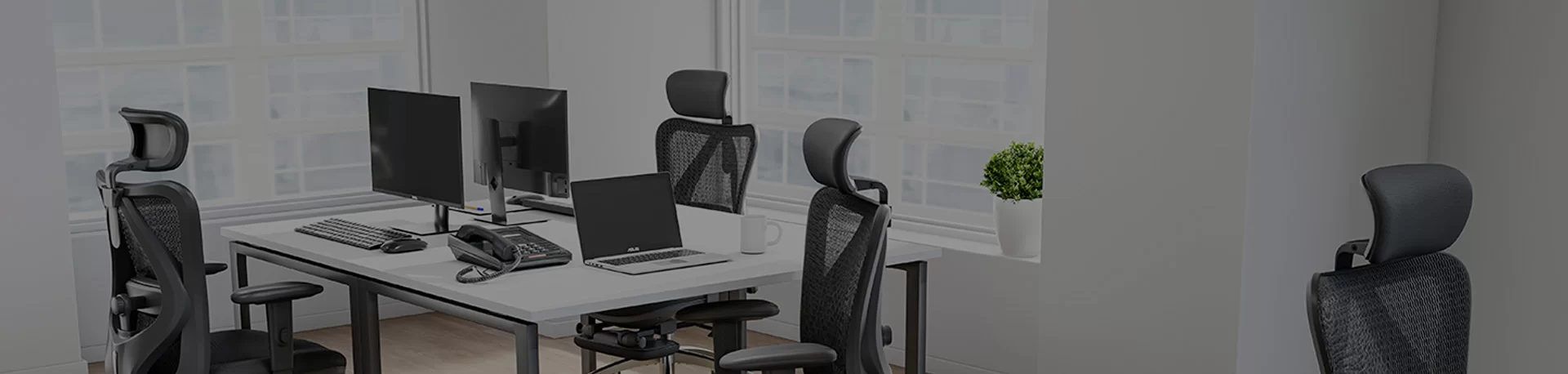
Conference seating is a critical component of modern workspaces and event venues, extending far beyond simply providing a place to sit. It’s a multifaceted consideration impacting productivity, attendee experience, and even brand perception. From small huddle rooms to expansive auditoriums, selecting the right conference seating is essential for fostering collaboration, ensuring comfort, and creating a professional environment. The demand for versatile and ergonomic conference seating continues to grow alongside the increasing importance of in-person meetings and collaborative work models.
Globally, the market for conference seating is experiencing significant growth, driven by factors like increasing corporate investment in office upgrades and the resurgence of conferences and events post-pandemic. According to industry reports, the global office furniture market, which includes conference seating, is projected to reach substantial figures in the coming years. (Data can be sourced from Statista, Grand View Research, etc.). However, challenges remain in balancing cost-effectiveness with sustainability and ergonomic needs.
The proper implementation of conference seating directly addresses these challenges, offering solutions that enhance workplace wellness and contribute to improved business outcomes.
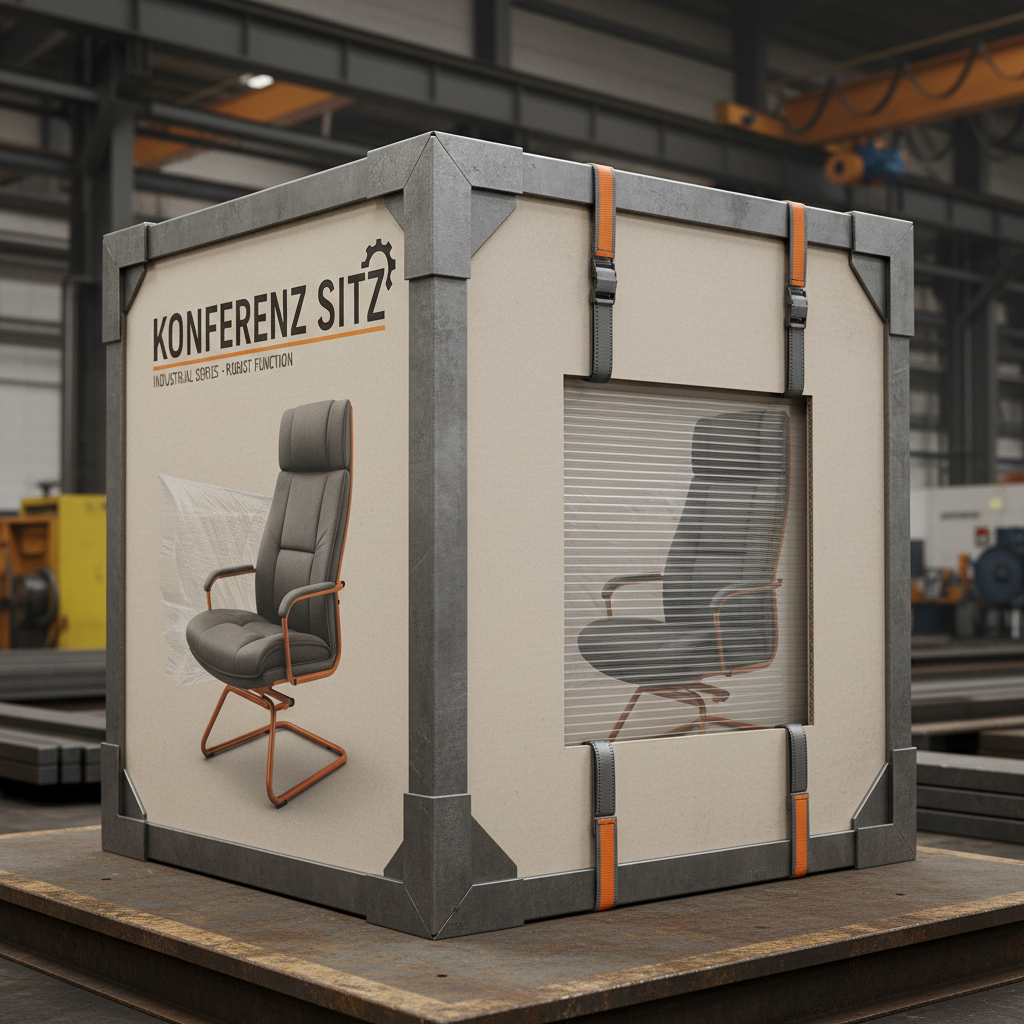
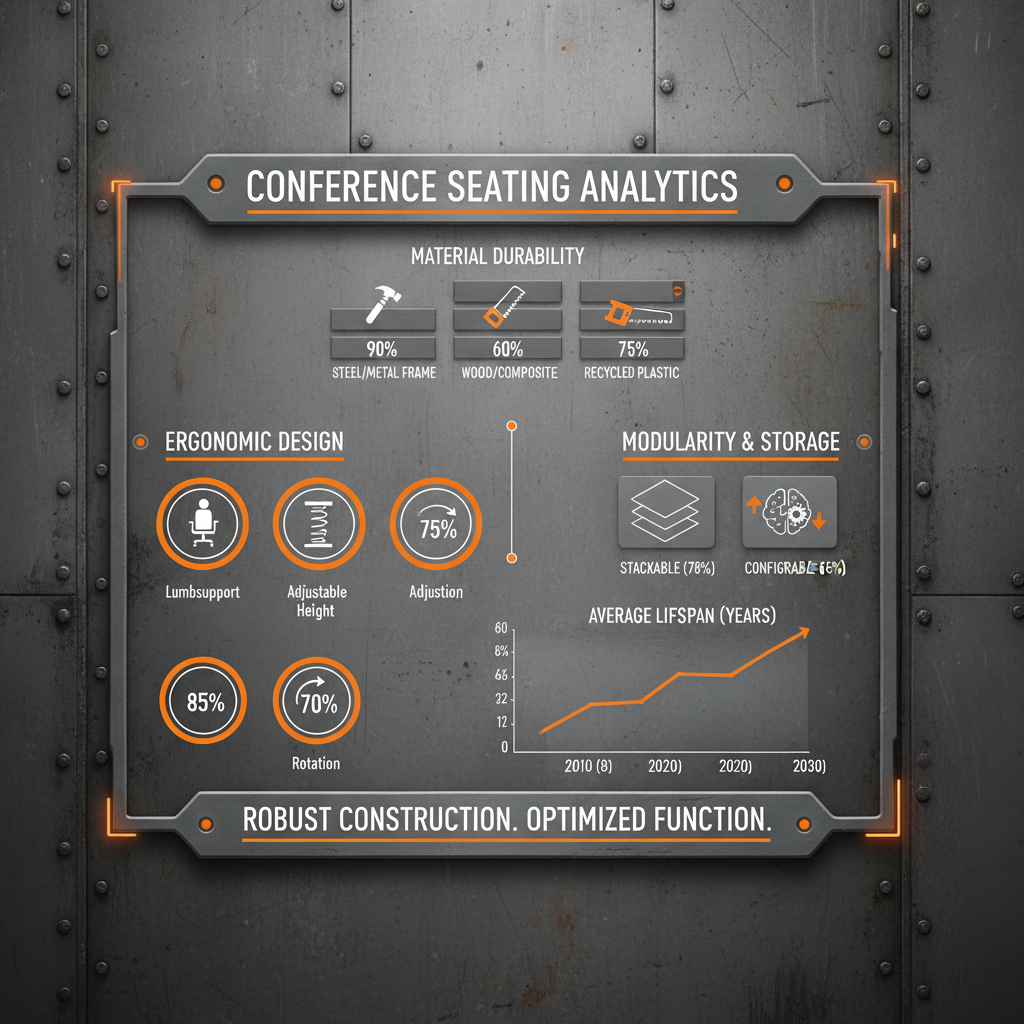
Effective conference seating transcends mere functionality; it’s an investment in employee well-being and organizational success. Comfortable and well-designed seating promotes better posture, reduces fatigue, and enhances focus during lengthy meetings. This, in turn, leads to increased engagement and improved decision-making. conference seating options directly influence the overall meeting experience.
Moreover, the aesthetic appeal of conference seating contributes significantly to the overall impression of a company. Modern, stylish seating can enhance a brand’s image and create a welcoming atmosphere for clients and visitors, showcasing attention to detail and a commitment to quality.
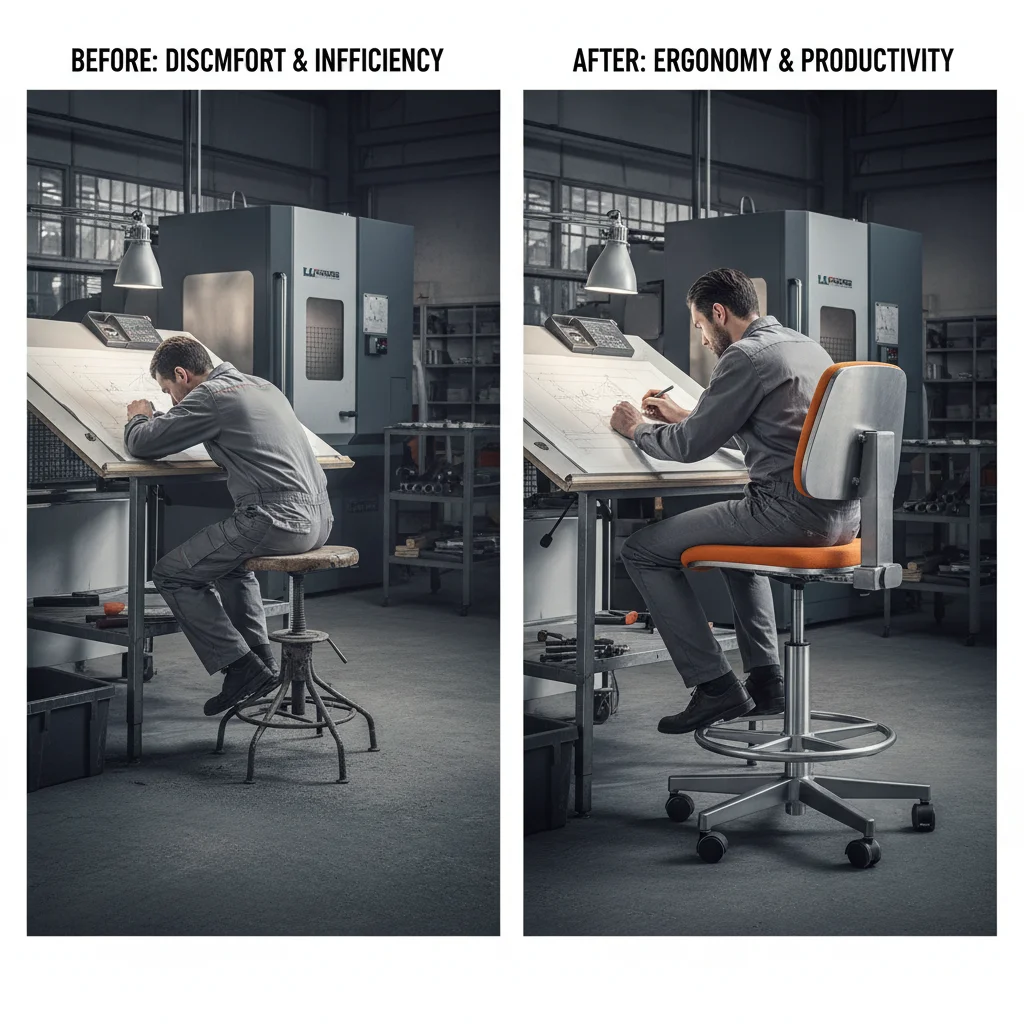
When selecting conference seating, prioritize adjustable height, lumbar support, and a comfortable seat depth. Look for chairs that allow users to maintain a natural spinal alignment and reduce pressure points. Adjustable armrests can also contribute to comfort, especially during longer meetings. A breathable backrest material like mesh can help prevent overheating. Investing in ergonomic features can significantly improve attendee comfort and productivity.
Start by accurately measuring your conference room dimensions. Consider the layout of the room and the typical number of attendees. Allow sufficient space between chairs for comfortable movement and accessibility. Factor in potential future growth and choose seating that can be easily reconfigured or added to as needed. Visualizing different seating arrangements can help determine the optimal quantity and size of chairs.
Steel or aluminum frames provide excellent structural support and durability. High-quality upholstery fabrics like leather or microfiber offer resistance to wear, tear, and staining. Look for cushioning materials that retain their shape and provide long-term comfort, such as high-density foam. Regularly cleaning and maintaining the seating will also extend its lifespan.
Yes, many manufacturers now offer conference seating made from recycled materials, sustainably sourced wood, and eco-friendly fabrics. Look for certifications like Greenguard or BIFMA LEVEL to ensure the seating meets environmental standards. Choosing durable seating that lasts longer also reduces waste and minimizes the environmental impact.
Regularly vacuum or dust the seating to remove dirt and debris. Spot clean stains immediately with a mild detergent and water. For leather seating, use a leather conditioner to keep it supple and prevent cracking. Periodically inspect the chairs for loose screws or damaged components and address them promptly. Following the manufacturer’s cleaning instructions will help maintain the seating’s appearance and functionality.
With proper care and maintenance, high-quality conference seating can last anywhere from 5 to 10 years, or even longer. The lifespan depends on factors like usage frequency, material quality, and environmental conditions. Investing in durable seating upfront can save you money in the long run by reducing the need for frequent replacements. Regularly assessing the seating's condition and addressing any issues proactively can extend its lifespan.
Conference seating is far more than a simple amenity; it's a crucial investment in workplace well-being, productivity, and brand image. Choosing the right seating requires careful consideration of factors like ergonomics, durability, scalability, and aesthetics. By prioritizing these elements, organizations can create meeting spaces that foster collaboration, enhance comfort, and contribute to long-term success.
Looking ahead, the future of conference seating is poised for innovation, with emerging technologies and a growing emphasis on sustainability driving new designs and functionalities. Embracing these trends will enable organizations to create dynamic and adaptable meeting environments that meet the evolving needs of the modern workforce. Visit our website at CD Gaming Furniture to explore our extensive range of conference seating solutions.

Ethan is the Marketing Director at Cangzhou Jiujiang, focusing on expanding the brand's presence in North America. With over a decade of experience in outdoor apparel marketing, Ethan leverages his knowledge to promote the company’s PU rainwear, emphasizing its BSCI and GRS certifications.
If you are interested in our products, you can choose to leave your information here, and we will be in touch with you shortly.