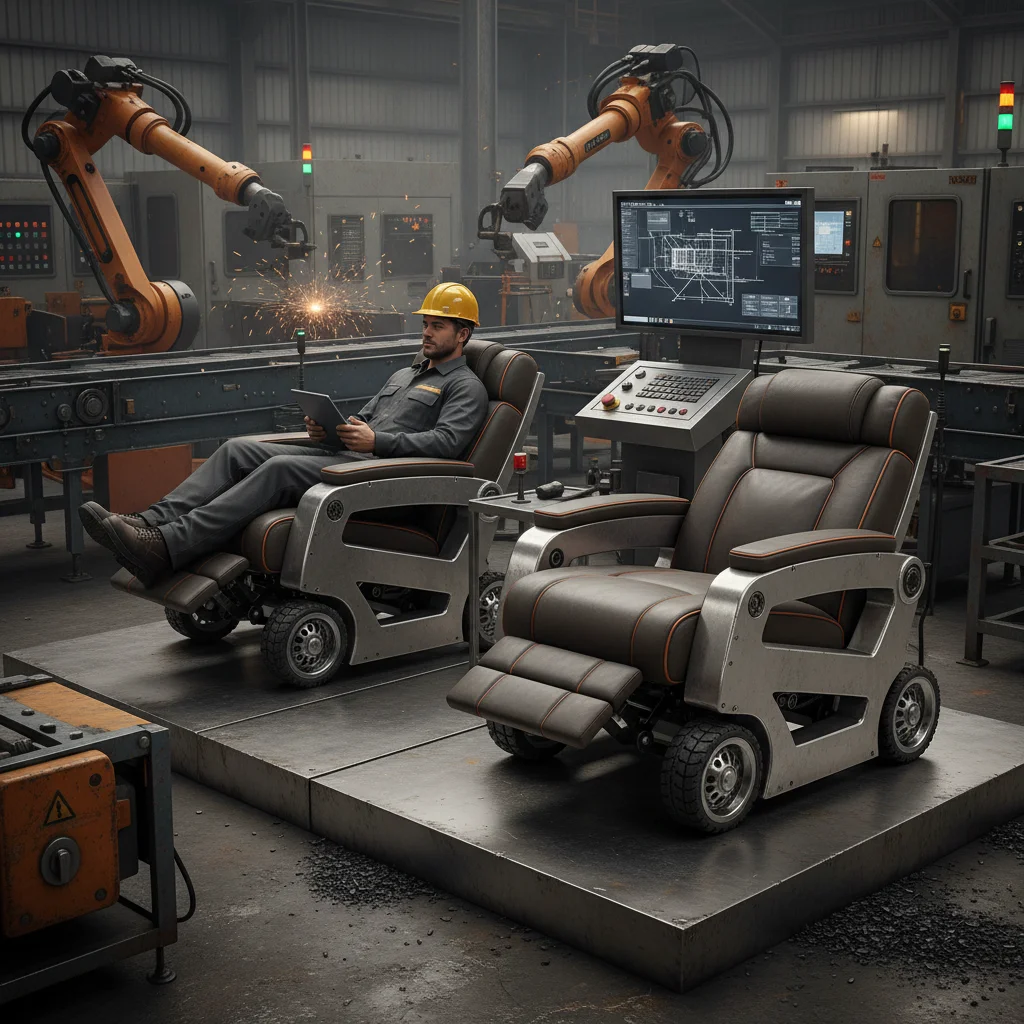
Let me tell you, after years spent on dusty construction sites, wrestling with blueprints and talking shop with engineers, the importance of a solid, reliable workstation isn’t lost on me. It's about more than just a place to sit; it’s about productivity, safety, and frankly, keeping your back from screaming at the end of the day. We’re talking about the draughtsman chair – a piece of equipment that often gets overlooked, but is absolutely crucial for anyone spending hours poring over plans, marking measurements, or doing detailed work on site. I've seen too many projects slowed down because someone was stuck with a flimsy, uncomfortable chair. It impacts focus, precision, and ultimately, the bottom line.
It's not just about comfort, either. These chairs need to withstand the harsh realities of a construction environment – dust, dirt, potential impacts, and constant movement. I've seen chairs buckle under the weight of a hurried engineer, or get completely destroyed by a rogue forklift. A good draughtsman chair isn't a luxury; it's an investment in your team's well-being and the overall efficiency of the project. It needs to be durable enough to handle whatever the site throws at it, and adjustable enough to accommodate different body types and working styles.
And it’s not just construction, either. Think about surveyors, architects doing on-site inspections, even forensic investigators – anyone who needs a portable, stable, and comfortable workstation in a less-than-ideal setting. That’s where a well-designed draughtsman chair truly shines. We’re talking about a tool that can make a real difference in the quality of work and the safety of the people doing it.
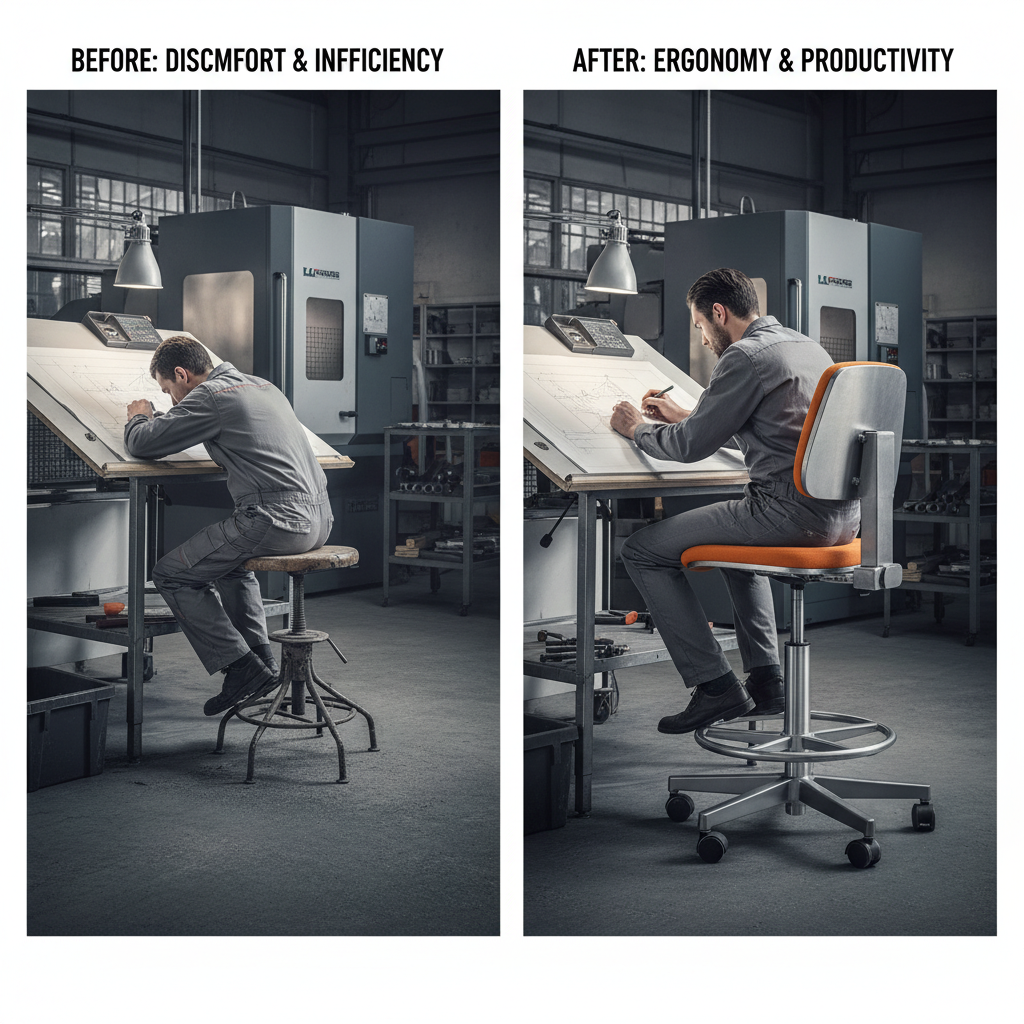
The Importance of a Reliable Draughtsman Chair
I’ve seen firsthand how a proper draughtsman chair can boost a team's morale and productivity. It's not just about avoiding back pain; it’s about creating a workspace that allows for focus and precision. When a worker is comfortable, they’re less distracted and more likely to produce high-quality work. The right chair allows for prolonged periods of concentrated effort, crucial when reviewing complex blueprints or undertaking intricate measurements.
And let’s be real – on a construction site, time is money. Every minute wasted due to discomfort or inefficient workflow translates to increased costs and potential delays. Investing in quality draughtsman chairs isn't an expense; it’s a smart business decision. It's a proactive step towards ensuring a smoother, safer, and more profitable project.
Defining the Draughtsman Chair in Modern Industry
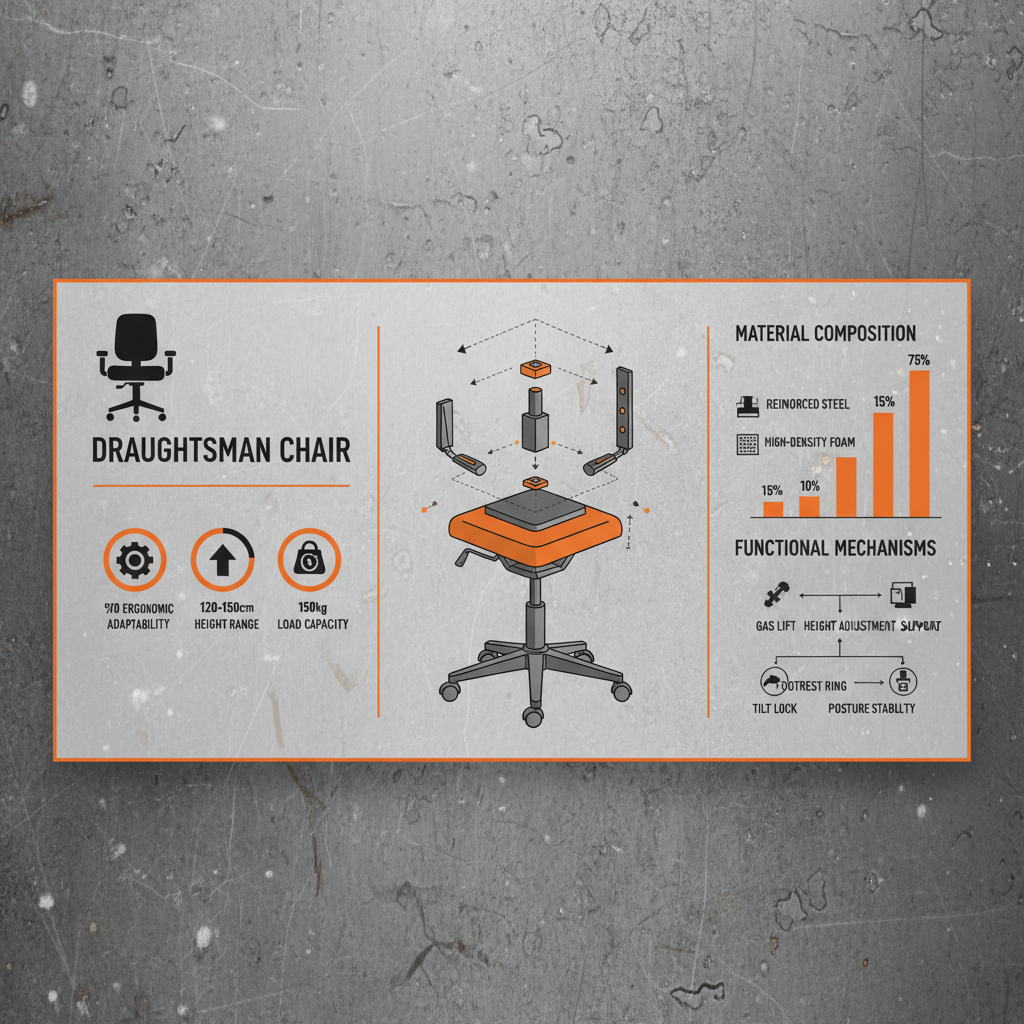
A draughtsman chair, at its core, is a specialized seating solution designed for detailed work requiring prolonged sitting and a clear line of sight. It differs from a standard office chair in several key ways – typically featuring a footrest, adjustable height, and a swivel function, allowing for easy movement around a workspace. Originally conceived for draftsmen meticulously creating technical drawings, its application has expanded far beyond that initial scope.
Today, you’ll find them used by surveyors in the field, architects conducting on-site inspections, quality control inspectors examining components, and even forensic investigators documenting crime scenes. The versatility of the draughtsman chair makes it an essential piece of equipment in any industry demanding precision, detail, and extended periods of focused work.
Its relevance to modern industry isn’t just about providing a comfortable place to sit; it’s about enabling efficient workflow, minimizing fatigue, and ultimately, improving the quality of work performed. As projects become more complex and detail-oriented, the need for a dedicated, ergonomic workstation like the draughtsman chair only grows.
Key Factors: What Makes a Great Draughtsman Chair?
From my experience, there are a few non-negotiable factors when it comes to selecting a draughtsman chair. First and foremost is durability. These chairs take a beating. You need a robust frame, high-quality materials, and construction that can withstand constant use and the harsh conditions of a construction site. Cheap materials won’t cut it – they’ll fail quickly and end up costing you more in the long run.
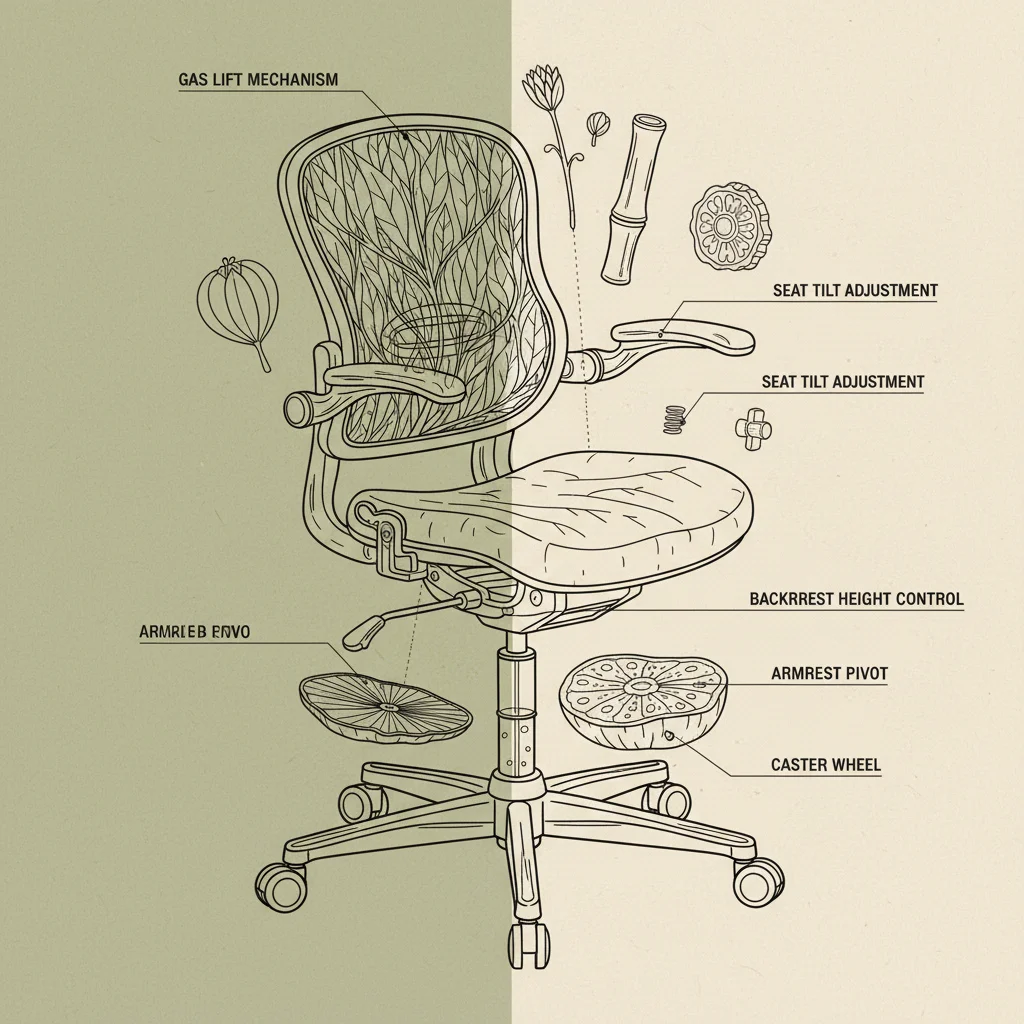
Next, adjustability is critical. Every worker is different, and a one-size-fits-all approach simply doesn’t work. The chair needs to accommodate a range of heights and body types, with adjustable seat height, backrest, and footrest. This ensures proper posture and reduces strain, leading to increased comfort and productivity. You need to be able to customize the chair to fit the worker, not the other way around.
Portability is also important, especially for on-site work. A chair that’s easy to move and transport will save you time and effort. Look for lightweight models with durable wheels that can handle uneven terrain. And finally, stability is paramount. A wobbly chair is a safety hazard. You need a chair with a wide base and a sturdy frame that won't tip over easily, especially when someone is leaning forward or reaching for something.
Global Applications and Use Cases
We’ve touched on construction, but the applications of the draughtsman chair are surprisingly diverse. In post-disaster relief operations, these chairs provide a stable workspace for assessing damage and coordinating aid efforts. In remote industrial zones, they enable engineers to conduct on-site maintenance and repairs. I’ve even seen them used extensively in marine industries for inspecting ship hulls.
Across Europe, architectural firms utilize these chairs for detailed site surveys and inspections, ensuring accurate documentation and design revisions. In Asia, they’re commonly found in manufacturing facilities, supporting quality control processes and facilitating precise assembly work.
Organizations like the Red Cross and Doctors Without Borders frequently incorporate draughtsman chairs into their mobile medical units, providing a comfortable and ergonomic workstation for medical personnel in challenging environments. The global demand reflects the universal need for a reliable, portable, and comfortable seating solution for detailed work.
Draughtsman Chair Performance Metrics
Advantages and Long-Term Value
The benefits of investing in quality draughtsman chairs extend far beyond immediate comfort. From a cost perspective, a durable chair that lasts for years will ultimately save you money compared to constantly replacing cheaper models. The increased productivity and reduced worker fatigue translate to tangible gains in project efficiency and reduced downtime.
There’s also the element of worker well-being. Providing ergonomic seating demonstrates a commitment to your team’s health and safety, fostering a more positive work environment and boosting morale. That's something you can't put a price on. A comfortable and supported worker is a happier, more engaged, and more productive worker.
Future Trends and Innovations
We’re starting to see a move towards more sustainable materials in draughtsman chair construction – recycled plastics and responsibly sourced wood, for example. This aligns with the growing emphasis on green building practices and reducing environmental impact. I’m also seeing more integration of smart technology – chairs with built-in sensors that provide real-time feedback on posture and pressure points, helping workers maintain optimal ergonomics.
Another trend is the development of modular designs, allowing for greater customization and adaptability. Imagine a chair where you can easily swap out components to adjust the height, backrest, or footrest to perfectly suit your needs. This will be especially valuable in industries where work conditions are constantly changing.
Challenges and Solutions
One of the biggest challenges is finding draughtsman chairs that strike the right balance between durability, comfort, and portability. Often, you have to compromise on one or the other. A truly rugged chair might be too heavy to easily move around a site, while a lightweight chair might not be able to withstand the demands of a harsh environment.
The solution lies in innovative materials and design. We’re seeing the emergence of lightweight alloys and composite materials that offer exceptional strength and durability without adding excessive weight. Improved wheel designs are also making it easier to maneuver chairs over uneven terrain.
Another challenge is ensuring proper ergonomic setup. A chair, no matter how well-designed, won't be effective if it's not adjusted correctly. Training workers on proper posture and chair adjustment is crucial to maximizing the benefits and minimizing the risk of injury.
Analysis of Draughtsman Chair Attributes
| Attribute |
Importance (1-10) |
Current Market Availability |
Future Potential |
| Durability |
10 |
Good |
Excellent |
| Adjustability |
9 |
Moderate |
Excellent |
| Portability |
8 |
Good |
Very Good |
| Ergonomic Support |
9 |
Moderate |
Excellent |
| Sustainability |
7 |
Limited |
Good |
| Smart Technology Integration |
6 |
Emerging |
Very Good |
FAQS
Draughtsman chairs are specifically designed for tasks requiring prolonged sitting and a clear view of a work surface. They generally feature a higher seat height, a footrest for added support, and a swivel function for easy maneuverability – features not commonly found in standard office chairs. This configuration promotes better posture and reduces strain during detailed work.
Adjustability is crucial. Every user has different body proportions and work preferences. A chair that allows for adjustable seat height, backrest angle, and footrest position ensures optimal ergonomic support and prevents discomfort or strain. Without adjustability, a chair simply won't fit properly, negating many of its benefits.
Draughtsman chairs are often constructed using a combination of materials. The frame is typically made from steel or aluminum for strength and durability. The seat and backrest can be upholstered in vinyl, fabric, or mesh for comfort and breathability. The base usually features durable casters for easy mobility.
Regular cleaning is essential. Wipe down the frame and base with a damp cloth. For upholstered seats, use a mild soap and water solution. Avoid harsh chemicals or abrasive cleaners. Periodically check and tighten any loose screws or bolts to ensure stability and prevent damage.
With proper care and maintenance, a high-quality draughtsman chair can last for many years – often 5 to 10 years or even longer. Investing in a durable chair made from quality materials is a cost-effective choice in the long run, as it reduces the need for frequent replacements.
Yes, some draughtsman chairs are specifically designed for outdoor environments. These chairs typically feature weather-resistant materials and coatings to protect against moisture, UV damage, and corrosion. They're ideal for surveying, inspections, and other tasks performed in outdoor settings.
Conclusion
In conclusion, the draughtsman chair is far more than just a place to sit. It’s a critical tool that impacts productivity, safety, and overall well-being in a wide range of industries. From its robust construction and adjustable features to its portability and ergonomic design, a quality draughtsman chair represents a worthwhile investment for any professional demanding precision, detail, and comfort in their work.
Looking ahead, we can expect to see continued innovation in materials, design, and technology, leading to even more comfortable, durable, and versatile draughtsman chairs. Investing in the right chair isn’t just about improving the present; it's about preparing for the future of work, where ergonomics and efficiency are paramount. Visit our website to explore our selection of high-quality draughtsman chairs today.