6 way adjustable office chair
news
0%

Table of Contents

The modern workplace is evolving, and with it, the demand for ergonomic and health-conscious furniture solutions is surging. An active office chair isn't merely a seat; it’s an investment in employee well-being, productivity, and long-term health. This proactive approach to office design is becoming increasingly vital as companies recognize the detrimental effects of sedentary lifestyles and seek to create dynamic work environments.

Globally, prolonged sitting is linked to a host of health issues, including cardiovascular disease, obesity, and musculoskeletal disorders. This has prompted a shift towards more movement-focused office setups. The World Health Organization estimates that physical inactivity contributes to over 3.2 million deaths annually. Therefore, incorporating an active office chair into the workspace represents a significant step towards addressing this public health concern.

These chairs are designed to encourage micro-movements and maintain postural engagement, mitigating the risks associated with static seating. They’re not just about comfort, but about fostering a healthier, more engaged, and ultimately, more productive workforce. Adoption rates are growing, fueled by awareness and a commitment to employee wellness programs.

active office chair

The Importance of Active Office Chairs

active office chair

The rise of the active office chair isn’t simply a trend; it’s a response to mounting evidence about the health risks associated with prolonged sitting. Modern workplaces often require long hours spent at desks, which can lead to decreased energy levels, reduced focus, and an increased risk of chronic health conditions.

Investing in these chairs is a proactive step companies can take to support employee well-being and create a more dynamic and productive work environment. They represent a paradigm shift from traditional static seating towards a more fluid and engaging experience.

Defining Active Office Chairs

An active office chair is designed to encourage movement throughout the workday. Unlike traditional chairs that support a static posture, these chairs incorporate features that promote micro-movements and postural adjustments. This constant, subtle activity helps improve circulation, strengthen core muscles, and reduce strain on the spine.

They achieve this through various mechanisms, including dynamic backrests, adjustable armrests, and wobble or tilt features. The goal isn’t to eliminate sitting entirely, but to transform it from a passive, potentially harmful activity into an active, health-supporting one.

This concept connects directly to the modern understanding of workplace wellness, which recognizes that employee health is intrinsically linked to productivity, engagement, and overall organizational success. They serve as a physical manifestation of a company’s commitment to its workforce.

Core Components of Active Office Chair Design

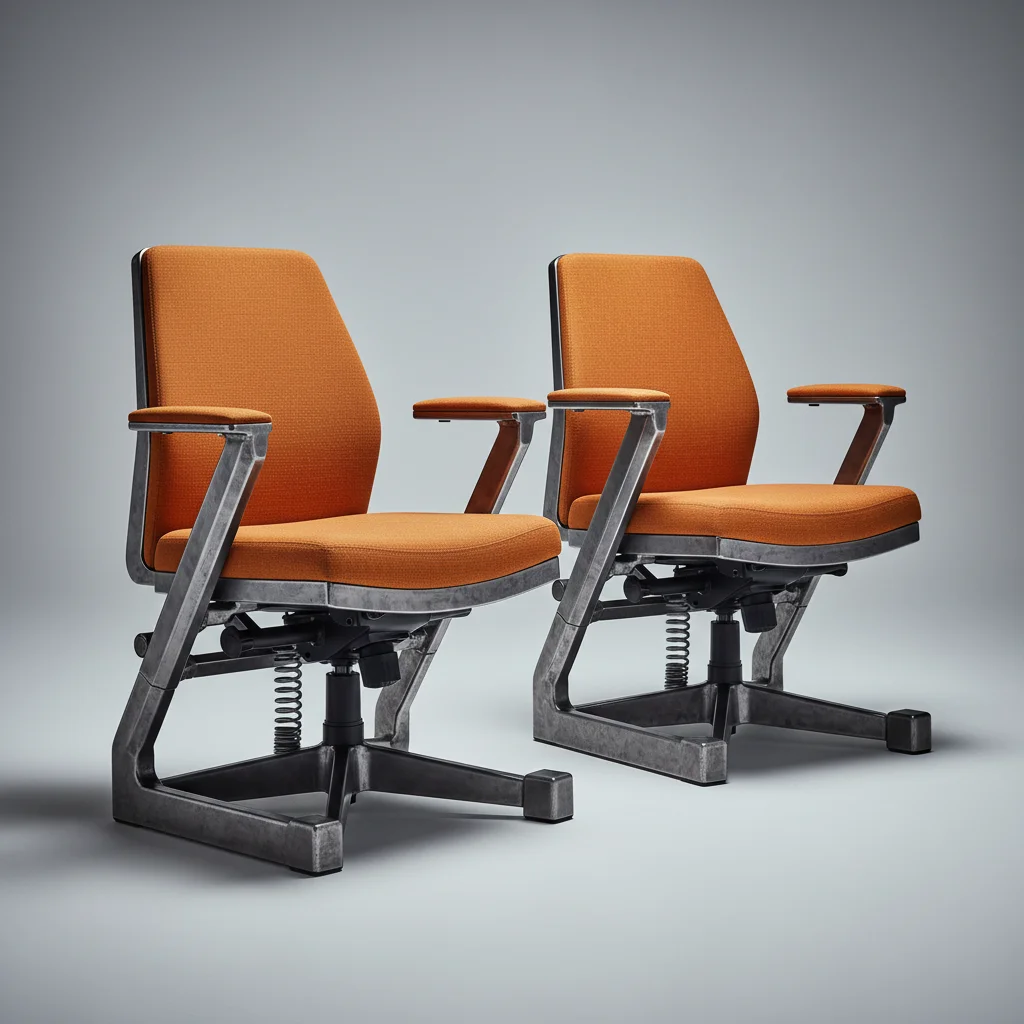
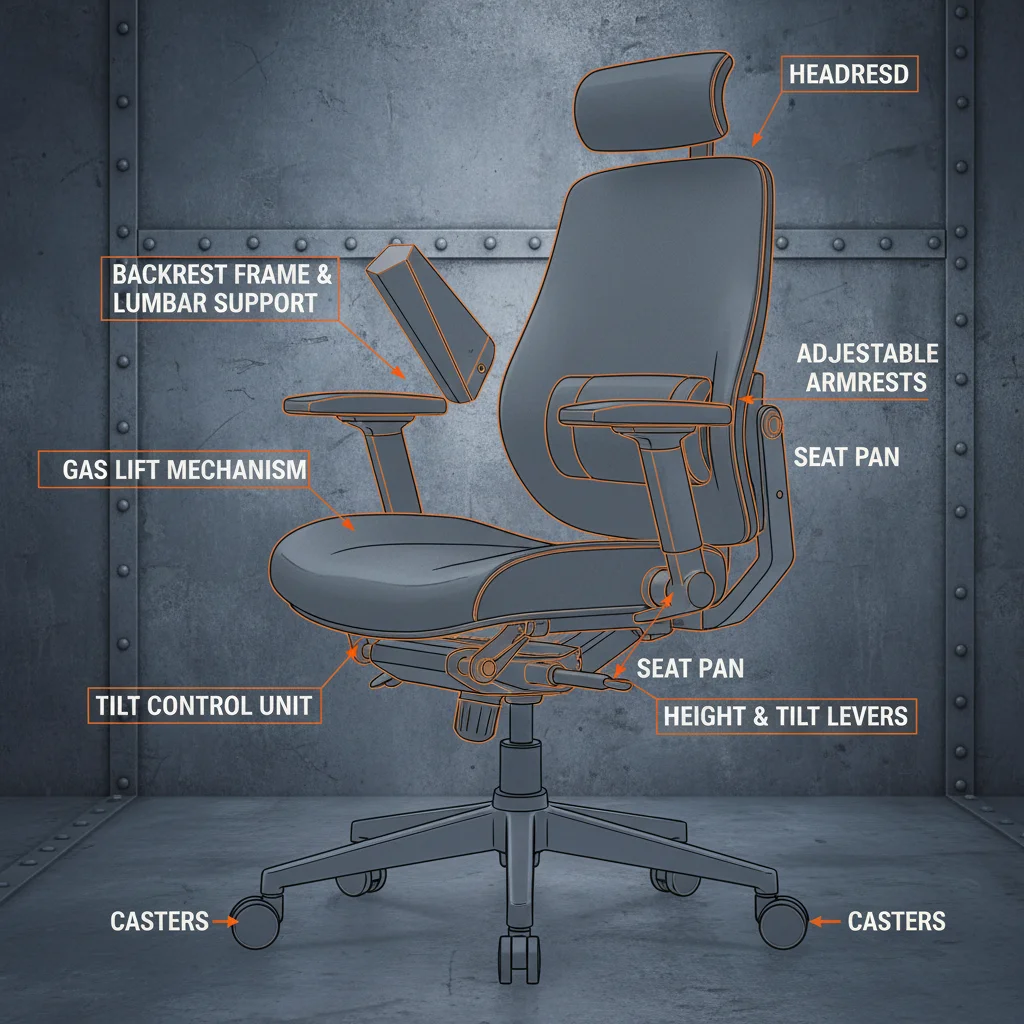
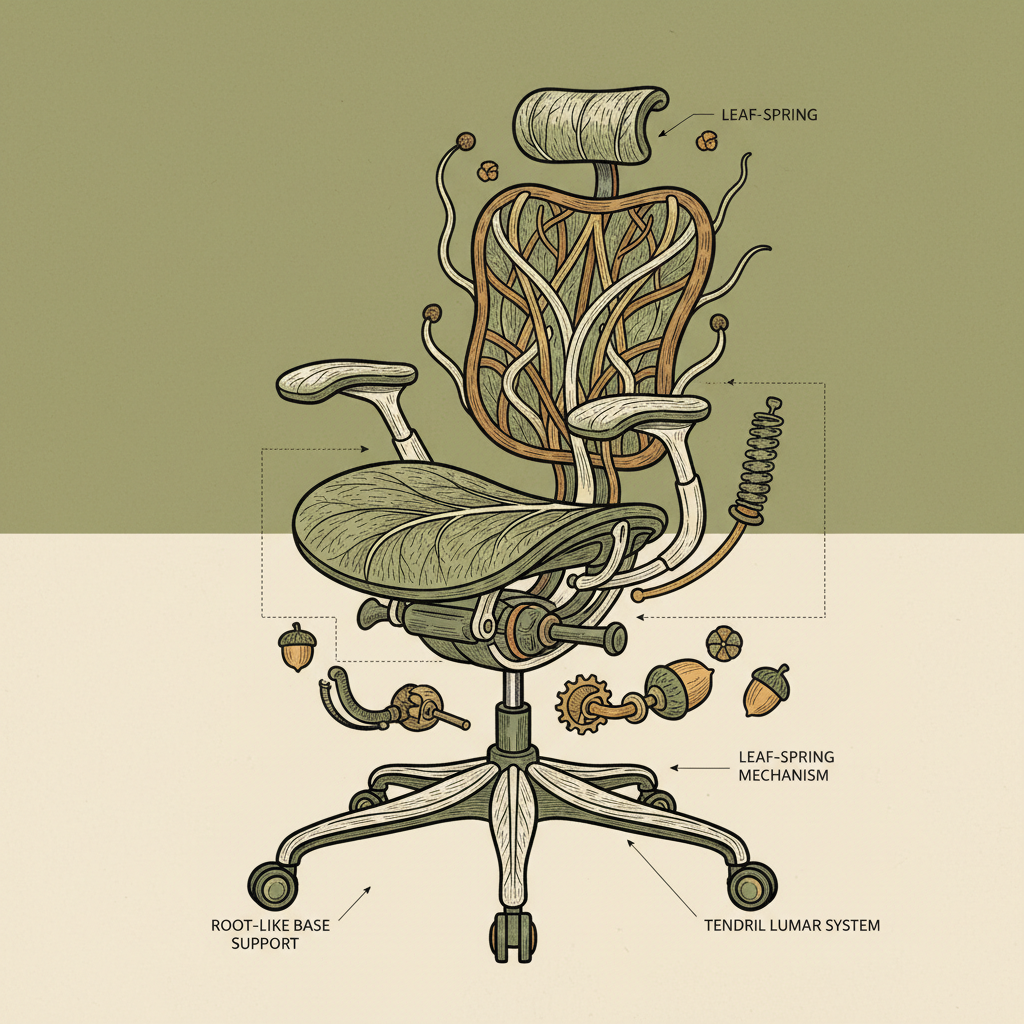
Several key features differentiate an active office chair from a conventional one. First, dynamic lumbar support is crucial, adapting to the user’s movements and providing consistent spinal alignment. Adjustability is paramount—height, armrests, and tilt tension should all be easily customizable to suit individual needs.

Secondly, a breathable mesh back promotes airflow, preventing overheating and discomfort during prolonged use. A synchro-tilt mechanism, allowing the backrest and seat to move in a coordinated fashion, is essential for encouraging natural movement. Third, the base and casters need to be durable and allow for smooth, effortless mobility. These core components work in synergy to create a chair that actively supports healthy posture and movement.

Finally, material choices are vital. High-quality, ergonomic foam cushioning, paired with durable and easy-to-clean fabrics, ensures longevity and user comfort. A well-designed active office chair isn't simply about moving parts; it’s about a thoughtful integration of materials and mechanics to promote a truly active and supportive seating experience.

Applications Across Industries

The benefits of active office chairs extend across a wide range of industries. In corporate offices, they help combat the sedentary nature of desk jobs, improving employee health and productivity. Call centers, where employees spend hours seated, particularly benefit from the ergonomic support and movement opportunities these chairs provide.

Active Office Chair Adoption Rates by Industry

Benefits and Long-Term Value

The tangible benefits of incorporating an active office chair extend far beyond immediate comfort. Reduced absenteeism due to musculoskeletal issues translates to cost savings for businesses. Increased employee productivity, driven by improved focus and energy levels, positively impacts the bottom line.

From a sustainability perspective, investing in durable, high-quality chairs reduces the need for frequent replacements, minimizing waste. The ergonomic design contributes to employee well-being, fostering a positive work environment and enhancing company reputation.

Future Trends in Active Office Chair Technology

The future of active office chairs is poised for significant innovation. Integration with wearable technology—sensors that monitor posture and provide real-time feedback—is becoming increasingly prevalent. Smart chairs that automatically adjust to the user’s body and movements will offer personalized ergonomic support.

Materials science is also playing a crucial role, with the development of even more breathable, durable, and sustainable fabrics. Expect to see a growing emphasis on biophilic design, incorporating natural elements and textures into chair construction to create a more calming and restorative work environment.

Challenges and Solutions in Implementation

Despite the clear benefits, implementing active office chairs can present challenges. Cost can be a barrier for some organizations, although the long-term return on investment often outweighs the initial expense. Ensuring proper employee training on how to effectively use and adjust the chairs is crucial to maximize their benefits.

Addressing resistance to change—some employees may be accustomed to traditional chairs and reluctant to adopt a new approach—requires clear communication and demonstration of the advantages. Providing a variety of active seating options—chairs with different features and levels of movement—can cater to individual preferences.

Summary of Active Office Chair Implementation Factors

Challenge Impact on Adoption Proposed Solution Implementation Cost (Scale 1-10)
Initial Cost High – may deter smaller businesses Leasing options, phased rollout 6
Employee Resistance Moderate – comfort preferences vary Demonstrations, trials, education 4
Lack of Training High – improper use reduces benefits Workshops, online guides, individual support 5
Space Constraints Low – most chairs are standard size Careful layout planning 2
Maintenance Needs Moderate – moving parts require upkeep Regular inspections, preventative maintenance 3
Suitability for All Users Moderate – individual needs vary Offer a range of chair types and adjustments 4

FAQS

What are the key differences between an active office chair and a traditional ergonomic chair?

While both prioritize ergonomics, traditional chairs focus on static support, aiming to maintain a fixed posture. Active office chairs encourage micro-movements and dynamic sitting, promoting engagement of core muscles and improved circulation. They offer features like wobble or tilt mechanisms, and dynamic backrests, that aren’t typically found in standard ergonomic chairs, leading to a more engaging and healthy seating experience.

Are active office chairs suitable for people with pre-existing back pain?

Active office chairs *can* be beneficial for some individuals with back pain, but it's crucial to consult with a healthcare professional before switching. The dynamic support can help strengthen core muscles and improve posture, but it's essential to choose a chair with appropriate adjustments and ensure proper usage. A poorly adjusted chair could exacerbate existing issues.

How often should I be moving while using an active office chair?

The beauty of these chairs is they subtly encourage movement throughout the day. It’s not about constant, vigorous activity, but about avoiding prolonged static postures. Aim for small adjustments every 20-30 minutes. The chair’s design naturally promotes these micro-movements, fostering engagement without requiring conscious effort.

What's the average lifespan of a high-quality active office chair?

A well-built active office chair, constructed with durable materials and a robust mechanism, should last between 5-10 years with regular use. Factors like the chair's initial quality, the intensity of use, and the frequency of maintenance will all influence its lifespan. Investing in a chair from a reputable manufacturer is a key factor in ensuring longevity.

How do I clean and maintain an active office chair?

Regular cleaning with a damp cloth and mild detergent is typically sufficient. Avoid abrasive cleaners, as they can damage the upholstery. Periodically check and tighten any loose screws or bolts. For mesh chairs, use a vacuum cleaner with a brush attachment to remove dust and debris. Following the manufacturer's care instructions is always recommended.

Are active office chairs more expensive than traditional office chairs?

Generally, active office chairs tend to be more expensive than standard office chairs due to their more complex mechanisms and advanced ergonomic features. However, considering the long-term benefits to employee health, productivity, and reduced healthcare costs, the investment can be justified. Many companies also find the increased employee satisfaction and engagement to be a significant return on investment.

Conclusion

In conclusion, the active office chair represents a fundamental shift in how we approach workplace wellness. It’s no longer enough to simply provide a comfortable seat; companies must prioritize movement and engagement to support the health and productivity of their employees. By incorporating these chairs into the workspace, organizations can create a more dynamic, healthy, and engaging work environment.

Looking ahead, continued innovation in materials and technology promises to further enhance the benefits of active seating. By embracing these advancements, companies can solidify their commitment to employee well-being and foster a culture of health and vitality. Visit our website at www.cdgamingfurniture.com to explore our range of active office chair solutions and learn how we can help you create a healthier, more productive workplace.

Ethan Turner

Ethan Turner

Ethan is the Marketing Director at Cangzhou Jiujiang, focusing on expanding the brand's presence in North America. With over a decade of experience in outdoor apparel marketing, Ethan leverages his knowledge to promote the company’s PU rainwear, emphasizing its BSCI and GRS certifications.

Previous Acrylic Rolling Chairs Modern Seating Solutions
Next Adjustable Armless Chair Design Benefits

If you are interested in our products, you can choose to leave your information here, and we will be in touch with you shortly.