The demand for adaptable and comfortable seating solutions is constantly evolving, and the adjustable armless chair stands out as a versatile option catering to a wide range of needs. From ergonomic office environments to relaxed home settings, these chairs offer personalized comfort and support. Their growing popularity reflects a broader shift towards prioritizing individual well-being and maximizing space utilization, making them an increasingly relevant furniture choice globally.
The increasing focus on adaptable living spaces, coupled with a rising awareness of ergonomic benefits, has fueled the demand for adjustable armless chairs. This trend isn't limited to developed nations; emerging economies are also witnessing a growing interest in furniture that provides both comfort and functionality. This global interest underscores the significance of understanding the design, benefits, and applications of the adjustable armless chair.
Ultimately, the adjustable armless chair isn’t merely a piece of furniture; it's a solution to promoting better posture, increasing comfort, and adapting to diverse needs – a testament to thoughtful design meeting real-world demands.
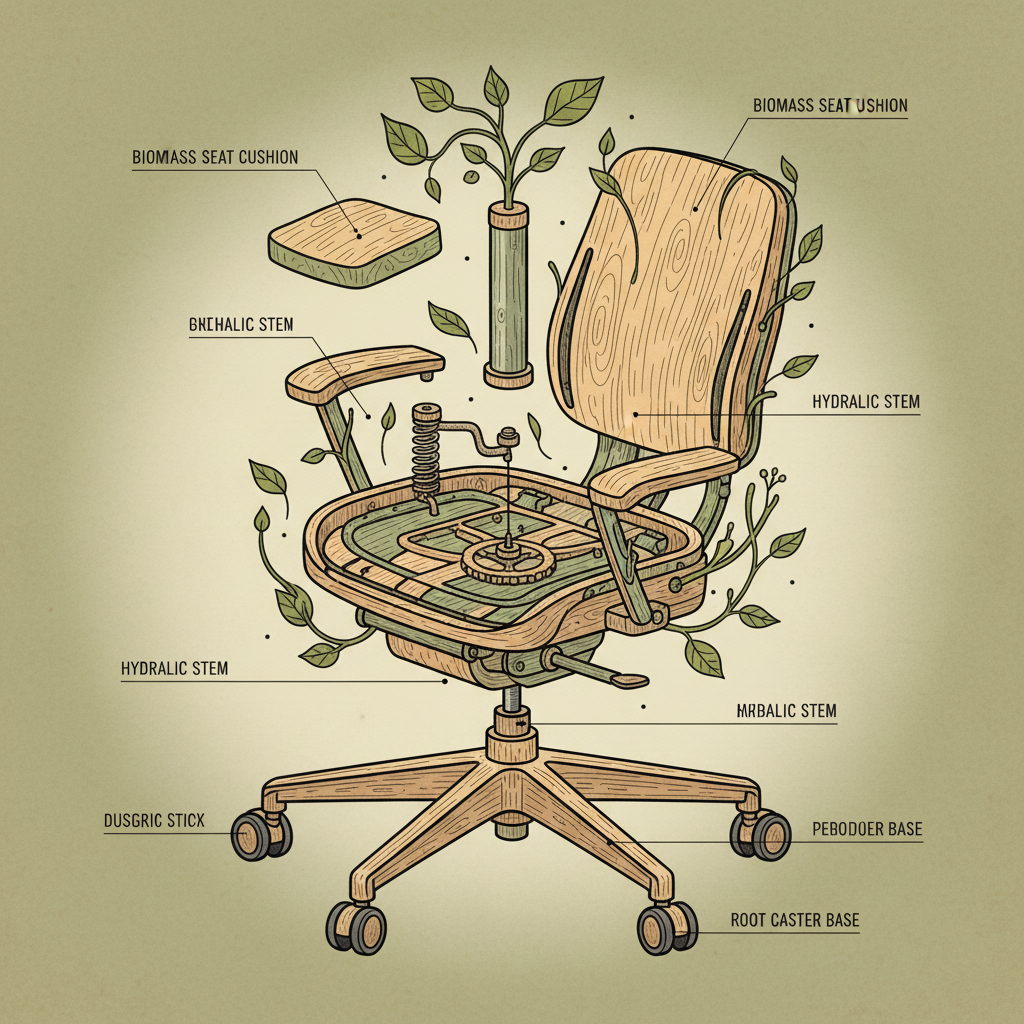
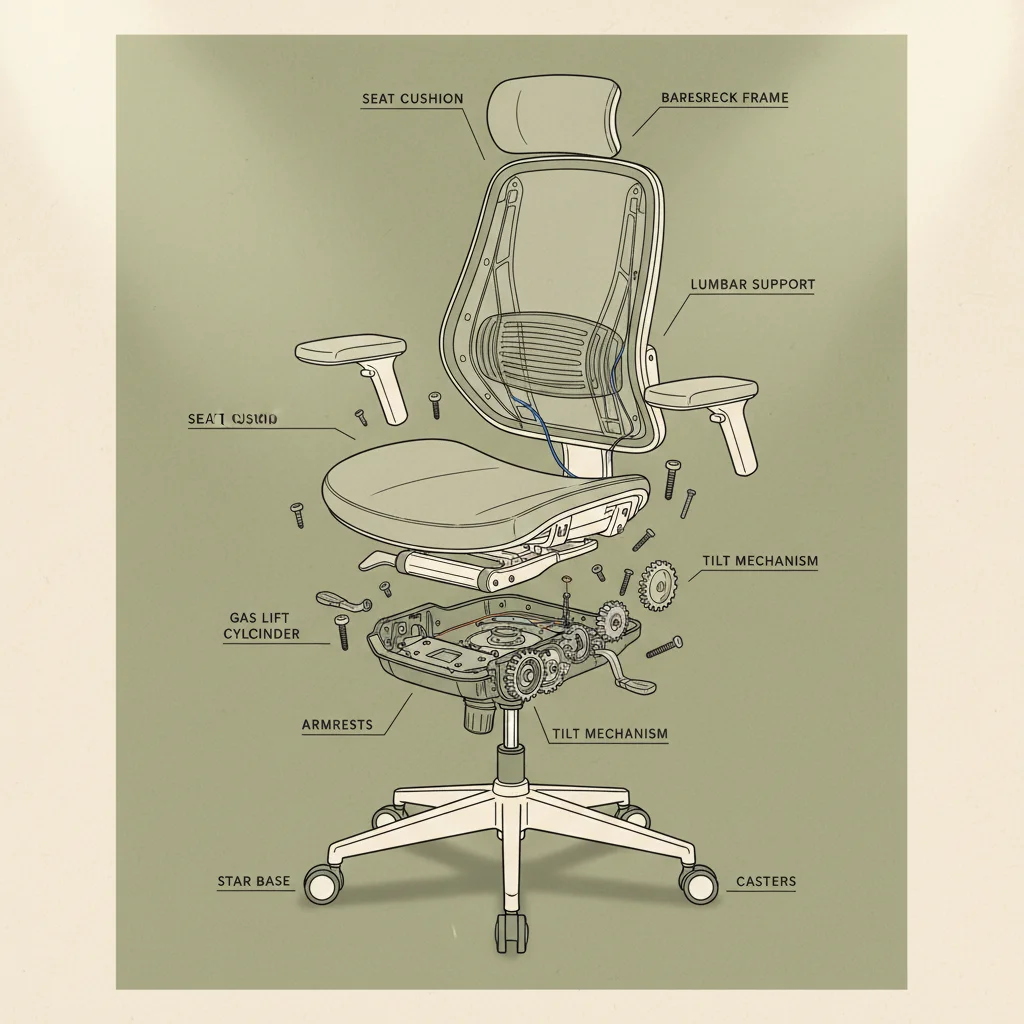
At the heart of a well-designed adjustable armless chair lies a commitment to user-centric ergonomics. The absence of arms, while seemingly simple, allows for a greater range of motion and adaptability to different body types. This is achieved through meticulously engineered adjustments for seat height, backrest tilt, and lumbar support, all working in concert to promote healthy posture and reduce strain.
The fundamental principle isn’t just about adjustability; it's about intuitive control. A successful adjustable armless chair allows users to effortlessly personalize their seating experience, fostering comfort and productivity. Designers prioritize ease of use, ensuring that the adjustments are accessible and require minimal effort to operate, making it a seamless integration into any environment.
The versatility of an adjustable armless chair makes it a compelling choice across a surprisingly broad spectrum of applications. In office environments, they’re favored for their ability to promote dynamic seating, encouraging movement and reducing the risks associated with prolonged static postures. Their armless design also facilitates easy integration into collaborative workspaces.
Beyond the office, these chairs find homes in educational institutions, creative studios, and even healthcare settings. In classrooms, their adjustability caters to students of varying sizes, while in studios, they offer a flexible seating solution for artists and designers. Healthcare facilities benefit from their ease of cleaning and ability to accommodate diverse patient needs.
The home remains a significant market, with adjustable armless chairs functioning as versatile additions to dining areas, home offices, and even living rooms, showcasing their adaptability to a multitude of lifestyles.
The longevity and performance of an adjustable armless chair are heavily reliant on the materials used in its construction. Manufacturers are increasingly turning to high-quality materials like durable polymers, breathable mesh fabrics, and robust steel or aluminum frames to ensure both comfort and resilience. The selection process is often a balancing act between cost, weight, and structural integrity.
Beyond the core materials, attention to detail in construction is paramount. Reinforced stitching, robust connection points, and rigorous testing procedures all contribute to a chair’s ability to withstand the demands of daily use. Innovations in material science, such as the development of self-healing polymers, are also beginning to emerge, promising even greater durability in the future.
The growing emphasis on sustainability is also driving a shift towards eco-friendly materials, such as recycled plastics and responsibly sourced wood, demonstrating a commitment to both product quality and environmental responsibility in adjustable armless chair manufacturing.
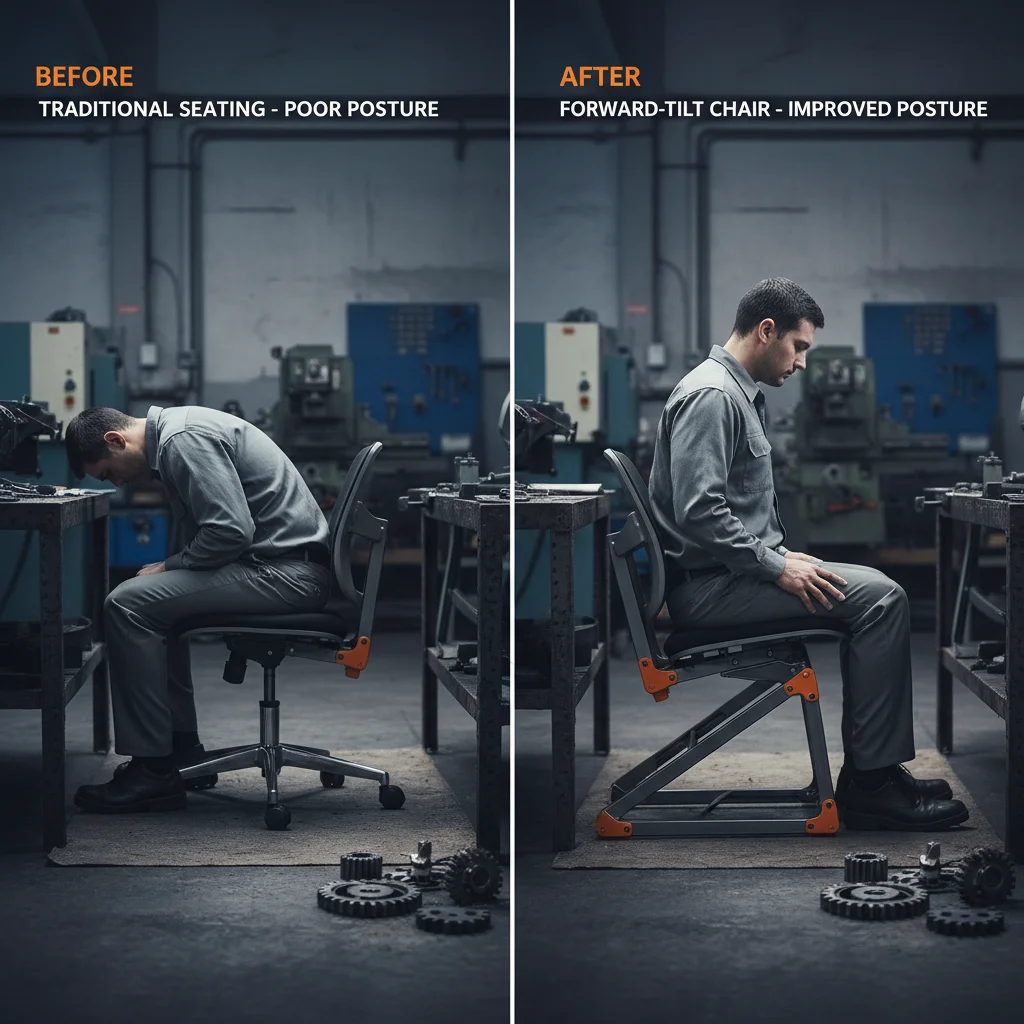
The key ergonomic advantage of an adjustable armless chair lies in its ability to promote a neutral spine posture. By allowing users to fine-tune the seat height, backrest angle, and lumbar support, these chairs minimize strain on the back, neck, and shoulders. This is particularly important for individuals who spend extended periods sitting.
The customization options extend beyond basic adjustments. Many models offer adjustable seat depth, allowing users to tailor the chair to their thigh length, and some even incorporate dynamic lumbar support that adapts to the user’s movements. The ability to personalize these settings is crucial for achieving optimal comfort and preventing musculoskeletal disorders.
The global market for adjustable armless chair is experiencing steady growth, driven by increased awareness of ergonomic principles and the rising demand for flexible workspace solutions. North America and Europe currently dominate the market, but Asia-Pacific is emerging as a key growth region due to rapid urbanization and economic development.
Online retail channels are playing an increasingly significant role in distribution, allowing manufacturers to reach a wider audience and offer greater customization options. The trend towards remote work is also contributing to demand, as individuals invest in comfortable and ergonomic home office setups.
Sustainability is becoming an increasingly important consideration in the furniture industry, and the adjustable armless chair is no exception. Manufacturers are actively seeking ways to minimize their environmental impact through the use of recycled materials, responsible sourcing of raw materials, and energy-efficient production processes.
Design for disassembly is another key aspect of sustainable production. Chairs designed to be easily disassembled at the end of their lifecycle can be more readily recycled or repurposed, reducing waste. Extended producer responsibility schemes are also gaining traction, holding manufacturers accountable for the entire lifecycle of their products.
Transparency in the supply chain is also critical, allowing consumers to make informed purchasing decisions based on environmental and ethical considerations, ultimately driving the demand for more sustainable adjustable armless chair options.
The future of adjustable armless chair technology is poised for significant innovation. We can anticipate advancements in smart chair technology, incorporating sensors that monitor posture and provide real-time feedback to users. Adaptive materials that respond to body temperature and pressure are also on the horizon.
3D printing offers the potential for highly customized chair designs, tailored to individual body shapes and preferences. However, challenges remain in terms of cost, scalability, and material durability. The integration of artificial intelligence (AI) could also lead to chairs that automatically adjust to the user’s needs.
A key challenge lies in balancing innovation with affordability and sustainability. Developing cutting-edge technologies while maintaining competitive pricing and minimizing environmental impact will be crucial for the continued success of the adjustable armless chair market.
| Challenge | Impact on Adjustable Armless Chair | Potential Solution | Implementation Timeline |
|---|---|---|---|
| High Production Costs | Limited Affordability for Wider Market | Automated Manufacturing Processes & Material Optimization | 1-3 Years |
| Sustainability Concerns | Consumer Demand for Eco-Friendly Products | Use of Recycled Materials & Circular Economy Practices | Ongoing |
| Complexity of Customization | Difficulty in Meeting Individual User Needs | AI-Powered Design Tools & 3D Printing | 3-5 Years |
| Material Durability | Reduced Product Lifespan & Increased Waste | Development of Advanced Polymer Materials | 2-4 Years |
| Integration of Smart Technology | Cybersecurity & Data Privacy Concerns | Robust Data Encryption & Privacy Protocols | Ongoing |
| Standardization of Adjustment Mechanisms | Inconsistency in User Experience & Repairability | Industry Collaboration & Development of Universal Standards | 5+ Years |
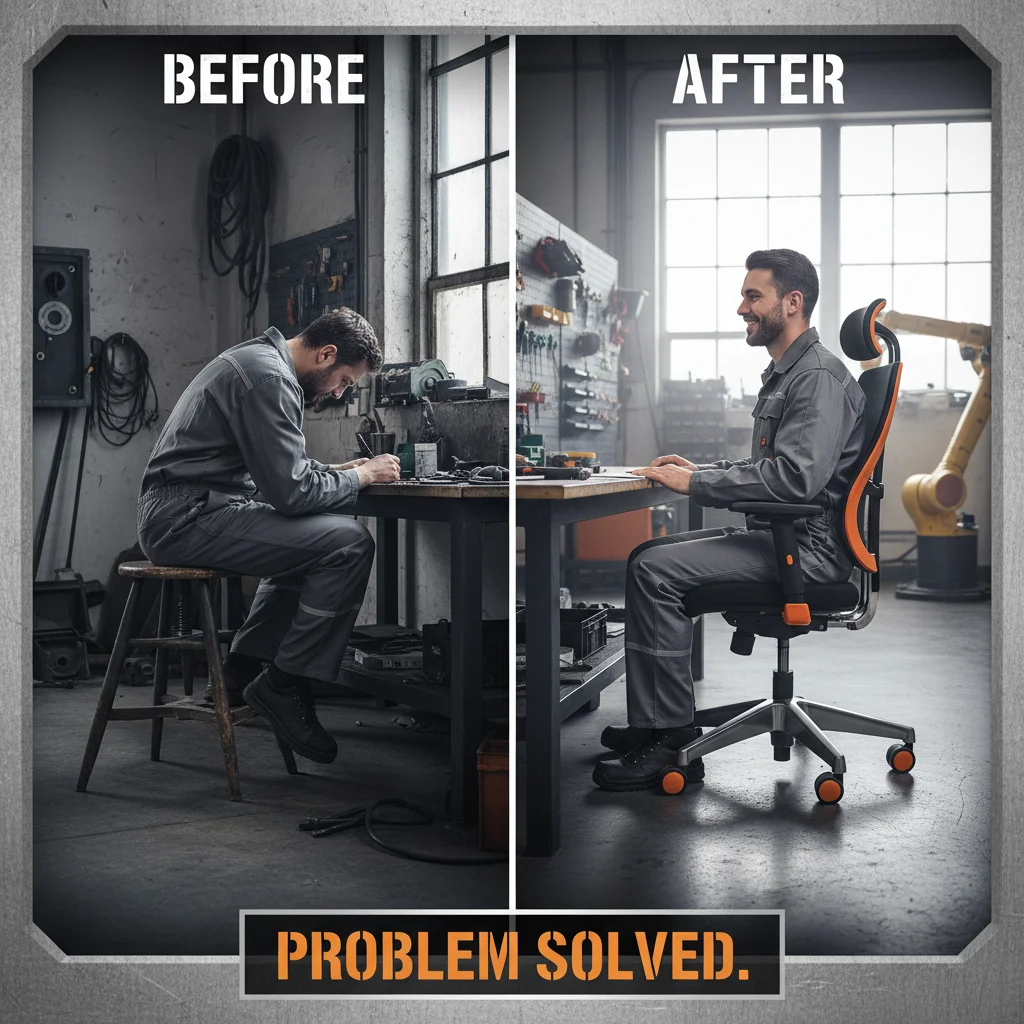
Adjustable armless chairs promote better posture by allowing users to customize seat height, backrest tilt, and lumbar support. This minimizes strain on the back, neck, and shoulders, reducing the risk of musculoskeletal disorders. The armless design also encourages a more dynamic seating position, promoting movement and preventing stiffness. They are particularly useful for individuals who spend prolonged periods seated, such as office workers or students.
Consider your primary use case. For office work, prioritize chairs with robust lumbar support and adjustable seat depth. For creative tasks, flexibility and ease of movement are key. Pay attention to the chair’s weight capacity, materials, and overall build quality. Read reviews and, if possible, test the chair in person to ensure it provides adequate comfort and support for your body type. Don't overlook the adjustability features – ensure they're intuitive and easily accessible.
Common materials include high-density foam for cushioning, breathable mesh fabric for ventilation, durable polymers for the seat and backrest, and steel or aluminum for the frame. Higher-end models may incorporate features like memory foam, leather upholstery, and adjustable lumbar support mechanisms. The choice of materials impacts the chair’s comfort, durability, and price point. Sustainable options, like recycled materials, are also becoming increasingly available.
Regular cleaning is essential for maintaining the chair’s appearance and hygiene. Use a damp cloth to wipe down the upholstery and frame. For fabric chairs, consider using a mild upholstery cleaner. Avoid harsh chemicals or abrasive cleaners, which can damage the materials. Periodically tighten any loose screws or bolts to ensure the chair remains stable. Follow the manufacturer’s instructions for specific cleaning and maintenance recommendations.
The lifespan of an adjustable armless chair depends on the quality of materials, construction, and usage. A well-maintained chair made with durable materials can last for 5-10 years or even longer. Higher-end models with robust frames and premium upholstery are likely to have a longer lifespan. Regular maintenance, such as tightening screws and cleaning the upholstery, can significantly extend the chair’s usability.
Adjustable armless chairs *can* be beneficial for people with back pain, but it's crucial to choose a chair with appropriate ergonomic features. Look for models with adjustable lumbar support, seat height, and backrest tilt. Proper adjustment can help maintain a neutral spine posture and reduce strain on the back muscles. However, it’s always best to consult with a healthcare professional or ergonomist to determine the best seating solution for your specific condition.
The adjustable armless chair represents a significant advancement in seating design, prioritizing adaptability, comfort, and ergonomic support. From promoting healthy posture to accommodating diverse body types and work environments, these chairs offer a compelling solution for individuals and organizations seeking to enhance well-being and productivity. The growing awareness of ergonomic principles and the demand for flexible workspace solutions will continue to drive the evolution and adoption of this versatile furniture piece.
Looking ahead, advancements in materials science, smart technology, and sustainable manufacturing practices will further refine the adjustable armless chair, creating even more personalized and environmentally responsible solutions. By investing in quality, adjustability, and thoughtful design, we can unlock the full potential of these chairs to improve comfort, promote health, and create more dynamic and productive spaces. Visit our website today at CD Gaming Furniture to explore our selection!

Ethan is the Marketing Director at Cangzhou Jiujiang, focusing on expanding the brand's presence in North America. With over a decade of experience in outdoor apparel marketing, Ethan leverages his knowledge to promote the company’s PU rainwear, emphasizing its BSCI and GRS certifications.
If you are interested in our products, you can choose to leave your information here, and we will be in touch with you shortly.