The demand for comfortable and adaptable seating solutions is constantly evolving, and a key aspect of this is the growing preference for adjustable chair no wheels. These chairs cater to a diverse range of needs, from home office ergonomics to specialized industrial applications, offering benefits that traditional wheeled chairs simply cannot match. The increasing awareness of posture-related health concerns and the need for stability in certain environments are major drivers behind the rising popularity of this seating option.
The global market for ergonomic seating is substantial, with projections indicating continued growth fueled by increasing disposable incomes and a greater emphasis on workplace wellness. Organizations like the World Health Organization (WHO) and ISO standards increasingly advocate for ergonomic solutions to reduce musculoskeletal disorders, creating a favorable environment for adjustable chair no wheels. The challenges of providing stable seating in environments like laboratories, cleanrooms, and manufacturing facilities further bolster the demand for this specific type of chair.
Ultimately, choosing the right seating can significantly impact productivity, health, and safety. Understanding the nuances of different chair designs, particularly those without wheels, is critical for both individuals and businesses seeking optimized solutions.
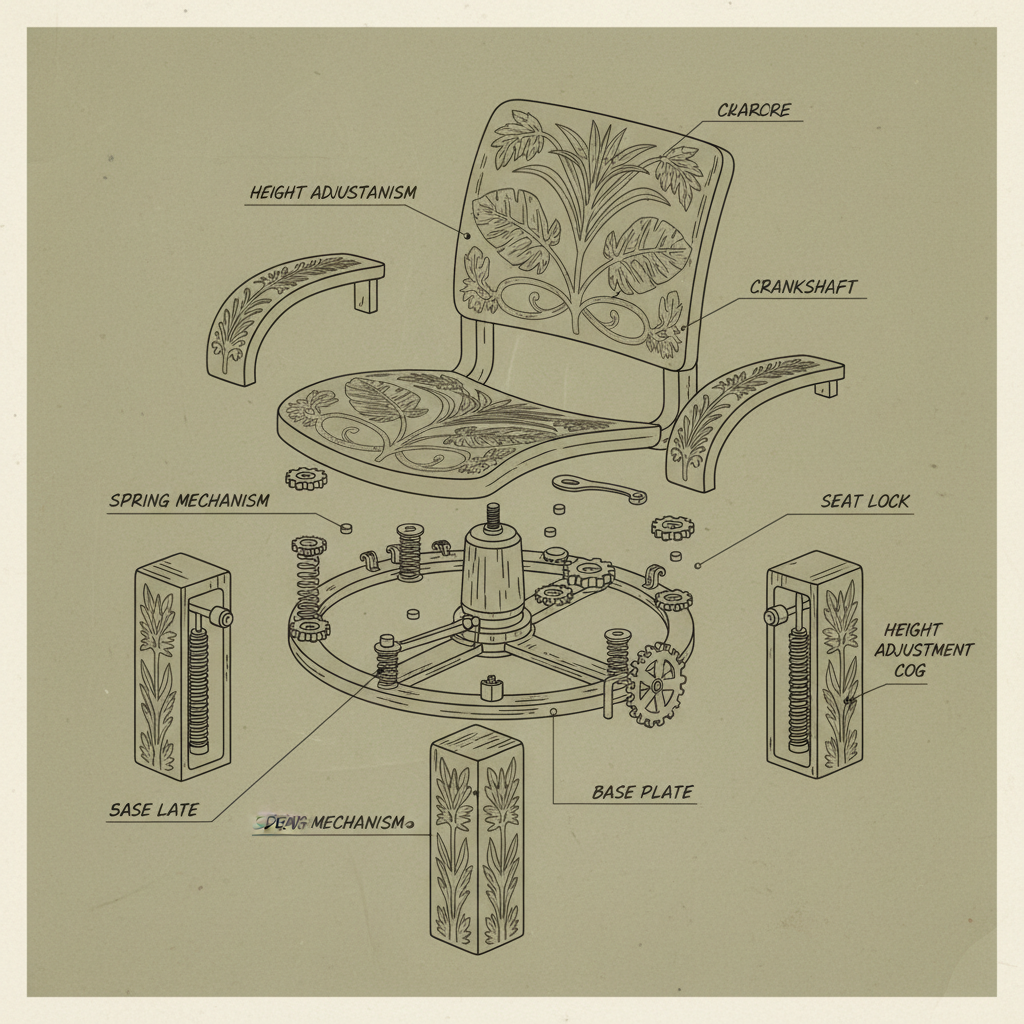
Adjustable chair no wheels are rapidly gaining traction across various sectors, driven by a demand for enhanced stability and precise positioning. Unlike their wheeled counterparts, these chairs offer a secure foundation, crucial for tasks requiring focused concentration and minimal movement. This is particularly important in industries where accidental rolling could compromise safety or precision.
The evolution of ergonomic design has led to increasingly sophisticated adjustment mechanisms, allowing users to customize their seating experience for optimal comfort and support. These adjustments typically include seat height, backrest angle, and armrest positioning, all contributing to a healthier and more productive work environment.
An adjustable chair no wheels is a seating solution designed to provide ergonomic support and customizable comfort without the use of casters. These chairs typically feature a stable base, often constructed from steel or reinforced polymers, and are engineered for stationary use. The defining characteristic is the absence of wheels, offering a stationary and secure seating experience.
This type of chair directly addresses the need for stability in environments where mobility is undesirable or potentially hazardous. This includes laboratories, medical facilities, industrial workstations, and specialized office settings. The absence of wheels eliminates the risk of accidental movement and ensures a fixed point of support.
The connection to modern industry and humanitarian needs lies in providing a safe, ergonomic, and reliable seating option where precision, control, and stability are paramount. They represent a practical solution to address specific occupational hazards and improve worker well-being.
Durability is a cornerstone of adjustable chair no wheels. They are frequently constructed with heavy-duty materials to withstand rigorous use in demanding environments. The absence of wheels simplifies the design, reducing potential points of failure and extending the chair's lifespan.
Ergonomic adjustability is another key feature. These chairs offer a range of adjustments, including seat height, backrest tilt, lumbar support, and armrest positioning. These adjustments enable users to tailor the chair to their individual body dimensions and preferences, promoting healthy posture and reducing strain.
Stability is arguably the most crucial feature. The fixed base provides a secure and unwavering foundation, eliminating the risk of unwanted movement. This is essential in environments where precise positioning is required, such as laboratory work or detailed assembly tasks.
Evaluating the performance of adjustable chair no wheels requires a focus on both physical durability and ergonomic effectiveness. Key metrics include load capacity, material strength, and the range and precision of available adjustments.
Ergonomically, the chair should promote proper spinal alignment, support the natural curves of the back, and minimize pressure points. The adjustability features should allow users to achieve a neutral posture with their feet flat on the floor, elbows at a 90-degree angle, and shoulders relaxed.
Adjustable chair no wheels find widespread application in sectors demanding precise control and stability. Laboratories utilize them to maintain secure seating during delicate experiments, while manufacturing facilities employ them at workstations requiring focused attention.
The medical field relies on these chairs for procedures demanding static positioning, such as dental work or minor surgeries. Even in specialized office environments, where employees require focused concentration without the distraction of movement, these chairs provide a valuable solution.
The tangible benefits of adjustable chair no wheels extend beyond mere stability. Their robust construction often translates to a longer lifespan compared to wheeled chairs, reducing the frequency of replacements and associated costs. The ergonomic features contribute to improved employee health and productivity, minimizing the risk of musculoskeletal disorders.
The psychological impact of a stable and supportive chair should not be overlooked. Employees feel more secure and focused when their seating provides a firm foundation, fostering a sense of well-being and contributing to a more positive work environment.
From a sustainability perspective, the durability of these chairs reduces waste and minimizes the environmental footprint associated with frequent replacements. This aligns with growing corporate social responsibility initiatives and promotes a more eco-conscious approach to workplace design.
The future of adjustable chair no wheels is likely to be shaped by advancements in materials science and ergonomic research. We can anticipate the integration of more sustainable materials, such as recycled plastics and bio-based polymers, to reduce the environmental impact.
Smart chair technologies, incorporating sensors to monitor posture and provide real-time feedback, may become increasingly prevalent. These sensors could also be used to personalize adjustments automatically, optimizing comfort and support for each individual user.
Further innovations in adjustable mechanisms will likely focus on providing even greater range and precision, allowing for a truly customized seating experience. The convergence of ergonomic principles and technological advancements promises a new generation of chairs that prioritize both comfort and well-being.
| Material Composition | Adjustment Range | Stability Rating | User Comfort Level |
|---|---|---|---|
| Steel Frame with High-Density Foam | Seat Height: 16-20 inches | 9/10 - Excellent | 8/10 - Very Comfortable |
| Aluminum Alloy with Memory Foam | Seat Height: 18-22 inches | 8/10 - Stable | 9/10 - Extremely Comfortable |
| Reinforced Polymer with Standard Foam | Seat Height: 15-19 inches | 7/10 - Good | 7/10 - Comfortable |
| Steel Frame with Gel-Infused Foam | Seat Height: 17-21 inches | 9/10 - Excellent | 8/10 - Very Comfortable |
| Aluminum Alloy with Latex Foam | Seat Height: 19-23 inches | 8/10 - Stable | 9/10 - Extremely Comfortable |
| Reinforced Polymer with High-Density Foam | Seat Height: 16-20 inches | 7/10 - Good | 7/10 - Comfortable |
The primary advantage lies in enhanced stability. Adjustable chair no wheels are ideal for environments requiring precise positioning and minimizing accidental movement. This is critical in labs, manufacturing facilities, and any workspace where stability is paramount. They also tend to be more durable due to a simplified design lacking the complexities of a wheeled base.
Yes, adjustable chairs without wheels can be beneficial for individuals with back pain, provided they offer adequate ergonomic support. Look for features like adjustable lumbar support, seat height, and backrest angle. The stability also encourages better posture, reducing strain on the back muscles. However, it's essential to consult with a healthcare professional to determine the best seating solution for your specific needs.
Common materials include steel for the frame, providing robust support, and various foam densities for cushioning. Higher-end models may utilize aluminum alloy for a lighter yet durable frame. Upholstery materials range from fabric to leather, depending on the price point and desired aesthetic. Increasingly, manufacturers are exploring sustainable materials like recycled polymers.
Start by adjusting the seat height so your feet are flat on the floor and your knees are at a 90-degree angle. Next, adjust the backrest to support the natural curve of your spine, with lumbar support positioned appropriately. Armrests should be adjusted so your elbows are also at a 90-degree angle while typing. Regular micro-adjustments throughout the day are recommended to maintain comfort.
Yes, adjustable chair no wheels are designed for extended use, but it's crucial to choose a model with adequate ergonomic features and cushioning. Regular breaks and movement are also essential to prevent fatigue and discomfort, even with the best chair.
The price range varies significantly based on features, materials, and brand. Generally, you can expect to find good-quality options ranging from $200 to $800. Higher-end models with advanced ergonomic features and premium materials may exceed $1000.
Adjustable chair no wheels offer a compelling solution for individuals and organizations prioritizing stability, ergonomics, and long-term durability. From specialized industrial settings to focused office environments, these chairs provide a secure and supportive seating experience that enhances productivity and promotes well-being. Their ability to adapt to individual needs and withstand rigorous use makes them a valuable investment.
As technology continues to advance and ergonomic principles become increasingly refined, we can anticipate further innovations in chair design. By embracing sustainable materials, smart technologies, and a commitment to user comfort, we can unlock the full potential of adjustable chairs without wheels and create healthier, more productive workplaces for all.

Ethan is the Marketing Director at Cangzhou Jiujiang, focusing on expanding the brand's presence in North America. With over a decade of experience in outdoor apparel marketing, Ethan leverages his knowledge to promote the company’s PU rainwear, emphasizing its BSCI and GRS certifications.
If you are interested in our products, you can choose to leave your information here, and we will be in touch with you shortly.