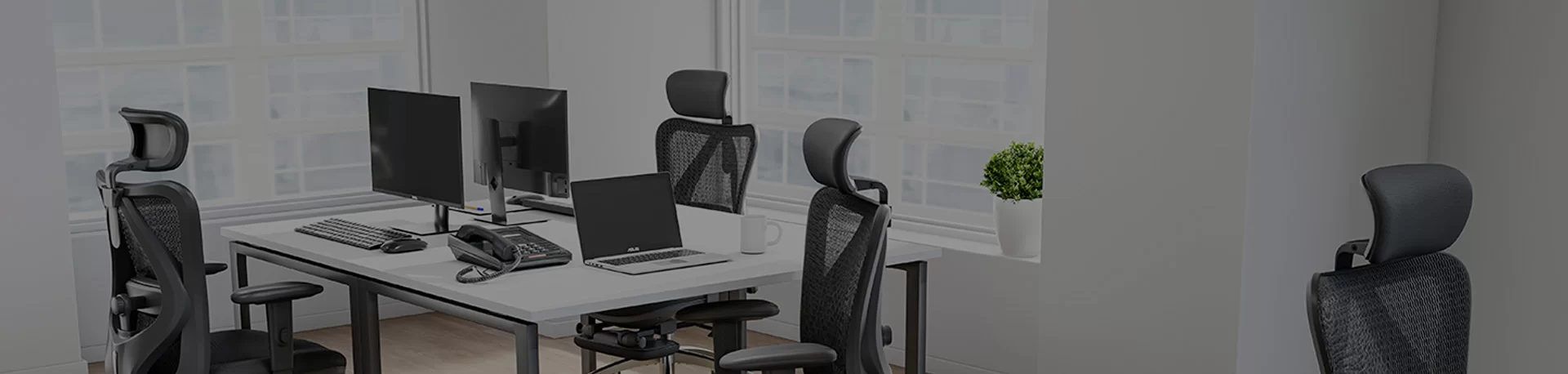
You know, these days everyone's talking about "smart" furniture. Adjustable everything. Honestly, it's a bit much. I've been on construction sites for fifteen years, seen trends come and go. Remember when everyone wanted chrome? A nightmare to keep clean, let me tell you. Now it's all about upholstery, customization, ergonomics… Which is fine, I guess. People want comfort. But the devil's in the details, always.
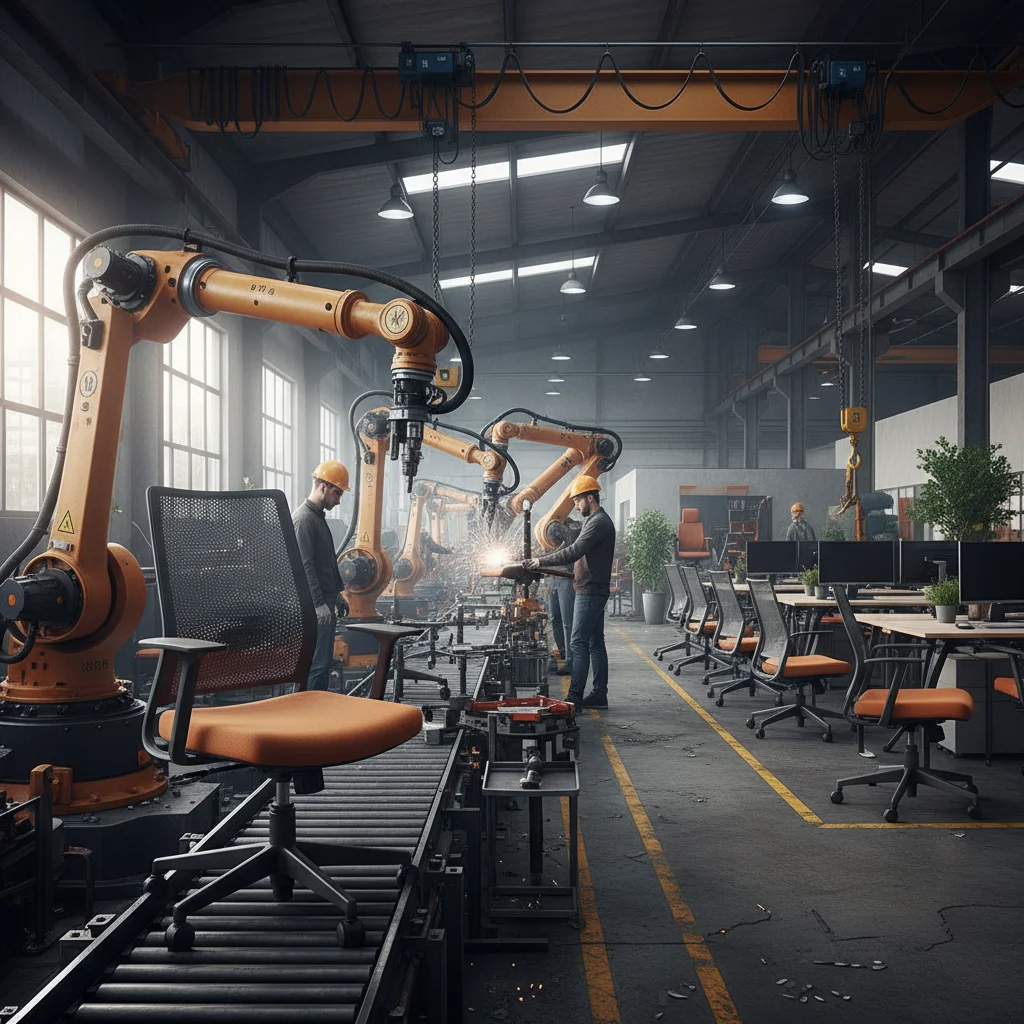
Have you noticed how many chairs *look* good in the catalog, but fall apart after six months? It’s the little things, like the weld on the frame, or the quality of the foam. You wouldn't believe the number of times I've seen a chair collapse mid-meeting. It’s embarrassing for everyone involved, trust me. And it always happens to the CEO, doesn't it?
We mostly work with a high-density molded foam for the seat and back, a bit pricey but it holds its shape. Smells a little like… well, new plastic, I suppose. Then a breathable upholstery, usually a polyester blend. You want something durable, something that won’t stain instantly. I encountered a problem with one batch of fabric at the XX factory last time - they used a dye that ran when it got wet. Total disaster. We had to send it all back.
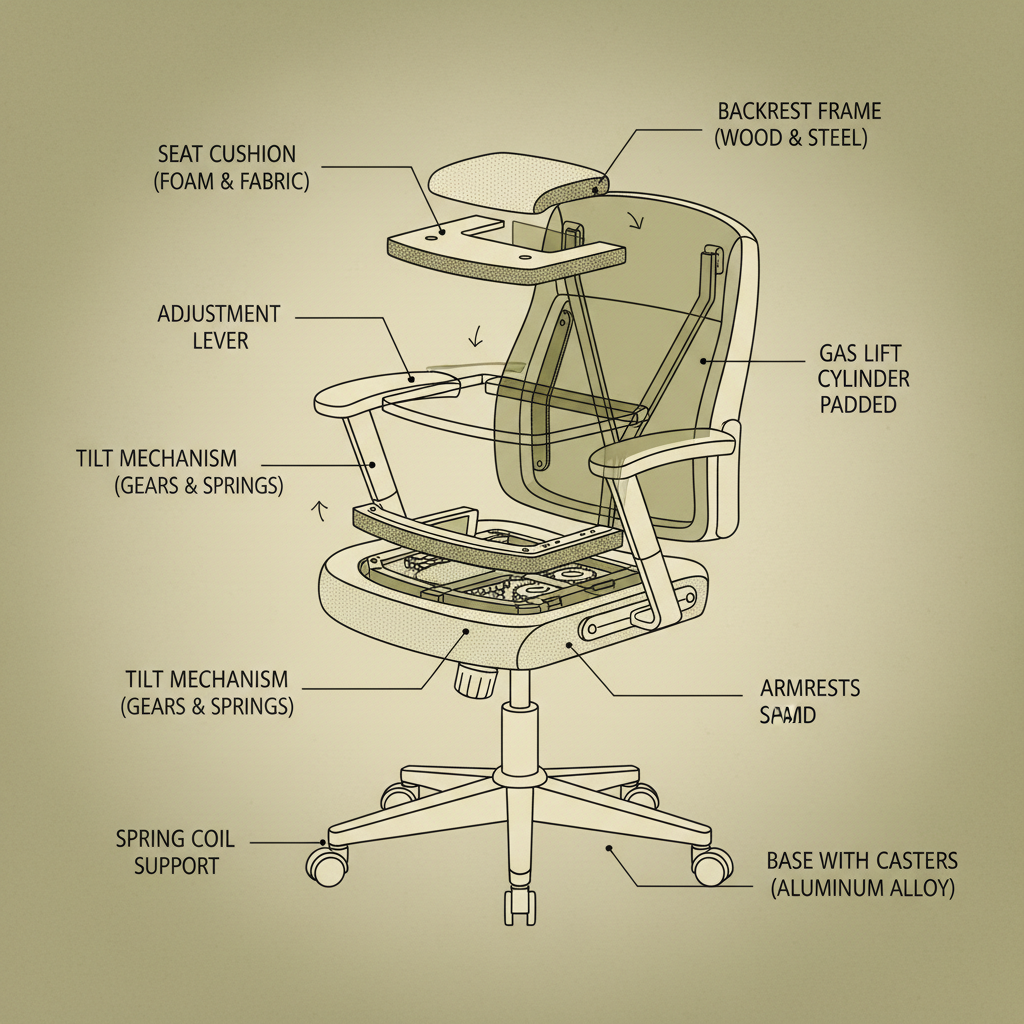
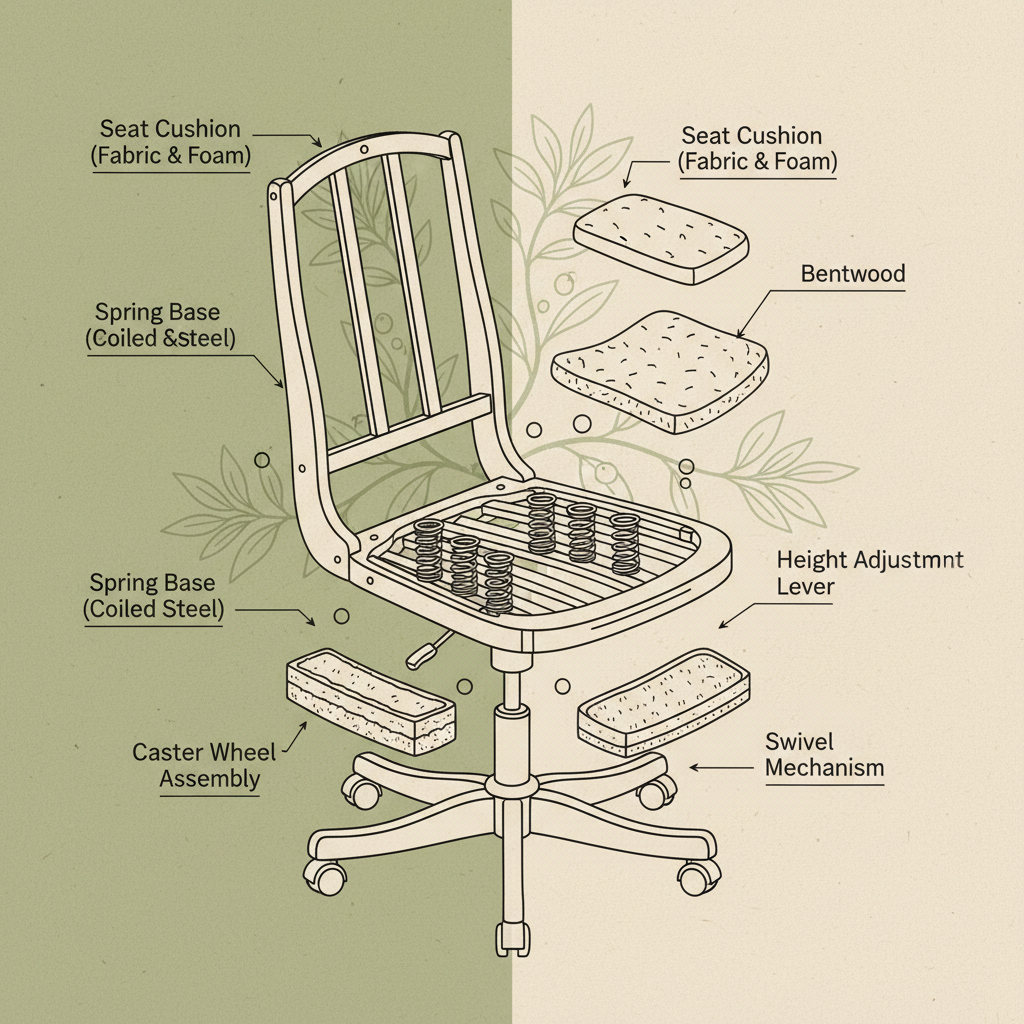
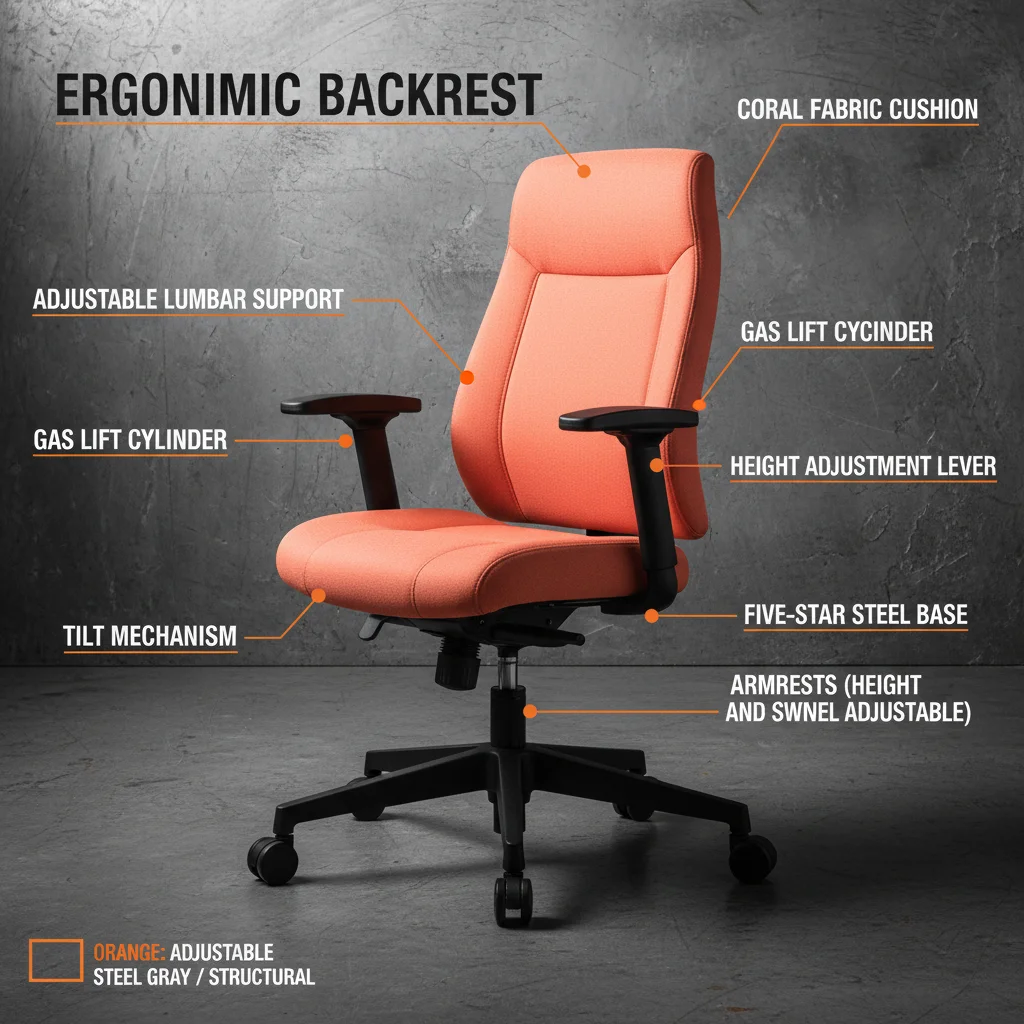
Strangely, everyone's obsessed with lumbar support now. Used to be just about the cushion. Now, it’s about angles and adjustments. It’s good, I suppose, for people who sit for twelve hours straight. I mostly see people fiddling with the knobs and levers, honestly. But the market demands it. There’s a huge push for ergonomic office furniture, and adjustable upholstered chairs are at the heart of it. It’s not just offices either; gaming chairs are huge, and they're all about adjustability.
Anyway, I think we’re starting to see a shift toward more sustainable materials. People are asking about recycled fabrics, and low-VOC foams. It adds to the cost, of course, but it’s becoming a necessity. Companies are getting pressure from all sides. It's the future, really.
Honestly? They focus too much on the aesthetics and not enough on the mechanics. A beautiful chair that falls apart after six months is worthless. Look for solid construction, durable materials, and a good warranty. Don't be swayed by fancy features if the basics aren't solid. People get caught up in the 'look' and forget it needs to *work*.
It’s more important than people realize. A good lumbar support can make a huge difference in preventing back pain, especially for people who sit for long periods. But it needs to be adjustable, so people can find the right level of support. Too much support can be just as bad as too little. It really depends on the individual.
A good quality chair should last at least five to ten years, with proper care. Of course, it depends on how much it’s used and how well it’s maintained. Regular cleaning and tightening of screws can significantly extend its lifespan. We've had customers report chairs lasting over fifteen years, but that's rare.
Not necessarily. Price doesn't always equal quality. There's a lot of marketing hype out there. You need to look beyond the price tag and consider the materials, construction, and warranty. A well-built chair from a reputable manufacturer will always be a better investment than a cheap chair with a fancy name.
It's pretty simple. Regular cleaning with a damp cloth is usually enough. Check the screws and tighten them as needed. And if you spill something, clean it up immediately. Don't let it soak into the upholstery. Oh, and avoid using harsh chemicals. They can damage the fabric.
It depends on what breaks. Simple things, like replacing a caster or tightening a screw, are easy to do yourself. But more complex repairs, like fixing a broken mechanism, are best left to a professional. You could end up making things worse. We offer repair services, of course.
So, what have we learned? Adjustable upholstered chairs are a complex beast. They're not just about comfort; they’re about ergonomics, durability, and sustainability. It’s about finding the right balance between features, price, and quality. And ultimately, a successful chair isn’t judged by a design engineer, but by the guy or gal who sits in it all day.
Look, at the end of the day, whether this thing works or not, the worker will know the moment he tightens the screw. If it feels solid, if it moves smoothly, if it feels *right*… then we’ve done our job. If not, back to the drawing board. If you're looking for the perfect adjustable upholstered chair for your needs, visit our website: cdgamingfurniture.com.

If you are interested in our products, you can choose to leave your information here, and we will be in touch with you shortly.